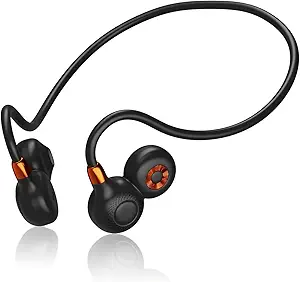
For most cyclists, SHOKZ OpenRun is my best overall pick: its sport-focused open-ear design makes it a strong starting point for balancing comfort and awareness. Riders who want a more feature-rich SHOKZ option can compare the OpenRun Pro 2, while swimmers or riders who want offline playback may prefer a waterproof MP3 model with built-in storage. The main tradeoffs are fit under a helmet, water resistance, sound quality, battery life, and whether a product is truly bone conduction or another kind of open-ear headphone. Check your helmet fit and riding conditions before choosing by features alone. Read on for the full comparison and guidance on matching a pick to your rides.

Get your wardrobe favorites delivered free with Prime
- Fast, free delivery on millions of items
- Prime Video, Amazon Music and more included
- Member-only deals all year
Complete the kit


Key Takeaways
SHOKZ OpenRun is the clearest all-around starting point in this lineup for cyclists prioritizing a sport-focused fit and open-ear listening.
The OpenRun Pro 2 models are the premium alternatives; the three color listings share the same product family, so color is not a meaningful performance distinction.
Built-in MP3 storage changes where you can listen: the swimming-oriented models can play stored audio without relying on a phone connection, but that feature matters less on phone-carrying rides.
Weather claims are not interchangeable. Check the specific water-resistance rating and care instructions rather than assuming every model is suitable for heavy rain or swimming.
The Ortizan is air conduction, not bone conduction, so it belongs in the comparison as an open-ear alternative, not as a like-for-like bone-conduction pick.


| bone conduction headphones for cycling | Battery life | Weight | Water resistance | Bluetooth |
|---|---|---|---|---|
| Bone Conduction Headphones for | Up to 8 hours | 32 grams | — | Version 5.4 |
| SHOKZ OpenRun Bone Conduction | Up to 8 hours | — | IP67 | — |
| Waterproof Open-Ear Bone Condu | Described as long; duration not specified | Not specified | — | — |
| SHOKZ OpenRun Pro 2 Open-Ear B | Up to 12 hours | 30.3 g | IP55 | — |
| Bone Conduction Headphones wit | Up to 10 hours | 28 g | — | Version 5.4 |
| SHOKZ OpenRun Pro 2 Bone Condu | Up to 12 hours | — | — | — |
| SHOKZ OpenRun Pro | Up to 10 hours | 29 g | Sweat resistant | — |
| Raycon Bone Conduction Open-Ea | — | 5.6 ounces | IP68 | — |
| PSIER X12 Bone Conduction Open | Up to 10 hours at 50% volume | 23 g | IPX5; not suitable for underwater use | 6.0 |
| Bone Conduction Headphones | Up to 10 hours | — | IP55 | 5.3 |
| 2026 Bone Conduction Headphone | Up to 10 hours | 27 g | IPX5 | 6.0 |
| Bone Conduction Headphones wit | — | — | — | 5.4 |
| SHOKZ OpenRun Pro 2 Open-Ear B | Up to 12 hours | 0.03 kg | IP55 | — |
| Bone Conduction Headphones | Up to 10 hours | 26 g | IPX6 | 6.0 |
| Ortizan Open Ear Headphones | Up to 10 hours | 19 g | IPX6 | 5.3 |
More Details on Our Top Picks
Bone Conduction Headphones for Swimming, Waterproof with 32GB MP3, Bluetooth 5.4, Open Ear Sports Headphones
For cyclists who also swim, this is the most versatile pick here: its 32GB MP3 storage supports offline listening in water, while the open-ear design leaves ambient sounds easier to hear on the bike. That swimming focus comes with a cycling caveat: Bluetooth does not work underwater, and switching to MP3 mode takes a manual step. Compared with the SHOKZ OpenRun, which is a more straightforward choice for bike rides and calls, this model trades some simplicity for water use and stored music. Its stated eight-hour battery suits regular rides, though it offers less listed runtime than the 10-hour model in this roundup. I’d choose it for one headset across pool sessions and rides, not for someone who only wants uncomplicated cycling audio.
Pros:- 32GB of MP3 storage supports offline listening, including when Bluetooth is unavailable underwater.
- Open-ear fit helps keep surrounding sounds audible while cycling.
- Waterproof design suits swimming as well as sweaty rides.
- Bluetooth 5.4 supports wireless listening on land.
Cons:- Bluetooth cannot be used underwater, so swimming requires MP3 mode.
- Manual switching between Bluetooth and MP3 modes adds friction.
- Eight-hour listed battery life is shorter than the 10-hour option in this batch.
Best for: Cyclists who also swim and want offline music stored on the headphones for pool sessions.
Not ideal for: Riders who want simple Bluetooth-only operation or longer listed battery life; swimming requires MP3 mode, and runtime is listed at eight hours.
- Bluetooth:Version 5.4
- Offline storage:32GB MP3
- Battery life:Up to 8 hours
- Weight:32 grams
- Connectivity modes:Bluetooth and MP3 mode
- Fit:Open-ear bone conduction
- Water use:Designed for swimming and aquatic activities
Our verdict“Choose this if you want one waterproof headset for cycling and swimming and can live with switching to MP3 mode in the pool.”
SHOKZ OpenRun Bone Conduction Open-Ear Bluetooth Sport Headphones, Black
The SHOKZ OpenRun is the clearest fit for riders who want a purpose-built, low-fuss headset: its wraparound frame is designed to stay secure, and the open-ear fit leaves the ears unobstructed for awareness of traffic and people nearby. Its IP67 rating and eight-hour battery suit wet-weather rides and regular training, while a 10-minute quick charge can add up to 1.5 hours of playback when you forget to charge ahead of a ride. Compared with the OpenRun Pro 2, it has a shorter stated battery life and lacks the newer model’s dual-driver setup and call-focused microphones. In return, it is a simpler option for riders who mainly need audio and calls. It is not for swimming, and the open design provides no noise control, so traffic noise remains part of the ride.
Pros:- Open-ear wraparound fit helps keep ears free to hear surrounding sounds.
- IP67 water-resistance rating suits sweaty rides and wet conditions.
- Quick charge provides up to 1.5 hours of playback from a 10-minute charge.
- Compatible with Android, iOS, Windows, and other Bluetooth-enabled devices.
Cons:- Not suitable for swimming.
- Eight-hour maximum playback is shorter than the OpenRun Pro 2’s stated 12 hours.
- No noise control means nearby traffic and wind remain audible alongside audio.
Best for: Road and commuter cyclists who want a secure open-ear Bluetooth headset, sweat resistance, and occasional calls.
Not ideal for: Swimmers or riders seeking noise isolation, deep immersion, or the longer listed runtime of the OpenRun Pro 2.
- Brand and model:SHOKZ OpenRun (S803)
- Fit:Open-ear, wraparound
- Audio technology:8th-generation bone conduction
- Water resistance:IP67
- Battery life:Up to 8 hours
- Quick charge:10 minutes for up to 1.5 hours of battery life
- Controls:Button and volume control
- Warranty:2 years
Our verdict“For everyday cyclists who prioritize an established open-ear fit and quick charging over swimming features or longer battery life, the OpenRun is the strongest all-round choice.”
Waterproof Open-Ear Bone Conduction Headphones with Bluetooth 6.0
This model’s appeal for cycling is its straightforward mix of open-ear fit, waterproofing, and Bluetooth 6.0, without extra storage or swimming-mode details to weigh. That simplicity may suit riders who want wireless audio for rides, workouts, and hikes. But the product information leaves important buying questions unanswered: it gives no battery duration, weight, water-resistance rating, or detailed sound and control specifications. That makes it harder to judge long rides and fit than with the SHOKZ OpenRun, which lists IP67 resistance, eight hours of playback, and a quick-charge feature. The stated lightweight design is promising, but possible fit issues are already flagged in the product details. I’d treat this as a basic, lower-information option rather than a confident pick for riders who depend on predictable comfort and runtime.
Pros:- Open-ear design leaves the ears unobstructed for surrounding sounds.
- Waterproof design is presented for outdoor activity and workouts.
- Bluetooth 6.0 is specified for wireless connectivity.
- Listed uses include cycling, running, workouts, and hiking.
Cons:- Battery duration is not specified, making long-ride planning difficult.
- No water-resistance rating or weight is provided in the product data.
- Sound quality details are limited, and fit may not suit every rider.
Best for: Cyclists who want a basic open-ear Bluetooth headset for shorter rides and other outdoor workouts, and do not need detailed specifications before buying.
Not ideal for: Long-distance riders or buyers who need a clearly stated battery duration, measured weight, or specific water-resistance rating.
- Connectivity:Bluetooth 6.0
- Fit:Open-ear
- Audio technology:Bone conduction
- Waterproofing:Described as waterproof; rating not specified
- Battery life:Described as long; duration not specified
- Weight:Not specified
- Listed activities:Running, cycling, workouts, and hiking
Our verdict“Consider this for general outdoor use if minimal listed features suit you, but choose the OpenRun if you need clear runtime and water-resistance specifications for cycling.”
SHOKZ OpenRun Pro 2 Open-Ear Bluetooth Sport Headphones, Black
For cyclists who spend long hours on the road or take calls between stops, the OpenRun Pro 2 offers the most ride-focused feature set in this group. Its combination of bone- and air-conduction drivers aims to give audio more depth than a basic bone-conduction design, while the 12-hour battery outlasts the eight-hour OpenRun. A memory-wire frame and ergonomic ear hooks are designed to hold position during activity, and the wind-resistant dual microphones target clearer calls outdoors. The tradeoff is a more limited IP55 water-resistance rating than the OpenRun’s IP67, so the standard model has the stronger stated rating for wet conditions. Neither open-ear design isolates traffic noise, which supports awareness but can make music less immersive. I’d pick this Pro version for runtime and calls, not as the best choice for swimming or heavy water exposure.
Pros:- Up to 12 hours of battery life supports longer rides between charges.
- Bone- and air-conduction drivers are designed to add depth compared with a basic bone-conduction setup.
- Memory-wire frame and ergonomic ear hooks are designed to hold securely during workouts.
- Dual wind-resistant microphones with AI noise reduction support clearer calls.
Cons:- IP55 rating is lower than the OpenRun’s stated IP67 rating.
- Open-ear fit provides little sound isolation, so audio competes with wind and traffic.
- Not presented as a swimming headset.
Best for: Long-distance and commuting cyclists who want extended battery life, a secure fit, and clearer outdoor call support.
Not ideal for: Swimmers or riders who prioritize a higher listed water-resistance rating; the OpenRun is rated IP67 compared with this model’s IP55.
- Brand and model:SHOKZ S820
- Audio drivers:Bone conduction and air conduction
- Fit:Open-ear with Ni-Ti alloy memory wire and ergonomic ear hooks
- Battery life:Up to 12 hours
- Weight:30.3 g
- Water resistance:IP55
- Microphones:Dual wind-resistant microphones with AI noise reduction
- Warranty:2 years
Our verdict“Choose the OpenRun Pro 2 for longer rides and call support, but favor the standard OpenRun if its higher stated water-resistance rating matters more.”
Bone Conduction Headphones with 32GB MP3, Waterproof, Bluetooth 5.4, 10 Hours Playtime
For cyclists who want music stored on the headset and a full day’s battery buffer, this model combines 32GB MP3 storage with a stated 10-hour runtime. That makes it a practical alternative to carrying a phone on every ride, while Bluetooth 5.4 also supports wireless listening when a phone is along. Its 28-gram weight is lower than the 32-gram swim-focused model in this batch, though the listed specs do not provide a fit system or a detailed water rating beyond an IPX8 claim in the product details. Compared with the SHOKZ OpenRun, this pick offers offline storage and two more stated hours of battery life, but the OpenRun supplies clearer fit, charging, and resistance details. Choose this for stored audio and endurance; skip it if you need well-documented call or cycling-specific controls.
Pros:- 32GB MP3 storage allows offline listening without a phone connection.
- Listed 10-hour battery life exceeds the eight hours stated for the SHOKZ OpenRun.
- 28-gram weight is the lightest specified among the two MP3-storage models in this batch.
- Open-ear design supports awareness of surrounding sounds.
Cons:- Bone-conduction audio may feel less immersive than conventional headphones.
- The product information provides limited detail about controls and fit.
- Swimming suitability is claimed, but the supplied specs do not include a water-resistance rating.
Best for: Cyclists who prefer to leave a phone behind and want stored music, a lightweight headset, and longer listed playback.
Not ideal for: Riders who need detailed fit and control information, or who prioritize a clearly documented cycling-focused headset over MP3 storage.
- Offline storage:32GB MP3
- Bluetooth:Version 5.4
- Battery life:Up to 10 hours
- Weight:28 g
- Fit:Open-ear bone conduction
- Waterproofing:Described as waterproof; rating not specified in supplied specs
Our verdict“Pick this for long rides where stored music and 10-hour playback matter most, and choose the OpenRun instead if you value more fully specified fit and charging details.”
SHOKZ OpenRun Pro 2 Bone Conduction Bluetooth Sport Headphones, Orange
For cyclists who want open-ear awareness without giving up a full day’s riding soundtrack, the OpenRun Pro 2 is my strongest all-round pick here. Its 12-hour battery outlasts the 10-hour claims for the OpenRun Pro and PSIER X12, leaving more room for long routes before charging. The app’s customizable EQ gives riders a way to tune playback for their preferred listening, while the lightweight, secure fit is suited to active movement. Dual wind-resistant microphones with AI noise reduction may also help calls come through more clearly outdoors. The tradeoff is familiar to open-ear designs: sound is less isolating and may feel less immersive than traditional headphones, and nearby traffic or wind can compete with audio. Choose it over the older OpenRun Pro for longer stated runtime; skip it if blocking road noise is the goal.
Pros:- 12-hour stated playback exceeds the 10-hour claims for the OpenRun Pro and PSIER X12.
- Open-ear fit leaves the ear canals free to hear surrounding traffic.
- App-based EQ modes let riders adjust the sound profile.
- Dual wind-resistant microphones with AI noise reduction support clearer outdoor calls.
Cons:- Open-ear playback can be less immersive and is more exposed to traffic and wind noise.
- A 12-hour maximum may still fall short for multi-day trips without charging.
- Exact weight is not specified in the supplied product data.
Best for: Cyclists who ride for several hours at a time and want open-ear awareness, app-adjustable EQ, and a longer stated battery life.
Not ideal for: Riders who need strong noise isolation or prefer immersive, bass-heavy audio; the open-ear design does not block surrounding sound.
- Model:SHOKZ S820 / OpenRun Pro 2
- Listening design:Bone conduction, open ear
- Battery life:Up to 12 hours
- Charge time:60 minutes
- Connectivity:Bluetooth
- Microphones:Dual wind-resistant microphones with AI noise reduction
- Controls:Touch control; app controller
- Color:Orange
- Warranty:2 years
Our verdict“I’d choose the OpenRun Pro 2 for longer rides where a 12-hour stated battery and adjustable sound matter more than isolation.”
SHOKZ OpenRun Pro – Open-Ear Bluetooth Bone Conduction Sport Headphones with Hair Band
The OpenRun Pro suits cyclists who value a secure sports fit and supplied accessories more than the longest runtime in this group. Its 29 g titanium frame is designed to stay in place during vigorous movement, and the package includes a sport headband that can help manage hair or add stability under a helmet. Against the newer OpenRun Pro 2, the main compromise is battery life: this model is rated for up to 10 hours rather than 12, and it lacks the listed app-based EQ features of its successor. The open-ear design keeps the ears uncovered for environmental awareness, but it cannot isolate music from traffic or wind. Riders with larger head sizes should also be cautious, since the product data flags fit comfort as a possible issue.
Pros:- 29 g frame is lightweight for active use.
- Titanium frame is designed for a secure fit during workouts.
- Includes a sport headband and hard-shell carrying case.
- Sweat-resistant construction suits exercise sessions.
Cons:- Up to 10 hours of battery life is shorter than the OpenRun Pro 2’s 12-hour claim.
- May not fit comfortably for users with larger head sizes.
- Open-ear listening offers limited immersion and no isolation from road noise.
Best for: Cyclists who want a lightweight titanium frame, a sport headband in the box, and an open-ear fit for regular training rides.
Not ideal for: Riders with larger head sizes or those seeking the longest runtime; the newer OpenRun Pro 2 has a longer stated battery life.
- Model:S810 / OpenRun Pro
- Listening design:Bone conduction, open ear
- Weight:29 g
- Battery life:Up to 10 hours
- Charging:Quick charge; charging time listed as up to 1.5 hours
- Connectivity:Bluetooth
- Water resistance:Sweat resistant
- Included accessories:Hard-shell case, magnetic induction charging cable, sport headband, user manual
- Warranty:2 years
Our verdict“I’d pick the OpenRun Pro if a secure lightweight fit and included sport headband matter more than the OpenRun Pro 2’s extra stated battery life.”
Raycon Bone Conduction Open-Ear Headphones, Gray
The Raycon’s clearest cycling distinction is its stated IP68 water resistance, making it a compelling option for riders who train through rain or heavy sweat and want an open-ear design. Its adjustable fit can help accommodate different head shapes, while the moisture-proof magnetic charging connection is intended to protect the seal during charging. Compared with the PSIER X12, whose IPX5 rating is specified for sweat and rain but not underwater use, the Raycon carries the stronger water-resistance claim in the supplied data. That claim does not make it the better choice for every ride: its listed weight is 5.6 ounces, and there is no battery-life figure to help plan longer outings. Like the other open-ear picks, it has no noise control, so busy roads can overpower audio.
Pros:- IP68 water-resistance rating is the strongest stated protection among these five products.
- Adjustable open-ear fit can suit different users.
- Magnetic charging cable is designed to maintain a moisture-proof seal.
- Open-ear placement helps preserve awareness of nearby sounds.
Cons:- Listed weight of 5.6 ounces is relatively substantial for a cycling headset.
- No battery-life figure is provided for ride planning.
- No noise control means audio may be harder to hear in high-noise settings.
Best for: Cyclists who train in wet conditions and prioritize a stated IP68 rating plus an adjustable open-ear fit.
Not ideal for: Weight-conscious riders and anyone planning long routes who needs a documented battery runtime; the supplied specs list no battery-life figure.
- Model:RBB842-24E
- Listening design:Bone conduction, open ear
- Water resistance:IP68
- Weight:5.6 ounces
- Charge time:2 hours
- Audio impedance:8 ohms
- Frequency response:20 kHz
- Noise control:None
- Warranty:1 year
Our verdict“I’d consider the Raycon for wet-weather riders who value its IP68 claim, but not for buyers who need a light headset or a known runtime.”
PSIER X12 Bone Conduction Open-Ear Headphones
At a stated 23 g, the PSIER X12 is the lightest option in this set with a specified weight, a useful distinction for cyclists who dislike feeling a headset behind the head during long rides. Its flexible memory-titanium frame and adjustable strap offer ways to refine the fit, while USB-C charging and up to 10 hours of playback make it a straightforward pick for regular training. Compared with the SHOKZ OpenRun Pro 2, it gives up two hours of stated runtime but adds IPX5 water resistance and a listed 33-foot Bluetooth range. The companion app’s EQ is a bonus, though its translation and music-generation tools matter less on the bike. IPX5 is for sweat and rain, not underwater use, and a full charge takes about two hours.
Pros:- 23 g weight is lower than the 29 g listed for the SHOKZ OpenRun Pro.
- Flexible memory-titanium frame and adjustable strap support fit adjustments.
- Up to 10 hours of playback with USB-C charging.
- IPX5 rating suits sweat and rain, and the app offers adjustable EQ.
Cons:- About two hours are needed for a full charge.
- IPX5 does not make the headphones suitable for underwater use.
- Battery life is shorter than the OpenRun Pro 2’s 12-hour claim.
Best for: Cyclists who prioritize a very light frame, adjustable fit, USB-C charging, and enough battery for typical training rides.
Not ideal for: Riders seeking the longest runtime or a fast full recharge; the OpenRun Pro 2 claims 12 hours, while the X12 takes about two hours to charge.
- Model:X12
- Weight:23 g
- Bluetooth:6.0
- Battery life:Up to 10 hours at 50% volume
- Charging time:About 2 hours
- Charging connector:USB-C
- Water resistance:IPX5; not suitable for underwater use
- Bluetooth range:33 ft
- Frame:Flexible memory titanium
Our verdict“I’d choose the PSIER X12 for a lighter, adjustable headset for everyday rides, provided its 10-hour runtime and two-hour charging time fit your routine.”
Bone Conduction Headphones, Wireless Bluetooth Open-Ear Sports Headphones with Mic, Type-C Quick Charging, Long Battery Life, Waterproof for Running, Walking, Cycling, Workout
This model is the straightforward choice for riders who want the core cycling-friendly setup—open ears, a flexible titanium frame, and up to 10 hours of playback—without a long list of app features or extras. Bluetooth 5.3 and Type-C charging cover the basics, while the listed IP55 rating adds protection for outdoor exercise. Compared with the PSIER X12, it has less documented detail: no weight, Bluetooth range, or charging duration is supplied, and there is no stated app-based EQ. The tradeoff is a simpler specification sheet rather than a clear advantage in fit or ride planning. Open-ear listening helps keep surrounding sounds accessible, but the description itself notes that sound may lack deep bass and does not match traditional over-ear headphones.
Pros:- Open-ear design leaves the ear canals free for environmental awareness.
- Up to 10 hours of stated battery life suits many training sessions.
- Titanium frame is described as lightweight and flexible.
- IP55 rating and Type-C charging support everyday outdoor use.
Cons:- No weight or charging duration is provided in the supplied specifications.
- Sound may lack deep bass and is less immersive than traditional headphones.
- The product data does not list app-based EQ or other sound customization.
Best for: Cyclists who want a simple open-ear headset for routine rides and workouts, with a titanium frame, Type-C charging, and a stated IP55 rating.
Not ideal for: Buyers who want documented weight, app-based sound adjustments, or more specific charging information; the PSIER X12 provides a fuller specification set.
- Listening design:Bone conduction, open ear
- Bluetooth:5.3
- Battery life:Up to 10 hours
- Charging:Type-C quick charge
- Material:Titanium frame
- Water resistance:IP55
Our verdict“I’d pick this basic model for routine rides if its stated battery and IP55 protection meet your needs and you do not require detailed fit or app features.”
2026 Bone Conduction Headphones, Bluetooth 6.0 Open Ear Wireless Sports Earphones, IPX5 Waterproof, 10H Battery Life for Running, Cycling, Gym
For riders who want a light frame and a full day’s listed playback, this model pairs 27g weight with up to 10 hours of battery life. Its open-ear design leaves ambient sounds audible, a useful fit for city streets and shared paths where traffic awareness matters. Compared with the Bone Conduction Headphones with Mic, Bluetooth 5.4, this pick lists a titanium frame and a lower weight, while the other model claims two more hours of playtime. The IPX5 rating covers sweat and light weather exposure, but it is not a swimming option, and neither open-ear design blocks wind or traffic noise. Expect less bass and isolation than with in-ear headphones. I’d choose it for long rides where comfort and a simple, lightweight build matter more than extra runtime or immersive sound.
Pros:- 27g weight and titanium frame support a light fit for extended rides
- Open-ear design leaves surrounding sounds audible
- Up to 10 hours of playback
- IPX5 rating for sweat and light weather exposure
Cons:- IPX5 is not suitable for swimming
- Open-ear construction offers limited isolation and may sound bass-light
- The 12-hour claim on the Bluetooth 5.4 comparison model gives it a shorter runtime
Best for: Cyclists who want a lightweight open-ear frame for long rides and value a 10-hour battery over extra features.
Not ideal for: Swimmers, riders who need strong noise isolation, and cyclists who want the longest listed runtime in this group.
- Audio technology:Bone conduction
- Bluetooth:6.0
- Battery life:Up to 10 hours
- Standby time:100 hours
- Weight:27 g
- Materials:Titanium frame, silicone cushions
- Water resistance:IPX5
- Charging port:Type-C
Our verdict“Choose this lightweight titanium-frame option for everyday rides if 10 hours of playback is enough and you prefer awareness over isolation.”
Bone Conduction Headphones with Mic, Bluetooth 5.4 Sports Open Ear Headphones for Running, Cycling, Gym, Hiking
The main reason to pick this model over the 2026 Bluetooth 6.0 Bone Conduction Headphones is its stated 12-hour playtime, which gives riders more room for long outings and regular use between charges. Its Bluetooth 5.4 connection and USB-C charging suit a broad mix of phones, tablets, laptops, and smartwatches, while the lightweight silicone fit is aimed at extended wear. The open design keeps ears uncovered, but it cannot shield you from wind, traffic, or other ambient noise; that awareness is useful on roads, though it can make audio harder to hear in loud conditions. The fit may also feel less secure during intense movement, so riders who sprint or tackle rough trails may prefer the SHOKZ OpenRun Pro 2’s ear-hook and memory-wire design. I’d favor this one for steady-paced rides and everyday versatility.
Pros:- Up to 12 hours of playtime, longer than the 10-hour options in this batch
- Bluetooth 5.4 and listed compatibility with phones, tablets, laptops, and smartwatches
- Lightweight, ergonomic design intended for extended wear
- USB-C charging
Cons:- Fit may be less secure during intense activity
- Open-ear design provides little isolation from traffic and wind
- Bass may be less pronounced than with traditional headphones
Best for: Commuters and endurance riders who want a listed 12-hour runtime and need headphones that pair with several device types.
Not ideal for: Cyclists who ride rough trails or train with frequent sprints and need a particularly secure fit, or listeners who want deep bass.
- Bluetooth:5.4
- Playtime:Up to 12 hours
- Charging port:USB-C
- Material:Skin-friendly silicone
- Fit:Lightweight, secure, ergonomic
- Compatibility:Smartphones, tablets, laptops, smartwatches
- Microphone:Included
Our verdict“Pick this model for longer, steady rides and broad device compatibility, but look elsewhere if your cycling demands a more locked-in fit.”
SHOKZ OpenRun Pro 2 Open-Ear Bone Conduction Headphones, Rose Gold
The OpenRun Pro 2 stands apart from the simpler 10-hour models with a hybrid bone and air conduction system, app-based EQ modes, and dual wind-resistant microphones with AI noise reduction. Those additions make it the most feature-rich choice here for cyclists who also take calls or want more control over sound. Its nickel-titanium memory wire and ergonomic ear hooks are designed to keep the frame stable, a more reassuring setup for active riding than the fit description on the Bluetooth 5.4 model. The tradeoff is that audio adjustments require the SHOKZ app, and its open-ear construction still lets in wind and surrounding noise rather than creating an isolated listening space. The 12-hour battery matches that lower-cost alternative’s listed runtime, so the premium case rests on fit, audio options, and call features, not longer playback.
Pros:- Hybrid bone and air conduction drivers with EQ modes
- Ear hooks and nickel-titanium memory wire support a stable fit
- Dual wind-resistant microphones with AI noise reduction
- Up to 12 hours of battery life and a hard-shell carrying case
Cons:- Audio customization requires the SHOKZ app
- Open-ear design provides less sound isolation than in-ear headphones
- Its 12-hour battery claim does not exceed the Bluetooth 5.4 model’s stated runtime
Best for: Cyclists who want a stable-fitting open-ear headset with adjustable sound and clearer call features for commuting or training.
Not ideal for: Riders who want a basic, app-free headset, strong sound isolation, or a longer stated runtime than 12 hours.
- Model:OpenRun Pro 2 (S820)
- Audio technology:Bone and air conduction
- Battery life:Up to 12 hours
- Charge time:60 minutes
- Weight:0.03 kg
- Water resistance:IP55
- Frame materials:Nickel-titanium alloy, plastic, silicone
- Microphones:Dual wind-resistant microphones with AI noise reduction
- Warranty:2 years
Our verdict“Choose the OpenRun Pro 2 if you value a more secure design, sound controls, and call features more than simplicity or extra isolation.”
Bone Conduction Headphones, 2026 Upgrade Open Ear Wireless Bluetooth Earphones with Mic, IPX6 Sport Headphones for Running, Cycling, Workout (Blue)
Among the conventional bone-conduction options in this batch, this model’s standout cycling advantage is its stated IPX6 water resistance, a stronger listed rating than the IPX5 2026 model. That makes it the more compelling pick for riders expecting heavy sweat or wet-weather training, though the product data does not claim swimming suitability. It weighs 26g and offers up to 10 hours of use, so its basic riding profile is close to the 27g titanium-frame alternative. The difference is that the lighter competitor specifies titanium in its frame materials, while this listing gives a one-year warranty and little detail about construction. Bluetooth 6.0 and a secure-fit description are useful on paper, but they do not resolve the shared open-ear tradeoff: limited bass and no protection from traffic or wind noise. I’d choose it for weather resistance, not richer sound or extra runtime.
Pros:- IPX6 water-resistance rating is higher than the IPX5 rating on the other 2026 model
- Lightweight 26g design
- Bluetooth 6.0 connectivity
- Up to 10 hours of battery life
Cons:- No swimming use is specified
- Open-ear design may lack bass and does not block wind or traffic noise
- Product data gives limited detail about frame materials
Best for: Cyclists who train in wet conditions or sweat heavily and want a lightweight open-ear design with an IPX6 rating.
Not ideal for: Swimmers, riders seeking deep bass or traffic-noise isolation, and buyers who want detailed frame-material information.
- Bluetooth:6.0
- Water resistance:IPX6
- Battery life:Up to 10 hours
- Weight:26 g
- Color:Blue
- Warranty:1 year
- Fit:Lightweight, ergonomic, secure
- Microphone:Included
Our verdict“Choose this model for wet-weather rides where its IPX6 rating matters more than longer battery life or a specified titanium frame.”
Ortizan Open Ear Headphones, Bluetooth 5.3 Wireless Air Conduction Sport Earbuds, IPX6 Waterproof, Lightweight for Running and Cycling (Black)
The Ortizan is the one option here that uses air conduction, not bone conduction, so I’d treat it as an open-ear alternative rather than a direct technology match. Its 19g weight is the lightest stated in this batch, which may appeal to cyclists who want less hardware on their head. It also matches the IPX6 rating of the 2026 Upgrade Bone Conduction Headphones, while adding a useful quick-charge claim: 10 minutes provides an hour of playback. That short top-up can help between rides, though full charge time is not given. Unlike the SHOKZ OpenRun Pro 2, the listing does not describe memory wire, ear hooks, or sound customization. The 14.2 mm driver and microphone add practical detail, but open-air listening still means limited isolation and potentially modest bass. Pick it for low weight and charging convenience, not strict bone-conduction preference.
Pros:- 19g weight, the lightest stated in this batch
- IPX6 water resistance for sweat and wet-weather use
- 10-minute charge provides up to one hour of playback
- Microphone and Bluetooth 5.3 support calls and wireless listening
Cons:- Uses air conduction rather than bone conduction
- Open-ear design offers limited isolation and may not provide deep bass
- Full charging time and fit details are not specified
Best for: Cyclists open to air-conduction headphones who prioritize a very light frame, IPX6 protection, and quick top-ups.
Not ideal for: Buyers specifically seeking bone-conduction technology, a stated secure ear-hook fit, or strong noise isolation.
- Audio technology:Air conduction
- Weight:19 g
- Bluetooth:5.3
- Battery life:Up to 10 hours
- Water resistance:IPX6
- Quick charging:10 minutes for 1 hour of playback
- Driver size:14.2 mm
- Microphone:Included
Our verdict“Choose the Ortizan if low weight and quick charging matter more than bone-conduction technology or a clearly specified secure fit.”

How We Picked
I ranked these options around the needs that shape a cycling purchase: whether the design leaves the ear canal open, whether the fit is likely to stay comfortable under a helmet, stated water protection, battery and playback flexibility, and how clearly the product is identified as bone conduction. I also weighed practical tradeoffs, including phone dependence, built-in storage, charging approach, and whether the product information offers enough detail for a buyer to judge its suitability.
SHOKZ OpenRun leads as the all-around recommendation, with OpenRun Pro 2 models positioned for buyers who want a premium step up. MP3-equipped waterproof models stand out for offline use and swimming crossover, while less clearly differentiated listings rank lower because limited specifics make comparison harder. The Raycon, PSIER, and other generic sports models may fit buyers seeking alternatives, but their place depends on verifying fit, protection, and specifications for the exact listing. I distinguish the Ortizan air-conduction model from true bone-conduction products rather than treating the two technologies as identical.
| bone conduction headphones for cycling | Battery life |
|---|---|
| Bone Conduction Headphones for | Up to 8 hours |
| SHOKZ OpenRun Bone Conduction | Up to 8 hours |
| Waterproof Open-Ear Bone Condu | Described as long; duration not specified |
| SHOKZ OpenRun Pro 2 Open-Ear B | Up to 12 hours |
| Bone Conduction Headphones wit | Up to 10 hours |
| SHOKZ OpenRun Pro 2 Bone Condu | Up to 12 hours |
| SHOKZ OpenRun Pro | Up to 10 hours |
| Raycon Bone Conduction Open-Ea | — |
| PSIER X12 Bone Conduction Open | Up to 10 hours at 50% volume |
| Bone Conduction Headphones | Up to 10 hours |
| 2026 Bone Conduction Headphone | Up to 10 hours |
| Bone Conduction Headphones wit | — |
| SHOKZ OpenRun Pro 2 Open-Ear B | Up to 12 hours |
| Bone Conduction Headphones | Up to 10 hours |
| Ortizan Open Ear Headphones | Up to 10 hours |
Factors to Consider When Choosing Bone Conduction Headphones For Cycling
Choosing cycling headphones is not just a question of sound. I would start with the interaction between the frame, helmet, route, and listening habits, then use features such as storage and water resistance to narrow the field.
Check Helmet Fit Before You Prioritize Sound
A headphone frame can press against helmet straps, eyeglass arms, or the back of the helmet, even when it feels comfortable indoors. Check whether the frame sits behind the head and whether the helmet’s retention system overlaps that area. If possible, try the headphones with your own helmet and glasses rather than relying on a general fit description. A secure fit matters on rough roads, but excess pressure can become distracting on longer rides. Do not assume a slimmer-looking frame will fit your helmet better; strap position and head shape make a difference. For frequent rides, comfort under your actual kit should outweigh a small feature advantage.
Treat Open-Ear Listening as an Awareness Aid, Not a Safety Guarantee
Open-ear designs leave the ear canal uncovered, which can make it easier to hear nearby traffic than sealed earbuds do. They do not guarantee that you will hear every vehicle, horn, or warning, especially in wind or heavy traffic. Keep volume low enough to hear your surroundings and follow local rules on headphone use while cycling. Bone conduction and air conduction also deliver sound differently, so an open-ear label alone does not make two products equivalent. If awareness is your main reason for buying, compare how each design sits and sounds at a safe, stationary test before a ride. Do not use headphones to replace visual checks or attentive riding.
Match Water Protection to Your Real Riding Conditions
Water-resistance claims can refer to different levels of exposure, so check the exact rating and the manufacturer’s care guidance for the model you are considering. Sweat during indoor training is not the same challenge as prolonged rain, washing, or submersion. A swimming-focused MP3 model may suit riders who also swim, but its pool-oriented features can add little value if every ride is phone-connected. Avoid assuming that the word waterproof means the device can be submerged or used in every weather condition. Think about how you will dry and store the headphones after wet rides, too. Select protection for your usual conditions, not the broadest claim in a product title.
Decide Whether You Need a Phone-Free Ride
Bluetooth models are convenient when your phone stays in a jersey pocket or handlebar bag, but they depend on a charged device and a stable connection. Headphones with built-in MP3 storage can play saved audio without a phone, which is useful for pool sessions, minimal-kit rides, or routes where you prefer not to carry a phone. That convenience comes with extra steps: moving files, managing stored tracks, and checking what audio formats the device supports. A listing that mentions storage does not automatically clarify how simple file transfer will be. Choose onboard playback only if you expect to use it regularly. Otherwise, a simpler Bluetooth model may be easier to live with.
Compare Battery Claims With Your Longest Ride
Battery life matters most when it comfortably covers your longest typical outing, not when it wins a specification comparison on paper. Usage volume, call time, connection strength, and battery age can all change real-world runtime. Leave a margin rather than planning a long ride around the full claimed duration. Also check the charging connector and whether it is proprietary or easy to replace, since a missing cable can interrupt use. Quick charging can help between commutes, but it does not compensate for a battery that falls short of your regular ride length. For multi-hour rides, prioritize reliable runtime and a practical charging routine over a small charging-speed advantage.
Pay for Useful Differences, Not a Familiar Label
A premium model makes sense when its added features address a real need, such as a more suitable fit, longer rides, or frequent use across workouts. When comparing multiple color versions of the same model family, confirm whether the underlying specifications actually differ before paying extra for a listing. Less familiar products can offer useful combinations such as storage or a simpler feature set, but vague titles make it harder to judge build and support. Check the exact model name, warranty terms, return window, and instructions before committing. Do not treat an air-conduction product as bone conduction simply because both leave the ears open. The best choice is the one whose verified features solve your riding problem without adding functions you will not use.
Frequently Asked Questions
Will bone conduction headphones fit under my cycling helmet?
Fit depends on the shape of the headphone frame, your helmet’s rear adjustment system, and where your straps sit. Many bone-conduction designs place a band behind the head, which can conflict with some helmet cradles or feel tight alongside glasses. Check the headphone’s placement and any manufacturer fit guidance, then test it with your own helmet before a long ride. The helmet must still sit securely and correctly; do not loosen or reposition it to accommodate headphones. If the frame creates pressure or affects helmet stability, choose another design.
Can I use bone conduction headphones on busy roads?
Open-ear headphones leave the ear canal uncovered, but they do not make riding in traffic risk-free or guarantee that you will hear approaching vehicles. Wind, road noise, and audio volume can mask sounds even with an open design. Keep audio low, follow local laws, and avoid using headphones where they compromise your attention. Do not rely on sound alone to detect traffic; continue checking visually and riding defensively. If a route requires full attention, riding without audio is the safer choice.
Should I choose a Bluetooth model or one with built-in MP3 storage?
Bluetooth is the straightforward choice if you normally carry a phone and want access to streaming, calls, or your existing audio library. Built-in storage is useful when you want to leave the phone behind or need playback during swimming, where Bluetooth may not work reliably underwater. It also means managing files and checking how the device handles transfers and playback controls. For ordinary phone-connected rides, storage may be a feature you rarely use. Choose it when phone-free listening is a regular need, not just an occasional possibility.
Are all open-ear headphones in this roundup bone conduction?
No. The Ortizan listing identifies its product as air conduction, which sends sound through the air while keeping the ear open rather than transmitting vibration through the bones around the ear. That distinction can affect sound presentation and how the headphones feel, even though both designs leave the ear canal uncovered. Compare the technology stated in the exact product listing instead of relying on the broad open-ear label. If bone conduction is a firm requirement, treat air-conduction options as alternatives rather than direct matches. Either way, open ears do not guarantee complete awareness of traffic.
What water-resistance level do I need for cycling in rain?
Start with the manufacturer’s exact rating and care instructions for the specific model; product titles that say waterproof are not enough to establish what exposure it can handle. Sweat, light splashes, sustained rain, and submersion are different conditions. A swimming-focused model may offer a more relevant feature set for water use, but do not assume every headphone marketed for swimming is suitable for every type of immersion without checking its documentation. After wet rides, follow the maker’s drying and cleaning guidance before charging or storing the device. If your rides regularly include heavy rain, prioritize clearly stated protection and support information over vague claims.
Conclusion
For a single pair aimed at regular cycling, I recommend SHOKZ OpenRun as the best overall starting point in this lineup. Riders seeking a more premium SHOKZ option should compare the OpenRun Pro 2 listings, while the MP3-equipped waterproof models make more sense for swimmers and cyclists who want phone-free playback. For a value-minded or first-time buyer, I would compare the simpler PSIER, Raycon, and generic sports listings by checking the exact fit, water rating, warranty, and included charging equipment rather than assuming their titles tell the whole story. If you want an open-ear alternative and do not require bone conduction specifically, the Ortizan uses air conduction. The best match depends on your helmet fit, route, and whether offline listening is worth the added complexity.