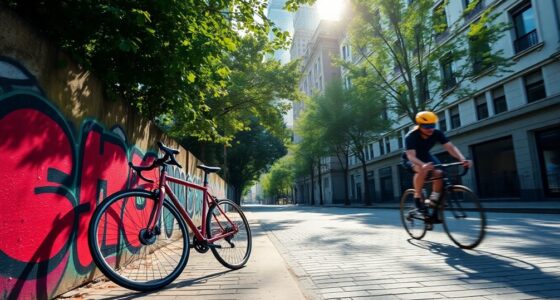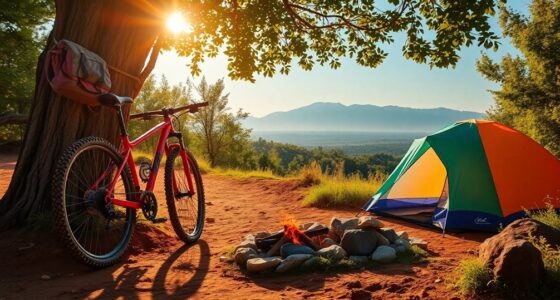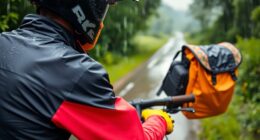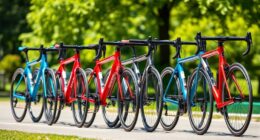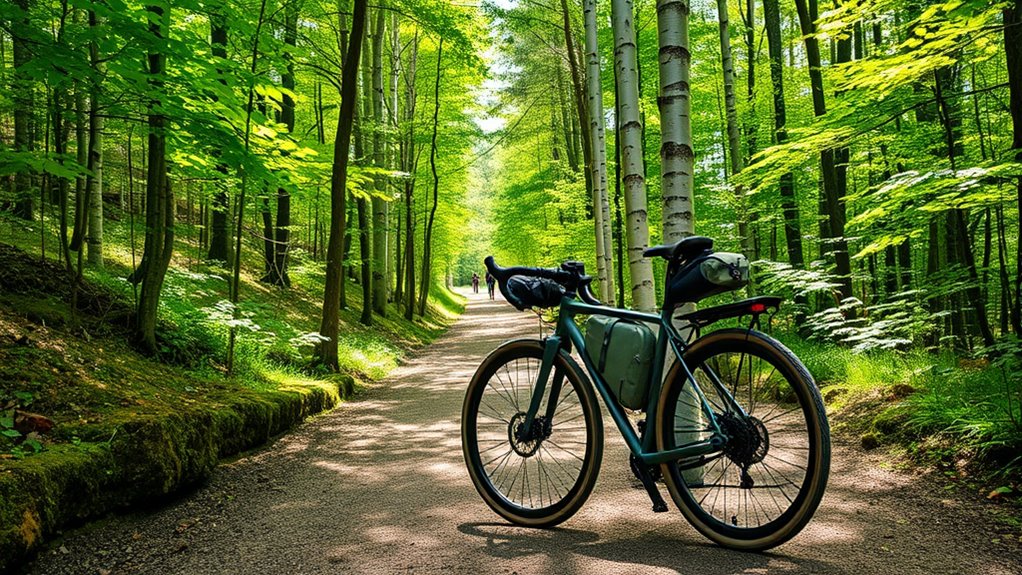
To start light and simple with bikepacking, focus on choosing lightweight, durable gear like versatile clothing, compact shelter, and minimal tools. Plan your route with familiar trails or shorter distances to build confidence, and prioritize essentials such as water, food, and basic navigation. Keep your pack small and avoid overpacking to stay agile. As you gain experience, you’ll learn how to fine-tune your setup and plan better adventures—if you keep exploring, there’s plenty more to discover.

Get your wardrobe favorites delivered free — and shop member deals
- Fast, free delivery on millions of items
- Access to Prime Big Deal Days deals on October 6–7
- Prime Video, Amazon Music and more included
Key Takeaways
- Begin with short, easy routes on familiar terrain to build confidence and experience.
- Choose lightweight, versatile gear focused on essentials like shelter, clothing, and food.
- Use sturdy, minimalistic bags or racks to efficiently carry gear without overpacking.
- Plan routes with clear navigation and consider water sources, terrain, and weather conditions.
- Gradually increase trip complexity to develop skills and refine your gear setup.
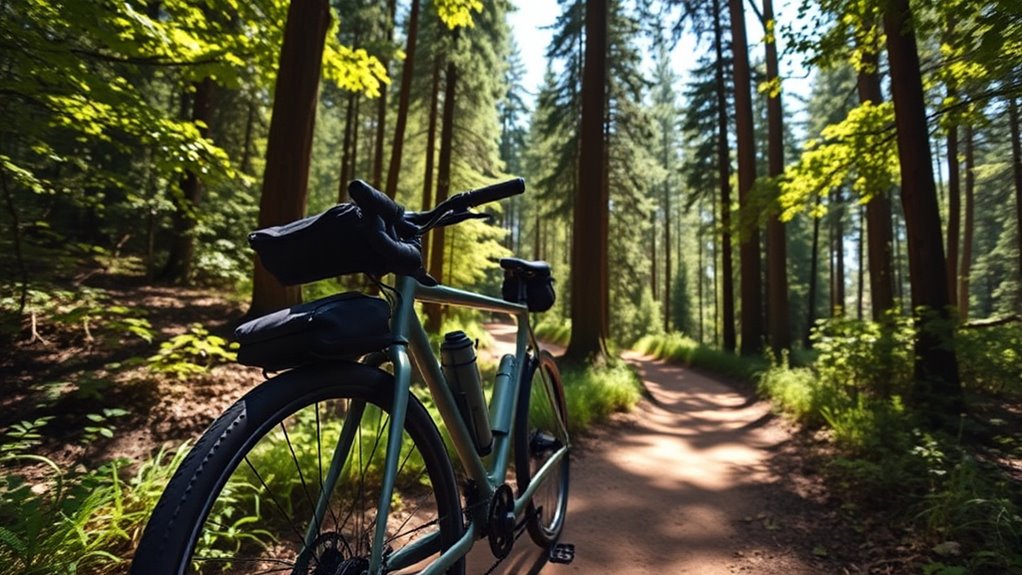
Bikepacking combines cycling and minimalist camping, allowing you to explore remote areas with a sense of adventure and independence. To make the most of your trips, you need to focus on smart gear selection and effective route planning. These two elements are the foundation of a successful, enjoyable adventure, especially when you’re just starting out.
Bikepacking blends cycling with minimalist camping for adventurous, independent exploration—start simple with smart gear and route planning.
When selecting gear, prioritize lightweight, durable, and versatile items. Your bike should be reliable and equipped with sturdy racks or bags that can carry essentials without adding unnecessary weight. Don’t overpack; focus on the basics you’ll need for shelter, clothing, and food. A compact tent or bivvy, a sleeping bag suited for the expected temperatures, and multi-use tools are all smart choices. Think about packing lightweight cookware, a headlamp, and a small first aid kit. Remember, every ounce counts when bikepacking, so choose gear that serves multiple purposes and is easy to carry. Additionally, understanding your equipment’s performance can help you make better choices and improve your overall experience.
Route planning is equally vital. Before your trip, study maps and satellite images to identify routes that match your skill level and interests. Start with shorter, well-marked trails or gravel roads to build confidence and experience. Consider the terrain, elevation changes, and water sources, and plan your campsites along the way. Having a clear plan helps you avoid unnecessary detours and ensures you’re prepared for each segment of your journey. Use GPS devices or smartphone apps designed for cycling to keep track of your route, but always have a paper map as a backup. Planning your route also means understanding the local conditions, such as weather forecasts, trail closures, and potential hazards.
Effective gear selection and route planning go hand-in-hand. For instance, if you choose a rugged route with lots of elevation, you’ll want gear that can handle rough terrain and cooler nights. Conversely, if your route sticks to flatter terrain, you can pack lighter and focus on speed and efficiency. Proper planning helps you conserve energy and avoid surprises, ensuring you stay safe and comfortable.
As a beginner, keep things simple. Stick to familiar routes or areas close to home until you gain more confidence. Focus on learning how your gear performs and how to navigate efficiently. Over time, you’ll develop a sense of what works best for your style and preferences. Ultimately, the key to starting light and simple is preparation—thoughtful gear selection and thorough route planning set the stage for a rewarding bikepacking experience.
As an affiliate, we earn on qualifying purchases.
Frequently Asked Questions
What Are the Best Bike Types for Light Bikepacking?
You should choose a lightweight, durable bike like a gravel or adventure bike for light bikepacking. Opt for a frame made of aluminum or carbon fiber, as these materials are strong yet light. Select tires designed for mixed terrain, such as tubeless or wider tires with good puncture resistance. These choices help you stay nimble, reduce weight, and handle a variety of surfaces comfortably on your bikepacking adventures.
How Do I Choose the Right Gear for Minimalist Packing?
Think of your gear as the heartbeat of your adventure. To choose the right minimalist packing, focus on gear organization—group essentials by function and keep frequently used items accessible. Use packing techniques like compact rolling and multi-purpose gear to save space. Select lightweight, versatile items that serve double duty. By staying intentional and disciplined, you create a streamlined setup that’s easy to manage, ensuring each piece supports your journey without excess.
What Safety Tips Are Essential for Solo Bikepackers?
You should prioritize risk management and emergency preparedness to stay safe on solo bikepacking trips. Always carry a well-stocked repair kit, first aid supplies, and a charged phone with emergency contacts. Share your itinerary with someone trusted, and plan for unpredictable weather. Trust your instincts, avoid risky routes, and stay aware of your surroundings. Preparation and vigilance guarantee you can handle unexpected situations confidently and enjoy your adventure safely.
How Can I Prevent Bike Damage on Rough Terrains?
To prevent bike damage on rough terrains, focus on enhancing bike frame durability by choosing a sturdy frame suited for tough conditions. Opt for high-quality, puncture-resistant tires with appropriate tread for off-road riding. Regularly check and tighten bolts, and carry spare parts like tubes and a pump. This way, you’ll minimize risks of damage and stay confident maneuvering challenging trails.
What Are Recommended Routes for Beginners?
You should choose scenic routes and beginner-friendly trails for your first bikepacking adventure. Look for marked trails with gentle terrains and manageable distances, such as local parks or dedicated bike paths. These routes help you build confidence, enjoy beautiful scenery, and get comfortable with your gear. Always check trail conditions beforehand, bring necessary supplies, and ride at a relaxed pace to make your experience enjoyable and safe.
As an affiliate, we earn on qualifying purchases.
Conclusion
Now that you’re armed with the basics of bikepacking, there’s no limit to where your adventures can take you. Keep it light, keep it simple, and trust your instincts—before you know it, you’ll be gliding through landscapes so breathtaking, they’ll make the Grand Canyon look like a puddle. Remember, every journey begins with a single pedal stroke. So gear up, hit the road, and let your love for exploration turn every ride into a story worth telling.
As an affiliate, we earn on qualifying purchases.
As an affiliate, we earn on qualifying purchases.
Fall Picks
fall essentials
As an affiliate, we earn on qualifying purchases.