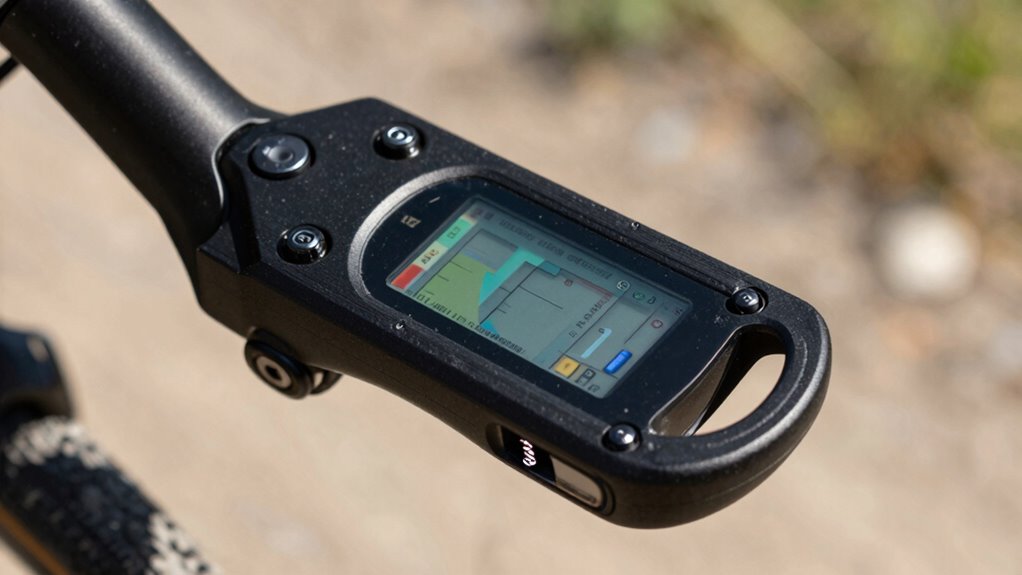

If you’re a cyclist focused on improving performance, power meter pedals provide real-time, precise data that helps you fine-tune your effort and optimize training. You can monitor wattage, identify technique issues, and make quick adjustments on the fly. This level of insight appeals most to those seeking measurable progress and personalized workouts. If you’re curious how this data can transform your rides, there’s more to discover below.

Get your wardrobe favorites delivered free with Prime
- Fast, free delivery on millions of items
- Prime Video, Amazon Music and more included
- Member-only deals all year
Key Takeaways
- Data-driven cyclists seek precise performance metrics to optimize training and track progress effectively.
- Competitive riders rely on real-time power data for strategic decision-making during races.
- Tech-savvy athletes value detailed insights to refine pedaling technique and improve efficiency.
- Motivated cyclists prefer measurable goals and progress tracking to stay focused and engaged.
- Casual riders may prioritize simplicity and comfort over detailed power data for everyday rides.
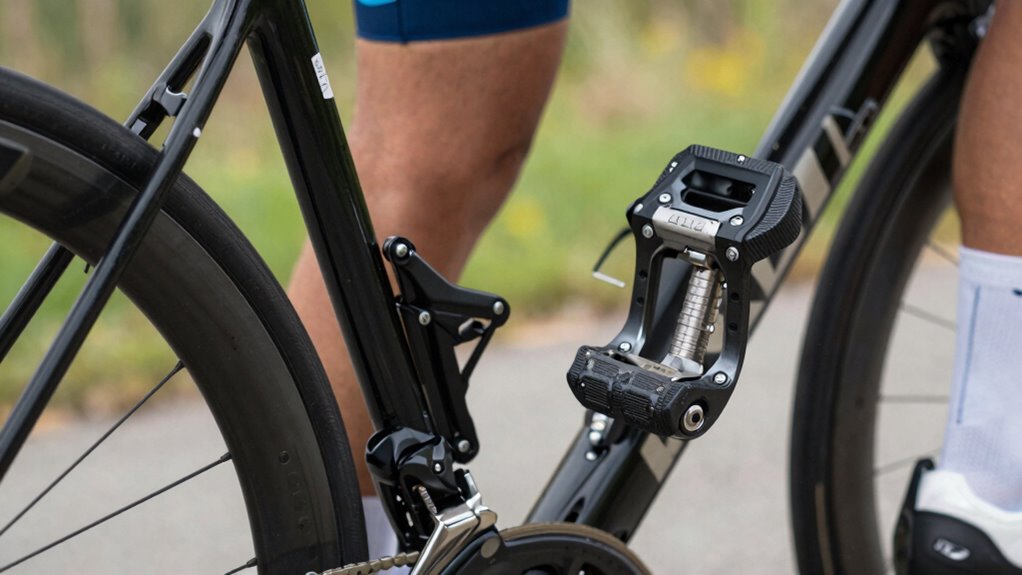
Have you ever wondered how pro cyclists precisely measure their effort during a ride? Power meter pedals make that possible, giving you real-time data on your output and helping you push your performance to the next level. This data appeals to some cyclists more than others because it unleashes opportunities for training optimization and gear efficiency. When you ride with power meter pedals, you gain an accurate understanding of how hard you’re working, not just based on speed or heart rate, but through precise wattage measurements. This insight allows you to tailor your workouts, focus on specific zones, and track progress with confidence.
For anyone serious about improving, data-driven training becomes a game changer. Instead of relying on subjective feelings or averages, you see exactly how many watts you’re generating at any moment. This insight makes your training more effective—you can identify weaknesses, maintain consistent effort, and avoid overtraining. Power meter pedals empower you to set clear, measurable goals, which is a huge advantage if you’re trying to break personal records or prepare for races.
Gear efficiency is another key benefit. Since these pedals measure the power transferred from your legs to the bike, you can identify if your pedaling technique is peak. Are you applying force evenly? Are your pedals smooth and efficient? The data helps you refine your pedal stroke, making every turn of the crank more productive. Over time, this focus on gear efficiency can lead to less fatigue and better energy conservation across long rides. Understanding the power transfer efficiency is crucial for maximizing performance and reducing unnecessary exertion. Additionally, the consistency of wattage measurements over various conditions reinforces confidence in your training data.
Additionally, some cyclists value the accuracy of wattage measurements, which provides a consistent metric regardless of external conditions like wind or terrain. Some cyclists gravitate toward power meter pedals because they value their ability to make quick, informed decisions during rides. Whether you’re climbing a steep hill or sprinting to the finish, having instant power data allows you to adjust effort on the fly. This immediacy can be the difference between maintaining a breakaway or falling behind. Plus, since these pedals are compatible with many bike setups, they’re versatile and convenient, fitting into your existing ride routine with minimal fuss. Moreover, the reliability of data over different riding conditions enhances confidence in your training and racing strategies.
Furthermore, the ease of installation and maintenance makes power meter pedals an accessible upgrade for many cyclists, further increasing their appeal. However, the appeal isn’t universal. Not everyone finds the data motivating or necessary. Some prefer the simplicity of riding by feel or rely on heart rate zones instead. For these cyclists, the extra layer of information may seem overwhelming or unnecessary, especially if they ride purely for leisure. But if you’re driven by tangible progress and want to fine-tune your training, power meter pedals provide a level of insight that can genuinely transform your cycling experience. They turn every pedal stroke into an opportunity for improvement, making your rides smarter, more efficient, and ultimately more rewarding.
Popular right now

Shark NV752 Rotator Powered Lift-Away TruePet Upright Vacuum, Bordeaux

Samsung 48 4K OLED Smart TV (2026) with WireLogic 8ft Ultra High Speed HDMI Cable

Hisense E6SR Series 55-Inch 4K UHD Hi-QLED Roku Smart TV
As an affiliate, we earn on qualifying purchases.
Frequently Asked Questions
How Accurate Are Power Meter Pedals Compared to Other Power Measurement Devices?
Power meter pedals are quite accurate, often matching or surpassing other measurement devices. Their accuracy comparison shows they provide reliable data, especially when calibrated correctly. While some models may have slight variations, pedal-based systems generally offer consistent measurement reliability during rides. You can trust them for detailed insights, but it’s wise to compare different brands and verify proper setup to maximize accuracy and get the most precise data possible.
What Is the Typical Lifespan of Power Meter Pedals?
You wonder about the lifespan of your power meter pedals, and it’s more than just years. Typically, expect about 1,000 to 2,000 hours of riding, depending on battery life and pedal durability. As they age, batteries may need replacing, and components can wear down. If you ride consistently, plan for maintenance. Their longevity hinges on how well you care for them, making each ride a test of endurance.
Are Power Meter Pedals Compatible With All Bike Types?
Power meter pedals aren’t compatible with all bike types. You need to check bike frame compatibility first, especially the crank arm and pedal thread size. Some road or mountain bikes may require specific adapters or different pedal standards. When installing, follow pedal installation tips carefully to guarantee proper fit and functionality. Always verify your bike’s specs before purchasing to avoid compatibility issues and get accurate data from your power meter pedals.
How Do I Calibrate My Power Meter Pedals?
You calibrate your power meter pedals by following specific calibration techniques, which vary slightly depending on pedal compatibility. Typically, you’ll need to guarantee your bike is stationary, then follow the manufacturer’s instructions—often involving pedaling at a certain cadence or applying zero torque. Regular calibration ensures accurate data. Always check your pedal’s user manual for precise steps, as pedal compatibility can influence calibration procedures and results.
Do Power Meter Pedals Significantly Affect Bike Weight?
Sure, power meter pedals definitely add a tiny bit of weight—probably less than your favorite snack. While they do increase your bike weight marginally, the power measurement benefits often outweigh that minimal difference. You might not notice the extra grams during a ride, but you’ll love tracking your performance. So, if precision matters more than a few grams, power meter pedals are worth the slight weight gain for better data.
Conclusion
Power meter pedals turn your bike into a crystal ball, revealing the secret language of your riding. If you love data and crave constant improvement, they’re your personal coach whispering invaluable insights. But if you prefer riding free, without numbers dictating your rhythm, they might feel like a weight around your pedals. Ultimately, whether they’re your guiding star or just a shiny accessory depends on how much you trust the compass of data to steer your cycling journey.