To adjust your bike for comfort, start by setting your saddle height so your heel touches the pedal at the bottom of the stroke with your leg fully extended; then, fine-tune it so your knee’s slightly bent during riding. Next, position the saddle forward or back so your knee aligns over the pedal center. Adjust handlebar height for a relaxed posture, and check your reach to prevent overstretching. Keep in mind, small tweaks can greatly enhance your ride—continue to explore these adjustments for a perfect fit.
Key Takeaways
- Ensure your saddle height allows your leg to be fully extended at the bottom of the pedal stroke with a slight knee bend.
- Position the saddle fore-aft so your forward knee is over the center of the pedal at 3 o’clock.
- Keep the saddle level or slightly nose-down to distribute weight evenly and reduce stress.
- Adjust handlebar height to keep shoulders relaxed and avoid neck or back strain.
- Regularly reassess and fine-tune your bike fit to maintain comfort and prevent overuse injuries.
Getting your bike fit right is vital for comfort, efficiency, and preventing injuries. When you ride, every part of your bike should feel natural, allowing you to pedal smoothly and maintain good posture without unnecessary strain. If your bike isn’t properly adjusted, you might experience discomfort in your knees, hips, back, or shoulders, which can sap your energy and make riding less enjoyable. Fortunately, making a few straightforward adjustments can dramatically improve your riding experience.
Proper bike fit enhances comfort, efficiency, and prevents injuries during your ride.
Start by paying attention to your saddle height. When you sit on your bike, place your heel on the pedal and pedal backward. Your leg should be fully extended at the bottom of the pedal stroke. This position ensures your knee remains slightly bent when your foot is in the normal riding position, preventing overextension that can cause knee pain. If you feel like you’re stretching or your hips are rocking side to side, the saddle may be too high or too low. Adjust the saddle height accordingly, then recheck until your leg extension feels natural and comfortable. Proper saddle height is essential for minimizing overuse injuries and promoting efficient pedaling.
Next, consider saddle fore-aft position. Sit on your bike and place your hands on the handlebars, then pedal as if you were riding. Your forward knee should be roughly over the center of the pedal when your foot is at the 3 o’clock position. If your knee shifts forward or back substantially from this point, adjust the saddle position accordingly. Proper fore-aft alignment helps distribute your weight evenly and reduces undue stress on your knees and hips. Also, ensure your saddle angle is level or slightly nose-down to prevent discomfort during longer rides. Correct saddle positioning can also influence your overall cycling biomechanics and comfort.
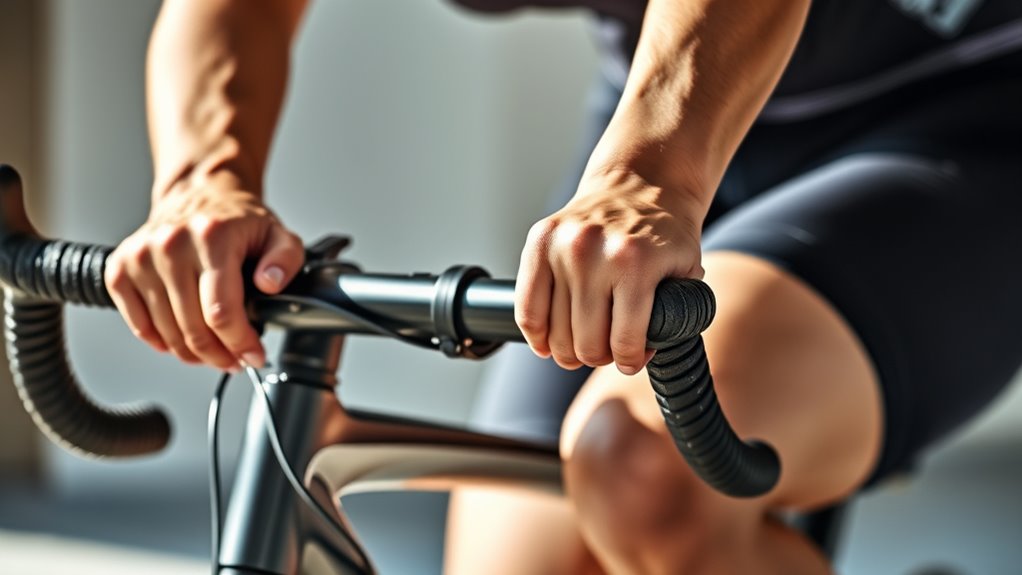
Handlebar height also plays an essential role in comfort. If your handlebars are too low, you’ll tend to hunch over, straining your neck and lower back. Raising the handlebars can alleviate this, especially if you experience discomfort or fatigue in your upper body. Conversely, lowering them slightly can improve aerodynamics for racing, but only if you can maintain comfort. Find a position that allows you to keep your back at a gentle angle and your shoulders relaxed. Adjusting handlebar position can significantly improve your riding posture and reduce fatigue.
Finally, check your reach to the handlebars. If you’re stretched out too far or feel cramped, adjust the stem length or handlebar position. Your elbows should be slightly bent with your hands comfortably on the grips, avoiding overstretching or feeling cramped. Small adjustments here can make a big difference in how you feel after a ride. Remember that bike fit is an ongoing process, and minor tweaks can greatly enhance your comfort and performance. Regularly reassessing your setup can help prevent discomfort and improve your overall riding experience.

Shcobomo Bicycle Bike Seat Cushion Height Measuring Tool, Precision Gauge for MTB & Road Bike Saddle Adjustment, Magnetic Height Adjustment Tool for Cycles, Universal Fit for All Bike Types
Scientific Measurement for Optimal Riding: With the MTB road bike saddle measure tool, quickly and precisely find your…
As an affiliate, we earn on qualifying purchases.
As an affiliate, we earn on qualifying purchases.
Frequently Asked Questions
How Often Should I Reassess My Bike Fit?
You should reassess your bike fit whenever you notice discomfort, pain, or changes in your riding routine. Regularly check your position, especially after a long ride or upgrade to new components. If you experience persistent soreness, fatigue, or your flexibility or strength changes, it’s time to revisit your adjustments. Typically, every few months or after several hundred miles, a quick reassessment can help maintain comfort and prevent injuries.
Can Bike Fit Adjustments Improve Cycling Performance?
You’re asking if bike fit adjustments can boost your cycling performance. The answer is a resounding yes! When your bike fits you properly, you’ll ride more efficiently, reduce fatigue, and prevent injuries. Think of it as hitting two birds with one stone—comfort and speed. Regular tweaks ensure your position stays *ideal* as your body changes or your riding style evolves, giving you that extra edge on every ride.
What Tools Are Needed for a Professional Bike Fit?
To get a professional bike fit, you’ll need a few key tools. A set of Allen wrenches is essential for adjusting components like the saddle and handlebars. A tape measure helps with precise measurements, and a plumb bob or level guarantees proper alignment. Some shops also use a goniometer or fit station with sensors for detailed data. These tools help ensure your bike fits perfectly for comfort and performance.
How Do I Tell if My Bike Fit Is Causing Discomfort?
If your bike fit is causing discomfort, you’ll notice pain or numbness in your hands, feet, knees, or back after riding. You might also feel excessive pressure on certain areas or experience cramping. Pay attention to your body’s signals, and if discomfort persists, it’s a sign you should revisit your bike setup. Making small adjustments can often improve comfort and prevent long-term issues.
Are Custom Bike Fits Worth the Investment?
Considering a custom bike fit might seem costly, but it can considerably boost your comfort and cycling confidence. When you invest in a tailored fit, you’re ensuring ideal posture, power, and pain prevention. If you’re serious about cycling, a personalized adjustment pays off by prolonging your rides and preventing injuries. Ultimately, if you’re passionate about your pedaling performance, a custom fit’s worth the weight in comfort and confidence.

Wittkop Bike Grips with Innovative 3-Zone Design Made in Germany I Ergonomic Design with Non-Slip, Comfort, and EFC Zones for Optimized Grip & Comfort I Bike Grips Handlebar
ERGONOMIC 3-ZONE DESIGN with non-slip area, comfort area, and EFC area for enhanced grip and comfort. So you…
As an affiliate, we earn on qualifying purchases.
As an affiliate, we earn on qualifying purchases.
Conclusion
Now that you know the essentials of bike fitting, you’ll find yourself gliding smoothly, feeling more comfortable with each ride. Imagine effortlessly cruising along a quiet trail, the wind gently brushing your face, your bike perfectly adjusted to your body. It’s no coincidence that a good fit transforms your ride into pure joy. Just a little tweak here and there, and suddenly, cycling feels easier, more natural—like it was made just for you.

Bicycle Bike Seat Cushion Height Measuring Tool Fitting Measurement Gauge
Scientific Measurement for Optimal Riding: With the MTB road bike saddle measure tool, quickly and precisely find your…
As an affiliate, we earn on qualifying purchases.
As an affiliate, we earn on qualifying purchases.

Comfortable Seat Cushion for Men Women with Dual Shock Absorbing Ball Memory Foam Waterproof Wide Bicycle Saddle Fit for Road Bikes
★DOUBLE SHOCK ABSORBING BALL★The two shock absorbing balls placed beneath the bicycle seat ensure absorbing the shocks coming…
As an affiliate, we earn on qualifying purchases.
As an affiliate, we earn on qualifying purchases.