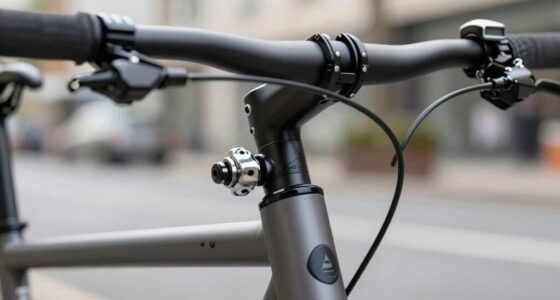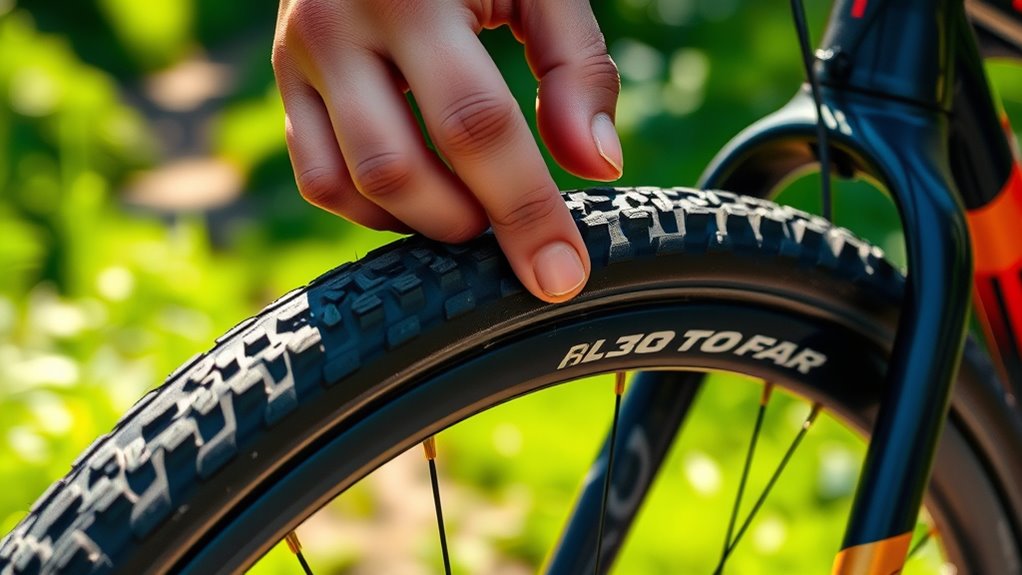

To pick the right tires for your bike, consider your riding style and terrain. Match your tire size to your rims and frame for compatibility, and choose tread patterns suited for your surface—slicks for pavement, knobby for off-road. Think about materials and puncture resistance for durability, and balance your budget with quality options. If you want to know how to fine-tune your choices, keep exploring for detailed tips tailored to your ride.

Get your wardrobe favorites delivered free with Prime
- Fast, free delivery on millions of items
- Prime Video, Amazon Music and more included
- Member-only deals all year
Key Takeaways
- Match tire size to your rims and frame to ensure proper fit and handling.
- Choose tread patterns suited to your terrain, such as slicks for pavement or knobby tires for off-road.
- Consider your riding style—speed, comfort, or stability—and select tires accordingly.
- Prioritize quality and puncture resistance for durability and safer riding experiences.
- Balance your budget with tire features that meet your performance needs and terrain requirements.

Selecting the right tires for your bike is vital to guarantee a smooth and safe ride. The tires you choose directly impact how your bike performs, feels, and handles different terrains. When you’re shopping for new tires, consider your typical riding style and the conditions you encounter most often. Whether you’re commuting through city streets, tackling rugged trails, or enjoying leisurely weekend rides, the right tires can make a substantial difference in your overall experience.
First, think about the tire size. This is usually printed on the sidewall of your current tires. Going with the same size ensures compatibility with your rims and frame. If you’re considering a different size, make sure it fits your bike without rubbing or causing handling issues. The width of your tires influences comfort, grip, and rolling resistance. Narrower tires tend to be faster and more efficient on smooth surfaces, making them ideal for road cycling. Wider tires, on the other hand, offer better stability and comfort on rough or uneven terrain, perfect for mountain biking or gravel riding.
Next, consider the tire tread pattern. Smooth, slick tires are best for pavement, providing minimal rolling resistance and maximum speed. They give you a quick, effortless ride on flat, smooth surfaces. If you venture off-road, look for tires with more aggressive tread patterns that provide better traction. Knobby tires with deep lugs grip loose dirt, gravel, and mud effectively, preventing slips and enhancing control. Hybrid tires strike a balance, featuring a semi-slick center for speed and knobby edges for off-road grip, making them versatile options if your rides vary between pavement and trails. Additionally, understanding the tire construction can help you choose tires that balance weight, durability, and performance for your specific needs. Modern tire technology also offers options for enhanced puncture resistance and longevity. Selecting tires with the appropriate tire pressure recommendations ensures optimal performance and safety during rides.
Material quality also plays a vital role. Higher-quality tires often have stronger sidewalls and more durable rubber compounds, which resist punctures and wear. Consider tires with puncture-resistant layers or Kevlar belts if you frequently ride in areas with debris or rough surfaces. These features help prevent flats and extend the lifespan of your tires, saving you money and hassle in the long run. Additionally, proper tire inflation is crucial for maintaining optimal performance and preventing premature wear. Ensuring correct pressure enhances ride comfort and efficiency, and can significantly reduce the risk of flats.
Furthermore, understanding French Press Operation and how different brewing methods impact flavor can be analogous to selecting tires suited for specific conditions—choosing the right method or tires enhances your overall experience. Match your choice to your riding goals. If you prioritize speed and efficiency, opt for lightweight, narrow tires with slick treads. For comfort and stability on rough terrain, choose wider tires with more aggressive tread patterns. Always balance your budget with quality; investing in better tires can considerably improve your riding experience and safety. Remember, the right tires are an investment in your comfort, performance, and safety, so take the time to select the ones that best fit your riding style and terrain.
As an affiliate, we earn on qualifying purchases.
Frequently Asked Questions
How Often Should I Replace My Bike Tires?
You should replace your bike tires when they show signs of significant wear, cracks, or embedded debris, usually every 2,000 to 3,000 miles. Regularly check for thinning tread or bulges, which indicate it’s time for a change. If you ride frequently or on rough terrain, you might need to replace them sooner. Staying attentive to tire condition helps prevent flats and ensures a safer, smoother ride.
Can I Mix Different Tire Types on the Same Bike?
Mixing different tire types on your bike isn’t usually recommended. You might encounter handling issues, uneven wear, or reduced grip. If you do decide to mix, verify both tires are compatible in size and pressure. Check your bike’s manufacturer guidelines first. Normally, sticking to the same type, tread, and brand on each wheel gives you better performance, safety, and a smoother ride.
What’S the Best Way to Store Spare Bike Tires?
You should store spare bike tires in a cool, dry place away from direct sunlight and extreme temperatures. Keep them upright or lying flat to prevent deformation. Avoid exposure to chemicals or sharp objects that could damage the rubber. It’s best to keep them in a breathable bag or container, and check periodically for signs of aging or damage. Proper storage guarantees your spares stay in good shape for when you need them.
How Do I Know if My Tires Are Properly Inflated?
To verify if your tires are properly inflated, start by looking at the sidewall for the recommended PSI. Use a reliable gauge to measure the pressure, making sure it matches that number. You should also feel some resistance when squeezing the tires—if they feel too soft or too hard, adjust the pressure accordingly. Regularly checking your tire pressure helps prevent flats and ensures a smooth, safe ride.
Are Tubeless Tires Suitable for All Bike Types?
Imagine you’re upgrading your mountain bike; tubeless tires are a great choice because they reduce flats and allow lower pressures for better grip. While they work well for many bikes, they aren’t suitable for all, like some older or budget models that lack compatible rims or sealant systems. Always check your bike’s specifications first, but generally, tubeless tires fit most modern mountain and road bikes.
As an affiliate, we earn on qualifying purchases.
Conclusion
Now that you know how to pick the perfect tires, your bike will transform into a unstoppable beast on the road or trail. No more slipping, sliding, or worries—just pure, adrenaline-pumping speed and control. With the right tires, you’ll conquer mountains, crush city streets, and leave everyone in the dust. Get ready to feel like a superhero on two wheels, because the ride of your life starts with the perfect tires. Go dominate your ride today!
As an affiliate, we earn on qualifying purchases.
hybrid bike tires for mixed terrain
As an affiliate, we earn on qualifying purchases.
As an affiliate, we earn on qualifying purchases.
Halloween Picks
halloween
As an affiliate, we earn on qualifying purchases.