Choosing between photochromic and interchangeable lenses depends on your city lifestyle. Photochromic lenses automatically adapt to light changes, offering convenience and continuous UV protection without swapping. Interchangeable lenses let you customize tints for different activities but require manual swapping and carrying multiple pairs. Both boost style and functionality, but understanding their differences helps you pick the best for your urban needs. Keep going to discover which option suits your city adventures best.
Key Takeaways
- Photochromic lenses automatically adjust tint based on UV exposure, offering convenience for urban use, while interchangeable lenses require manual swapping.
- Interchangeable lenses allow customization with specific tints for different activities, whereas photochromic lenses provide seamless, all-day adaptability.
- Photochromic lenses tend to be more durable and longer-lasting, reducing the need for frequent replacements compared to interchangeable options.
- Interchangeable lenses are cost-effective initially but may incur higher long-term costs due to multiple sets and replacements.
- Both lens types can be styled to match urban fashion, but photochromic lenses offer a sleek, effortless look with minimal maintenance.
How Do Photochromic and Interchangeable Lenses Work?
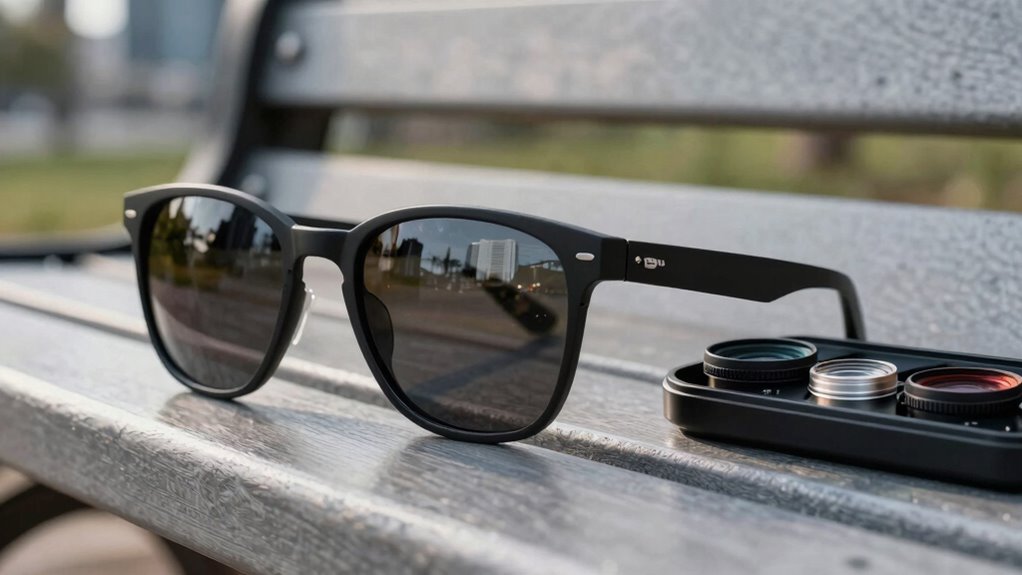
Understanding how photochromic and interchangeable lenses work is key to choosing the right option for your needs. Photochromic lenses automatically adapt to changing light conditions by darkening or clearing based on UV exposure, providing seamless lens customization. This change is achieved through special molecules embedded in the lens material that react to sunlight. Interchangeable lenses, on the other hand, allow you to manually swap out lenses designed for specific conditions, giving you control over optical performance. This method is ideal if you want tailored options for different environments. Both approaches enhance your visual experience, but they operate differently. Photochromic lenses focus on convenience with automatic adjustments, while interchangeable lenses offer flexibility through user-controlled customization. Your choice depends on your preferences for ease and optical precision. Additionally, lens technology continues to evolve, offering improved durability and performance for various outdoor activities. Modern advancements also include UV protection features that further safeguard your eyes during outdoor use.
Which Lens Type Offers Better Convenience and Functionality in the City?
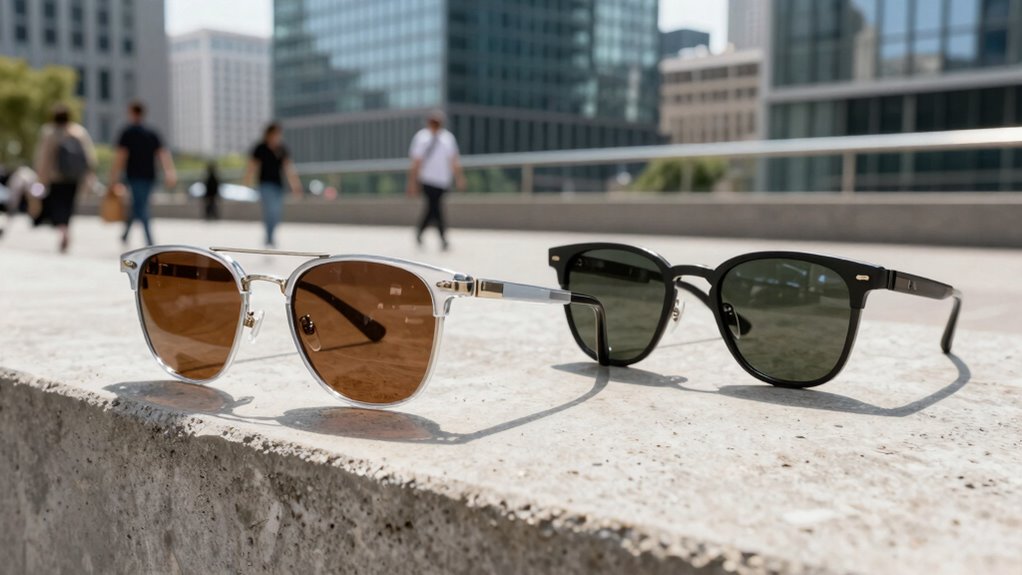
When it comes to city living, convenience and quick adaptability are essential, making photochromic lenses particularly appealing. They automatically adjust to changing light conditions, providing UV protection without needing to switch glasses. This saves you time and effort, especially during unpredictable weather or frequent shifts between indoors and outdoors. Plus, photochromic lenses often come in styles that match various fashion preferences, ensuring style compatibility. Interchangeable lenses, on the other hand, require you to carry multiple pairs or switch lenses manually, which can be less convenient in busy urban settings. While they might offer specific benefits like specialized lenses for different activities, for everyday city use, photochromic lenses deliver superior convenience and functionality by combining UV protection with seamless style adaptability. Additionally, durability concerns may influence your choice, as photochromic lenses tend to be more robust against scratches and wear in daily use. Their light-reactive technology also ensures consistent performance across various environments, making them a reliable option for city dwellers. Moreover, understanding the lens technology behind these options can help you make a more informed decision suited to your lifestyle. For example, advancements in photochromic coatings continue to enhance their speed and clarity, further increasing their appeal for urban wear.
How Do These Lenses Affect Visual Clarity and Sight?
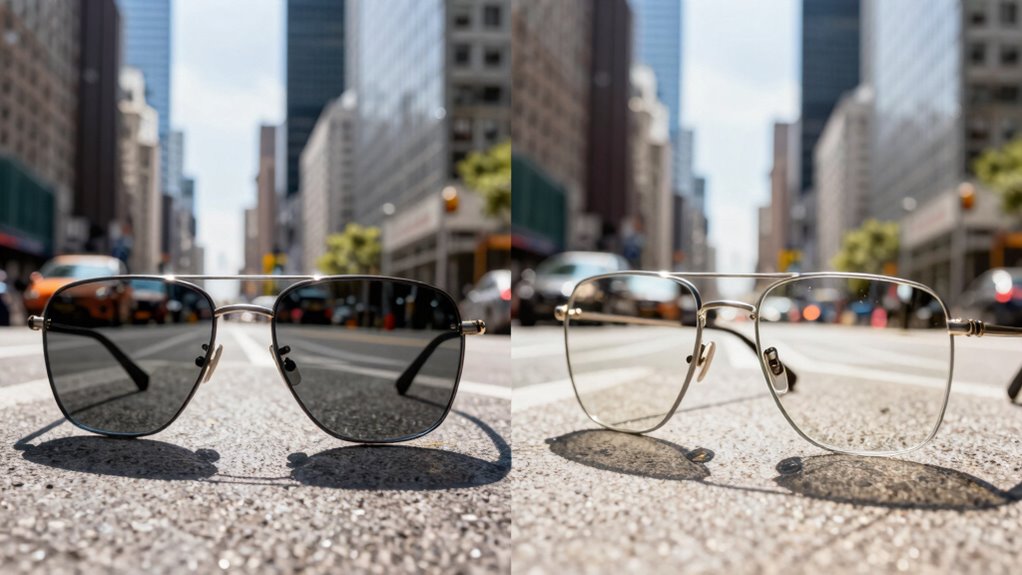
Photochromic and interchangeable lenses both impact how clearly you see your surroundings, but they do so in different ways. Lens tinting plays a key role here—photochromic lenses automatically adjust their tint based on light conditions, reducing glare and improving contrast in varying environments. This dynamic tinting feature enhances visual clarity but may slightly dim your view in low-light situations. Interchangeable lenses, on the other hand, offer specific tints designed for different conditions, allowing you to select the best option for each activity. Both lens types provide UV protection, safeguarding your eyes from harmful rays. However, the Lens tinting and how well it adapts or matches your environment directly affect your ability to see clearly and comfortably throughout your day. Additionally, the light adaptation capability of photochromic lenses can influence your overall visual experience, especially when transitioning between different lighting environments. Proper lens maintenance ensures these features remain effective and your vision stays sharp across all conditions. Consistent care can also extend the lifespan of your lenses, maintaining their performance over time.
What Are the Durability and Maintenance Needs of Each Lens Type?
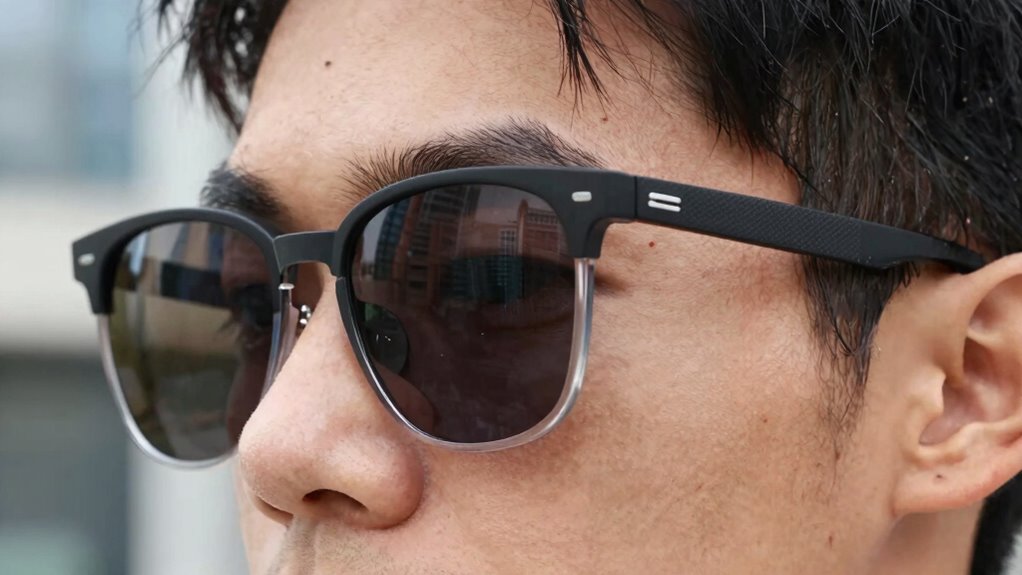
Both photochromic and interchangeable lenses require proper care to stay in good condition, but their maintenance needs differ. Photochromic lenses generally need gentle cleaning and careful handling to preserve their tinting ability, while interchangeable lenses demand regular cleaning and proper storage to prevent damage. Understanding their longevity and resistance to wear helps you choose the best option for your lifestyle. Additionally, using simple tools like BTU and CADR quick-calculators can assist in evaluating the durability of comfort devices associated with your eyewear. Proper lens protection can extend the lifespan of both lens types and ensure optimal performance over time.
Maintenance Requirements and Care
Interchangeable lenses generally require less upkeep because you can easily swap them out if they become scratched or damaged, but they still need proper cleaning and storage to stay in top condition. To maintain lens clarity and ensure smooth lens customization for your style coordination, follow these tips:
- Clean lenses with a microfiber cloth to prevent scratches.
- Store them in a protective case when not in use.
- Avoid exposing lenses to extreme heat or chemicals.
- Regularly check and tighten any attachment mechanisms to keep lenses secure.
Photochromic lenses, on the other hand, require gentle cleaning and avoiding abrasive materials to preserve their changing capabilities. Proper maintenance helps maximize their lifespan and performance, keeping your sunglasses looking sharp and functioning properly.
Longevity and Wear Resistance
When considering the durability of your lenses, understanding how each type withstands daily wear and tear can help you choose the right option. Photochromic lenses generally have solid material durability, but their UV protection can diminish over time if the coating degrades. Photochromic coating quality plays a significant role in the longevity of these lenses. Regular inspections and proper cleaning can help maintain their coating integrity, ensuring consistent performance over time. Interchangeable lenses often feature tough, impact-resistant materials that maintain their UV protection longer, especially with proper care. Both lens types are designed to endure regular use, but photochromic lenses may be more prone to scratching or coating damage, requiring careful handling. Interchangeable lenses allow for replacement if damaged, extending overall longevity. Additionally, credit card security measures are essential to protect payment data during purchases, emphasizing the importance of choosing durable and secure lens options. Ultimately, your choice depends on how well each lens maintains UV protection and material integrity under your daily conditions. Proper maintenance can considerably prolong their wear resistance and lifespan.
How Can You Match Lens Styles and Versatility to Your Urban Look?
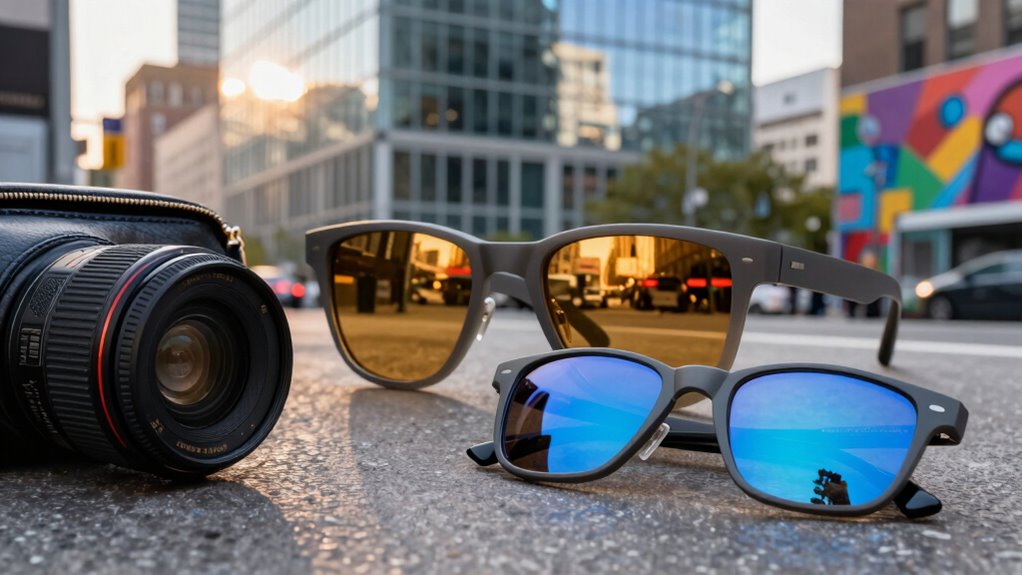
To seamlessly blend your lenses with your urban style, consider how their design and functionality complement your daily activities. Lens customization allows you to select styles that suit your personality, whether sleek, bold, or minimalist. Fashion coordination helps guarantee your sunglasses match your overall look, from casual streetwear to professional attire. Incorporating lens materials that balance durability and style can enhance both the practicality and aesthetic of your sunglasses. Additionally, choosing lens styles that reflect your personal vibe ensures your eyewear remains an expression of your unique urban identity. Exploring lens versatility**** options can further elevate your ability to adapt your look for different settings.
Which Lens Fits Your Budget? Cost Considerations for Photochromic and Interchangeable Options

When choosing between photochromic and interchangeable lenses, cost is a key factor to contemplate. You’ll want to compare the initial purchase price, ongoing maintenance, and how often you’ll need replacements. Understanding the long-term value helps you pick the option that fits your budget and lifestyle best.
Initial Purchase Cost
Initial purchase costs can considerably influence your choice between photochromic and interchangeable lenses. Photochromic lenses typically have a higher upfront price, but they offer convenience by adapting to changing light conditions. Interchangeable lenses often cost less initially but require purchasing multiple sets for different styles or conditions. When considering your budget, keep in mind:
- The current fashion trends that may demand specific lens styles or colors
- The brand reputation, which can profoundly affect price and perceived quality
- The overall cost of accessories or additional components needed
- Long-term value and durability of each lens type
- Lens versatility, which can significantly impact your overall satisfaction and the longevity of your investment. Additionally, evaluating the initial investment required for each option can help you make a more informed decision based on your budget and long-term needs. Considering the cost-effectiveness of each type can further aid in selecting an option that balances affordability with quality. Incorporating long-term durability considerations can also influence your decision, as more durable lenses may offer better value over time.
Maintenance and Replacement
Maintaining and replacing lenses can considerably impact your overall costs, influencing which option suits your budget best. Regular lens cleaning is essential to keep your sunglasses in top condition and prevent damage, especially for photochromic lenses that may require gentle cleaning to preserve their tinting properties. Proper storage solutions also play a key role; storing lenses in protective cases minimizes scratches and extends their lifespan. Interchangeable lenses might need more frequent replacements if you switch styles often, increasing costs over time. Photochromic lenses tend to last longer but can be pricier to replace if damaged. Additionally, understanding the lens durability can help you choose the most cost-effective option for your needs. By investing in good cleaning habits and suitable storage, you can maximize the lifespan of both lens types, helping you make smarter, more cost-effective choices for your sunglasses. Regular assessments of lens quality can further prevent unnecessary replacements and save money in the long run.
Long-Term Value
Choosing the right lenses for your budget involves understanding both their upfront costs and long-term expenses. Photochromic lenses may have a higher initial price, but they save you money by eliminating the need for multiple pairs, aligning with current fashion trends for versatile accessories. Interchangeable lenses often cost less upfront but can add up over time with replacements and maintenance. Consider these factors:
- Durability and longevity, impacting how often you replace lenses
- Fashion trends, influencing the versatility and style of your eyewear
- Environmental impact, with photochromic lenses reducing waste by lasting longer
- Cost efficiency over time, balancing initial investment against ongoing expenses
Ultimately, your choice depends on your budget and values, especially regarding sustainability and staying trendy.
Are These Lenses Suitable for Different Urban Activities and Weather Conditions?
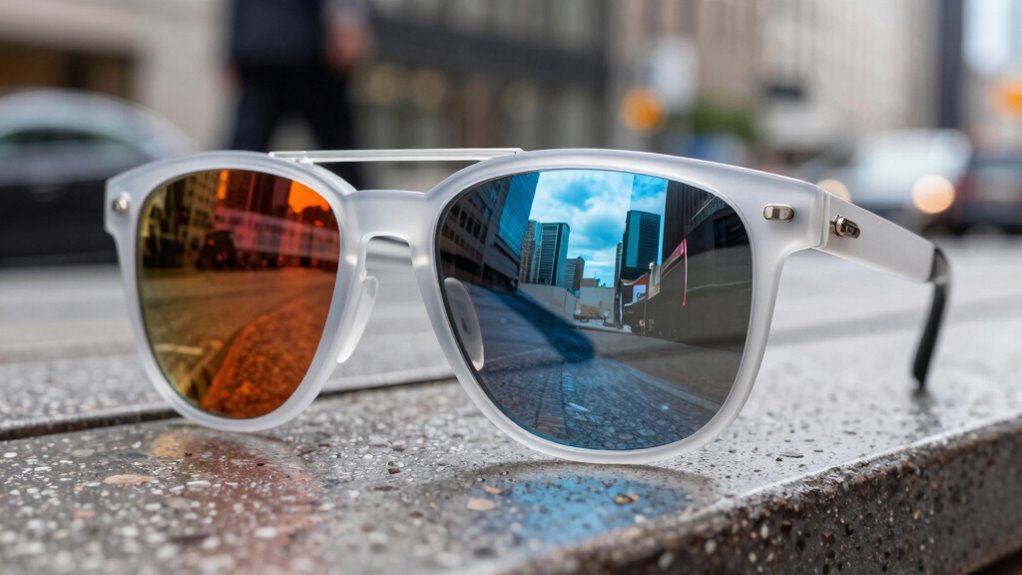
Both photochromic and interchangeable lenses can adapt to various urban activities and weather conditions, but their effectiveness depends on the specific scenario. Photochromic lenses automatically adjust their tint, providing excellent UV protection in changing light, making them ideal for outdoor city adventures and unpredictable weather. Interchangeable lenses offer tailored options for different conditions, such as clear lenses for cloudy days or polarized options for bright sunlight, ensuring ideal UV protection and enhanced vision. Regarding fashion compatibility, photochromic lenses deliver a sleek, seamless look that suits any outfit, while interchangeable lenses give you the flexibility to match your style with different lens colors. Overall, both options support versatility in urban settings, but your choice depends on how quickly you need to adapt and your style preferences.
What Are the Pros and Cons of Photochromic vs Interchangeable Lenses?

When comparing photochromic and interchangeable lenses, each offers distinct advantages and drawbacks that can influence your choice. Photochromic lenses adapt to changing light, providing convenience and seamless shift, making them popular in current fashion trends. However, they may react slower in colder temperatures and don’t always block 100% UV rays. Interchangeable lenses give you the flexibility to switch based on weather or activity, allowing you to customize your look and optimize lens technology. Yet, they can be less practical, requiring effort to swap and risking damage or loss.
Consider these factors:
- Convenience vs customization
- Adaptability to weather
- Style consistency with fashion trends
- Maintenance and durability
Which Lens Type Is Best for Your Urban Lifestyle? Making the Right Choice
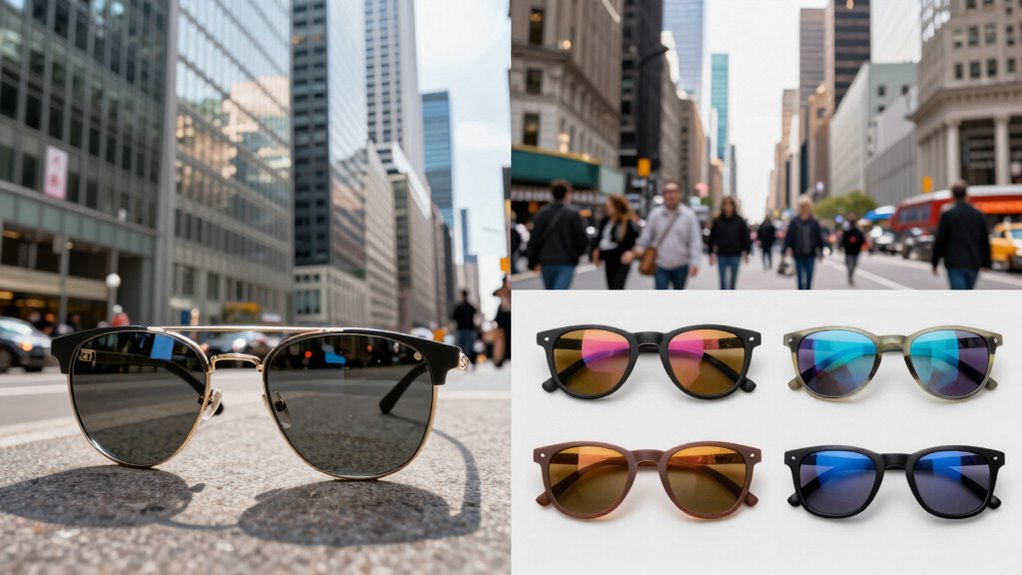
Living in an urban environment often means maneuvering a variety of lighting conditions, from bright streetlights to shaded alleyways. To keep up with fashion trends and stay comfortable, choosing the right lens type is key. Photochromic lenses adapt automatically, adjusting their tint based on light exposure, making them perfect for dynamic city life. They also incorporate the latest technological innovations, ensuring quick shifts and clear vision. Interchangeable lenses, however, give you flexibility to switch between styles and tints, aligning with evolving fashion trends and specific needs like sunglasses or clear glasses. Consider your daily routine and style preferences. If you want convenience and modern tech, photochromic lenses are ideal. For customization and trend-setting looks, interchangeable lenses might be your best choice.
Frequently Asked Questions
Can Photochromic and Interchangeable Lenses Be Customized for Specific Urban Activities?
Yes, you can customize photochromic and interchangeable lenses for specific urban activities. Activity-specific customization enhances urban environment adaptation by tailoring lens features like tint, polarization, and frame style to your needs. For example, you might choose photochromic lenses that adapt to changing light conditions during city commutes or interchangeable lenses optimized for cycling or running. This personalization helps you stay comfortable and protected in diverse urban settings.
How Do Lens Coatings Impact Performance and Longevity in City Environments?
Lens coatings considerably boost performance and longevity in city environments by enhancing lens durability and reducing scratches and smudges. They also protect against glare and UV rays, improving vision clarity. To maintain their benefits, you should regularly clean the coatings and avoid harsh chemicals. Proper coating maintenance ensures your sunglasses stay effective longer, withstand daily wear, and keep your vision sharp amid urban distractions.
Are There Safety Considerations When Switching Lenses Frequently in Urban Settings?
As you switch lenses in bustling city streets, you risk lens contamination from dust and smudges or accidental damage from hurried handling. To stay safe, handle lenses carefully, keep them clean, and avoid rushing. Always store them properly when not in use. This mindful approach prevents scratches or damage, ensuring your lenses remain clear and reliable, so you can focus on maneuvering the urban landscape confidently and safely.
What Are the Environmental Impacts of Manufacturing Photochromic Versus Interchangeable Lenses?
When considering environmental impacts, manufacturing emissions for photochromic lenses tend to be higher due to complex chemical processes involved, compared to interchangeable lenses which are simpler to produce. Recycling challenges also differ; photochromic lenses contain chemicals that complicate recycling, while interchangeable lenses are easier to separate and recycle. You should weigh these factors, as both options have distinct environmental footprints based on their manufacturing and disposal processes.
How Do Lens Options Influence Overall Sunglasses Weight and Comfort During Daily Wear?
Imagine slipping on sunglasses that feel almost weightless, with lenses seamlessly fitting your frame. Lighter lens materials and compatible frames reduce overall weight, making daily wear more comfortable. Interchangeable lenses tend to be lighter since they’re designed for easy swaps, while photochromic lenses may add a bit of bulk due to their technology. Your choice impacts comfort, so prioritize lightweight materials and frame compatibility to enjoy all-day ease.
Conclusion
So, whether you’re chasing the sun with photochromic magic or swapping lenses like a fashionista on steroids, remember: the perfect urban sunglasses are less about tech and more about your style ego. Choose wisely, or risk looking like you borrowed your grandma’s glasses—or worse, missing that epic city view. After all, your eyes deserve the best, even if your sense of fashion doesn’t. Happy lens hunting—may your style be as sharp as your vision!