
Removable batteries make maintenance easier since you can swap or inspect them without tools, reducing repair costs and device downtime. Built-in, frame-integrated batteries are harder to access, often requiring professional help for repairs or replacements, which increases costs and complexity. Proper upkeep of removable batteries extends their lifespan and makes recycling straightforward, while built-in batteries pose challenges for repairs and environmental sustainability. If you want to explore how these designs impact long-term care, keep exploring the details.
Key Takeaways
- Removable batteries allow quick, tool-free replacement, reducing device downtime and simplifying maintenance tasks.
- Frame-integrated batteries require disassembly and specialized skills, increasing repair complexity and cost.
- Proper maintenance of removable batteries includes cleaning contacts and monitoring health, extending lifespan.
- Recycling removable batteries is easier, supporting environmental sustainability and reducing e-waste.
- Built-in batteries often need professional servicing, which can lead to longer repair times and higher expenses.
What Are Removable and Frame-Integrated Batteries?
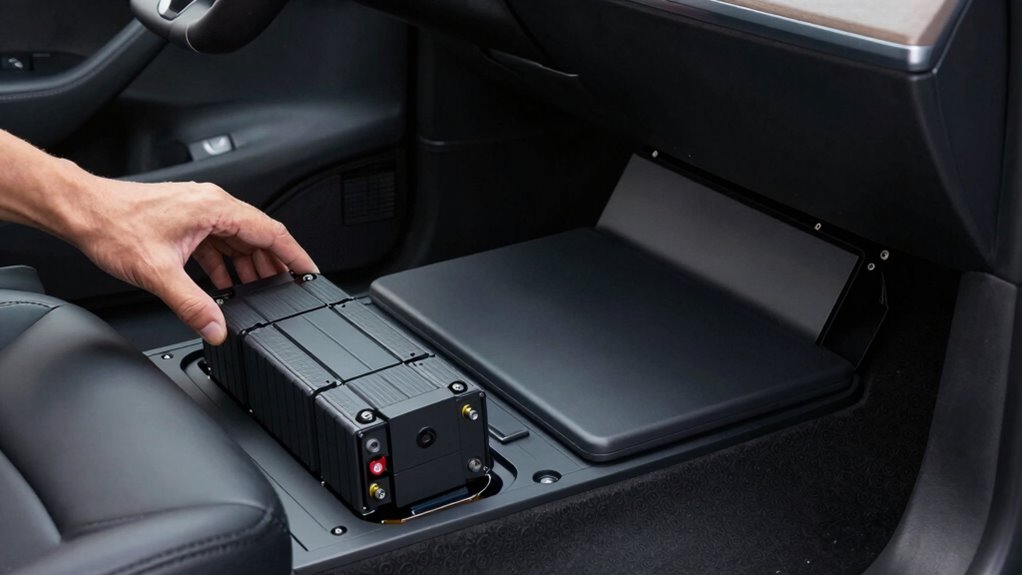
Removable and frame-integrated batteries are two different designs used in modern electronic devices, especially electric bikes and scooters. Removable batteries come out easily, allowing you to swap or upgrade them without tools. This design simplifies battery recycling, as you can replace old units and dispose of them properly. It also often offers better warranty coverage because you can exchange or repair the battery separately from the device. Frame-integrated batteries are built into the frame, making them less accessible but more streamlined and protected from damage. While they may last longer due to better protection, repairs can be more complicated, and warranty coverage might be limited to the entire device rather than just the battery. Understanding these differences helps you choose what best fits your needs. Additionally, battery longevity can be affected by the design, influencing overall device durability. The choice between these types can also impact maintenance efforts, depending on how easy it is to access and service the battery over time. Proper battery management is essential to maximize lifespan and ensure reliable performance over the device’s lifetime, especially considering the different accessibility features of each design. For example, some devices incorporate smart charging features that help extend battery life regardless of the type.
How Do Removable Batteries Affect Maintenance?
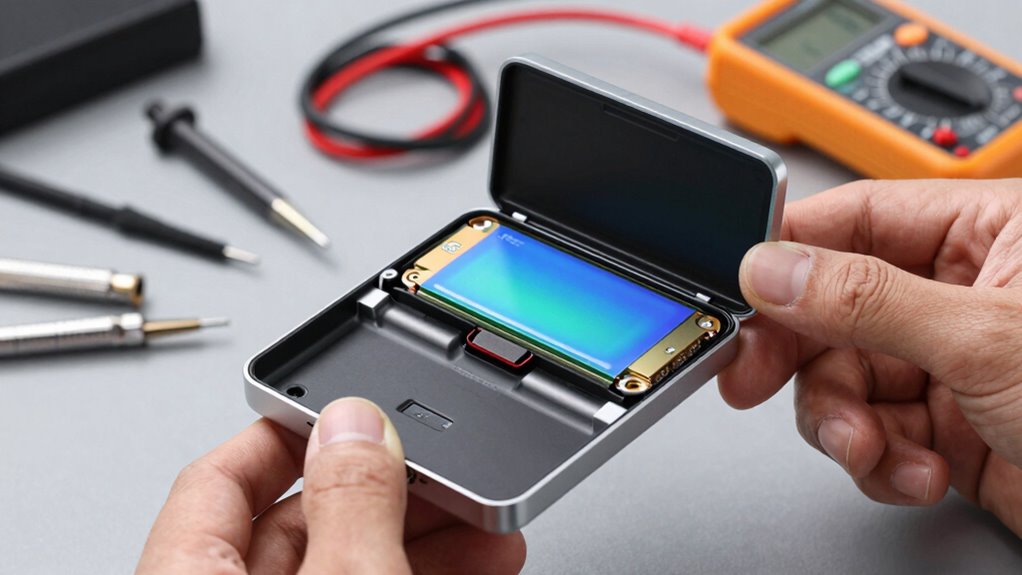
Having a removable battery simplifies maintenance because you can easily take it out for inspection, cleaning, or replacement without disassembling the entire device. This ease reduces downtime and helps you keep your device in good condition. Additionally, removable batteries facilitate battery recycling** since you can separate and properly dispose of or recycle the battery when it no longer holds a charge. This process minimizes environmental impact by preventing hazardous materials from ending up in landfills. Regularly replacing or recycling batteries ensures safety and efficiency, saving you money and reducing waste. Proper disposal of batteries is a crucial part of responsible maintenance. Furthermore, the availability of vetted** resources can assist in understanding the environmental benefits of battery recycling and proper disposal practices. Overall, removable batteries make routine maintenance straightforward and environmentally responsible, giving you more control over device upkeep and sustainability.
What Are the Maintenance Challenges of Built-In Batteries?
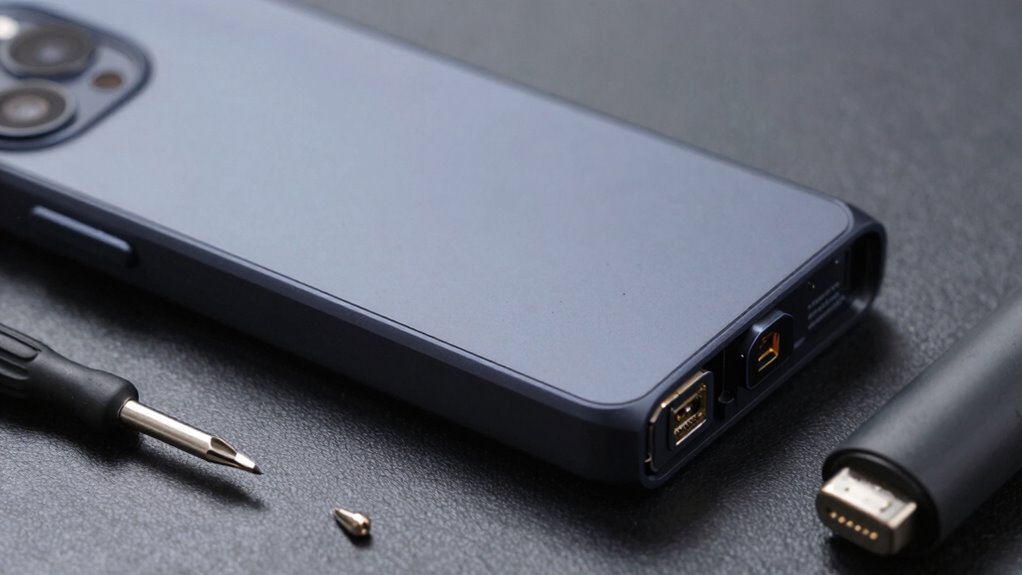
Built-in batteries can be tricky to replace because of their complex design, often requiring special tools or expertise. Repairs are limited because access is restricted, which can make fixing issues more difficult and costly. Additionally, longer downtimes may occur since removing and replacing these batteries takes more time and effort. The design complexity of built-in batteries can also impact warranty coverage, as repairs may require specialized service that could void existing warranties. The installation process for built-in batteries can be more involved, potentially leading to increased labor costs and logistical challenges. Moreover, the durability of built-in batteries can be affected over time, leading to more frequent replacements or repairs compared to removable options. This ongoing maintenance challenge underscores the importance of considering battery lifespan when choosing between removable and built-in solutions.
Difficult Replacement Process
Replacing a built-in battery can be surprisingly challenging because it often requires disassembling significant parts of the device. This process increases the risk of damage and makes repairs more time-consuming. You might also struggle to access the battery safely, which can lead to improper handling. Additionally, once the battery reaches end-of-life, recycling becomes more complicated, raising environmental impact concerns. Proper disposal is essential to prevent harmful materials from polluting ecosystems. Given the importance of sustainable disposal practices, proper recycling methods are crucial to minimize environmental harm.
Limited Accessibility for Repairs
Since built-in batteries are integrated into the device’s structure, accessing them for repairs can be a major challenge. You often need specialized tools and skills, which can lead to increased repair times and costs. This limited accessibility complicates battery recycling, as removing the battery without damaging the device becomes more difficult. Additionally, if your device is under warranty, repairs involving built-in batteries may be restricted or require authorized service centers, impacting warranty coverage. Because of these barriers, repairs aren’t straightforward, and you might face higher expenses or longer downtimes. This makes built-in batteries less convenient when it comes to maintenance, especially if you’re looking for a quicker, more accessible repair process. Gold IRA Markets can serve as an example of a specialized industry where expert support and transparent procedures are critical for service quality.
Increased Downtime Risks
Accessing a built-in battery often means lengthy repairs and increased downtime. When a built-in battery fails or needs charging, you’re likely to face significant delays. These repairs can be complicated, requiring specialized tools and skills, which extends your device’s offline time. You lose the convenience of quick swaps, and this can affect productivity. Additionally, repair costs may not be fully covered under warranty, especially if damage isn’t straightforward. The lack of charging convenience means you might need to send your device to a service center, further delaying use. Consider these risks:
- Longer repair times due to complex disassembly
- Reduced charging flexibility and scheduling
- Potential non-coverage under warranty for certain repairs
- Increased downtime impacting productivity and costs
- Free Floating design elements may influence repair complexity and accessibility. A smart home gym with built-in batteries may require specialized diagnostics, further complicating maintenance.
Maintenance Costs: Removable vs. Built-In Batteries

When it comes to maintenance costs, the type of battery you choose can make a significant difference. Removable batteries tend to have lower upfront costs and are easier to replace, which can reduce long-term expenses. Built-in batteries, however, often require professional servicing, increasing repair costs over time. Additionally, removable batteries simplify battery recycling, minimizing environmental impact by allowing you to properly dispose of or refurbish individual units. Understanding battery standards can help ensure compatibility and ease of maintenance across different devices. Proper disposal methods, aligned with battery recycling guidelines, further contribute to environmental sustainability. Standardized battery formats help streamline recycling processes and reduce waste. Built-in batteries, on the other hand, may pose challenges for recycling and can contribute to e-waste if not handled correctly. Your choice impacts not just your maintenance budget but also the environment, making it essential to contemplate both costs and sustainability when evaluating battery options. Furthermore, considering e-waste management strategies can enhance your overall approach to environmentally responsible device use. Additionally, selecting batteries that adhere to industry standards can facilitate future replacements and upgrades, further lowering long-term maintenance costs.
How Does Maintenance Influence Battery Durability and Longevity?
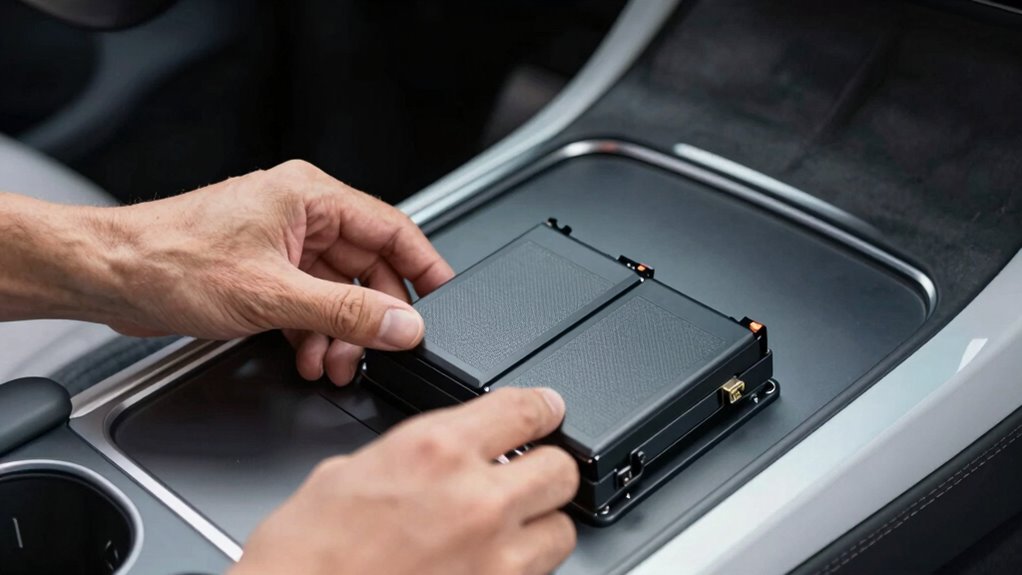
Regular maintenance plays a crucial role in determining a battery’s durability and lifespan. Proper care helps prevent early failures and guarantees you get the most out of your investment. For example, maintaining clean contacts and avoiding extreme temperatures can extend battery life. Additionally, responsible practices support battery recycling efforts by reducing waste. Keep track of your warranty coverage to address potential issues promptly, preventing minor problems from worsening. Regular check-ups also allow you to spot signs of deterioration early, saving money in the long run. By staying proactive, you minimize the risk of costly replacements and environmental harm. Proper air purifier maintenance and ensuring optimal operating conditions are also essential for preserving battery health. Ultimately, consistent maintenance enhances overall longevity and performance, ensuring your battery serves you well over time.
Safety and Handling of Different Battery Types
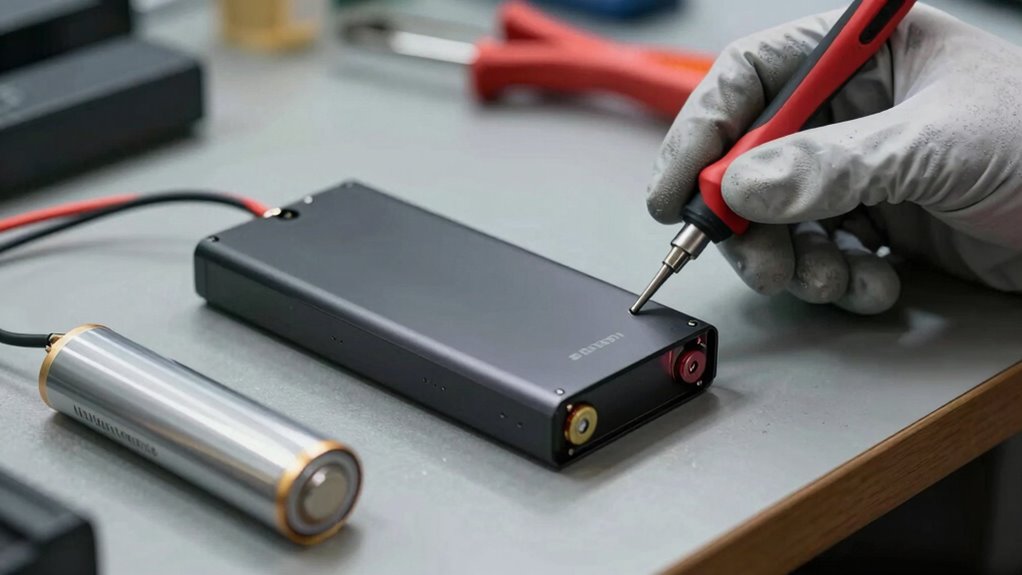
Different battery types require careful handling to guarantee safety and ideal performance. Your approach depends on the battery chemistry—lithium-ion, nickel-metal hydride, or others—each with specific safety protocols. For lithium-ion batteries, avoid puncturing, overheating, or exposing them to moisture, as these actions can cause fires or explosions. When handling removable batteries, always use proper tools and wear safety gear if necessary. Built-in batteries demand extra caution during replacement or repair, ensuring the device is powered off and disconnected. Follow manufacturer guidelines precisely to prevent damage or hazards. Proper handling minimizes risks like short circuits, leaks, or thermal runaway, protecting you and your device. Safe practices are essential, no matter the battery type, to maintain performance and prevent accidents.
Tips to Maximize Battery Life for Removable and Built-In Designs
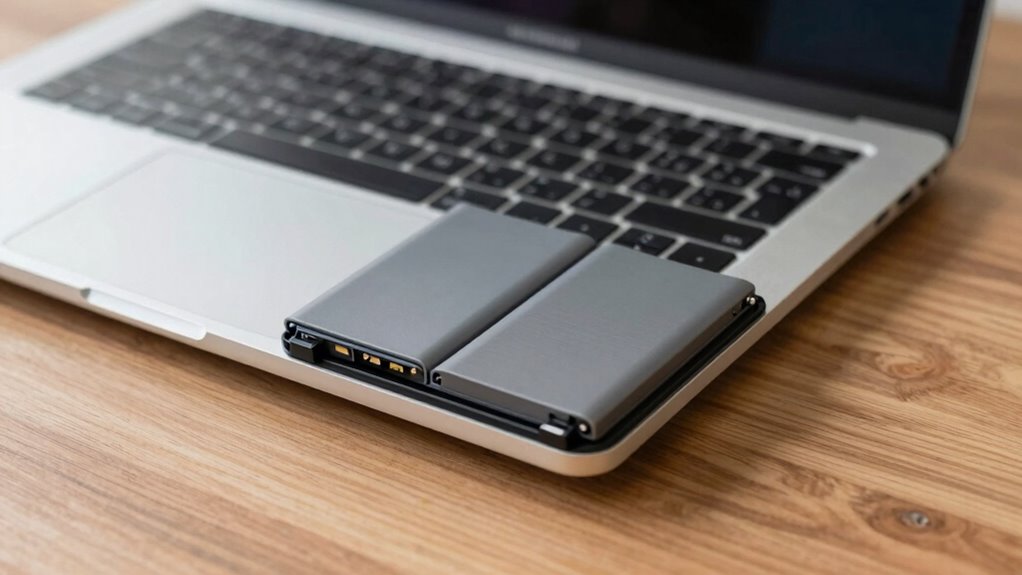
To get the most out of your batteries, you need to follow proper charging techniques and handle them carefully. Using your device wisely and storing batteries correctly can also extend their lifespan. Let’s explore simple tips to keep your removable and built-in batteries performing at their best.
Proper Charging Techniques
Proper charging techniques are essential to extending the lifespan of both removable and built-in batteries. Your charging habits directly impact battery health, so follow these tips. First, avoid letting your battery drop to 0% regularly; instead, keep it between 20% and 80%. Second, use chargers recommended by the manufacturer to prevent damage. Third, don’t keep your device plugged in at 100% for long periods—overcharging can harm the battery. Fourth, store batteries in a cool, dry place if you’re not using them for a while, practicing proper storage practices. These habits help minimize stress on the battery, preserve capacity, and prolong overall life. Consistent, mindful charging and storage practices are crucial for maximizing your battery’s performance over time.
Storage and Usage Tips
Maintaining ideal storage and usage habits can markedly extend the life of both removable and built-in batteries. To maximize longevity, store devices in a cool, dry place and avoid exposing them to extreme temperatures. When not in use, keep batteries at around 50% charge rather than fully drained or fully charged, which can damage cells over time. Regularly calibrate your batteries to ensure accurate power readings. Proper usage also means unplugging devices once fully charged to prevent overcharging. Recycling old batteries through proper battery recycling programs helps prevent environmental harm and supports sustainable disposal. Additionally, check your warranty coverage; some warranties include battery replacement or repair, saving you money and effort. Following these tips helps prolong battery health and guarantees ideal device performance.
Common Issues and Troubleshooting for Both Battery Types
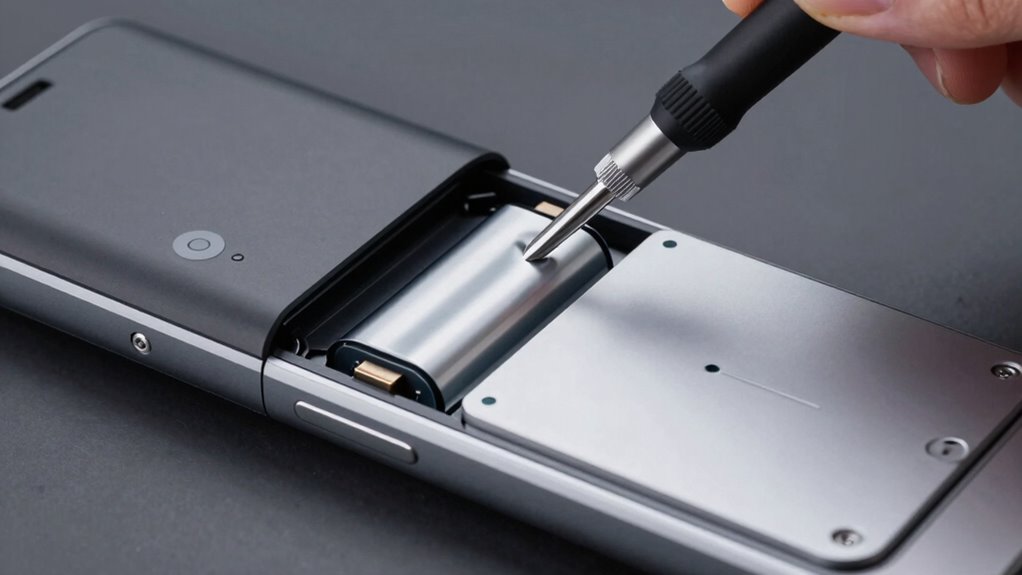
Both removable and frame-integrated batteries can encounter similar issues that disrupt your device’s performance. Common problems include rapid battery drain, overheating, or reduced capacity over time. Troubleshooting starts with checking thermal management—ensure your device isn’t overheating, which can damage the battery. If the battery isn’t holding charge, consider calibrating it or replacing it if necessary. Proper battery recycling is essential when disposing of old batteries to prevent environmental harm. Also, inspect for physical damage like swelling or corrosion. For both types, keeping firmware updated can improve battery efficiency. If overheating persists, avoid using the device until it cools down. Regular maintenance helps prolong battery life, whether removable or frame-integrated, and keeps your device running smoothly.
Which Battery Design Is Easier to Maintain Long-Term?

When considering long-term maintenance, you’ll want to think about how easy it is to access and remove the battery. Repair and replacement costs can vary considerably between designs, affecting your overall expenses. Additionally, the battery’s lifespan and durability play vital roles in determining which setup requires less ongoing upkeep.
Accessibility and Ease of Removal
Removable batteries generally offer easier access and simpler removal procedures, making long-term maintenance straightforward. You can quickly swap out a drained battery or replace a faulty one without specialized tools. This convenience simplifies tasks like battery recycling, reducing environmental impact by encouraging proper disposal. With a removable design, you’re less likely to damage your device during maintenance. Additionally, you can keep spares handy for emergencies. Here are some key points:
- Quick battery swaps without professional help
- Minimal risk of damaging internal components
- Easier to recycle batteries responsibly
- Reduced device downtime during maintenance
This accessibility makes removable batteries a practical choice for long-term users focused on sustainability and hassle-free upkeep.
Repair and Replacement Costs
While removable batteries often cost less to replace initially, they tend to be more economical in the long run because you can swap them out yourself without paying for professional repairs. This DIY approach reduces labor costs and allows you to manage battery recycling easily, minimizing environmental impact. Frame-integrated batteries usually require professional service for replacement, which can be expensive and time-consuming. Warranty coverage often favors removable batteries, offering easier and more exhaustive protection since replacements are straightforward. Additionally, since you can replace a removable battery yourself, you avoid costs associated with damaged or faulty batteries that might otherwise lead to costly repairs. Overall, the ease of replacement and potential savings make removable batteries more cost-effective over the device’s lifespan.
Battery Lifecycle and Durability
Maintaining battery health over the long term depends heavily on how easy it is to monitor and replace worn components. Removable batteries generally have a longer lifecycle because you can swap them out before significant degradation occurs. This makes maintenance simpler and extends the device’s overall durability. Frame-integrated batteries often face challenges with durability due to limited access for repairs, leading to potential replacements of the entire device sooner. Additionally, the design impacts environmental impact, as removable batteries facilitate easier battery recycling. Proper recycling reduces waste and recovers valuable materials. To summarize:
- Removable batteries are easier to replace, prolonging device lifespan
- They support effective battery recycling, reducing environmental impact
- Frame-integrated batteries tend to degrade faster without easy replacement options
- Long-term durability depends on monitoring and timely replacement of worn components
Choosing the Right Battery Type for Your Lifestyle: Maintenance Realities
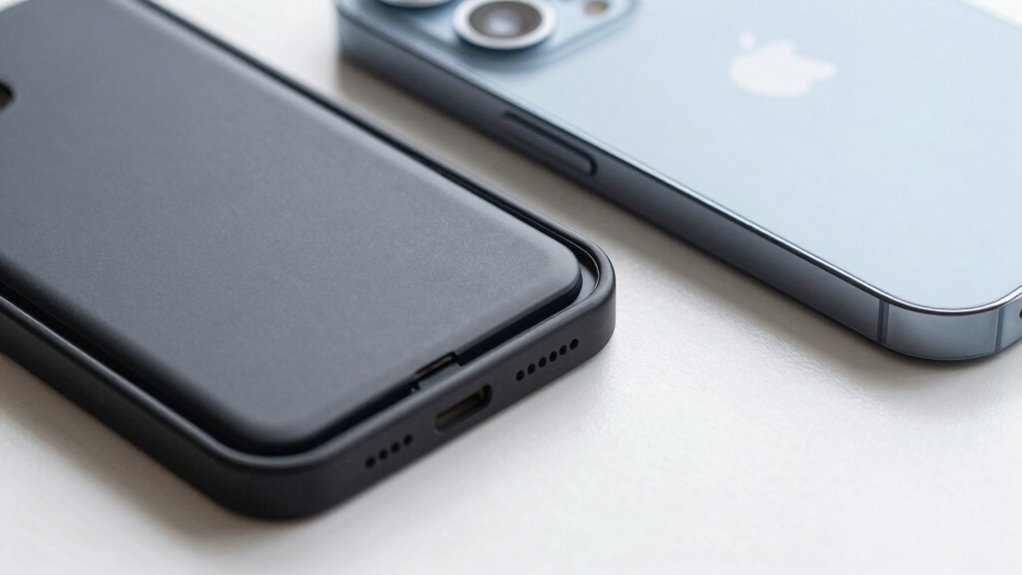
Choosing the right battery type depends largely on how much effort you’re willing to invest in maintenance. Removable batteries make it easy to swap and recycle, reducing your environmental impact and simplifying battery recycling. Frame-integrated batteries, while less accessible, require less daily upkeep but may demand more professional attention over time. To visualize this:
| Maintenance Effort | Battery Type |
|---|---|
| Low | Frame-integrated |
| Moderate | Removable |
| High | Custom or specialized |
If you’re eco-conscious, opting for removable batteries allows you to extend their lifespan through recycling. Conversely, if you prefer convenience and less hands-on work, a frame-integrated setup might suit you better, though it could impact environmental sustainability in the long run.
Frequently Asked Questions
How Does Battery Replacement Impact Device Warranties?
Battery replacement can affect your device warranty, especially if it’s not done according to the manufacturer’s replacement policies. Unauthorized replacements may void warranty implications, leaving you responsible for repairs. Always check your warranty terms before replacing the battery yourself or through third-party services. Following proper procedures ensures your warranty stays valid and avoids potential costs, giving you peace of mind that your device remains protected during the warranty period.
Are There Environmental Considerations for Disposal of Different Battery Types?
You should consider the environmental impact when disposing of different battery types. Removable batteries are easier to recycle, reducing disposal challenges, while frame-integrated batteries pose greater environmental concerns due to complex disposal processes. Proper recycling is essential to prevent hazardous materials from contaminating the environment. Always follow local disposal regulations and seek dedicated recycling programs to minimize environmental harm and ensure responsible handling of battery waste.
What Tools Are Needed for Maintaining Built-In Batteries?
Did you know that improper maintenance can reduce a built-in battery’s lifespan by up to 50%? To keep it healthy, you need basic tools like a soft cloth, a multimeter for battery calibration, and a charger to monitor charging cycles. Regularly calibrate the battery and avoid overcharging to extend its life. Proper tools help you maintain peak performance and prevent early replacements.
Can Software Updates Extend the Life of Removable Batteries?
Yes, software updates can prolong the life of removable batteries by improving software longevity and optimizing power management. When you keep your device’s software current, it enhances battery efficiency, reduces unnecessary drain, and fixes bugs that may accelerate battery aging. However, the effectiveness of updates depends on how well they address battery performance issues. Regular updates ensure your device runs smoothly and helps maximize your battery’s overall lifespan.
How Do User Skills Influence Maintenance Success for Each Battery Type?
Your user proficiency directly impacts maintenance success for both battery types. With good user experience, you can easily follow proper procedures, reducing risks of damage or malfunction. For removable batteries, skill helps you safely handle and replace them, extending their lifespan. For frame-integrated batteries, your familiarity with device care guarantees you perform regular checks and updates correctly. Improving your user proficiency leads to better maintenance outcomes overall.
Conclusion
Choosing between removable and built-in batteries is like picking between a trusty toolkit and an all-in-one tool. Both have their quirks and strengths, but understanding their maintenance needs helps you keep your device running smoothly. Think of your battery as the heart of your gadget — nurturing it with proper care guarantees it beats strong longer. Make an informed choice, and you’ll enjoy a smoother ride on your tech journey.