
E-bike racks need different thinking than standard racks because they carry heavier bikes with integrated batteries, making them bulkier and more prone to damage if not properly secured. You have to take into account their weight, size, and battery placement to guarantee safe transport. Proper support, balanced weight distribution, and reinforced mounting points are essential to avoid wobbling or falling. If you keep exploring, you’ll discover key details to keep your e-bike safe on the road.

Get your wardrobe favorites delivered free — and shop member deals
- Fast, free delivery on millions of items
- Access to Prime Big Deal Days deals on October 6–7
- Prime Video, Amazon Music and more included
Key Takeaways
- E-bikes are heavier and bulkier, requiring stronger, reinforced racks for safe transport.
- Battery placement on e-bikes demands specialized securing methods to prevent damage.
- Proper weight distribution is crucial to maintain stability and prevent shifting or falling.
- Mounting systems must have increased load capacity and adjustable supports for different e-bike models.
- Durable, corrosion-resistant materials ensure longevity and safety in various weather conditions.
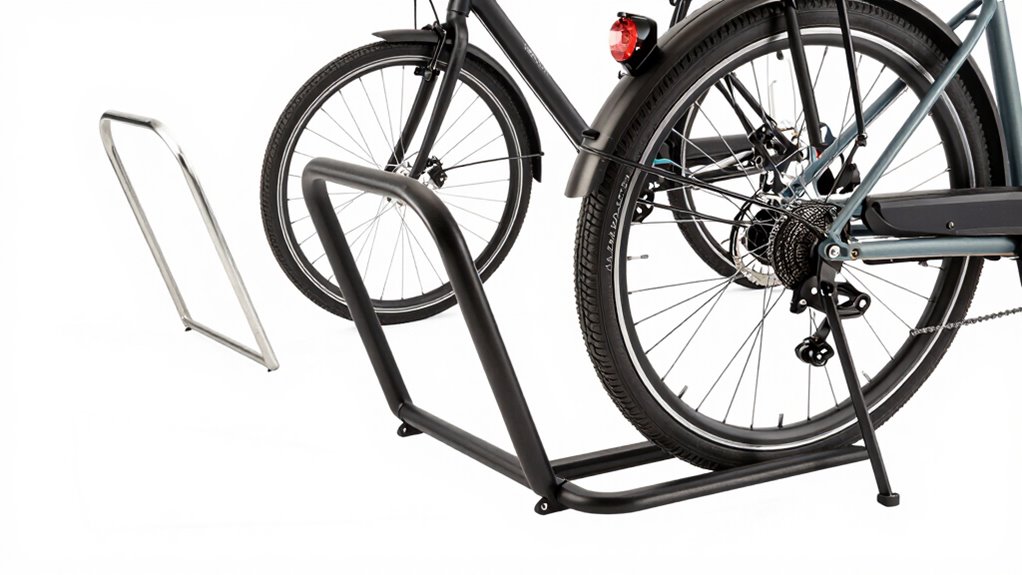
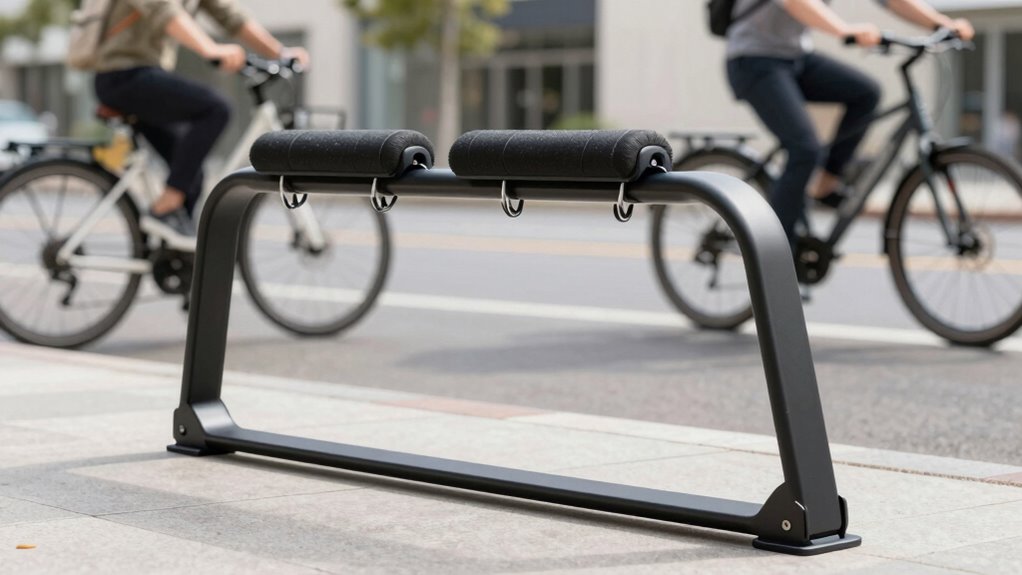
E-bike racks require a different approach than standard bike racks because electric bikes are heavier and often have unique frame designs. Unlike traditional bikes, which are relatively lightweight and straightforward to secure, e-bikes demand extra considerations to ensure safety and functionality. One of the key aspects you need to focus on is battery integration. Many e-bikes have batteries mounted on the frame or integrated into their structure, which can significantly affect how you secure the bike. A rack designed for standard bikes might not accommodate the bulk or placement of the battery, risking damage or instability during transport. You should look for racks with adjustable or reinforced clamps that can handle the extra weight and the specific placement of the battery, preventing undue stress on the frame or battery compartment. Additionally, considering weight distribution is essential because improper balance can lead to instability during transit. weight distribution is another critical factor when considering e-bike racks. Because e-bikes are heavier, typically weighing between 40 to 70 pounds, improper weight distribution can lead to instability, making the bike prone to shifting or falling off during transit. You need to ensure the rack evenly distributes the weight across its structure, preventing excessive load on one side, which could cause wobbling or damage. A well-designed e-bike rack will feature multiple contact points and padded supports to hold the bike securely from different angles, reducing movement and protecting both the bike and your vehicle. Proper mounting system is also crucial, as the increased weight and size of e-bikes demand robust attachment points. You should pay attention to the rack’s mounting system. Standard racks may not be built to handle the increased load, so look for models with reinforced arms and mounting points that are specifically rated for heavier bikes. It’s essential to verify the weight capacity and ensure the rack can support the combined weight of the e-bike, including the battery, without compromising stability or safety. Proper weight distribution also involves positioning the bike correctly on the rack, centering it to prevent uneven pressure that could cause the rack or vehicle to become unbalanced. Additionally, selecting a rack with adjustable support arms can help accommodate different e-bike sizes and frame types more effectively. Ensuring the rack features corrosion-resistant materials can also extend its lifespan, especially if you frequently travel in varied weather conditions.
heavy-duty e-bike rack with reinforced mounting
As an affiliate, we earn on qualifying purchases.
As an affiliate, we earn on qualifying purchases.
Frequently Asked Questions
How Do E-Bike Rack Weight Capacities Compare to Standard Bike Racks?
E-bike racks typically have higher weight capacities than standard bike racks, often supporting 60-70 pounds or more. You should check bike rack compatibility to guarantee your e-bike fits and consider rack installation tips like securing the bike firmly and using additional straps for stability. Because e-bikes are heavier, prioritize sturdy, reinforced racks designed specifically for their weight and size, ensuring safe transportation without risking damage or failure.
What Materials Are Best for E-Bike Rack Durability?
Think of your e-bike rack as a sturdy ship steering through rough seas. Opt for materials that combine flexibility with strength, like stainless steel or reinforced aluminum, which bend without breaking. These materials also boast excellent corrosion resistance, essential for outdoor durability. They’ll withstand the weight and vibrations of heavy e-bikes, ensuring your rack stays resilient against the elements and daily wear and tear.
Are There Specific Security Features Needed for E-Bikes?
Yes, you need specific security features for e-bikes. Focus on battery security, since e-bike batteries are valuable and often targeted. Use locking mechanisms that secure both the frame and the battery to prevent theft. Look for racks with integrated locks or reinforced security options. This way, you protect the entire e-bike, including the battery, ensuring it stays safe when parked in public or shared spaces.
How Do E-Bike Racks Affect Vehicle Aerodynamics?
Imagine your vehicle slicing through the air like a swift bird, but adding an e-bike rack feels like mounting a sail. It increases aerodynamic drag and wind resistance, making your car work harder and consume more fuel. E-bike racks change the airflow around your vehicle, creating turbulence that can slow you down. To keep efficiency, you need thoughtfully designed racks that minimize these effects, keeping your ride smooth and economical.
What Maintenance Is Required for E-Bike Racks?
You should regularly check your e-bike rack for loose bolts and signs of wear. Keep the battery integration secure and clean to prevent corrosion and guarantee proper function. It’s also essential to lock the rack or bike to prevent theft, especially during long stops. Additionally, inspect the rack’s frame for cracks or damage after rides. Proper maintenance helps prolong the rack’s life and keeps your e-bike safe.
adjustable e-bike carrier for electric bikes
As an affiliate, we earn on qualifying purchases.
As an affiliate, we earn on qualifying purchases.
Conclusion
Think of e-bike racks as the sturdy branches of a mighty tree, supporting a heavier, more energetic rider. Just as a branch must be stronger and more flexible to hold the weight and sway, your rack needs to adapt to the power and size of e-bikes. By recognizing these differences, you create a safe, reliable home for your e-bike, much like a tree’s branch provides a secure perch—ready to support growth and adventure.
corrosion-resistant e-bike transport rack
As an affiliate, we earn on qualifying purchases.
As an affiliate, we earn on qualifying purchases.
e-bike rack with weight distribution support
As an affiliate, we earn on qualifying purchases.
As an affiliate, we earn on qualifying purchases.
Fall Picks
fall essentials
As an affiliate, we earn on qualifying purchases.