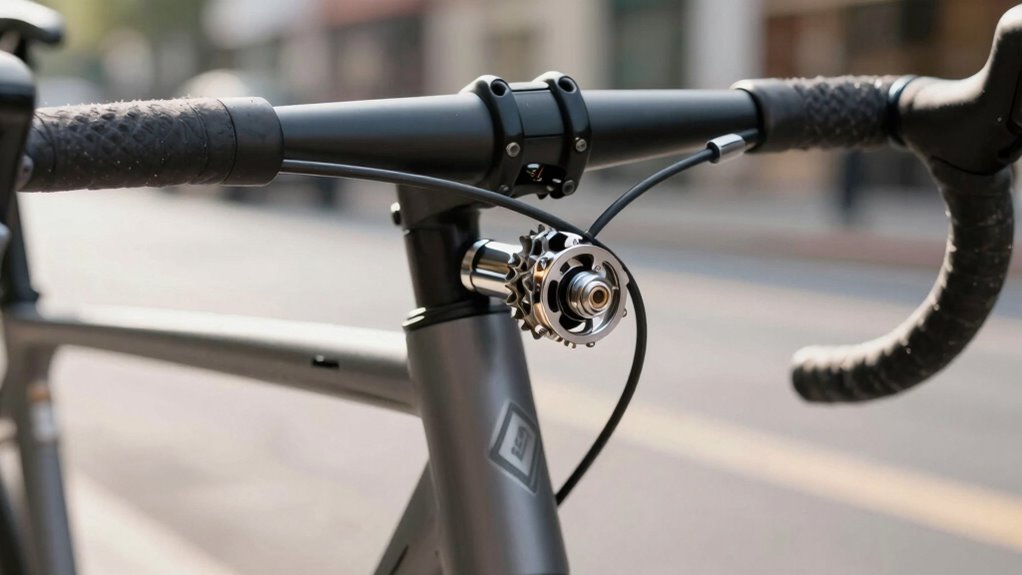

At first, internal gear hubs can feel strange because their shifting relies on turning a grip or small lever, which seems slow and less responsive than derailers. You might find the shifting awkward or unfamiliar, but with practice, you’ll develop a smooth rhythm. Over time, the quiet operation and durability become obvious advantages. If you stick with it, you’ll discover how these hubs become reliable, low-maintenance companions that transform your riding experience.

Get your wardrobe favorites delivered free with Prime
- Fast, free delivery on millions of items
- Prime Video, Amazon Music and more included
- Member-only deals all year
Key Takeaways
- Initial unfamiliarity with internal shifting mechanisms can feel awkward compared to quick derailleur responses.
- Internal hubs operate more slowly and subtly, requiring practice to develop smooth, predictable shifting.
- They are protected from dirt and water, leading to less maintenance and longer-term reliability.
- Over time, riders appreciate the quiet, low-maintenance, and hassle-free experience internal hubs provide.
- The clean appearance and consistent performance make internal gear hubs feel smarter and more reliable long-term.
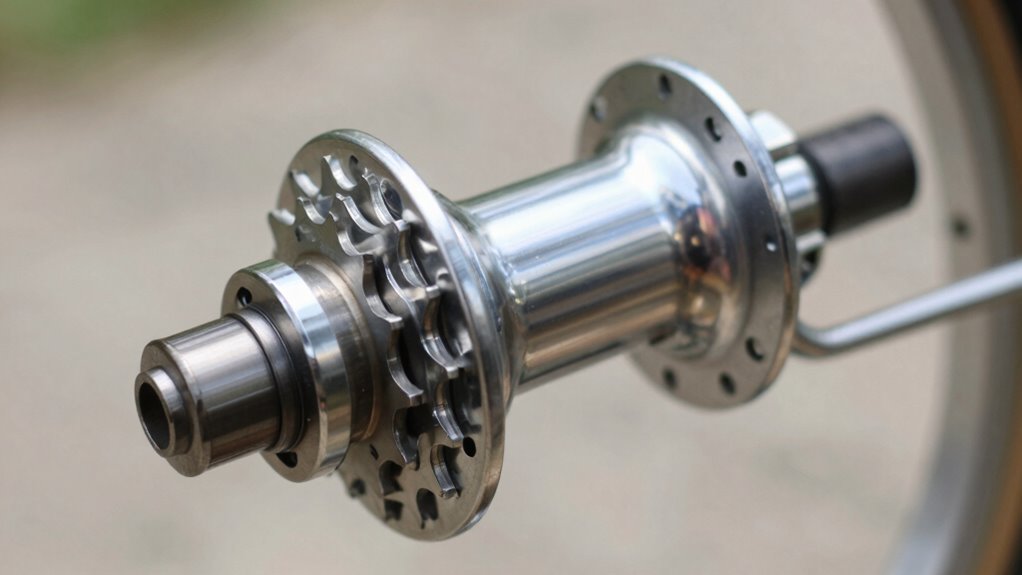
When you first hop on a bike with an internal gear hub, it might feel unfamiliar or even awkward, as the shifting experience differs from traditional derailleur systems. Instead of moving a derailleur back and forth across the cassette, gear shifting with an internal hub involves turning a grip shifter or a lever that engages internal mechanisms within the hub. At first, this can seem slow or imprecise, especially if you’re used to the instant response of derailleur gears. But with a bit of practice, you’ll notice that gear shifting becomes smoother and more predictable. One of the benefits of internal gear hubs is that they keep the gears enclosed within the hub shell, protecting them from dirt, mud, and water. This means fewer maintenance issues related to dirt buildup or misaligned derailleurs, which can often plague traditional systems.
However, internal gear hubs do require some maintenance tips to keep them operating at their best. Unlike derailleur gears, which need frequent adjustments and cleanings, internal hubs benefit from occasional lubrication and inspection. You don’t need to do this often—perhaps once a year or after riding in harsh weather—but it’s vital for longevity. When you do maintenance, make sure to check the gear indicator, if your hub has one, and verify the shifter cable is properly tensioned. If shifting feels stubborn or gears don’t engage smoothly, it’s usually a sign that the internal lubrication needs rejuvenating or the cable needs adjusting. Keeping the shifter cable clean and free of rust also helps maintain smooth gear changes. It’s also wise to occasionally check for any leaks or signs of dirt entering the hub, which can cause internal wear over time. Additionally, internal gear hubs may require more consistent lubrication, especially after extended use or exposure to harsh conditions, to prevent internal components from wearing prematurely. Proper lubrication can also help reduce internal wear and extend the lifespan of the hub. Regular inspection and maintenance are crucial to avoid internal damage that could impair performance over time.
Another key aspect is that internal gear hubs tend to be more quiet during operation, which can contribute to a more peaceful riding experience. Initially, gear shifting with an internal hub might seem less responsive than a derailleur system, but it’s more about getting used to the feel. You’ll learn to anticipate the shifts and develop a rhythm that makes riding more comfortable. Over time, you’ll appreciate the simplicity of shifting with just a twist of the grip or a small lever, especially since you won’t need to worry about derailleur misalignment or chain drops. The internal hub’s true strength reveals itself during long rides and in adverse conditions, offering reliable performance with minimal fuss. Many riders also find that internal gear hubs provide a cleaner overall appearance for their bikes, reducing the clutter of external derailleur components. Once you become familiar with its operation and perform basic maintenance tips when needed, internal gear hubs can become a trusted component that enhances your riding experience, proving that what initially feels strange can turn into something brilliant.
As an affiliate, we earn on qualifying purchases.
Frequently Asked Questions
How Do Internal Gear Hubs Differ From External Gear Systems?
Internal gear hubs differ from external gear systems because gear shifting happens inside the hub, making it smoother and protected from dirt. You’ll notice less maintenance complexity, as they require less frequent adjustments and cleaning. While the shifting process might feel strange initially, over time, you’ll appreciate the quiet operation and durability. External systems are more exposed and often need more upkeep, but internal hubs keep your rides simpler and more reliable.
Are Internal Gear Hubs More Durable Than Traditional Gears?
Yes, internal gear hubs are generally more durable than traditional gears. They handle gear shifting smoothly, even under heavy use, because their enclosed design protects gears from dirt, water, and debris. Plus, they require less frequent lubrication needs, reducing maintenance. Over time, this resilience means they last longer and stay reliable, making them a smart choice for riders seeking durability and low upkeep.
Can Internal Gear Hubs Be Repaired Easily if They Fail?
Internal gear hubs can be repaired, but it’s not always straightforward. Their manufacturing complexity and lubrication challenges make repairs more difficult compared to traditional gears. If a failure occurs, you might need specialized tools or professional help to fix issues like broken gears or lubrication problems. Regular maintenance helps prevent major issues, but when repairs are necessary, understanding these factors can make the process smoother.
What Maintenance Is Required to Keep Internal Gear Hubs Functioning Well?
To keep your internal gear hub functioning well, you should regularly check lubrication levels and reapply lubricant as needed, typically every few months or after muddy rides. Follow cleaning procedures by gently wiping the exterior and avoiding water ingress into the hub. Keep the gear shifting smooth by inspecting and adjusting cable tension periodically. Proper maintenance guarantees your hub remains efficient, prolongs its lifespan, and keeps your rides seamless.
Do Internal Gear Hubs Add Significant Weight to a Bicycle?
Internal gear hubs are like a hidden weight whisperer—adding only a little extra mass to your bike. Compared to a traditional derailleur setup, they don’t considerably impact the overall weight, so your riding experience stays smooth and balanced. You might notice a slight increase, but it’s minimal, and the benefits of durability and low maintenance outweigh the minor weight difference. Your ride stays agile, while the hub quietly works behind the scenes.
bike internal gear hub maintenance kit
As an affiliate, we earn on qualifying purchases.
As an affiliate, we earn on qualifying purchases.
Conclusion
At first, internal gear hubs might feel awkward, but once you get used to their smooth shifting, you’ll appreciate their reliability. Did you know that nearly 60% of urban cyclists prefer internal gear hubs for daily commuting? This statistic highlights how their durability and low maintenance make them a smart choice in city environments. So, give yourself time to adapt—you’ll soon see why these hubs are a brilliant, hassle-free option for your ride.
internal gear hub lubrication oil
As an affiliate, we earn on qualifying purchases.
As an affiliate, we earn on qualifying purchases.
quiet internal gear hub for bikes
As an affiliate, we earn on qualifying purchases.
As an affiliate, we earn on qualifying purchases.
Columbus Day / Indigenous Peoples' Day Picks
long weekend sales
As an affiliate, we earn on qualifying purchases.