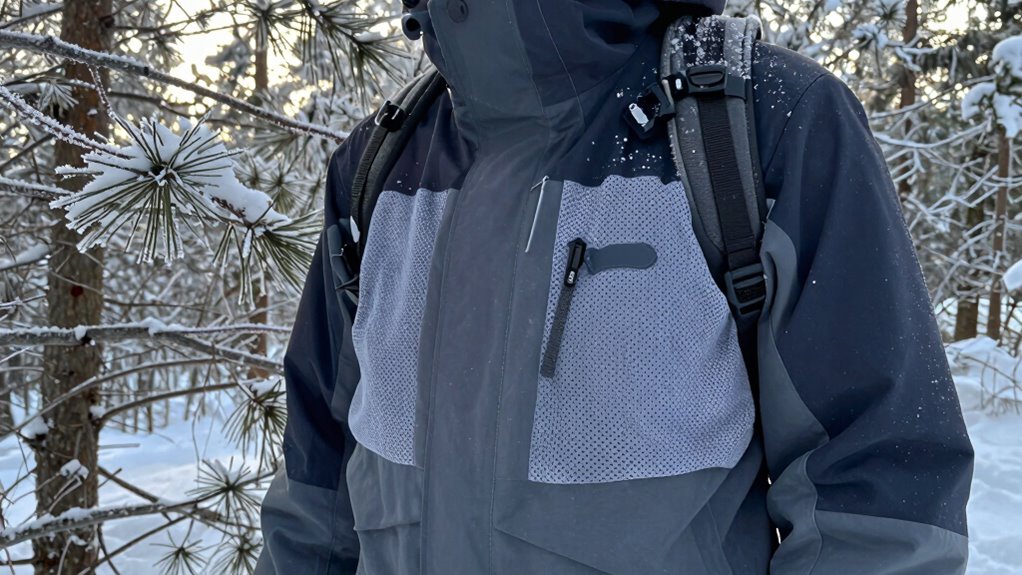

Even in cold weather, breathable layers are essential because they wick moisture away from your skin, keeping you dry and warm. When your clothing traps sweat and moisture, it can lead to chills and increase the risk of hypothermia. Breathable fabrics let moisture escape and quickly dry, helping you stay comfortable and safe. If you keep exploring, you’ll discover how layering techniques and moisture-wicking materials can optimize your cold-weather gear even further.

Get your wardrobe favorites delivered free — and shop member deals
- Fast, free delivery on millions of items
- Access to Prime Big Deal Days deals on October 6–7
- Prime Video, Amazon Music and more included
Key Takeaways
- Breathable layers wick moisture away, preventing dampness that can lead to hypothermia in cold conditions.
- They help regulate body temperature, preventing overheating during physical activity.
- Moisture management maintains dryness, enhancing comfort and reducing clamminess in cold weather.
- Breathable fabrics allow ventilation, reducing internal moisture buildup and supporting quick drying if layers get damp.
- Proper breathability ensures safety by minimizing the risk of cold-related health issues while maximizing comfort.
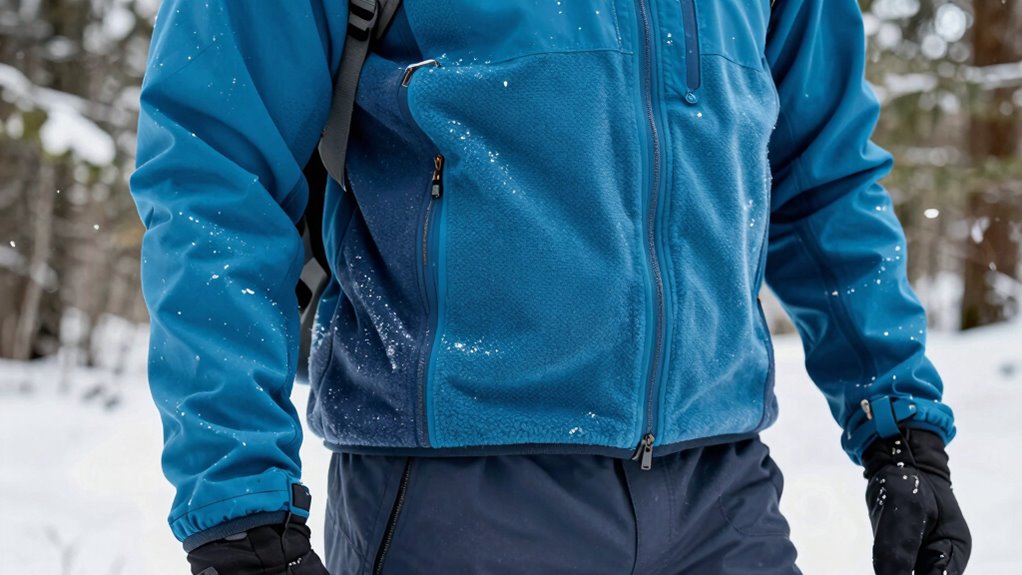
When braving cold weather, choosing the right layers can make all the difference in staying warm and comfortable. You already know that insulation techniques are essential, but it’s equally important to consider how your layers handle moisture. Breathable layers are vital because they allow sweat and moisture to escape, preventing you from feeling damp and chilled, even when temperatures drop. It’s easy to underestimate how much moisture you generate during physical activity or simply from your body’s natural processes. If your clothing traps this moisture, it can quickly become uncomfortable and even dangerous, leading to hypothermia in extreme cases.
Breathable layers prevent moisture buildup, keeping you warm, dry, and comfortable in cold weather activities.
By focusing on moisture management, you ensure that your body stays dry and warm. Breathable fabrics like merino wool, certain synthetic materials, or specially designed technical fibers are engineered to wick moisture away from your skin. This process keeps you dry from the inside out, which is crucial for maintaining your core temperature. When moisture isn’t trapped, your body can better regulate heat, reducing the risk of feeling cold and clammy. These fabrics also dry quickly, so even if you do get damp, your layers won’t stay wet for long, allowing you to stay comfortable longer. Incorporating moisture-wicking fabrics into your layering system enhances your overall comfort and performance. Additionally, understanding the importance of moisture management can help you select the most suitable fabrics for your needs. Proper layering techniques also contribute to ventilation, which helps regulate temperature and reduces moisture buildup within your clothing.
Incorporating effective insulation techniques with breathable layers is a smart strategy. Instead of relying on bulky, non-breathable clothing that traps heat and moisture, you can build a layered system that adapts to changing conditions. A lightweight, breathable base layer wicks sweat away from your skin, while an insulating mid-layer traps body heat without sacrificing breathability. Outer layers should be windproof and water-resistant but still allow moisture to escape. This combination creates a climate-controlled environment around your body, where warmth is maintained without sacrificing moisture management. Proper layering also helps prevent overheating during physical activities in cold weather, ensuring comfort and safety.
moisture-wicking base layer for cold weather
As an affiliate, we earn on qualifying purchases.
As an affiliate, we earn on qualifying purchases.
Frequently Asked Questions
How Do Breathable Layers Differ From Regular Thermal Clothing?
Breathable layers differ from regular thermal clothing because they actively manage moisture and enhance comfort. They wick sweat away from your skin, keeping you dry and reducing the risk of chills. Plus, their fabric durability allows them to withstand frequent use and washing without losing effectiveness. Unlike traditional thermal wear, breathable layers prevent overheating and moisture buildup, making them ideal for versatile cold-weather activities where staying dry and comfortable is key.
Can Breathable Fabrics Be Effective in Extreme Cold Temperatures?
Think of breathable fabrics like a modern, high-tech armor—they can be surprisingly effective in extreme cold. While they might not match traditional insulation in absolute warmth, their moisture management and insulation effectiveness keep you dry and warm longer. They prevent sweat buildup that can chill you, allowing your body to retain heat. With the right layering, breathable fabrics can perform well, even in the harshest winter conditions.
Are Breathable Layers Suitable for High-Intensity Winter Activities?
Yes, breathable layers suit high-intensity winter activities because they support effective layering techniques and moisture management. As you push yourself, these layers wick sweat away from your skin, preventing chills and discomfort. By choosing moisture-wicking base layers and breathable mid-layers, you stay dry and warm. This combination allows you to perform better, stay comfortable longer, and avoid overheating or getting soaked, making your winter workouts safer and more enjoyable.
How Should I Care for and Wash Breathable Winter Clothing?
To care for your breathable winter clothing, always follow the manufacturer’s washing instructions. Use gentle cycles with cold water to preserve fabric durability and maintain breathability. Avoid fabric softeners, which can clog the fibers, reducing their effectiveness. Opt for eco-friendly options like biodegradable detergents to protect the environment. Air dry whenever possible to extend the lifespan of your gear and keep it functioning well during cold weather adventures.
What Are the Best Materials for Breathable Cold-Weather Layers?
For breathable cold-weather layers, you want fabrics that excel in moisture management and are durable. Look for materials like merino wool, which wicks moisture away and resists odor, or synthetic fabrics like polyester and nylon that dry quickly and withstand wear. These materials keep you dry and comfortable, even during intense activity, ensuring your layers stay effective and durable over time.
As an affiliate, we earn on qualifying purchases.
Conclusion
Remember, embracing breathable layers in cold weather isn’t just about staying warm—it’s about feeling comfortable and free to enjoy your outdoor adventures. When you choose clothing that gently lets moisture escape, you’re giving yourself the gift of ease and freshness, even on chilly days. So, don’t shy away from those smart, breathable pieces; they quietly work behind the scenes to keep you cozy and confident, no matter how frosty the air gets.
technical moisture-wicking shirts
As an affiliate, we earn on qualifying purchases.
As an affiliate, we earn on qualifying purchases.
outdoor breathable insulated jacket
As an affiliate, we earn on qualifying purchases.
As an affiliate, we earn on qualifying purchases.
Fall Picks
fall essentials
As an affiliate, we earn on qualifying purchases.