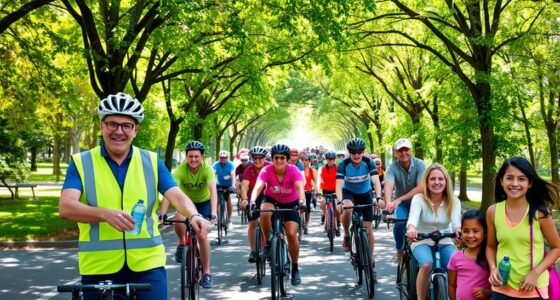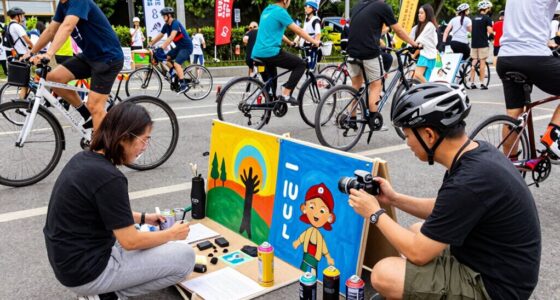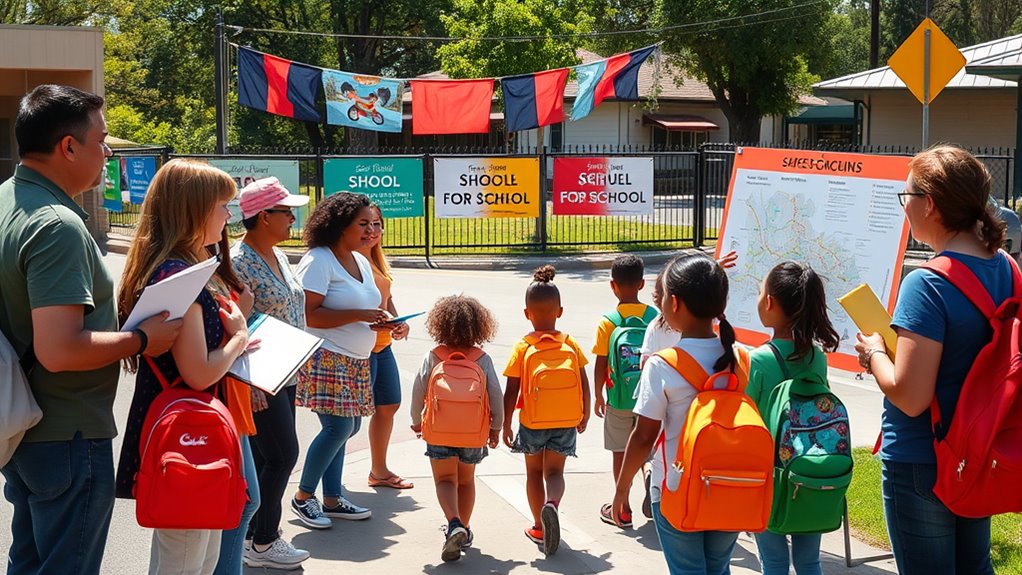

As a parent organizer, you can boost safety by improving infrastructure, such as adding signage, crosswalks, and bike lanes, and repairing sidewalks. Educate children on safe walking and biking habits, and encourage drivers to obey traffic laws. Engage your community through meetings and volunteer efforts to maintain routes and address hazards. Building awareness and collaboration creates a welcoming environment. Keep exploring ways to make active travel safe and fun for everyone involved.

Get your wardrobe favorites delivered free with Prime
- Fast, free delivery on millions of items
- Prime Video, Amazon Music and more included
- Member-only deals all year
Key Takeaways
- Provide parents with resources on infrastructure improvements, safety education, and community engagement strategies.
- Organize safety workshops, route assessments, and volunteer efforts for sidewalk and crosswalk repairs.
- Develop communication plans using flyers, social media, and meetings to promote safe routes and gather feedback.
- Collaborate with local officials, schools, and residents to identify hazards and advocate for infrastructure enhancements.
- Foster a supportive community culture that encourages active travel and ensures safe, welcoming routes for children.
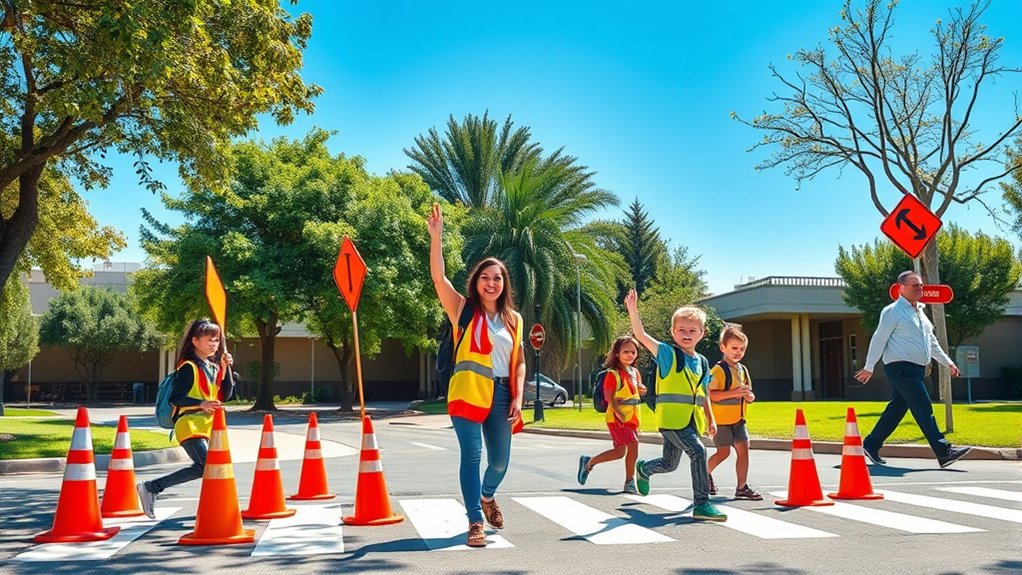
Ensuring safe routes to school is essential for encouraging kids to walk or bike, reducing traffic congestion, and promoting healthier lifestyles. As a parent organizer, your role in fostering these safe routes is crucial. One of the first steps is understanding the importance of cycling safety and neighborhood walkability. When kids feel confident about their safety, they’re more likely to choose active transportation options. You can start by assessing the current conditions around your school, identifying hazards, and working to improve them. This might involve collaborating with local officials to address issues like poorly marked crosswalks, lack of bike lanes, or overgrown sidewalks. Enhancing neighborhood walkability directly influences how safe and inviting the environment is for children traveling on foot or bike. Additionally, fostering a sense of community among residents can lead to more collective efforts in maintaining and improving safe routes. To promote cycling safety, you should advocate for dedicated bike lanes and clear signage that alerts drivers to the presence of young cyclists. Educating children on proper bike handling, wearing helmets, and obeying traffic signals is equally important. Hosting safety workshops or partnering with local law enforcement can help reinforce these lessons. Additionally, ensuring that intersections near schools are well-lit and have visible crosswalk markings makes a big difference in preventing accidents. Creating safe routes isn’t just about infrastructure; it’s also about fostering a culture of safety where children and drivers alike understand and respect traffic rules. Neighborhood walkability plays a vital role in making active travel appealing and safe. As an organizer, you can work with community members to identify barriers like missing sidewalks, uneven pavement, or unsafe crossings. Organize volunteer efforts to repair sidewalks, trim overgrown bushes that block sightlines, and install additional signage or crossing guards where needed. Encouraging local businesses and residents to participate in maintaining the route can also enhance neighborhood walkability. When the environment feels welcoming and secure, parents are more inclined to allow their children to walk or bike to school. Effective communication is key to building support for safer routes. Use flyers, social media, community meetings, and school newsletters to share information about upcoming safety improvements, events, and safety tips. Involving parents, teachers, and local officials creates a network of advocates who can push for continued improvements. By prioritizing cycling safety and neighborhood walkability, you’re helping to create a safer, more inviting environment for children. When kids have safe routes to school, they’re more likely to walk or bike regularly, which benefits everyone through healthier lifestyles, less traffic, and stronger community connections.
kids bike helmets with adjustable straps
As an affiliate, we earn on qualifying purchases.
As an affiliate, we earn on qualifying purchases.
Frequently Asked Questions
How Can I Recruit More Parent Volunteers for Safe Routes Programs?
You can boost community engagement by using outreach strategies like hosting fun events, sharing success stories, and using social media to spread the word. Talk directly to parents at school events and through newsletters to explain the benefits of volunteering. Make it easy for them to get involved by providing clear roles and flexible schedules. Personal invitations and highlighting the positive impact on kids will inspire more parents to volunteer.
What Funding Options Are Available for Local Safe Routes Initiatives?
You can explore various funding sources like local government grants, state transportation funds, and federal programs dedicated to safe routes initiatives. Look for grant opportunities through agencies such as the Department of Transportation or community foundations. Applying for these grants can provide the necessary resources to enhance your programs. Stay proactive by regularly checking for new funding opportunities and building partnerships with organizations that support safe routes to school efforts.
How Do I Address Safety Concerns From Parents and Students?
Like a lighthouse guiding ships, your approach can ease safety concerns. Start with community engagement by listening to parents and students, understanding their worries. Conduct a thorough risk assessment to identify hazards and develop solutions. Share your findings transparently, demonstrating that safety is your top priority. By actively involving the community and addressing issues with clear actions, you build trust and confidence, making the route safer for everyone.
What Metrics Should I Use to Measure Program Success?
You should track metrics like traffic safety improvements, such as reduced vehicle speeds or crossing incidents, to measure your program’s success. Additionally, monitor student participation rates to see how many students are walking or biking to school. Gathering feedback from parents and students can also help assess safety perceptions. These metrics give you a clear picture of how effectively your efforts are promoting safe routes and increasing active transportation.
How Can I Coordinate With Local Authorities Effectively?
Did you know that 75% of successful community initiatives involve active collaboration with local authorities? To coordinate effectively, you should foster ongoing community engagement and build strong relationships with officials. Attend city meetings, share data on safety improvements, and advocate for supportive policies. Clear communication and demonstrating the program’s benefits will help you gain their support, making it easier to implement lasting changes that benefit students and families.
school zone safety crossing signs
As an affiliate, we earn on qualifying purchases.
As an affiliate, we earn on qualifying purchases.
Conclusion
By organizing with purpose and passion, you can transform your school’s commute into a safer, more enjoyable journey—like the good old days of neighborhood camaraderie. Remember, your efforts today lay the groundwork for future generations to walk or bike with confidence. So, don your cape of advocacy and rally others—because, as they say, a rising tide lifts all boats. Together, you’re shaping a safer, healthier path forward, one step at a time.
child pedestrian safety reflectors
As an affiliate, we earn on qualifying purchases.
As an affiliate, we earn on qualifying purchases.
kids' safety education books on biking and walking
As an affiliate, we earn on qualifying purchases.
As an affiliate, we earn on qualifying purchases.
Halloween Picks
halloween
As an affiliate, we earn on qualifying purchases.