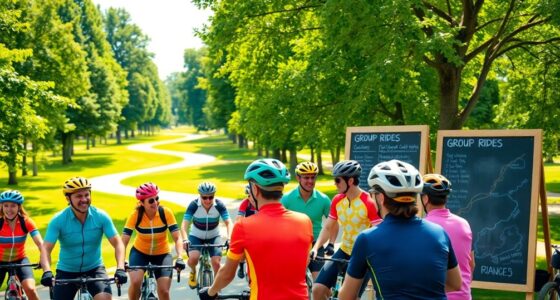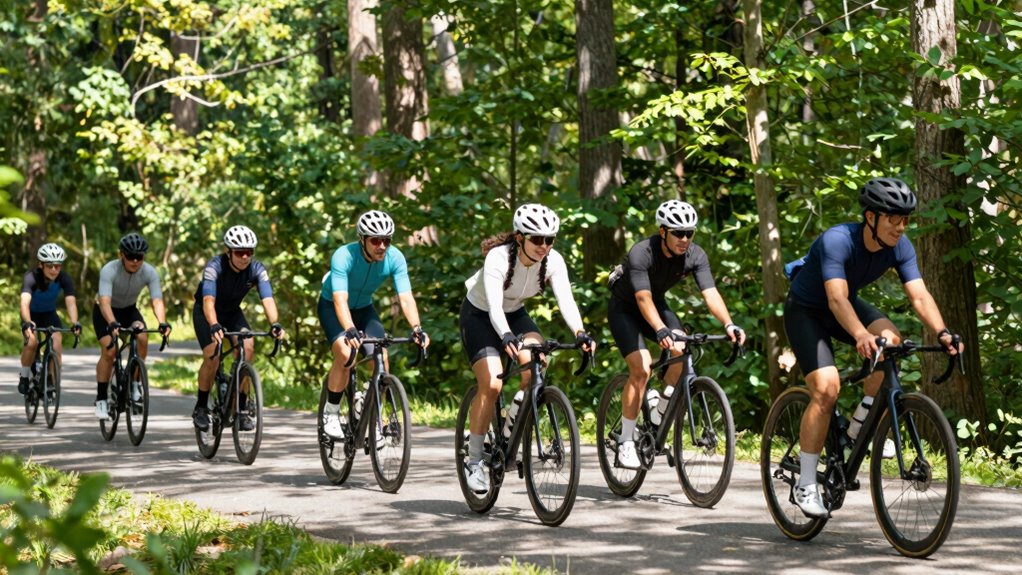

Small group rides work better because you can stay in control of your pace and keep everyone together, making the experience more enjoyable and safer. With fewer riders, communication improves, so you can easily share directions, respond to unexpected situations, and connect with others. It’s easier to plan routes that suit everyone and adjust on the fly. If you stick around, you’ll discover more tips to make your rides even better.

Get your wardrobe favorites delivered free — and shop member deals
- Fast, free delivery on millions of items
- Access to Prime Big Deal Days deals on October 6–7
- Prime Video, Amazon Music and more included
Key Takeaways
- Smaller groups enable better control over pace and reduce chaos during rides.
- They promote clearer communication, enhancing safety and overall enjoyment.
- Route planning and adjustments are simpler with fewer riders, allowing flexibility.
- Reduced group size minimizes the risk of members getting separated or overwhelmed.
- Intimate groups foster stronger connections and camaraderie among riders.
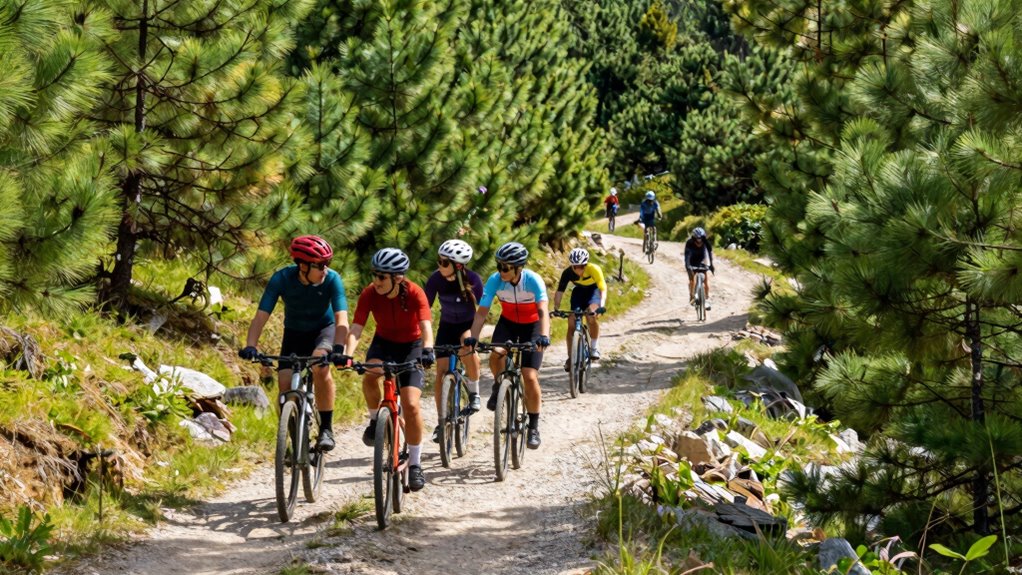
When it comes to group rides, smaller groups often deliver a better experience than huge ones. With fewer riders, you gain more control over the pace, making it easier to stay together and enjoy the surroundings. Large groups can become chaotic, with riders frequently falling behind or rushing ahead, which can disrupt the flow of the ride. Smaller groups allow for better communication, so everyone stays connected, aware of upcoming turns or changes in terrain, and can respond quickly to any unexpected situations. This closeness makes the ride more enjoyable and less stressful. Additionally, smaller groups can foster a sense of community and connection among riders, enhancing the overall experience.
One of the key advantages of small groups is the ability to focus on route planning. With fewer people, it’s easier to select a route that suits everyone’s skill level and interests. You can spend more time discussing the terrain, scenic spots, or rest stops, guaranteeing the ride aligns with everyone’s preferences. Plus, it’s simpler to adjust the route on the fly if needed, whether to avoid obstacles or explore a new trail. Smaller groups also make navigation smoother since you’re less likely to get separated or lost. Everyone can stay on the same page, making the experience safer and more cohesive. Furthermore, understanding the importance of gear compatibility ensures that all riders are prepared, minimizing the risk of delays or accidents caused by mismatched equipment. Recognizing group dynamics can also significantly improve coordination and overall enjoyment during rides. Additionally, being aware of group size considerations can help in planning and executing safer, more enjoyable rides for everyone involved. Furthermore, considering communication methods within small groups can further enhance safety and camaraderie throughout the ride.
As an affiliate, we earn on qualifying purchases.
Frequently Asked Questions
How Do Small Groups Improve Rider Safety?
Small groups improve rider safety by fostering better group cohesion, making it easier to communicate and coordinate. When you ride with fewer people, everyone stays more accountable, ensuring riders follow safety rules and stay alert. This tight-knit setup reduces confusion and helps prevent accidents, as members can quickly react to hazards. Overall, smaller groups create a safer, more controlled environment where riders look out for each other effectively.
What Gear Is Essential for Small Group Cycling?
Think of your gear as your trusty sidekick on every ride. You’ll need essential cycling apparel like a helmet, gloves, and moisture-wicking clothing for comfort and safety. Don’t forget bike maintenance tools—spare tubes, a pump, and a multi-tool—to handle any minor repairs. These essentials keep you prepared, ensuring your small group ride stays smooth and enjoyable, no matter what challenges come your way.
How Do Small Groups Impact Cycling Speed and Endurance?
Small groups boost your cycling speed and endurance by improving group cohesion and allowing better pace control. When you ride with fewer people, you can maintain a consistent pace, reducing unnecessary fatigue. The close-knit environment encourages communication, helping everyone stay motivated and synchronized. This focused dynamic helps you push harder, recover faster, and build endurance more effectively than in larger, less coordinated groups.
Can Small Groups Accommodate Different Skill Levels Effectively?
A stitch in time saves nine, and small groups can effectively accommodate different skill levels through careful ride coordination. You can tailor your pace and routes, ensuring everyone stays comfortable and engaged. By communicating clearly and adjusting your ride, you help beginners learn safely while challenging advanced riders. This flexibility makes small groups ideal for fostering growth, camaraderie, and a positive cycling experience for all skill levels.
What Are Common Challenges in Organizing Small Group Rides?
You might face challenges in organizing small group rides, such as ensuring smooth group coordination and effective ride planning. Balancing different skill levels, setting a comfortable pace, and communicating clearly are essential. You need to plan routes that suit everyone and keep the group together, which can be tricky. Addressing these issues beforehand helps prevent confusion or frustration during the ride, making it enjoyable for all participants.
As an affiliate, we earn on qualifying purchases.
Conclusion
Imagine cruising with a small group, where every turn feels personal and every conversation flows effortlessly. Now picture a massive ride, loud and chaotic, where connections fade amid the crowd. Small rides let you truly bond, share laughs, and enjoy the scenery without distraction. In contrast, huge groups can feel overwhelming and disconnected. Choosing a small group isn’t just about riding; it’s about creating meaningful moments that stay with you long after the ride ends.
As an affiliate, we earn on qualifying purchases.
As an affiliate, we earn on qualifying purchases.
Fall Picks
fall essentials
As an affiliate, we earn on qualifying purchases.