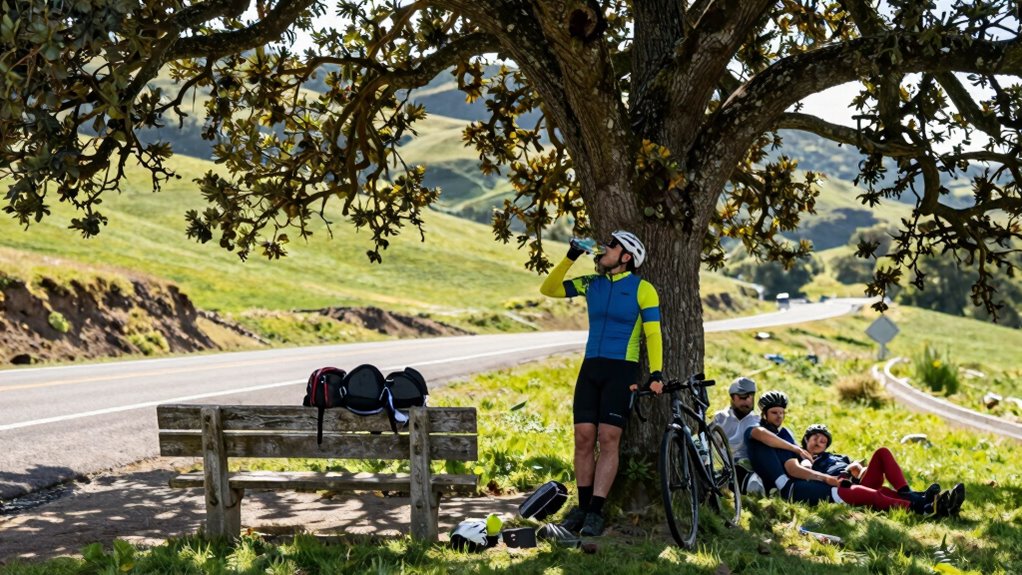

Rest stops are just as important as your ride because they help you reset physically and mentally, preventing fatigue and muscle tightness. They keep you hydrated and nourished, boosting your endurance and focus. Proper stops also allow you to check your equipment and adjust for weather conditions, ensuring safety and comfort. Incorporating strategic breaks can enhance your overall experience and lasting performance. If you keep exploring, you’ll discover how to make every stop count.

Get your wardrobe favorites delivered free with Prime
- Fast, free delivery on millions of items
- Prime Video, Amazon Music and more included
- Member-only deals all year
Key Takeaways
- Rest stops help prevent fatigue, maintaining physical endurance and mental alertness during long rides.
- They allow for hydration and nutrition, stabilizing energy levels and preventing dehydration.
- Rest breaks enable weather adaptation and muscle stretching, reducing stiffness and overheating or cold-related issues.
- They provide opportunities for equipment checks and minor repairs, enhancing safety and prolonging gear lifespan.
- Strategic stops improve overall ride comfort, safety, and enjoyment, making long rides more sustainable and pleasurable.
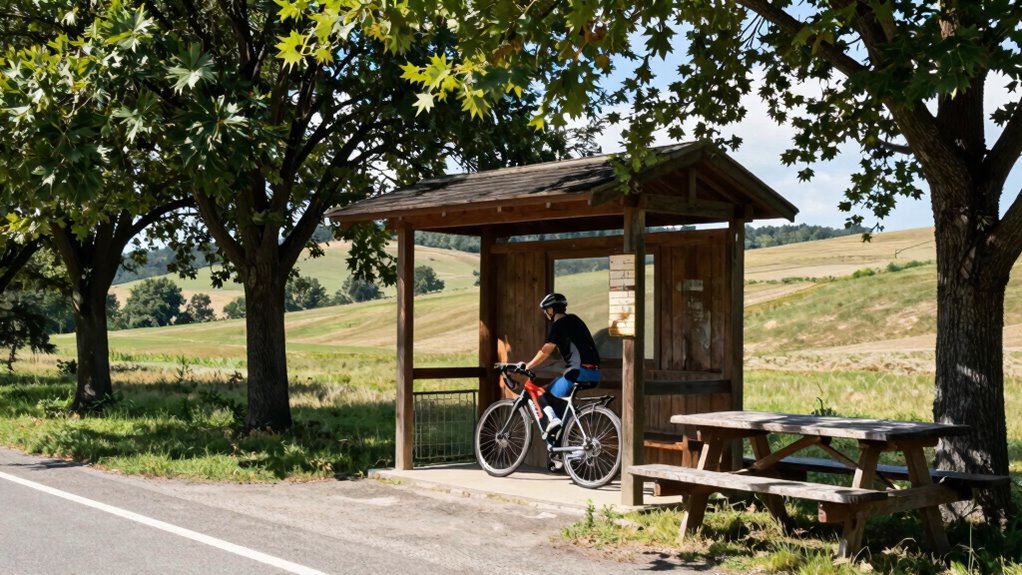
Ever wondered how taking strategic rest stops can improve your riding experience? It’s not just about pausing your pedal strokes; it’s about actively enhancing your performance and enjoyment on the road. Rest stops give you a chance to reset physically and mentally, preventing fatigue from building up and keeping you alert. When you plan your stops wisely, you can implement hydration strategies that guarantee you stay properly fueled and hydrated. Drinking water or electrolyte drinks at regular intervals helps maintain your energy levels and prevents dehydration, which can sap your strength and impair your focus. It’s equally important to pay attention to snack choices during these breaks. Opt for nutrient-dense snacks like nuts, fruit, or energy bars that provide quick energy without weighing you down. These choices sustain your stamina and help stabilize your blood sugar levels, so you don’t experience those dreaded energy crashes mid-ride.
Taking breaks also allows you to cool down or warm up, depending on the weather. Overheating can drain your energy quickly, while cold temperatures can stiffen your muscles, increasing the risk of injury. During your stop, take a moment to stretch your legs and back, which helps improve circulation and reduces muscle tightness. Proper stretching is vital because it keeps your muscles flexible and ready for the next segment of your ride. When you’re well-hydrated and have eaten appropriately, you’ll notice your overall endurance improves, making the ride feel less strenuous and more enjoyable. Rest stops also give you a mental break from continuous cycling, allowing you to savor the scenery, reflect on your progress, or simply enjoy the moment. This mental reset can boost your motivation and help you push through challenging sections. Hydration strategies are a key part of maintaining your energy levels and can make a significant difference during long rides. Additionally, planning your rest stop locations ahead of time can help optimize your ride and ensure you’re taking breaks at safe and convenient points.
Furthermore, rest stops are perfect for checking your equipment and making any necessary adjustments. Whether it’s tightening a loose spoke or adjusting your saddle height, these small fixes can prevent bigger issues down the line. By combining these practical checks with your hydration strategies and snack choices, you’re setting yourself up for a smoother, safer ride. Proper bike maintenance during rest stops is an essential part of ensuring your safety and prolonging the lifespan of your gear. Ultimately, rest stops aren’t just pauses—they’re integral to your overall riding strategy. They keep you fueled, hydrated, and mentally fresh, so you can ride longer and stronger. By prioritizing these breaks, you’re investing in your comfort and performance, turning an ordinary ride into a more enjoyable adventure.
As an affiliate, we earn on qualifying purchases.
Frequently Asked Questions
How Do Rest Stops Impact Rider Safety?
Rest stops greatly impact your safety by allowing you to implement hydration strategies and achieve mental refreshment. When you take breaks, you can rehydrate properly, preventing dehydration that could impair your focus and reaction times. These stops also give your mind a chance to rest, reducing fatigue and maintaining alertness. Staying refreshed and hydrated ensures you stay safe, alert, and ready to handle any unexpected situations on your ride.
What Amenities Are Typically Available at Rest Stops?
At rest stops, you’ll find more than just a quick break; they offer snack options to refuel and restroom facilities to refresh. While the scenic ride excites you, these amenities provide comfort and convenience, balancing adventure with practicality. You can enjoy a quick snack, hydrate, or stretch your legs, making your journey smoother. These facilities guarantee you’re energized and comfortable, turning a simple stop into an essential part of your ride.
How Often Should Riders Stop During Long Rides?
You should stop every 20 to 30 miles or roughly every hour during long rides to refuel and hydrate, supporting your cycling nutrition. Use rest stops to re-apply sunscreen, check your gear, and practice good rest stop etiquette by sharing space politely. Regular stops help prevent fatigue, keep your energy levels stable, and make the ride more enjoyable. Listen to your body, and don’t rush, taking breaks as needed to stay fresh.
Can Rest Stops Help Prevent Common Cycling Injuries?
A stitch in time saves nine—rest stops can definitely help prevent common cycling injuries. By taking breaks, you give your muscles a chance to recover, which reduces strain and fatigue. During stops, you can address cycling nutrition needs and perform quick bike maintenance checks, ensuring your gear stays in top shape. Regular rests keep you comfortable and safe, helping you avoid overuse injuries and enjoy your ride longer.
Are There Recommended Practices for Maximizing Rest Stop Benefits?
Yes, you can maximize rest stop benefits by following recommended practices. Focus on hydration strategies like drinking water or electrolyte drinks to prevent dehydration. Take a few minutes to stretch and mentally refresh, which helps maintain focus and reduce fatigue. Use rest stops to refuel with nutritious snacks, ensuring your energy stays steady. These practices keep you comfortable, boost your performance, and make your ride more enjoyable overall.
As an affiliate, we earn on qualifying purchases.
Conclusion
Just like a well-placed rest stop renews your journey, taking breaks keeps your spirit and body in harmony. They’re the quiet pauses where you gather strength—like a lighthouse guiding you safely through the night. Remember, the road isn’t just about reaching the destination but embracing each moment along the way. So, cherish those pauses, for they’re the shining beacons that illuminate your path, reminding you that rest and ride are forever intertwined.
As an affiliate, we earn on qualifying purchases.
As an affiliate, we earn on qualifying purchases.
Fall Picks
fall essentials
As an affiliate, we earn on qualifying purchases.