
TL;DR

Get your wardrobe favorites delivered free with Prime
- Fast, free delivery on millions of items
- Prime Video, Amazon Music and more included
- Member-only deals all year
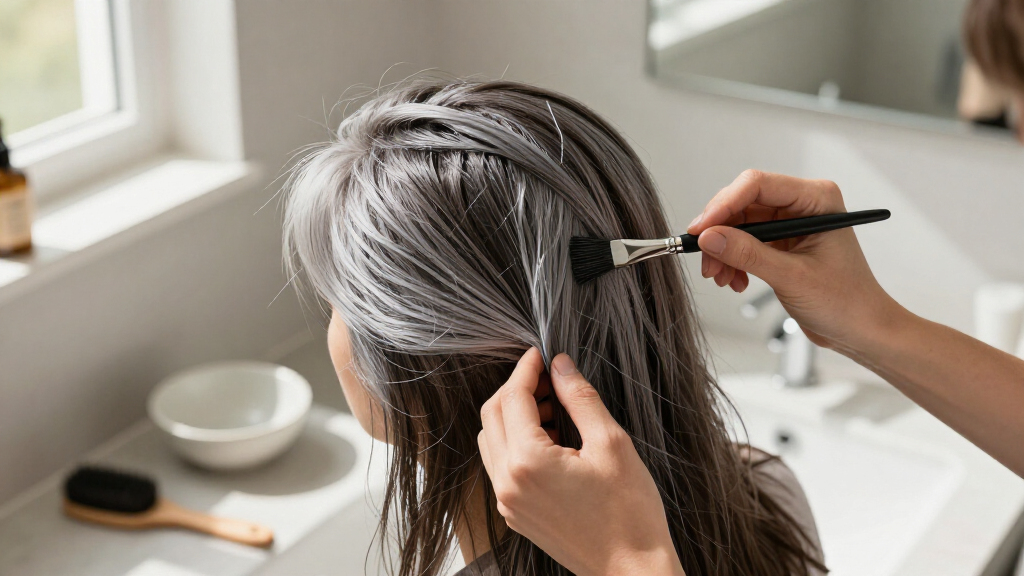
A Harper’s Bazaar report describes root tapping as a salon technique that uses demi-permanent color at the roots to blend gray regrowth with colored hair. A color specialist says it can soften the grow-out and reduce the need for frequent appointments, but the result and maintenance depend on hair and home care.
Root tapping, a salon color technique that applies demi-permanent color at the roots, is being presented as a way to soften the visible line between gray regrowth and dyed hair. In a Harper’s Bazaar report, color specialist Katie Collins of Haug London Haus says the approach can offer less coverage than permanent color while helping clients space out salon visits.
The technique focuses on blending rather than fully covering gray hair. A stylist applies semi- or demi-permanent color at the roots to reduce the contrast between new growth and the existing color. As the product fades, the source says, regrowth can appear more gradual than it would after a sharply defined permanent-color root touch-up. Root tapping does not require someone to switch to all-over silver.
Collins describes the salon’s version as a “lip gloss method”, comparing its lighter coverage and added shine with a more opaque color treatment. She says it can cover up to 70 percent of gray hair; that figure is her description of the service, not a guarantee for every client. The report does not specify a standard formula or application method used by all salons.
How long the color lasts varies with lifestyle and home care. Collins estimates demi-permanent color lasts around 25 washes and says many clients return for a refresh every 8–12 weeks. She recommends color-safe shampoo, heat protectant and cooler water to help maintain the result. Clients comfortable with some visible gray may wait longer, according to Collins.
A Gradual Alternative to Root Coverage
For people who want to let gray grow in without making a sudden change in color, root tapping offers an intermediate option: retain some of the existing dyed look while softening the line at the roots. Its appeal, as described in the report, is less abrupt regrowth and potentially more time between appointments, rather than complete gray coverage or a permanent commitment to a new shade.
The approach may also reduce how often a client uses permanent color, since the technique relies on demi-permanent product and can fade over time. That is not the same as proof that it is risk-free or suitable for every hair type. The practical outcome depends on the starting color, the amount and pattern of gray, the formula selected, and the client’s preferences for visible regrowth.
demi-permanent hair color for roots
As an affiliate, we earn on qualifying purchases.
As an affiliate, we earn on qualifying purchases.
How the Salon Technique Works
Gray regrowth can create a noticeable contrast against previously colored hair. Root tapping addresses that contrast at the roots instead of recoloring the full head with permanent dye. The source frames it as a blending service, not a method for turning all hair gray or hiding every silver strand.
The report also discusses mature hair, which may become thinner or more brittle for some people. Collins says the product used at her salon includes Aquaxyl, which she says helps stabilize moisture and protect against breakage. These comments refer to that salon’s product and should not be taken as evidence that every root-tapping formula contains the ingredient or produces the same effects.
““In the salon, we refer to this as our ‘lip gloss method’ as it adds color, shine, and fullness to hair but doesn’t offer the same level of coverage as a lipstick would.””
— Katie Collins, color specialist at Haug London Haus, as quoted by Harper’s Bazaar
As an affiliate, we earn on qualifying purchases.
Results Vary by Hair and Formula
The report does not establish a single industry-wide definition of root tapping, and salon methods and products may differ. It also does not provide independent testing of claims about moisture, breakage, shine or how much gray can be covered. Collins’s up-to-70-percent coverage and product-related comments are attributed to her salon experience.
There is no universal timetable for fading or refreshing the color: the stated 25 washes and 8–12 weeks are estimates, not promises. The source does not compare root tapping’s cost with other services or say how it performs across different natural hair colors, gray patterns or previous color treatments.
As an affiliate, we earn on qualifying purchases.
Questions to Ask Before Booking
Anyone considering the service can ask a colorist whether the salon uses demi-permanent or semi-permanent color, what level of gray coverage to expect, and how the formula will interact with existing dye. A consultation can also clarify likely fading, the recommended refresh schedule and whether the stylist plans to apply color only at the roots or briefly through the lengths and ends.
The Harper’s Bazaar report says a refresh may include a root application followed by a 5- to 10-minute application through the lengths and ends. That is the reported salon practice, not a fixed procedure for every appointment. The next step for a prospective client is a salon assessment of their hair and desired degree of blending.
color-safe shampoo for color maintenance
As an affiliate, we earn on qualifying purchases.
As an affiliate, we earn on qualifying purchases.
Key Questions
What is root tapping?
It is a salon technique that applies semi- or demi-permanent color at the roots to soften the contrast between gray regrowth and colored hair. It aims to blend gray rather than cover every strand.
Does root tapping cover all gray hair?
Not necessarily. Collins says the service at her salon can cover up to 70 percent, but the report does not present that as a guaranteed result. Coverage depends on the formula, hair and desired finish.
How often do clients need a root-tapping refresh?
Collins says many clients return every 8–12 weeks, while some wait longer if they are comfortable seeing gray. She estimates demi-permanent color lasts around 25 washes; actual longevity varies.
What should I ask a stylist before booking?
Ask what type of color the salon uses, how much gray coverage to expect, how quickly it may fade, and what maintenance suits your hair. The stylist can assess existing color and discuss whether the service fits your goal of blending rather than full coverage.
Source: rss
Halloween Picks
halloween
As an affiliate, we earn on qualifying purchases.