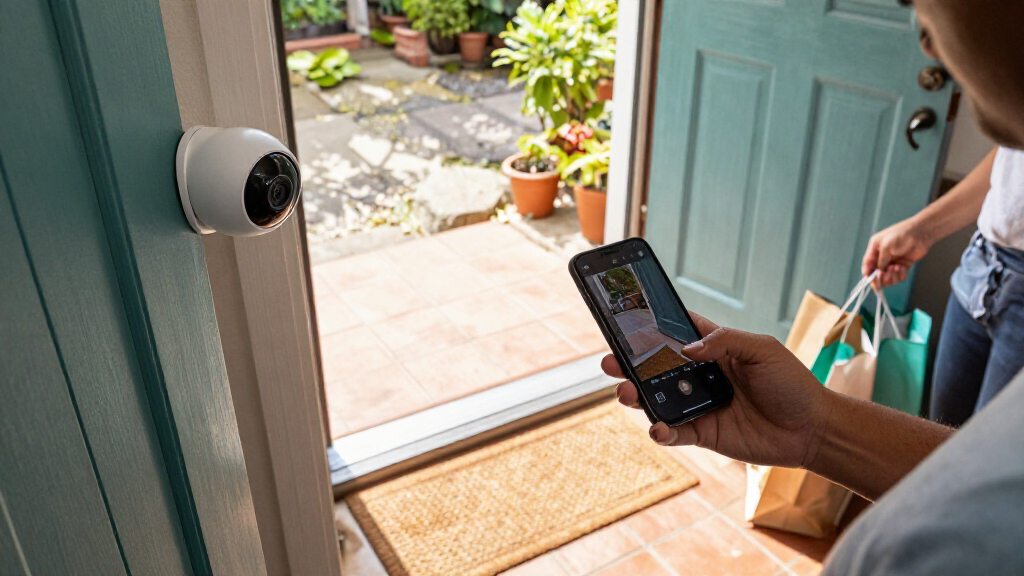
TL;DR
A premium Ring security bundle can combine doorbells, cameras, alarm equipment, accessories, and sometimes a subscription, but “premium” does not name one standard package. Check the exact devices, recording and monitoring terms, compatibility, placement, privacy settings, and total cost before comparing it with buying components separately. If a particular doorbell-and-camera bundle is hard to find, compare current alternatives by matching the features and coverage you actually need.
A box labeled premium Ring security bundle can describe very different setups: one may pair a video doorbell with an outdoor camera, while another centers on an alarm base station and sensors. The label alone won’t tell you what arrives at your door—or which features keep working after a subscription trial ends.

Get your wardrobe favorites delivered free with Prime
- Fast, free delivery on millions of items
- Prime Video, Amazon Music and more included
- Member-only deals all year
This guide helps you read a bundle listing with a clear head. You’ll learn what to check, how to compare a hard-to-find doorbell-and-camera package with current alternatives, and how to account for Wi-Fi, placement, privacy, and ongoing costs. A few minutes spent matching the package to your entryways and routines can save you from buying equipment that leaves the back gate in the dark.
Use the product listing and Ring’s current plan terms as your source of truth before you buy. Product names, package contents, subscription features, and monitoring options can change, so the facts below are a buyer’s checklist rather than a promise about every listing.
“Premium” is not a standardized Ring package name; verify every device, quantity, accessory, and plan detail in the current listing.
Compare a hard-to-find doorbell bundle with alternatives by matching night vision, field of view, device type, power, and the areas you need to cover.
Separate features available with the equipment from recorded video, smart alerts, or monitoring that may require an eligible plan.
Compare bundle and separate-device totals over the same period, including subscription, taxes, installation, and accessories.
Check Wi-Fi, power, camera placement, account security, shared access, and privacy settings before relying on a larger package.
Know what “premium” means before you compare bundles
Premium Ring security bundles are packages of Ring devices or accessories sold together; “premium” is not one standardized Ring package name. The contents can vary by retailer and date, so read the item list and quantities instead of assuming every bundle includes the same camera, alarm, or subscription. A package might pair a video doorbell with outdoor cameras, while another may include a Ring Alarm base station, keypad, contact sensors, and a motion detector.
That difference matters because these devices answer different questions. A doorbell camera can show who is at the front step; an outdoor camera can cover a wider approach or side yard; a contact sensor reports that a protected door or window opened. More device types can broaden what you know, but they do not automatically create better coverage. If the devices overlap at the front entrance while the back gate remains unobserved, the bundle’s large item count may add little practical value.
For example, imagine you live in a narrow townhouse with a front door and a small rear patio. A doorbell and an outdoor camera might cover your two main approaches, while a bundle packed with sensors for several windows could be more equipment than you need. In a larger home with multiple exterior doors, the reverse may be true. Start by listing the events you want to notice—someone approaching, a door opening, or movement in a side yard—and map each device to one of those jobs. This reveals both gaps and duplication before the package price makes the decision feel settled.
The research brief notes that a bundle can refer to different packages sold at different times, and a bundle usually combines several devices or accessories. That makes the exact listing more useful than the word “premium.” Record the model names and quantity for each item, check whether any subscription is included, and save the listing details so you can compare the same package later. The model names also matter for compatibility and installation: a visually similar device may use a different power source or have different capabilities.
Popular right now

Vitamix 5200 Professional-Grade Blender, 64 oz. Container, Black

Dyson V8 Cyclone Cordless Vacuum

Bose QuietComfort Ultra Headphones Gen 1, Lunar Blue
As an affiliate, we earn on qualifying purchases.
Compare replacement options by the feature you actually need
If the Ring Wired Doorbell Pro (3rd Gen) with Outdoor Cam Plus Battery Bundle is difficult to locate, treat its listing status as uncertain and compare current alternatives by matching functions. The supplied product information describes night vision and a wide field of view for the doorbell, while the replacement brief identifies one bundle with the same two broad spec areas. A match on two features is a useful starting point, not proof that two packages are identical. A doorbell paired with a floodlight camera, for example, may change the lighting, power, and placement tradeoffs even if some headline features sound similar.
The alternatives in the research brief include a Wired Doorbell Pro (3rd Gen) with Floodlight Cam Pro (2nd Gen) Bundle, a Wired Doorbell Plus (2nd Gen) with Floodlight Cam Plus package, a three-pack of Outdoor Cam 4K Plus battery cameras, and a four-pack of Spotlight Cam Plus Battery cameras. Each has a different mix of devices and listed overlap. For instance, the Pro doorbell and Floodlight Cam Pro bundle is identified as sharing comparable night-vision and field-of-view specs, while the camera multipacks focus on outdoor coverage and night vision. The tradeoff is package shape: a doorbell-and-camera bundle combines two kinds of coverage, while a camera multipack may give you more outdoor viewpoints but leave the front-door interaction to a separate device.
Use the table as a shortlist, then confirm the detailed specifications on the live product pages. The research brief does not provide every field of view, power requirement, or included accessory for each candidate. A missing detail means you should verify it, not assume the camera performs poorly or matches another model. Pay particular attention to power and mounting because they can determine whether a candidate can cover the location you have in mind at all.
| Alternative described in the brief | Listed feature overlap | What to verify |
|---|---|---|
| Wired Doorbell Pro (3rd Gen) with Floodlight Cam Pro (2nd Gen) Bundle | Comparable night vision and field of view | Exact camera model, included quantities, power and mounting needs |
| Wired Doorbell Plus (2nd Gen) with Floodlight Cam Plus | Comparable field of view | Night-vision details and exact package contents |
| Outdoor Cam 4K Plus Battery, 3-Pack | Comparable night-vision feature | Doorbell inclusion, power, Wi-Fi reach, and camera placement |
| Spotlight Cam Plus Battery, 4-Pack | Comparable night-vision feature | Whether four cameras fit your layout and whether a doorbell is needed |
As one concrete example, if you need a doorbell and a camera aimed at the driveway, the first two alternatives may be closer in shape than a camera-only multipack. If you already own a doorbell and need to watch a side yard and garage, a camera pack may make more sense. Before choosing, compare how many distinct areas each option covers and whether its power and placement requirements fit those areas. The best replacement depends on the gaps you’re trying to close, not on which package has the most devices.
Separate device features from subscription features
A Ring device may provide some functions without a paid plan, while recorded video history, certain smart alerts, and professional monitoring generally depend on an eligible subscription and plan. The exact features can change, so verify the current Ring plan terms for each device and region before you count on a feature. A bundle that includes hardware does not automatically mean it includes ongoing service. This distinction affects how useful the system is after an event: a live notification may tell you something happened, while recorded history may let you review what occurred when you were away.
This distinction becomes obvious in a day-to-day example. Suppose your doorbell sends a live alert when someone presses the button, but you want to review a delivery clip after you get home. Live access and stored video are different jobs; the second may require an eligible plan. If a package includes a trial, check its duration, the devices it covers, and what happens when the trial ends. Don’t treat a trial as permanent service. If you would not pay for the plan later, consider whether the device still serves your purpose with the features available without it.
Make a small two-column list while comparing: “works with equipment” and “requires plan or confirmation.” Put live alerts, recorded history, smart alerts, and monitoring in the appropriate column only after checking current terms. This prevents a common surprise: discovering that the feature you expected to use every week depends on a subscription you didn’t include in your budget. It also helps separate a device that suits your needs on its own from one whose value depends on recurring service.
Ask these questions before buying:
- Does the package include a plan or only a trial?
- Which devices does the plan cover?
- Which alerts, recording features, and monitoring options depend on the plan?
- What happens to stored or recorded videos if you cancel?
For example, a renter who mainly wants a live doorbell notification may value different features from a homeowner who wants to review recordings from several cameras. Neither setup is automatically better. The renter may prioritize low setup costs and simple alerts; the homeowner may decide that ongoing recording access is worth the recurring fee. Match the plan to the way you expect to use your devices, and confirm the current terms instead of relying on a bundle title.
Work out the real cost before the bundle looks like a bargain
The useful comparison is the bundle’s complete cost over the period you care about: equipment, any subscription, taxes, installation, and accessories, compared with buying the same devices separately. Because bundle contents and prices can change, use the current retailer listing and current Ring plan information rather than an old quote. A low upfront total can still leave out service or mounting pieces you need. The time period matters too: a bundle may look cheaper at checkout while a plan makes the overall cost higher over several years.
Try a simple example. You’re considering a doorbell, two outdoor cameras, and a subscription for recorded video. First write down the exact models and quantities in the bundle. Then compare that list with the separate-device listings, add the subscription cost for your chosen period, and include any extra mount or installation expense. If the bundle only contains one camera, compare it with one camera—not with the two-camera setup you intended to build. Otherwise, the lower total may simply reflect that you are buying less coverage.
Keep the math visible. A note on your phone with three rows—“bundle,” “separate devices,” and “separate devices plus plan”—can prevent a rushed decision at checkout. If the package includes a trial, calculate the later plan cost separately, since a trial doesn’t remove ongoing fees. Include taxes and any optional accessories that your layout requires. For a fair comparison, use the same subscription duration and the same device count in each total.
Price is only one part of value. A bundle may save money but include devices that duplicate coverage, use a power source you can’t provide, or leave the side entrance unwatched. Conversely, buying separately may cost more upfront but let you add a camera only where you need one. Think of the package like a grocery multipack: the unit deal helps only if you’ll use what’s inside. The practical question is whether the bundle’s extra devices reduce a real coverage gap enough to justify their price and setup effort.
Compare the same setup over the same time period. Equipment-only totals and equipment-plus-subscription totals answer different questions.
Do this check whenever you see “bundle” or “premium” in a listing. Those words can suggest convenience, but only the itemized contents and full cost tell you whether the package fits your budget and your home.
Check Wi-Fi, power, and placement before adding more cameras
A bundle works only when its devices can connect, receive power, and cover the places you care about. Check the Wi-Fi requirements, power options, mounting needs, and compatibility with your current Ring equipment and smart-home setup. A bigger package can still leave a blind spot if a camera sits too far from the router or points at a wall instead of an approach. These checks are linked: a camera’s best viewing angle may be far from a reliable signal or a practical power source.
Picture a home with a router in the front room, a detached garage, and a back gate. A camera multipack sounds like broad coverage, but the garage camera may have weak Wi-Fi and the gate may sit behind a fence post. Before buying, sketch your floor plan and mark the router, power outlets, doors, and likely camera positions. This takes five minutes and can reveal whether a battery camera, a wired device, or a different placement makes more sense. A camera that cannot maintain a dependable connection may be less useful than a smaller setup placed where it can reliably send alerts.
Power deserves the same attention. The supplied alternatives include battery-powered cameras as well as doorbell and floodlight models, but the brief doesn’t list all installation details. Verify each candidate’s power source and mounting method on its current listing. If you rent, ask whether you can drill or run wiring; if you already have compatible wiring, confirm that the device supports your setup. Battery power can allow more flexible placement, while wired installation may constrain location but avoid relying on battery changes. The right tradeoff depends on access and how much upkeep you want.
Use this quick placement sequence:
- Mark every entrance or outdoor area you want to monitor.
- Check the Wi-Fi signal at each planned camera position.
- Confirm power access and mounting constraints for each model.
- Place cameras to see the approach, not just the doorway or fence itself.
- Review alerts and views after installation, then adjust angles if needed.
For example, a camera aimed at the driveway entrance may catch someone approaching before they reach the front door. A camera aimed too close to a bright porch light may produce a less useful image at night. Better placement can do more for practical coverage than adding another device to a crowded bundle. Sketching likely views before purchase also helps you see whether two cameras would capture the same area while another entrance stays uncovered.
Set up sharing and privacy before the first alert arrives
Ring security equipment can show private views of your home, so decide who can access each device and how recordings are stored before you install it. Use account security features such as two-step verification, review shared-user access, and check video storage settings. A camera can record useful activity, but it cannot guarantee safety or prevent a crime. Access and view settings matter because a useful camera can also reveal household routines or capture areas outside your property.
Imagine that you share a doorbell with a partner and a relative who helps with deliveries. Give each person only the access they need, then review the list if someone moves out or no longer needs access. If the camera points toward a shared walkway or a neighbor’s window, adjust its angle and check the available privacy controls. A few thoughtful settings can reduce accidental recording of places you didn’t intend to monitor. Limiting access also reduces the number of accounts that could expose footage if someone’s login is compromised.
Make the first alert a planned test rather than a surprise. Walk through the camera’s view, check which phone receives a notification, and see whether the image includes the public sidewalk or neighboring property. Then decide which alerts are useful. If every passing car triggers a notification, a phone that buzzes all afternoon becomes easy to ignore. Tune the settings so a person at the door stands out from leaves flickering in the wind. The aim is a signal people will notice and respond to, not the largest possible number of alerts.
Privacy and security checklist:
- Turn on two-step verification if available for your account.
- Review shared users and remove access that is no longer needed.
- Check video storage and recording settings in the current app.
- Confirm the view and alert areas after mounting the camera.
- Keep realistic expectations: cameras document activity but do not promise prevention.
For a household with children, a caregiver, or frequent guests, tell people which areas are monitored and who can view footage. Clear expectations help everyone use the system comfortably, and they make it easier to decide whether a particular camera angle belongs on the front porch, garage, or nowhere at all. Privacy choices are part of system design: a small adjustment to the field of view may preserve useful coverage while avoiding unnecessary recording.
Choose an alarm bundle for the doors and routines you have
A Ring Alarm package is a different kind of security bundle from a camera-and-doorbell kit: it may combine a base station, keypad, contact sensors, and motion detector to alert you when a protected door or area is triggered. Some packages or eligible plans may offer professional monitoring, but availability, emergency response procedures, and cellular backup depend on the plan, location, and setup. Check current terms before treating monitoring as part of the package. In practical terms, sensors report that an event occurred, while cameras can help show what happened; choosing one does not necessarily replace the other.
Consider a ground-floor apartment with a front door and a patio slider. A base station and contact sensors could focus on those entry points, while a motion detector may suit a hallway. A camera aimed at the patio can show what happened, but it does not serve the same role as a sensor that reports a door opening. Think through your routines too: if you often carry groceries through the side door, you’ll want a setup and alert process that works with that habit. A system that triggers frequent avoidable alerts may become frustrating, so sensor placement and everyday movement should be considered together.
If you choose self-monitoring, decide who will receive alerts and what each person will do when one arrives. If you choose professional monitoring where offered, confirm what event types the service handles, how the monitoring center contacts you, and whether local emergency response is available under your plan. The label “monitored” doesn’t tell you those operational details. The tradeoff is not just monthly cost: it is also who is expected to notice and act on an alert, and what response the service can provide in your location.
Before buying, write down every entry point and who uses it. Then match sensors and cameras to specific jobs: one device reports an opening, another provides a view, and the base station connects the alarm components. For a household with a dog or frequent visitors, ask how the chosen motion detector and settings handle everyday movement. The right package is the one whose alerts make sense at 7 a.m. on a busy weekday, not only in a product diagram. Mapping devices to real routines helps you avoid both unprotected entrances and sensors that create more interruptions than useful information.
Monitoring is a service arrangement, not a camera feature. Confirm eligibility, location, response procedures, and backup details with the current plan terms.
Frequently Asked Questions
What does a premium Ring security bundle include?
It depends on the listing. A bundle may combine a video doorbell and cameras, or Ring Alarm equipment such as a base station, keypad, contact sensors, and motion detector. Check the exact models and quantities because “premium” does not identify one standard package.
Is a Ring subscription included with a bundle?
Some listings may include a subscription trial or a plan, while others may include equipment only. Confirm the current listing, the trial length, which devices are covered, and what happens when the trial ends. Recorded video history, some smart alerts, and monitoring generally depend on an eligible plan.
Can I use Ring cameras or Alarm without a subscription?
Ring devices can provide some functions without a paid plan, but the available features depend on the device and current terms. Check the plan page for live alerts, recorded video, smart alerts, and monitoring before buying. If you mainly want to see a live doorbell alert, your needs may differ from someone who wants to review stored clips.
What should I buy if the doorbell and Outdoor Cam bundle is hard to find?
Compare current alternatives by the features and coverage you need rather than assuming a replacement is identical. The supplied shortlist includes a Wired Doorbell Pro (3rd Gen) with Floodlight Cam Pro (2nd Gen) bundle, a Wired Doorbell Plus (2nd Gen) with Floodlight Cam Plus, and outdoor camera multipacks. Verify the live specifications, power, field of view, quantities, and whether a doorbell is included.
Does a Ring bundle include professional monitoring?
Not necessarily. Professional monitoring can depend on the plan, location, and setup, and emergency response procedures or cellular backup may vary. Confirm those details in current Ring terms before counting on a monitoring center as part of your system.
How can I tell whether a bundle is cheaper than buying devices separately?
Compare the same models and quantities, then add the subscription fees for the period you care about, taxes, installation, and needed accessories. A camera multipack is not a direct comparison with a doorbell-and-camera bundle if you still need to buy a doorbell. Keep equipment-only and equipment-plus-plan totals separate.
Will Ring cameras work during an internet or power outage?
That depends on the device, its power source, your network, and any backup features included in your setup. The research brief does not specify outage performance for each alternative, so check the current model and plan details. A battery-powered camera still depends on connectivity for network features, while wired equipment depends on its power arrangement.
Are Ring bundles suitable for renters?
They can be, depending on mounting and wiring rules in your home. Check whether the devices use battery power or require existing wiring, and ask your landlord before drilling or changing fixtures. A renter with a doorbell mount and a battery camera may have different constraints from someone planning a wired floodlight installation.
Conclusion
Choose the Ring bundle that covers the places you care about and includes the features you’ll actually use. Verify its contents, current plan terms, connectivity, power, privacy settings, and full cost before you buy; if a package is hard to find, compare alternatives against those same needs.
A well-placed camera and a clear alert plan can make a front step feel less like a blind corner and more like a place you understand. Start with your doors, your routines, and the view you want to see.