
Starting your journey from couch to bike is all about taking small, manageable steps. Find a comfortable bike and practice in a safe area, gradually building confidence with short rides and proper technique. Set realistic goals, stay consistent, and celebrate your progress along the way. Joining local groups or riding with others can boost motivation and support. Keep an eye on your health and safety, and discover more tips to keep your cycling passion alive.
Key Takeaways
- Start with a comfortable bike and practice in safe, low-traffic areas to build confidence gradually.
- Set achievable goals, like short 10-15 minute rides, focusing on enjoyment and consistency.
- Prioritize proper posture, gentle handling, and warm-up routines to prevent discomfort and injury.
- Join local cycling groups or ride with friends to stay motivated and develop skills.
- Listen to your body, stay hydrated, and incorporate regular activity into your routine for sustainable fitness.

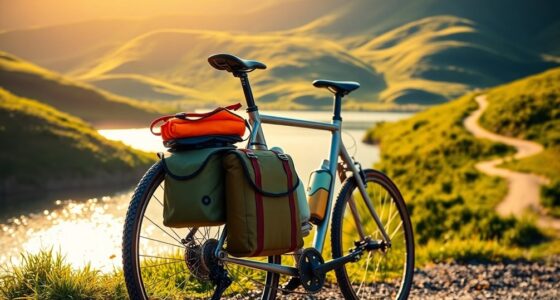
Ever wonder how to turn your sedentary lifestyle into an active one? Starting a fitness journey on two wheels might be just what you need. The idea of hopping on a bike and hitting the road sounds simple, but for many beginners, it can feel overwhelming. The key is to take small, manageable steps and build your confidence gradually. First, find a comfortable bike that fits your height and riding style. You don’t need the latest high-tech model—just something that’s safe and easy to handle. Once you have your bike, get familiar with it. Practice braking, shifting gears if applicable, and riding in an open, low-traffic area. This initial familiarity helps reduce anxiety and builds a foundation for progress.
Start small by choosing a comfortable bike and practicing in low-traffic areas to build confidence gradually.
Next, set realistic goals. Instead of aiming for long, strenuous rides right away, start with short distances—say, 10 to 15 minutes around your neighborhood. Focus on enjoying the experience rather than pushing yourself too hard. Remember, consistency beats intensity at this stage. As you get more comfortable, gradually increase your riding time and distance. Incorporate some gentle warm-ups and cool-downs to prevent soreness. Keep in mind that every ride is a step toward improved fitness and health. Celebrate small victories, like riding a little longer or tackling a new route, to stay motivated.
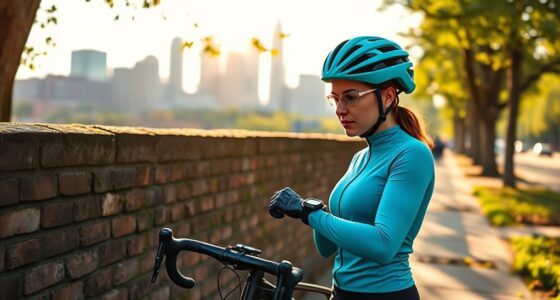
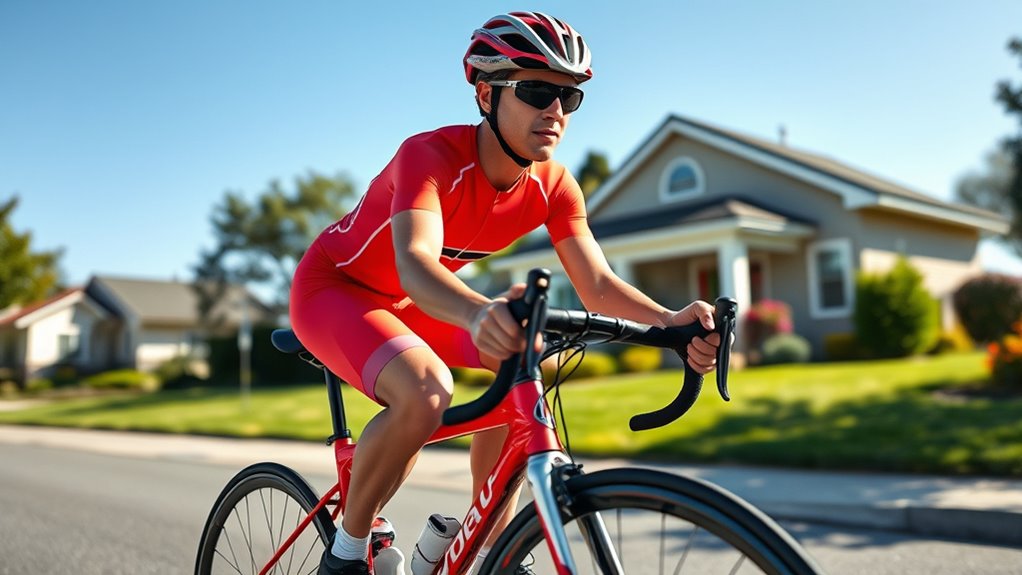
Pay attention to your posture and technique. Keep your back straight, relax your shoulders, and hold the handlebars lightly. Proper positioning reduces fatigue and minimizes the risk of injury. Wearing a helmet and appropriate gear isn’t just about safety but also boosts your confidence. If you’re feeling unsure or nervous, consider joining a local cycling group or taking a beginner’s class. Riding with others can provide encouragement, guidance, and a sense of camaraderie that keeps you committed. Additionally, considering the growing popularity of electric bikes, you might explore affordable electric bikes to make your rides easier and more enjoyable as you build stamina.
Don’t forget to listen to your body. It’s normal to feel some discomfort initially, but pain or persistent fatigue signals you should rest or adjust your pace. Hydration and proper nutrition also play crucial roles in maintaining energy levels and recovery. As your stamina improves, you’ll notice your rides becoming easier and more enjoyable. Over time, cycling can turn from a chore into a favorite activity, helping you shed sedentary habits and embrace a more active lifestyle. The journey from couch to bike might be challenging at first, but each pedal stroke brings you closer to better health, more confidence, and a whole new appreciation for the outdoors. Keep going—you’re capable of more than you think.

KEMIMOTO Bike Travel Bag, Heavy-Duty 900D Water-Resistant with Fixed Buckles & Interior Compartments, Airplane Bicycle Storage Box Cases Fits 26-29 Inch Mountain, Road E-Bikes (55.9" x 12.6" x 33")
Bike Travel Bag Size Details: Unfolded size - 55.91” x 33.07” x 12.60” (142 x 84 x 32...
As an affiliate, we earn on qualifying purchases.
Frequently Asked Questions
What Type of Bike Is Best for Beginners?
If you’re starting out, a hybrid bike is your best choice. It combines features of road and mountain bikes, offering comfort and versatility. Look for one with a relaxed frame, comfortable saddle, and easy gear shifting. You’ll want a bike that’s lightweight and fits your height perfectly. Avoid overly fancy or expensive models at first; focus on a reliable, simple bike that helps you enjoy your rides and build confidence.
How Do I Prevent Saddle Soreness?
To prevent saddle soreness, you should start with a properly fitted bike that matches your body size. Make sure your saddle is at the right height and position, and consider padded shorts for extra comfort. Take regular breaks during rides, and gradually increase your riding time to let your body adapt. Staying hydrated and maintaining good hygiene also help prevent irritation. Remember, comfort is key to enjoying your cycling journey.
What Safety Gear Is Essential for New Cyclists?
When you’re starting out, safety gear is key to keep you protected. Always wear a well-fitted helmet to prevent head injuries, and consider gloves to improve grip and protect your hands. Bright, reflective clothing or accessories help you stay visible to drivers, especially in low light. Don’t forget to use front and rear lights on your bike for added safety. These essentials make your ride safer and more enjoyable.
How Often Should I Ride to See Progress?
You should aim to ride at least 3 to 4 times a week to see steady progress. Consistency is key, so try to stick to a regular schedule that fits your lifestyle. Start with shorter rides, around 30 minutes, and gradually increase your duration and intensity. Listen to your body, and avoid overdoing it to prevent injuries. With regular rides, you’ll notice improvements in strength, stamina, and confidence over time.
How Can I Stay Motivated During Tough Days?
Did you know that consistency boosts motivation? On tough days, remind yourself why you started and focus on small wins. Break your rides into manageable segments, set achievable goals, and reward progress. Visualize your future self feeling stronger and healthier. Remember, setbacks are normal—what matters is showing up and pushing through. Stay positive, keep your passion alive, and celebrate every pedal stroke toward your fitness journey.

Young Bike Rack Hitch for Car - 200LB 2-Bike Rack Hitch Mount Platform Style Hitch Bike Rack,Smart Tilting & Easy Fold for Car SUV with 2 Inch Receiver,Bike Carrier Fits Up to 5-inch Fat Tire
SAFE & STABLE FOR CARS & SUVS:This hitch rack securely holds your bikes with soft padded hooks to...
As an affiliate, we earn on qualifying purchases.
Conclusion
So, you’ve started your journey from couch to bike, and every pedal stroke brings progress. Did you know that just 150 minutes of cycling weekly can boost your cardiovascular health considerably? Keep pedaling, stay consistent, and celebrate each milestone. Remember, every push on the pedals gets you closer to a healthier, more active you. Your fitness adventure is just beginning—embrace the ride and enjoy the transformation ahead!

TANX Bike Racks for Ebikes,Fat Tire Bike Rack for Tow Hitch 2-Bike 160 lbs Capacity,Hitch Bike Rack for Heavy E Bike, Wobble Free Smart Tilting Folding Bicycle Car Racks for Standard, 2 inch Receiver
🚲【Universal 2-Inch Hitch Fit for 2 Bikes & Heavy-Duty Construction】 Effortlessly mounts to any 2" hitch receiver (SUVs,...
As an affiliate, we earn on qualifying purchases.

Young Electric E-Bike Rack with Ramp, Hitch 2 Bike Rack, 200 lbs Capacity Electric Bike Carrier, Foldable Platform Mount for Cars, Trucks, SUVs, Minivans, Up to 5-Inch Fat Tire for 2'' Receiver
200LBS CAPACITY & V-GROOVE RAMP: The latest electric bike rack features an upgrade V-groove ramp for easy loading...
As an affiliate, we earn on qualifying purchases.