
Puncture-resistant tires protect you from flats caused by road debris and rough terrains, thanks to reinforced layers and tougher rubber. Winter tires, on the other hand, give you better grip and control on icy and snowy roads with specialized tread patterns and softer rubber. If you want long-lasting durability, choose puncture-resistant options. For harsh winter conditions, winter tires are your best bet. Keep exploring to understand how each type can keep you safer in different situations.
Key Takeaways
- Puncture-resistant tires prevent flats from road debris, offering durability for everyday driving; winter tires focus on traction in cold, snowy conditions.
- Winter tires improve grip and safety on ice and snow, while puncture-resistant tires mainly protect against sharp objects on rough terrains.
- Puncture-resistant tires are ideal for urban and debris-prone environments; winter tires excel in cold temperatures and winter weather.
- Both types enhance safety but serve different needs: puncture resistance for durability, winter tires for cold-weather traction.
- Using both tires seasonally maximizes protection: puncture-resistant for everyday durability, winter tires for winter safety.
When choosing tires for your vehicle, understanding the differences between puncture-resistant tires and winter tires is essential to making an informed decision. Both types serve specific purposes, and knowing what they offer can help you select the right tires for your driving needs. Puncture-resistant tires are designed to improve tire durability by adding layers or specialized materials that reduce the risk of flats. These tires usually feature reinforced sidewalls or a tougher rubber compound, making them ideal for rougher terrains or urban environments where road debris can cause damage. While they may not excel in extreme winter conditions, they provide a more reliable option for everyday driving, especially if you frequently encounter sharp objects or uneven pavement. Their enhanced durability minimizes the chances of sudden flats, which can be inconvenient and costly, giving you peace of mind on the road. Tire durability is a crucial factor to consider when selecting the right type for your needs. Additionally, their cost-effectiveness over time can make them a practical investment for many drivers. Proper maintenance can help ensure their layers and compounds remain effective over time, and staying vigilant with inspection can help identify potential issues early, extending the lifespan of these tires and maintaining their protective qualities.
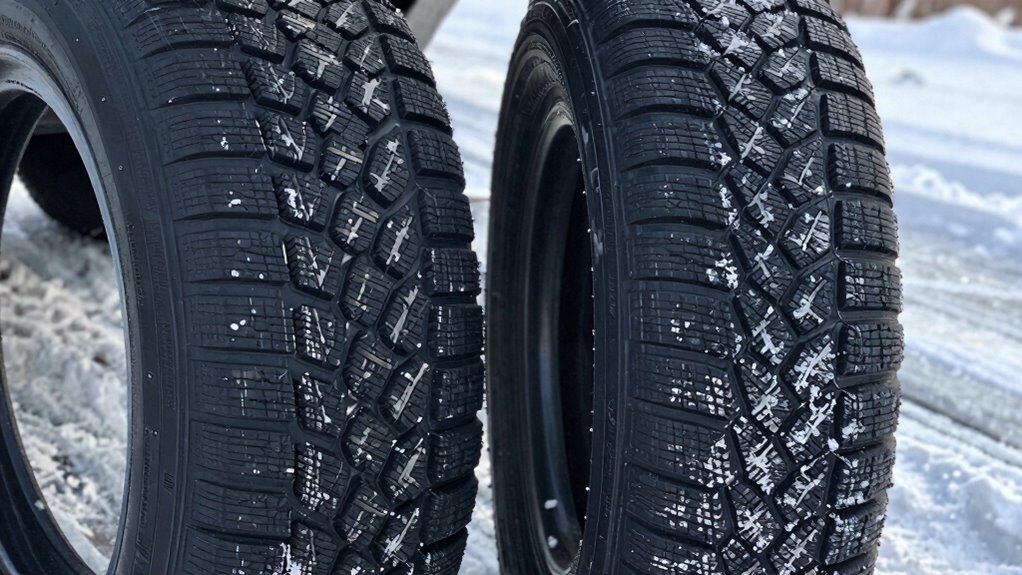
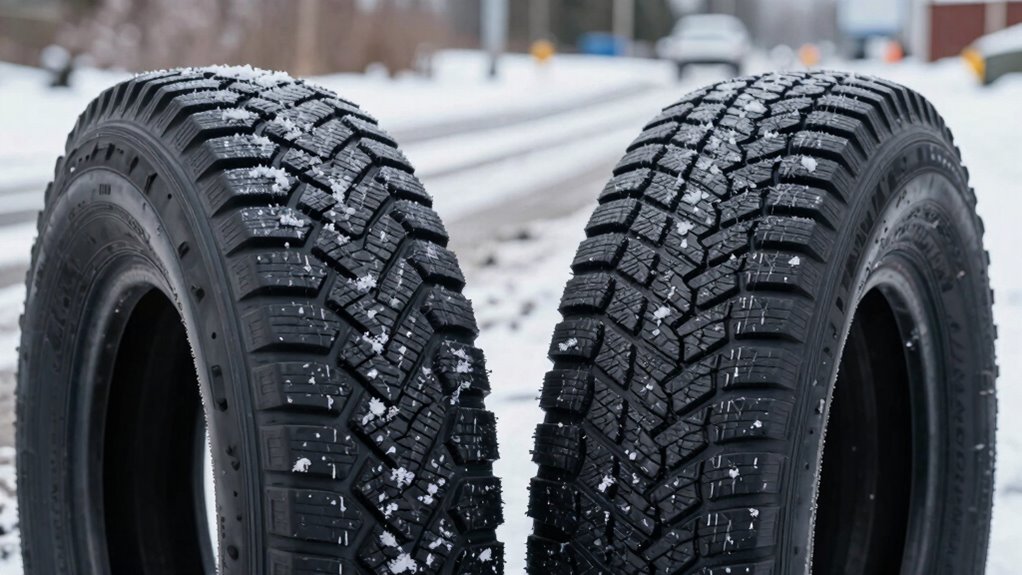
Winter tires, on the other hand, are engineered specifically for cold weather and snowy conditions. They have unique tread patterns with deeper grooves and softer rubber compounds that remain flexible in low temperatures. This flexibility allows for better road grip on icy or snow-covered surfaces, significantly improving your vehicle’s handling and safety. While winter tires might not be as resilient against punctures in comparison to puncture-resistant tires, they excel at maintaining traction in winter conditions. The main benefit is their ability to adapt to slippery surfaces, providing you with more control and confidence when driving in adverse weather. If you live in an area that experiences harsh winters, investing in winter tires is a wise choice to ensure safety and maintain control, especially when road grip is critical. It’s also important to note that seasonal tire changes can be critical for ensuring optimal driving performance and safety during different times of the year.
Ultimately, your decision hinges on your specific driving environment. If you prioritize tire durability and want to reduce the chances of flats, puncture-resistant tires are the way to go. But if your concern is maintaining optimal road grip during winter months, winter tires will serve you better. Keep in mind that these tires are not mutually exclusive; you can choose puncture-resistant tires for year-round use and switch to winter tires during the colder months. Consider your local weather, road conditions, and driving habits to determine which type offers the best protection for your vehicle. Both options aim to keep you safer on the road, just in different ways.

8 Inch 8×2.00-5 Solid Rubber Tire for Electric Scooter or Battery Car, Anti-Puncture Wear-Resistant Replacement Wheel, Black
- Material: Rubber for durability and performance
- Puncture Resistance: Resistant to flats and punctures
- Enhanced Traction: Special lines for better grip
As an affiliate, we earn on qualifying purchases.
As an affiliate, we earn on qualifying purchases.
Frequently Asked Questions
Do Puncture-Resistant Tires Affect Fuel Efficiency?
Yes, puncture-resistant tires can affect fuel efficiency. Their increased tire durability often means they’re slightly heavier than standard tires, which can lead to increased rolling resistance. This extra resistance may result in a small decrease in fuel savings over time. However, the trade-off is improved protection against flats, reducing the likelihood of sudden stops and maintenance costs, making them a practical choice for those prioritizing durability and long-term savings.
Are Winter Tires Suitable for All-Season Use?
Winter tires aren’t suitable for all-season use because their tire material and tread design are optimized for cold, snow, and ice. They provide superior seasonal performance in winter conditions, but they can wear out quickly and underperform in warm weather. If you want reliable year-round traction, consider all-season tires instead, which balance tire material and tread patterns for moderate seasonal performance without compromising safety or longevity.
How Long Do Puncture-Resistant Tires Typically Last?
Puncture-resistant tires can last astonishingly long—often between 50,000 to 70,000 miles—if you keep up with regular tire maintenance and monitor tread wear. Their durability greatly boosts road hazard safety, reducing the chances of unexpected flats. However, to maximize lifespan, avoid aggressive driving and check tire pressure frequently. Proper care guarantees you get the most out of your investment and keeps you safe on every journey.
Can You Use Winter Tires on Dry Roads Safely?
Yes, you can use winter tires on dry roads safely, but keep in mind that their softer rubber compounds and tread patterns are tailored for cold conditions. Warm tire temperature can increase wear, and you might notice reduced road grip and handling performance. If temperatures stay above 45°F, consider switching to summer or all-season tires for better durability and ideal grip, ensuring safer driving and prolonging your tires’ lifespan.
Do Puncture-Resistant Tires Cost More Than Regular Tires?
Yes, puncture-resistant tires generally cost more than regular tires because they’re designed with extra layers of protection to prevent road hazards from causing flats. When you consider tire maintenance, investing in puncture-resistant tires can save you money in the long run by reducing flat repairs. Although they might be pricier upfront, their durability helps you avoid unexpected costs and keeps you safer on the road hazard.

SuBleer 10pcs 175-285mm Anti Slip Tire Snow Chains
- High-Quality Materials: Made with alloy steel and nylon straps
- Universal Compatibility: Fits cars, SUVs, trucks, motorbikes
- Complete Package: Includes 10 tire chains, gloves, storage bag
As an affiliate, we earn on qualifying purchases.
As an affiliate, we earn on qualifying purchases.
Conclusion
Choosing between puncture-resistant tires and winter tires depends on your driving needs. Did you know that about 20% of flat tires are caused by road debris? While puncture-resistant tires offer extra protection against such hazards, winter tires excel in cold, icy conditions. Understanding these differences helps you make a smarter choice. Ultimately, your decision should prioritize safety and driving comfort based on your climate and road conditions. Stay informed and drive confidently year-round!

4 x Fullway HP108 215/60R16 99V XL All Season Performance Tires
- Tire Type: All Season Performance Tires
- Load Range: XL, 4-Ply Rated, 4-PR
As an affiliate, we earn on qualifying purchases.
As an affiliate, we earn on qualifying purchases.
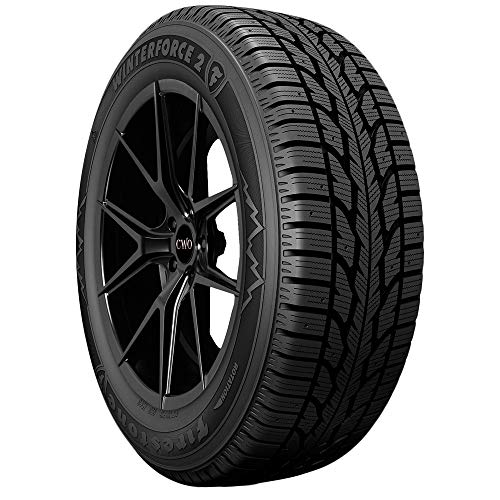
Firestone Winterforce 2 Winter/Snow Passenger Tire 205/60R16 92 S
- Winter Tire for Cold Conditions: Built to Keep You Working Through the Winter
- Reliable Winter Grip: Winter Performance and Grip You Can Rely On
- Durable Tire Life: Long-Lasting Performance
As an affiliate, we earn on qualifying purchases.
As an affiliate, we earn on qualifying purchases.