To avoid the door zone, stay alert for signs of activity like gathering people, open doors, or movement inside parked cars. Position yourself a few feet into the travel lane and keep your eyes moving to catch early cues. Respect space and maintain a safe distance from parked vehicles, making eye contact when possible. Slow down and prepare to stop if you notice a door opening. To learn more about spotting traffic cues and staying safe, keep reading.
Key Takeaways
- Observe parked cars and nearby activity to anticipate potential door openings.
- Position slightly away from parked vehicles to increase safety margins.
- Maintain constant awareness by scanning for signs of movement or gathering around cars.
- Make eye contact with drivers or passengers to confirm intentions before passing.
- Slow down and be prepared to stop if a door unexpectedly opens into your path.
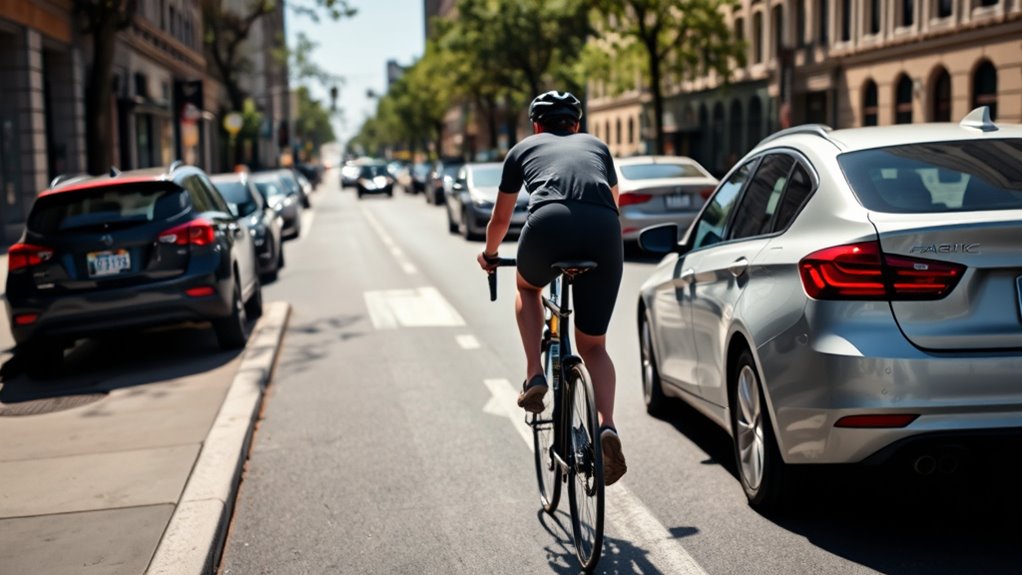
The door zone is one of the most dangerous spots for cyclists and pedestrians alike. When you’re riding near parked cars, it’s easy to become complacent, but the risk of opening doors unexpectedly is real and serious. To stay safe, you need to pay close attention to parking safety and develop strong cyclist awareness. Recognizing when a door might suddenly swing open allows you to react quickly and avoid a collision. Incorporating natural materials like wood and metal into your gear or clothing can also increase visibility and safety, especially in urban environments.
One of the best ways to avoid the door zone is to stay alert when you’re approaching parked vehicles. Look for signs of activity—people gathering, car doors slightly ajar, or movement inside the vehicle. These cues can indicate someone might open a door at any moment. Keep your eyes moving, rather than fixating on a single spot, so you can catch these signs early. If you’re riding in an urban area with lots of parked cars, consider adjusting your position slightly away from the parked vehicles. Moving just a few feet into the travel lane can give you more space and reduce the chances of getting caught in the door zone.
Stay alert near parked cars; look for signs of activity and adjust your position for safety.
Cyclist awareness is vital, especially in high-traffic areas. You should anticipate the possibility of doors opening unexpectedly, and that means maintaining a safe distance from parked cars whenever possible. This isn’t just about avoiding injury; it’s also about maintaining control of your bike and ensuring your safety in traffic. When you see a cyclist ahead or behind you, remember that they might also be trying to read traffic patterns and avoid hazards like the door zone. Respect their space and make eye contact if possible, signaling your intentions clearly.
Parking safety isn’t just a cyclist’s concern—it’s a shared responsibility. Drivers need to be aware of cyclists and pedestrians, and they should open doors carefully to prevent accidents. As a cyclist, you can help by riding predictably and making your presence known. If you notice a car parked with the door slightly open, slow down and prepare to stop if necessary. Use your brakes early and avoid rushing past parked vehicles. This proactive approach keeps everyone safer and reduces the likelihood of a dooring incident.
Ultimately, avoiding the door zone comes down to staying vigilant and reading traffic cues. It’s about cultivating cyclist awareness and respecting the space around parked cars. By doing so, you not only protect yourself but also promote safer streets for everyone. Remember, a little caution goes a long way in preventing accidents and ensuring a smooth, safe ride through busy urban environments.
Frequently Asked Questions
How Can Drivers Predict Pedestrian Crossing Intentions?
You can predict pedestrian crossing intentions by observing their behavior and crossing cues. Watch for pedestrians looking towards traffic, stepping to the curb, or making eye contact, which indicates they’re about to cross. Also, pay attention to their body language, such as hesitation or moving into the crosswalk. Staying alert to these pedestrian behaviors helps you anticipate their actions, so you can slow down or stop safely before they step into your path.
What Are the Best Safety Practices for Cyclists Near Parked Cars?
Did you know that nearly 75% of dooring accidents happen when cyclists aren’t paying attention? To stay safe, always practice parking awareness by looking for open doors before passing parked cars. Keep cyclist visibility high by riding at a safe distance from parked vehicles and using bright lights or reflective gear. This way, you reduce the risk of sudden door openings and stay more alert around parked cars.
How Does Weather Affect Door Zone Risks?
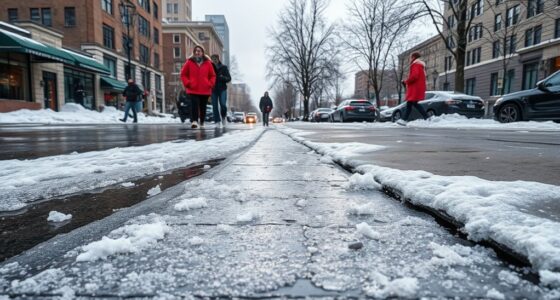
Weather impacts your ability to see and be seen, increasing door zone risks. Rain, fog, or snow reduce visibility, making it harder for you to spot opening doors or approaching vehicles. Slippery surfaces also demand extra caution to avoid falling or losing control. Always slow down in bad weather, stay alert, and give parked cars extra space to minimize danger. Adjust your riding to accommodate these visibility challenges and stay safe.
Are There Legal Penalties for Opening Doors Into Traffic?
Yes, there are legal penalties for opening doors into traffic. Studies show that dooring incidents cause over 1,000 injuries annually. You could face parking violations or liability concerns if you open your door into traffic, especially if it causes an accident. Always check for oncoming vehicles before opening your door, as failing to do so can result in fines or legal action. Stay vigilant to protect yourself and others.
How Can Urban Planning Reduce Door Zone Accidents?
Urban planning reduces door zone accidents by implementing better sidewalk designs and strict parking regulations. You can see wider sidewalks that provide extra space, preventing doors from opening into traffic. Enforcing parking rules guarantees drivers don’t park too close to traffic lanes or crosswalks, minimizing risk. These measures encourage safer door opening, protect pedestrians, and create a more organized, accident-free environment.
Conclusion
So, next time you hop on your bike, remember the door zone isn’t just a silly myth — it’s a deadly game of chance. Ignoring it means risking more than just a dented ego; you could end up as an unintentional human pinball. Stay alert, stay alive, and avoid becoming a tragic cautionary tale in someone’s traffic horror story. Because nothing says “I’m invincible” like a sudden door to the face. Ride smart, or don’t ride at all.