Choosing the right bike computer or tracking device involves balancing features like GPS accuracy, ease of use, waterproofing, and price. The Garmin Edge 540 stands out as the best overall due to its precise navigation and training tools, while the CYCPLUS Wireless GPS Bike Computer G1 offers excellent value for casual riders. For those prioritizing theft prevention, GPS trackers with anti-theft features provide peace of mind, but they often lack detailed ride metrics. The key tradeoffs include balancing advanced features against simplicity and cost. Continue reading for a detailed breakdown of the best options in 2026.

Get your wardrobe favorites delivered free with Prime
- Fast, free delivery on millions of items
- Prime Video, Amazon Music and more included
- Member-only deals all year
Key Takeaways
- Top-ranked products combine accurate GPS with easy-to-read displays, making navigation straightforward.
- Higher-priced options tend to offer more advanced training features and better durability, but may be overkill for casual cyclists.
- Waterproofing and battery life vary significantly; IP67 or IPX7 ratings are common indicators of durability in wet conditions.
- Some devices focus on theft prevention with real-time tracking, but often sacrifice detailed ride metrics.
- User interface simplicity is crucial; overly complex devices can hinder quick data access during rides.
| CYCPLUS Wireless GPS Bike Computer G1 |  | Best Overall for Versatile, All-Weather Use | Display Size: 2 inches | Display: LED | Battery Type: Lithium Polymer | VIEW ON AMAZON | See Our Full Breakdown |
| iGPSPORT BSC100S GPS Bike Computer Wireless 2.6” LCD Display Waterproof Cycling Computer Bluetooth ANT+ |  | Best for Extensive Data and Sensor Integration | Screen: 2.6 inch | Dimensions: 86.7x51x14.9mm | Weight: 67g | VIEW ON AMAZON | See Our Full Breakdown |
| Garmin Edge 540 Compact GPS Cycling Computer | 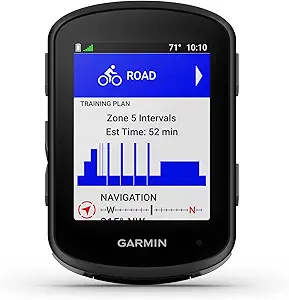 | Best for Performance and Advanced Navigation | Battery Life: up to 26 hours (demanding use) | Navigation: Multi-band GNSS | Display: Button controls | VIEW ON AMAZON | See Our Full Breakdown |
| COOSPO Bike Computer GPS Wireless with ANT+ and Bluetooth, 2.4-inch LCD, IP67 Waterproof |  | Best for Long-Duration, All-Weather Data Recording | Display Size: 2.4 inches | Display: LCD | Battery Life: 80 hours | VIEW ON AMAZON | See Our Full Breakdown |
| GEOID CC600 Color Screen Bike/Cycling Computer Wireless with Route Navigation and GPS |  | Best for Route Navigation and Connectivity | Screen Size: 2.4 inches | Battery Life: 24 hours | Connectivity: Bluetooth, Wi-Fi, ANT+ | VIEW ON AMAZON | See Our Full Breakdown |
| iGPSPORT BSC200S GPS Bike Computer, Wireless Route Navigation, 2.4” Screen, Bluetooth, ANT+, IPX7 Waterproof |  | Best Overall GPS Bike Computer for Versatile Data and Long Rides | Screen: 2.4 inch | Dimensions: 82x53x14.1mm | Weight: 66g | VIEW ON AMAZON | See Our Full Breakdown |
| GPS Tracker for Bikes with Tail Light, Real-Time & Anti-Theft Bike Locator |  | Best Anti-Theft GPS Tracker with Safety Lighting for Night Riders | Compatibility: Apple Find My (iOS only) | Light Modes: 5 adjustable modes | Brightness: Vivid warning beam up to 215 meters | VIEW ON AMAZON | See Our Full Breakdown |
| iGPSPORT BSC500 GPS Bike Computer, 3.3” Touchscreen with Navigation and Training Features |  | Best Touchscreen GPS for Navigation and Training Insights | Display Size: 3.3 inches | Battery Life: 25 hours | Sensor Type: Cadence Sensor | VIEW ON AMAZON | See Our Full Breakdown |
| CATEYE Urban Wireless Bike Computer |  | Best Simple and Reliable Cycling Stats Tracker | Display: LCD | Battery Life: 1 year | Sensor Type: Speed Sensor | VIEW ON AMAZON | See Our Full Breakdown |
| Wireless GPS Bike Computer, 2.4″ Screen, 650mAh, IPX7 Waterproof |  | Best Sensor-Free GPS Computer with Easy Setup and Clear Display | Screen Size: 2.4 inches | Battery Capacity: 650mAh | Waterproof Rating: IPX7 | VIEW ON AMAZON | See Our Full Breakdown |
| bike computers and tracking device | Battery Life |
|---|---|
| CYCPLUS Wireless GPS Bike Comp | 50 hours (average) |
| iGPSPORT BSC100S GPS Bike Comp | 40H |
| Garmin Edge 540 Compact GPS Cy | up to 26 hours (demanding use) |
| COOSPO Bike Computer GPS Wirel | 80 hours |
| GEOID CC600 Color Screen Bike/ | 24 hours |
| iGPSPORT BSC200S GPS Bike Comp | 25H |
| GPS Tracker for Bikes with Tai | Up to 60 hours |
| iGPSPORT BSC500 GPS Bike Compu | 25 hours |
| CATEYE Urban Wireless Bike Com | 1 year |
| Wireless GPS Bike Computer | Up to 28 hours |
More Details on Our Top Picks
CYCPLUS Wireless GPS Bike Computer G1
The CYCPLUS G1 stands out for its simplicity and durability, making it ideal for riders who want reliable GPS tracking without extra frills. Compared to the Garmin Edge 540, it offers a more streamlined experience, focusing on essential ride data with a long-lasting battery over 55 hours. Its waterproof IPX6 rating and glare-free display ensure visibility in all weather conditions, but the small 2-inch screen limits detailed data viewing, and it lacks advanced analytics. This makes it perfect for casual riders or commuters who prioritize endurance and weather resistance over detailed performance metrics.
Pros:- High-accuracy GPS positioning
- Long-lasting battery with over 55 hours of use
- Waterproof IPX6 design suitable for rain
- Bright, glare-free backlit display
Cons:- Limited to handlebar mounting only
- Small screen size may not display detailed data comfortably
Best for: Casual cyclists and commuters seeking a durable, long-lasting GPS device for all weather conditions
Not ideal for: Performance-focused cyclists or triathletes who need in-depth analytics and larger data screens
- Display Size:2 inches
- Display:LED
- Battery Type:Lithium Polymer
- Battery Life:50 hours (average)
- Connectivity Technology:Wireless
- Protection Rating:IPX6
Our verdict“This device is best suited for riders who value durability, long battery life, and weather resistance over advanced features.”
iGPSPORT BSC100S GPS Bike Computer Wireless 2.6” LCD Display Waterproof Cycling Computer Bluetooth ANT+
The iGPSPORT BSC100S offers a larger 2.6-inch screen with extensive data metrics, making it ideal for riders who want detailed insights like speed, calories, and multiple sensor support. Its support for multiple satellite systems ensures quick, precise positioning, rivaling the accuracy of the Garmin Edge 540 in challenging environments. However, the device relies on physical buttons rather than a touchscreen, which can slow navigation, and the interface is only in English, limiting accessibility. It’s best suited for serious recreational riders and data geeks who want comprehensive metrics and sensor compatibility without a steep price.
Pros:- Supports multiple satellite systems for fast, accurate positioning
- Supports extensive riding data metrics
- Long battery life of up to 40 hours
- Waterproof design suitable for all weather conditions
Cons:- Limited to English interface
- No touchscreen, only physical buttons
Best for: Enthusiast riders who prioritize detailed metrics, multiple sensor support, and robust GPS accuracy
Not ideal for: Beginners or casual cyclists who prefer simple interfaces or touchscreen controls
- Screen:2.6 inch
- Dimensions:86.7x51x14.9mm
- Weight:67g
- Battery Life:40H
- Interface:Type-C USB
- Waterproof Grade:IPX7
Our verdict“Ideal for users who need detailed ride data and sensor integration without a complex setup or touchscreen interface.”
Garmin Edge 540 Compact GPS Cycling Computer
The Garmin Edge 540 is tailored for serious riders who want advanced performance metrics and navigation features. Its multi-band GNSS technology provides precise positioning even in challenging terrains, offering more accuracy than simpler devices like the COOSPO GPS. The device’s personalized coaching, climb tracking, and stamina insights support training and race-day performance. Its complex feature set can be overwhelming for casual users, and the price point likely targets dedicated cyclists rather than beginners. This device excels in competitive or long-distance riding where detailed analytics and reliable navigation are critical.
Pros:- Multi-band GNSS technology for high accuracy
- Personalized coaching and performance metrics
- Long battery life for extended rides
- User-friendly button controls
Cons:- Feature-rich interface may require learning
- Potentially expensive for casual users
Best for: Competitive cyclists and serious enthusiasts seeking detailed performance insights and navigation
Not ideal for: Casual riders or beginners who prefer straightforward, easy-to-use devices
- Battery Life:up to 26 hours (demanding use)
- Navigation:Multi-band GNSS
- Display:Button controls
- Features:Personalized coaching, climb tracking
Our verdict“This device is best suited for dedicated cyclists focused on training, navigation accuracy, and performance tracking.”
COOSPO Bike Computer GPS Wireless with ANT+ and Bluetooth, 2.4-inch LCD, IP67 Waterproof
The COOSPO GPS provides a solid balance of accuracy and battery life, supporting up to 80 hours of cycling data recording. Its dual GPS modes and ANT+ support make it suitable for riders with multiple sensors, comparable to the G1 but with more data storage capacity. The sunlight-readable 2.4-inch LCD with auto backlight ensures visibility in diverse conditions, although initial GPS fixes can take 3-5 minutes, which may frustrate some. It doesn’t include sensors or an out-front mount, so users need to buy these separately, making it more of a flexible, long-term data collector for experienced riders.
Pros:- Supports multiple sensors via ANT+ and Bluetooth
- Exceptional battery life of up to 80 hours
- Sunlight-readable LCD with auto backlight
- Waterproof IP67 rating
Cons:- Long initial GPS fix time
- Requires separate sensors and mounts
Best for: Long-distance riders and those needing extensive data storage and sensor support
Not ideal for: Casual cyclists or newcomers who prefer plug-and-play simplicity
- Display Size:2.4 inches
- Display:LCD
- Battery Life:80 hours
- Sensor Support:ANT+, Bluetooth
- Waterproof Grade:IP67
Our verdict“Best for experienced riders who need long-term data logging and sensor versatility in all weather conditions.”
GEOID CC600 Color Screen Bike/Cycling Computer Wireless with Route Navigation and GPS
The GEOID CC600 features a vibrant 2.4-inch color display and supports multiple satellite systems, including GPS, BEIDOU, and GLONASS, ensuring quick 5-second positioning. Its wireless connectivity via Bluetooth and WiFi allows seamless synchronization with apps like STRAVA and TrainingPeaks, making it a strong choice for route navigation and indoor training. Compared to the iGPSPORT BSC100S, it offers more customization options and device compatibility. However, its setup can be complex for newcomers, and the 24-hour battery life might not suffice for multi-day rides. It’s ideal for tech-savvy cyclists who want detailed route and training features in a colorful display.
Pros:- Vibrant color display with intuitive controls
- Supports quick 5-second GPS positioning
- Wireless sync via WiFi and Bluetooth
- Supports indoor training and customizable data pages
Cons:- Limited to handlebar mounting
- Battery life of 24 hours may be insufficient for multi-day rides
Best for: Tech-savvy cyclists who want customizable data, route planning, and wireless connectivity
Not ideal for: Casual riders or those seeking simple, long-lasting devices without complex setup
- Screen Size:2.4 inches
- Battery Life:24 hours
- Connectivity:Bluetooth, Wi-Fi, ANT+
- Supported Satellites:GPS, BEIDOU, GLONASS, QZSS, GALILEO
- Additional Features:Indoor training, route navigation
Our verdict“Ideal for cyclists who want a colorful, connected device with quick navigation and extensive training options.”
iGPSPORT BSC200S GPS Bike Computer, Wireless Route Navigation, 2.4” Screen, Bluetooth, ANT+, IPX7 Waterproof
This model stands out for its robust feature set and long battery life, making it ideal for serious cyclists who want detailed metrics and route navigation. Compared to the iGPSPORT BSC500, the BSC200S offers slightly fewer training features but excels in battery longevity and sensor compatibility, ensuring longer rides without frequent charging. Its 2.4-inch display remains clear in sunlight, which is crucial for outdoor navigation, yet the setup can be complex for newcomers due to its extensive options. For riders craving extensive data and multi-sensor support, this is a strong choice, though beginners or those seeking simplicity might find it overwhelming.
Pros:- Clear 2.4-inch display visible in sunlight
- Supports over 100 riding data metrics and customization
- Long-lasting battery of up to 25 hours
- Compatible with multiple sensors and lights
Cons:- Complex setup process may be daunting for beginners
- Limited to English and a few other languages, reducing accessibility for some users
Best for: Experienced cyclists who need comprehensive data, customizable metrics, and long battery life for extended rides
Not ideal for: Beginners or casual riders seeking an easy-to-use device without extensive setup or data options
- Screen:2.4 inch
- Dimensions:82x53x14.1mm
- Weight:66g
- Battery Life:25H
- Interface:Type-C USB
- Waterproof Grade:IPX7
Our verdict“This device is best suited for experienced riders who prioritize detailed data and lengthy battery life over simplicity.”
GPS Tracker for Bikes with Tail Light, Real-Time & Anti-Theft Bike Locator
This product combines high-brightness LED safety lighting with a GPS tracker that integrates seamlessly with Apple Find My, making it ideal for night riding and theft prevention. Compared to the Wireless GPS Bike Computer, it emphasizes safety and anti-theft features, with a vivid warning beam reaching 215 meters. Its long battery life of up to 60 hours and weather resistance add to its appeal for urban and commuter cyclists. However, its compatibility is limited to iOS devices, and it requires a smartphone connection for GPS tracking, which might frustrate Android users or those seeking standalone devices. It’s a smart choice for iPhone users prioritizing safety and theft deterrence.
Pros:- Combines bike safety light with GPS anti-theft tracking
- Long battery life up to 60 hours with fast USB-C charging
- Weather-resistant with IP65 rating
- Multiple light modes for visibility
Cons:- Compatible only with iOS devices, limiting Android compatibility
- Requires smartphone for GPS tracking, not standalone
Best for: Urban cyclists and commuters who want theft protection combined with safety lighting and iOS compatibility
Not ideal for: Android users or riders looking for a standalone GPS device without smartphone dependency
- Compatibility:Apple Find My (iOS only)
- Light Modes:5 adjustable modes
- Brightness:Vivid warning beam up to 215 meters
- Battery Life:Up to 60 hours
- Waterproof Rating:IP65
- Battery Type:USB-rechargeable (Type-C)
Our verdict“Ideal for iPhone users seeking a dual-purpose device that enhances safety and theft protection during night rides.”
iGPSPORT BSC500 GPS Bike Computer, 3.3” Touchscreen with Navigation and Training Features
This model makes the most sense for riders who prefer a larger, intuitive touchscreen combined with voice navigation and route planning, surpassing smaller displays like the CATEYE Urban. Its 3.3-inch screen offers easy access to detailed maps and training metrics, and support for multiple satellite systems enhances positioning accuracy. The inclusion of voice alerts and route planning makes it suitable for serious cyclists focusing on training or navigation. The setup can be complex for those unfamiliar with advanced devices, and the user interface may require a learning curve. Its IPX7 rating suggests good waterproofing, but specific waterproof features beyond splash resistance aren’t detailed, which might concern riders in very wet conditions.
Pros:- Large, easy-to-use 3.3-inch touchscreen
- Supports multiple satellite systems for precise navigation
- Includes voice alerts and route planning features
- Long battery life of 25 hours for extended rides
Cons:- Complex setup process for some users
- Limited detailed specs and waterproof information in data
Best for: Training-focused cyclists and navigation enthusiasts who want a large touchscreen with voice guidance
Not ideal for: Casual riders or those seeking a simple, straightforward device without extensive setup
- Display Size:3.3 inches
- Battery Life:25 hours
- Sensor Type:Cadence Sensor
- Connectivity Technology:ANT, Bluetooth, USB
- Native Resolution:320×480
- Protection Rating:IPX7
Our verdict“Best suited for tech-savvy cyclists who want a comprehensive navigation and training device with a large display.”
CATEYE Urban Wireless Bike Computer
This device excels for riders seeking an easy, no-fuss way to monitor speed, distance, and calories, offering automatic start/stop and long battery life, far surpassing basic wired models in convenience. Compared to the Wireless GPS Bike Computer, it’s less feature-rich but shines in simplicity and ease of use, perfect for casual riders or commuters. Its auto stop/resume feature ensures accurate data without manual intervention, and a one-year battery lifespan means minimal maintenance. The limited display information and lack of backlit screen could hinder night riding or detailed data analysis, making it less suitable for serious training but perfect for everyday cycling.
Pros:- Easy to mount and adjust with FlexTight Bracket
- Automatically tracks stops and resumes for accurate data
- Long battery life of about one year
- Tracks multiple metrics including calories
Cons:- Limited display information and no backlit screen
- Requires wireless sensor setup which may be an extra step
Best for: Casual cyclists and commuters who want reliable, simple ride tracking without fuss
Not ideal for: Riders requiring detailed metrics, GPS navigation, or advanced features
- Display:LCD
- Battery Life:1 year
- Sensor Type:Speed Sensor
- Connectivity:Wireless
- Mounting:Handlebar Mount
- Protection Rating:IPX8
Our verdict“Ideal for casual riders and commuters seeking straightforward, maintenance-free ride data tracking.”
Wireless GPS Bike Computer, 2.4″ Screen, 650mAh, IPX7 Waterproof
This pick makes the most sense for riders who want a straightforward GPS device with a bright display, without the complexity of sensors. Its automatic backlight and detailed ride data, including speed, distance, and altitude, rival more advanced models like the iGPSPORT BSC200S, but it simplifies installation by eliminating sensors. The 650mAh battery supports up to 28 hours of use, suitable for long rides, and its IPX7 waterproof design ensures durability in wet conditions. The main tradeoff is its lack of sensor support for metrics like cadence or heart rate, making it less ideal for detailed training but perfect for casual or touring cyclists who prioritize ease and visibility.
Pros:- Clear display with automatic backlight for day/night visibility
- Detailed ride data including speed, distance, and altitude
- Sensor-free setup for quick installation
- IPX7 waterproof for wet conditions
Cons:- Limited to GPS tracking without additional sensor support
- Battery life may vary with usage patterns
- Requires USB-C charging cable which may not be compatible with all chargers
Best for: Casual cyclists and touring riders who want a reliable GPS with minimal setup and clear display
Not ideal for: Performance-focused cyclists seeking detailed sensor data or training metrics
- Screen Size:2.4 inches
- Battery Capacity:650mAh
- Waterproof Rating:IPX7
- Battery Life:Up to 28 hours
Our verdict“Perfect for riders who want an easy-to-install, weatherproof GPS device with a bright display and basic ride metrics.”

How We Picked
Products were evaluated based on their GPS accuracy, ease of use, display quality, waterproofing, battery life, and additional features like navigation or training tools. We prioritized devices that balance performance with user-friendly interfaces, ensuring they suit both seasoned cyclists and beginners. Durability and connectivity options, such as Bluetooth and ANT+, also influenced rankings. The top picks offer reliable performance across different riding scenarios, while the lower-ranked options tend to lack either comprehensive features or robustness. This approach ensures a well-rounded selection catering to various needs and budgets.Factors to Consider When Choosing Bike Computers And Tracking Devices
When selecting a bike computer or tracking device, it’s important to weigh several factors that can impact your riding experience and value for money. Beyond basic GPS accuracy, consider how the device integrates with your other gear, its ease of installation, and its durability in different weather conditions. Understanding these key factors helps prevent common mistakes, such as choosing a device with poor battery life or one that is too complicated to operate mid-ride. The right choice depends on your riding style, goals, and budget, so a careful assessment of these aspects ensures you get the best fit.GPS Accuracy and Navigation Features
Accurate GPS tracking is fundamental for reliable navigation and ride data. Devices with dual satellite compatibility (GPS, GLONASS, BeiDou) tend to provide more precise routes, especially in challenging environments like dense forests or urban canyons. Navigation features, such as route planning and turn-by-turn directions, can significantly enhance your riding experience but may also increase device complexity and cost. Consider whether you need advanced navigation or simple distance and speed metrics, as this influences the device’s suitability for your riding style.
Ease of Use and Display Quality
A clear, bright display that’s easy to read in sunlight is essential, especially for quick data checks. Touchscreen interfaces offer convenience but can be less reliable in wet conditions or when wearing gloves. Physical buttons provide durability and tactile feedback but may be less intuitive. Think about the device’s menu structure and whether it supports quick access to key metrics. Simplicity matters, particularly for casual riders or those new to bike computers, to avoid frustration during rides.
Waterproofing and Battery Life
Riders often face variable weather conditions, making waterproofing a critical feature. Most devices now meet IP67 or IPX7 standards, allowing them to withstand rain and splashes. Battery life is equally important—longer-lasting units reduce the risk of running out of power on extended rides. Some models offer quick charging or replaceable batteries, which can be advantageous during multi-day trips. Balancing waterproofing and battery performance ensures your device remains reliable across different riding environments.
Connectivity and Compatibility
Devices that connect via Bluetooth and ANT+ can sync with heart rate monitors, power meters, and other sensors, enhancing your training data. Compatibility with smartphone apps allows for route sharing and ride analysis, adding value beyond basic metrics. Consider whether your current gear supports these connections and if the device can integrate seamlessly. Poor connectivity can lead to data gaps, undermining the benefits of a GPS tracker or bike computer.
Additional Features and Value
Extra features like route navigation, training plans, and theft tracking can influence your decision. However, they often come at a higher price or increased complexity. For casual riders, a simple speed and distance tracker may suffice, while competitive cyclists might prioritize advanced training metrics. Evaluate whether the added features deliver real value for your riding style and goals, and beware of devices that try to do too much without excelling in core functions.
Frequently Asked Questions
Can I use a GPS bike computer without a smartphone?
Yes, many standalone GPS bike computers operate independently without needing a smartphone. Devices with onboard mapping and storage capabilities can record routes, display metrics, and sometimes even navigate without external devices. However, some features, like live tracking or route sharing, may require a smartphone connection. When choosing a device, consider whether you want full independence or the convenience of smartphone integration for additional features.
How accurate are bike GPS trackers for theft prevention?
GPS trackers designed for bicycles typically provide real-time location updates, making them effective for theft recovery. However, their accuracy depends on satellite signals and environmental factors like urban canyons or tunnels. Many models include anti-theft alerts and geofencing, which notify you if the bike moves unexpectedly. While they aren’t foolproof, these devices significantly improve the chances of recovery compared to locks alone, especially if combined with visible tracking hardware.
Are touchscreen bike computers better than button-operated ones?
Touchscreen devices offer intuitive navigation and quick access to features, which appeals to tech-savvy users. However, they can be less reliable in wet or muddy conditions and may require more frequent cleaning. Button-operated units, while often less flashy, tend to be more durable and easier to operate with gloves or in adverse weather. The best choice depends on your riding environment and personal preference for interface style.
How do I choose between a dedicated bike GPS and a multi-sport tracker?
Dedicated bike GPS units focus on cycling-specific metrics, navigation, and durability, making them ideal for serious riders. Multi-sport trackers, while versatile across running, swimming, and cycling, may lack some cycling-specific features or have a less optimized interface. If cycling is your main activity, a dedicated device offers more precise data and specialized functions. For multi-sport athletes or casual users, a versatile tracker might provide better value and convenience.
What should I consider when buying a bike computer for mountain biking?
For mountain biking, durability and waterproofing are paramount, along with GPS accuracy in challenging environments. Look for models with high-contrast, sunlight-readable displays and long battery life to handle extended rides. Features like route navigation and off-road mapping can be beneficial, but avoid overly complex devices that distract from trail focus. A lightweight, rugged design that resists impacts and weather conditions will provide the most reliable experience in rough terrain.
Conclusion
For casual riders or those new to bike computers, the CATEYE Urban Wireless Bike Computer offers straightforward metrics and ease of use. Serious cyclists seeking detailed navigation and training tools should consider the Garmin Edge 540 as the best overall choice. Budget-conscious users will find great value in the CYCPLUS Wireless GPS Bike Computer G1, while those prioritizing theft prevention and real-time tracking might opt for dedicated GPS trackers. Ultimately, your riding style, goals, and budget will determine which device fits best, but this guide aims to clarify the strengths of each option to help you make an informed decision.
Columbus Day / Indigenous Peoples' Day Picks
long weekend sales
As an affiliate, we earn on qualifying purchases.