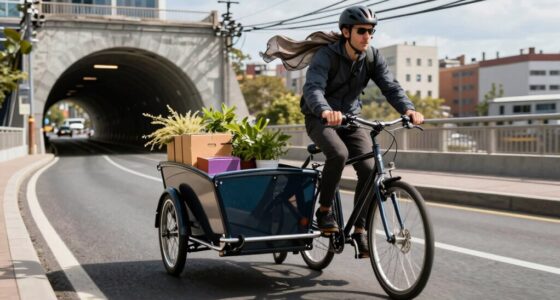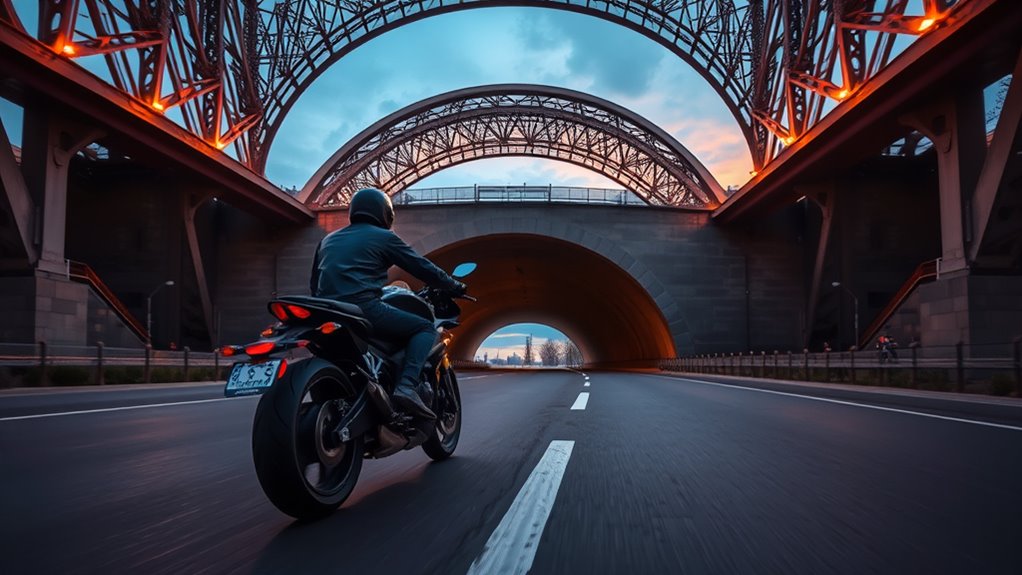

When riding on bridges and through tunnels, stay alert to special visual and auditory hazards like reflections, shadows, and high noise levels that can distract or impair your focus. Keep your lights on, maintain a steady pace, and stay within your lane boundaries. Watch for signs and adjust your speed accordingly, especially in narrow or congested areas. Continuing your journey with awareness of these safety tips will help you navigate these challenging environments more safely.
Key Takeaways
- Approach cautiously, adjusting focus to account for visual distractions like reflections, shadows, and flashing lights.
- Ensure headlights and signals are on and visible, especially in tunnels or low-light conditions.
- Maintain steady speed and stay within lane boundaries, avoiding sudden movements near tolls or construction zones.
- Stay alert to auditory cues such as horns, sirens, or engine sounds, which may be masked by noise amplification.
- Minimize distractions and keep a safe distance from other vehicles to prevent misjudging distances and improve safety.
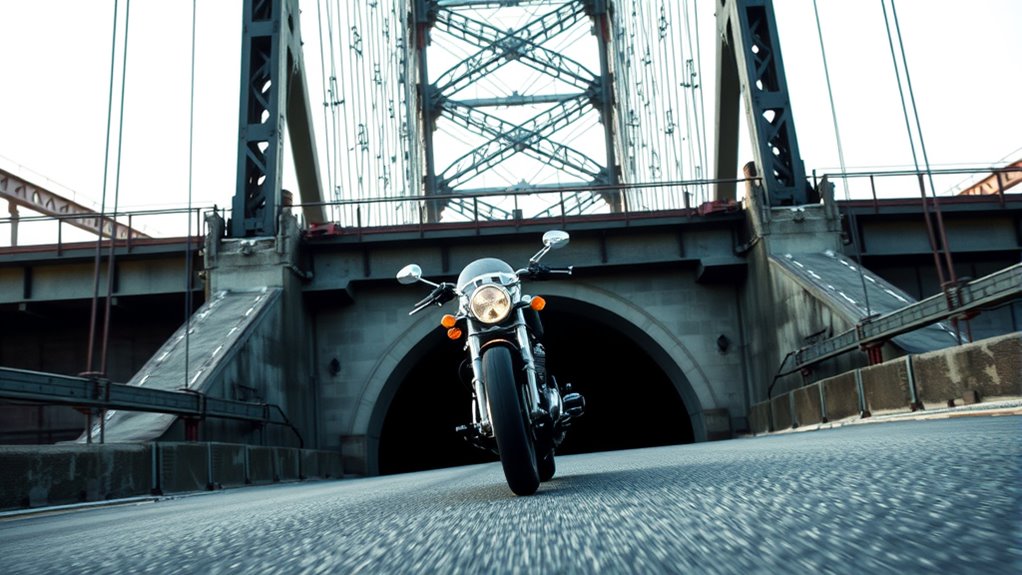
Have you ever wondered how people and vehicles seamlessly cross rivers, valleys, or busy urban areas? Bridges and tunnels are marvels of engineering that make it possible, but riding across them requires heightened awareness. As you approach these structures, you need to be alert to visual hazards that can distract or mislead you. Bright reflections on wet surfaces, moving shadows, or flashing lights from traffic signals and signs can obscure your view of the road or trail ahead. In tunnels, the change in lighting can temporarily impair your vision, making it harder to see obstacles or other riders. It’s essential to slow down and focus your attention, especially when traversing through areas where visual cues might be confusing or incomplete. The increased complexity of such environments highlights the importance of data privacy concerns, as personal information and location data can be at risk when navigating through these areas with connected devices.
Approach bridges and tunnels cautiously; watch for visual distractions and adjust your focus for safe passage.
Noise levels are another important factor to contemplate when riding on bridges and through tunnels. These structures often amplify sounds—traffic noise, horns, engines, and echoes—creating a loud environment that can mask important auditory signals. You might find it difficult to hear horns warning of danger or the siren of emergency vehicles, which could impact your ability to react promptly. High noise levels can also cause fatigue or stress, making it harder to concentrate on your riding. To stay safe, you should wear hearing protection if necessary and keep your ears alert for sounds that could indicate hazards or approaching vehicles. Maintaining a steady pace and staying focused helps you remain aware of your surroundings despite the loud environment.
When crossing a bridge or traveling through a tunnel, it’s vital to be mindful of your position and speed. The narrow lanes and limited shoulder space on many bridges mean you need to stay within your lane and avoid sudden movements. In tunnels, ensure your lights are on and visible to others, and steer clear of distractions that could cause you to drift or lose control. Be prepared for sudden stops or changes in traffic flow, especially when approaching toll booths or construction zones. It’s also wise to follow posted signs and signals, which often provide critical information about speed limits, lane closures, or other restrictions.
In addition, keep a safe distance from other vehicles, especially in the confined spaces of tunnels and on narrow bridges. The combination of visual hazards and noise can sometimes lead to misjudging distances or reacting late. Staying vigilant, maintaining good communication with other riders or drivers, and adjusting your riding style accordingly can markedly reduce your risks. Remember, bridges and tunnels are vital links in your journey, but they demand extra caution to navigate safely amidst the challenges posed by visual hazards and noise levels.

Victoper Bike Light, High Lumens Super Bright Bicycle Lite, 6+4 Modes USB Rechargeable Bike Headlight & Taillight Set, Waterproof Safety Bike Front & Rearlight for Road, Gifts for Father's Day
- High Lumens Brightness: Super bright LED bike lights for visibility
- Multiple Lighting Modes: 6 front and 4 rear adjustable modes
- Durable & Waterproof: Shockproof, IPX4 waterproof for tough conditions
As an affiliate, we earn on qualifying purchases.
As an affiliate, we earn on qualifying purchases.
Frequently Asked Questions
Are There Specific Licensing Requirements for Riding on Bridges and Tunnels?
You need to check licensing requirements before riding on bridges and tunnels, as some areas may have specific rules. Generally, your regular license covers these routes, but you might need special permissions or permits for certain bridges or tunnels. Always verify with local authorities or relevant agencies to confirm you meet any bridge permissions or licensing requirements, avoiding fines or restrictions during your ride.
How Should I Handle Mechanical Issues While Crossing a Bridge or Tunnel?
When you face mechanical issues while crossing a bridge or tunnel, stay calm and prioritize safety. Follow emergency procedures by pulling over safely, turning on your hazard lights, and stopping in a secure spot. Conduct quick mechanical troubleshooting if possible, like checking for leaks or loose parts. If you’re unable to resolve the problem, call for assistance and wait safely until help arrives, ensuring you and others stay protected.
Are There Restrictions on Types of Vehicles Permitted on Bridges and Tunnels?
You should always check for vehicle weight limits and pedestrian restrictions before crossing bridges and tunnels. Some structures restrict heavy vehicles or require special permits, so if your vehicle exceeds weight limits, avoid these routes. Pedestrian restrictions mean you can’t walk or bike in certain areas. Always review posted signs and follow regulations to guarantee safety and compliance. Ignoring these restrictions can lead to fines or dangerous situations.
What Safety Gear Is Recommended for Riding Through Bridges and Tunnels?
You should wear a helmet safety and reflective gear when riding through bridges and tunnels. Studies show that helmets can reduce head injury risk by up to 85%. Reflective gear makes you more visible in low-light conditions, which is essential in tunnels. Always make certain your helmet fits snugly and your reflective gear covers your critical areas. Staying visible and protected helps you enjoy a safer ride through these challenging conditions.
How Do Weather Conditions Affect Riding Safety on Bridges and Tunnels?
Weather conditions like wind gusts and fog markedly impact your safety on bridges and tunnels. Strong winds can cause loss of control, so slow down and maintain a firm grip. Fog reduces visibility, making it harder to see other vehicles and signals. To stay safe, use headlights, avoid sudden movements, and stay alert. Adjust your speed accordingly and be prepared for changing conditions to reduce risks while riding in adverse weather.
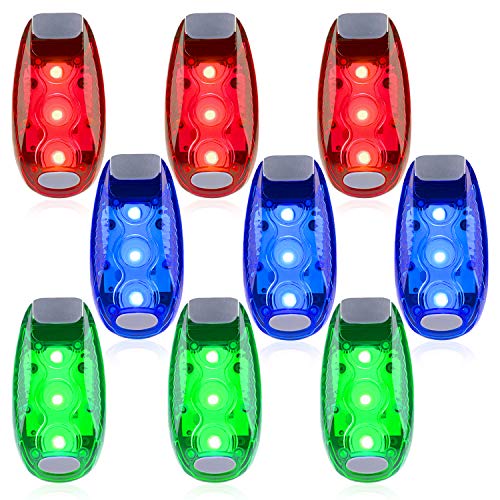
9 Pack LED Safety Lights, Clip-On Flashing Strobe Lights for Night
- Package Includes: 9 lights in three colors with batteries and tools
- Versatile Mounting: Clips for clothes, bikes, helmets, and more
- Durable Material: Made of ABS plastic and high-quality LEDs
As an affiliate, we earn on qualifying purchases.
As an affiliate, we earn on qualifying purchases.
Conclusion
As you navigate bridges and tunnels, remember they’re like life’s rollercoasters—thrilling yet requiring focus. Stay alert, keep your grip firm, and trust your skills to sail smoothly through these adventures. Think of each crossing as a bridge to new experiences, or a tunnel leading to brighter sights ahead. Embrace the journey with confidence, knowing you’re the captain of your ride. With careful attention, you’ll cross every obstacle safely—turning every journey into a smooth, memorable voyage.

Windfree Ear Wind Protection for Cycling & Running – Lightweight Wind Shield for Ears – Reusable Outdoor Ear Wind Guard for Bike & Road Use – Suitable for Hearing Aid Users, Pair (WHITE)
- Comfortable Wind Protection: Reduces wind around ears during outdoor activities
- Lightweight Wind Shield: Designed for cycling and running
- Hearing Aid Compatible: Reduces wind interference without blocking awareness
As an affiliate, we earn on qualifying purchases.
As an affiliate, we earn on qualifying purchases.

SAWNZC LED Reflective Vest Running Gear, 5 Colors Lights Up Running Vest for Night Walking Cycling Jogging, Adjustable Size for Men Women, Rechargeable and High Visible (1, Green)
- Bright LED and Reflective Strip: 360° visibility up to 1000 feet
- Five Color Light Modes: Steady, slow flash, and RGB modes
- Rechargeable via USB: Charges in 50 minutes for 8-20 hours
As an affiliate, we earn on qualifying purchases.
As an affiliate, we earn on qualifying purchases.