
Get your wardrobe favorites delivered free with Prime
- Fast, free delivery on millions of items
- Prime Video, Amazon Music and more included
- Member-only deals all year
Leather or reflective: which style belongs on your bike?
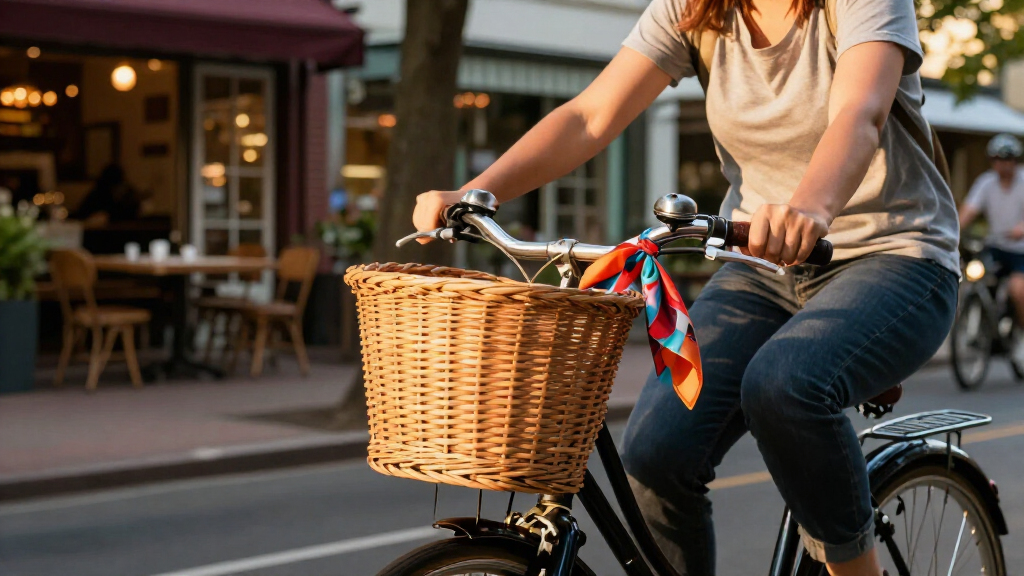
Stylish bike accessories often ask riders to balance two goals: making a bicycle feel personal and looking more visible to other road users. Leather accessories, such as handlebar wraps, saddlebags, and tool rolls, bring a classic finish and can age attractively. Reflective accessories, including bags, straps, ankle bands, and helmet details, use light-catching materials to improve visibility after dark. They are compared because both can add character without changing the bike itself, but they solve different problems.

Waterproof LED Bicycle Spoke Lights, 2-Pack
- ✔ Brand: Dorras
- ✔ Quantity: 2 lights
- ✔ LED count: 14 RGB LEDs

SODPE 8-Piece Bicycle Accessory Set
- ✔ Brand: SODPE
- ✔ Number of pieces: 8
- ✔ Included items: Lights, cables, bottle holder, frame bag, pump, mirror, combination lock, and bell

EMPATHECH Rubber Duck Bike Bell with Stable Clamp and Two Helmet Propellers
- ✔ Brand: EMPATHECH
- ✔ Model: ET-RD-PH-BS
- ✔ Mounting type: Handlebar mount with buckle-style clamp
The practical difference is simple: leather puts appearance and tactile quality first; reflective gear puts conspicuity first. That does not make them mutually exclusive. A rider can pair a leather saddlebag with reflective ankle bands, for example. If choosing one category to lead the look, leather suits daylight rides and classic builds. Reflective accessories suit commuters and anyone who regularly rides around dusk, at night, or in changing weather. The best choice depends on where and when the bike is used, and on whether style or visibility deserves priority.
Waterproof LED Bicycle Spoke Lights, 2-Pack
The Dorras spoke lights make the strongest case for style with a clear riding purpose. Their 14 RGB LEDs per light create up to 30 changing patterns on the wheels, giving the bike a more noticeable look after dark. Compared with SODPE’s conventional front and rear lights, this pair focuses on a more decorative, moving display; compared with the EMPATHECH duck, the visual effect is built into the bike itself rather than perched on the handlebar.The motion-sensor automatic mode can switch the lights on when the wheel moves, while manual operation gives riders another way to control them. Tool-free installation keeps the setup approachable, and an IP66 rating supports use in wet conditions. The key caveat is speed: patterns become more complete as riding speed rises, with a stated threshold of 13 mph. Below that, the display may look unfinished. These lights can add visibility, but their pattern effect should not be mistaken for a substitute for dedicated front and rear lighting.For riders who want a bold wheel accent that is also relevant to night cycling, this is the most balanced pick. SODPE is the better fit for a broader equipment refresh, while EMPATHECH wins on novelty. We would skip Dorras if we mainly ride slowly, want a subdued appearance, or need an all-in-one accessory solution.
Pros:
- 14 RGB LEDs create 30 changing patterns.
- IP66 rating supports use in rainy conditions.
- Automatic motion-sensor and manual control modes.
- Installs without tools.
Cons:
- Patterns may appear incomplete below 13 mph.
- Designed for wet-weather use, not submersion.
- Provides a focused wheel effect rather than a complete accessory setup.
Best for: Riders who want colorful wheel patterns for night rides and prefer an accessory that installs without tools.
Not ideal for: Riders who usually travel below 13 mph, want understated styling, or need lights and practical accessories in one package.
Bottom line: Choose Dorras for the most distinctive night-riding style in this lineup, provided your typical speed lets the wheel patterns develop.
“Choose Dorras for the most distinctive night-riding style in this lineup, provided your typical speed lets the wheel patterns develop.”
SODPE 8-Piece Bicycle Accessory Set
SODPE is the practical choice for riders who want several useful add-ons in one purchase. Its eight-piece assortment includes front and rear lights, a bottle holder, waterproof frame bag, portable pump, rearview mirror, combination lock, and aluminum bell. That breadth gives it a different kind of style from Dorras: instead of one striking visual feature, it helps create a more complete, ready-to-ride setup. Compared with EMPATHECH’s decorative duck, the set is oriented toward carrying gear and covering basic needs.The lights offer three modes and recharge by USB, while their IPX6 rating indicates water resistance. The polyester bag uses a double zipper and Velcro straps to secure it to the frame, and the pump gives riders an option for on-the-go inflation. Those elements make the set useful for commuting or casual riding, especially when a bike still needs basic accessories. Its style is relatively understated, however, and the overall look depends on how well the pieces suit the bike.The tradeoff is that a kit is only convenient when its pieces match our needs. USB charging requires a charging routine, and the bottle holder is described as fitting standard and oversized bottles, which leaves other sizes uncertain. Dorras is more visually distinctive as a single upgrade; SODPE is the sensible pick when breadth matters more than a standout design. Riders who already own most of these items may prefer a focused accessory instead.
Pros:
- Includes eight different cycling accessories.
- USB-rechargeable lights have three modes and IPX6 water resistance.
- Waterproof frame bag has a double zipper and securing Velcro straps.
- Portable pump can be carried for on-the-go inflation.
Cons:
- Lights need USB charging.
- Bottle fit is specified for standard and oversized bottles, leaving other sizes unclear.
- The bundle may include pieces a fully equipped rider does not need.
Best for: Newer riders and commuters who need several everyday accessories, including lights, storage, and a portable pump.
Not ideal for: Riders with a well-equipped bike, those seeking a single striking style detail, or anyone whose bottle size may not fit the holder.
Bottom line: Pick SODPE when a broad set of practical accessories matters more than a single bold visual statement.
“Pick SODPE when a broad set of practical accessories matters more than a single bold visual statement.”
EMPATHECH Rubber Duck Bike Bell with Stable Clamp and Two Helmet Propellers
EMPATHECH is the most whimsical option here. The rubber duck mounts to a handlebar with a buckle-style clamp, and the set adds two spinning helmet propellers: one for the duck and one for the rider. Pinching its tail produces a 48-decibel squeak. This accessory puts personality ahead of broad utility, making it a sharper contrast to SODPE’s practical assortment and Dorras’s wheel-focused lighting display.The clamp is designed to hold the duck securely, and its mounting options extend beyond bicycles to scooters, strollers, wheelchairs, and golf carts. That versatility makes it an unusual decorative pick for more than one kind of ride or outing. The black shark color gives the design a specific look, while the compact dimensions keep it small enough to sit on a handlebar without dominating the whole bike.We would choose it for a casual ride or as a playful visual accent, not as the main safety feature on a bike. Assembly is required, and the squeak is described for casual situations, so it should not be treated as a robust signaling solution. Dorras is the stronger choice for night visibility, and SODPE supplies more riding essentials. EMPATHECH makes sense when having a distinctive, lighthearted accessory is the point; riders looking for functional upgrades should put the other picks first.
Pros:
- Includes a duck and two spinning helmet propellers.
- Buckle-style handlebar clamp is designed to hold it securely.
- Can mount on scooters, strollers, wheelchairs, and golf carts.
- Tail produces a 48-decibel squeak.
Cons:
- Assembly is required.
- Squeak is described for casual situations.
- Offers less practical riding utility than the SODPE set or Dorras lights.
Best for: Riders who enjoy novelty accessories and want a playful handlebar decoration that can also attach to other equipment.
Not ideal for: Riders prioritizing practical safety gear, a quiet or understated bike, or a bell intended for dependable signaling.
Bottom line: Choose EMPATHECH when playful character matters most and treat its squeak as a casual feature rather than your primary signal.
“Choose EMPATHECH when playful character matters most and treat its squeak as a casual feature rather than your primary signal.”
As an Amazon Associate we earn from qualifying purchases.
At a Glance
| Criteria | Leather bike accessories | Reflective bike accessories | Winner |
|---|---|---|---|
| Visual style | Classic, understated look that pairs well with steel frames and traditional builds | Sporty or technical look, with styles ranging from subtle accents to bold panels | A |
| Low-light visibility | Little visibility benefit unless paired with reflective details | Strong advantage when illuminated by headlights or other direct light | B |
| Weather resistance | Varies by leather treatment; moisture can stain or stiffen untreated leather | Often made from synthetic materials that handle rain better, depending on construction | B |
| Care and upkeep | Needs occasional cleaning and conditioning | Usually easy to wipe clean; reflective surfaces can degrade with abrasion | B |
| Durability | Can last for years with suitable care, though seams and surface can wear | Varies by material and stitching; rough use can scratch or reduce reflectivity | Depends |
| Versatility | Works well for commuting and leisure when weather and visibility needs are covered separately | Useful across commuting, touring, and leisure rides, especially after dark | B |
| Typical value | Often costs more than basic fabric accessories; value comes from finish and long use | Affordable options are common; premium designs can cost more for fit, construction, and finish | Depends |
Key Differences
What separates the two choices
Leather is primarily a design and material choice. Its appeal comes from texture, restrained colors, and the way a well-made piece can complement a classic bicycle. It can make a practical item such as a saddlebag feel considered rather than purely utilitarian. That visual payoff is real, but it does not replace lights or reflective details. Leather alone does little to help a driver see a rider in poor light, and some leather products require protection from heavy rain.
Reflective accessories answer a different need. Their material sends light back toward its source, so a driver’s headlights can make a rider’s bag, clothing, or moving legs easier to notice. The benefit depends on placement, light angle, and the presence of a light source; reflective trim is not a substitute for legally required bicycle lights. The look can be more technical, although small accents and carefully chosen colors can keep it understated. Many synthetic products are also easier to clean, but abrasion and poor construction may wear reflective surfaces over time.
For most riders who travel after dark, visibility should take priority over a coordinated material palette. For daytime leisure riders with lights and visibility already covered, leather may be the more satisfying purchase. Riders need not treat this as an all-or-nothing decision: use leather for the accessory that sets the bike’s character and add reflective pieces where they can be seen from the front, side, and rear.
Detailed Comparison
Visual style (Leather bike accessories wins — moderate)
Leather wins by a moderate margin for riders seeking a classic finish. Its grain and warm tones suit traditional frames and understated builds, and a bag can look better integrated than a high-visibility item. Reflective accessories offer more contemporary, athletic styling and a wider range of conspicuous designs. If the goal is a coordinated vintage look, leather is the clearer choice; if a technical commuter appearance is welcome, reflective gear can fit just as well.
Low-light visibility (Reflective bike accessories wins — major)
Reflective accessories win by a major margin. A reflective bag panel or ankle strap can catch headlights and help reveal the rider’s position or movement. Leather contributes almost nothing to that effect. Reflective material works only when light reaches it, so riders still need functioning front and rear lights and should avoid relying on a single accessory. For regular evening travel, this is the most consequential difference.
Weather resistance (Reflective bike accessories wins — moderate)
Reflective accessories generally win by a moderate margin. Many use synthetic fabrics that are easier to wipe down and may tolerate wet commutes better than untreated leather. Product construction matters: seams and closures can still admit water, and not every reflective item is waterproof. Treated leather can cope with some exposure, but it typically needs more attention and may be damaged by repeated soaking. Check the item’s stated weather rating rather than assuming either category is fully waterproof.
Care and upkeep (Reflective bike accessories wins — minor)
Reflective accessories win by a minor to moderate margin. Most synthetic pieces need little more than a wipe or gentle wash, while leather may need cleaning, drying away from direct heat, and occasional conditioning. On the other hand, aggressive cleaning can harm reflective finishes, and a badly worn reflective surface loses usefulness. Riders willing to care for leather can keep it looking good; people who want low-maintenance gear will usually prefer synthetic materials.
Durability (moderate difference)
This depends on build quality and use. A sturdy leather accessory can serve for years and develop a patina, but water, sun, and neglected care can shorten its life. Reflective pieces can also last through regular use, though friction, flexing, and washing may damage their reflective coating or trim. There is no dependable category-wide winner; inspect stitching, attachment points, closures, and care guidance before buying.
Versatility (Reflective bike accessories wins — moderate)
Reflective accessories win by a moderate margin for mixed schedules. They serve a clear purpose during evening commutes and can still be used on daytime rides. Leather accessories work across casual rides, errands, and commuting, but riders who use them after dark need separate visibility measures. A reflective strap or removable bag cover can be carried only when needed, while leather is more often a permanent part of the bike’s look.
Value (moderate difference)
Neither category wins for every budget. Basic reflective accessories can offer useful visibility at a relatively low cost, making them a practical purchase for night riders. Leather can justify a higher price when the item is well made, fits the bicycle, and will be used for years; paying extra solely for the material makes less sense if it will see heavy rain or rough handling. Compare the particular item’s construction, warranty, and intended use rather than treating either material as a guarantee of quality.
Leather bike accessories: Pros and Cons
Pros:
- Adds a timeless, tactile finish to a bicycle
- Can age attractively when cared for
- Often suits classic frames and understated styling
Cons:
- Provides little help with low-light visibility
- May need conditioning and protection from repeated wet weather
- Well-made pieces can cost more than basic alternatives
Reflective bike accessories: Pros and Cons
Pros:
- Improves visibility when illuminated by headlights
- Often easy to clean and practical for commuting
- Available in removable items as well as bags and clothing details
Cons:
- Some designs can look more technical than classic
- Reflective surfaces may wear from abrasion or repeated washing
- Does not replace active bicycle lights
Who Should Choose What
Choose Leather bike accessories if:
- You mostly ride in daylight and want a classic, coordinated bicycle setup.
- You value leather’s texture and are willing to maintain it.
- You want a durable-feeling bag or tool roll and have visibility covered separately.
Choose Reflective bike accessories if:
- You commute at dusk or after dark and want to be more noticeable to traffic.
- You prefer accessories that are easy to wipe clean and use in mixed weather.
- You want an affordable visibility upgrade before spending on decorative details.
Skip both if: Skip both as your first purchase if you lack working bicycle lights or weatherproof storage for essential items; address those functional needs before choosing accessories for appearance.
Value for Money
Is the higher price worth it?
Pay more for leather when the finish matters to you, the piece is well constructed, and you expect to use it long enough to appreciate its character. A premium leather saddlebag can be worthwhile on a carefully built touring or city bike, particularly if it receives routine care and is not left exposed to heavy rain. It is poor value if the main need is visibility or if the accessory will be treated as disposable commuter gear.
Reflective accessories often deliver stronger practical value for riders who travel in low light: a modest purchase can add visibility at the points where drivers may notice motion or the outline of a bag. Premium versions merit their price when they offer better fit, secure attachment, durable stitching, or more useful reflective coverage. For many commuters, the most sensible spend is a reliable lighting setup plus a few reflective details; leather can come later as a style choice.
Final Verdict
Choose reflective accessories if you ride after dark or want a practical upgrade for everyday commuting. Their visibility benefit is the strongest functional advantage in this comparison, and the category often asks less care from its owner. Choose leather if your rides are mostly in daylight, your lighting and visibility needs are already handled, and a classic look matters enough to justify the upkeep and possible extra cost. The deciding factor is when you ride: for frequent low-light use, reflective details are the better first purchase; for daylight style, leather is the more rewarding choice.
Many riders will get the best result from both: keep leather for the bag or handlebar detail that defines the bike, then add reflective accents where headlights can reach them. That combination preserves a personal look without giving up a useful visibility aid.
Frequently Asked Questions
Are leather bike accessories visible at night?
Leather by itself is not reflective, so it offers little visibility benefit under headlights. Add reflective bands, panels, or stickers and use working bicycle lights for night rides.
Can leather bike bags be used in the rain?
Some treated leather can handle light exposure, but repeated soaking may stain or stiffen it. Check the maker’s care guidance and use a rain cover or waterproof liner when the contents need protection.
Do reflective accessories replace bike lights?
No. Reflective material returns light toward its source, while bicycle lights provide active illumination. Use both where appropriate and follow local lighting rules.
Which option is better for commuting?
Reflective accessories are the stronger default for commuters who ride in low light or wet conditions. Leather can still work for commuting when the rider protects it from weather and adds separate visibility gear.