Understanding bike geometry helps you find a setup that offers both comfort and control. Key aspects include frame angles, like the head tube and seat tube, which influence handling, stability, and rider position. Longer wheelbases provide more stability, while shorter ones make the bike more nimble. Adjusting these elements to your riding style guarantees a smoother experience and greater safety. Keep exploring to discover how fine-tuning your bike’s geometry can elevate your cycling enjoyment.

Get your wardrobe favorites delivered free — and shop member deals
- Fast, free delivery on millions of items
- Access to Prime Big Deal Days deals on October 6–7
- Prime Video, Amazon Music and more included
Key Takeaways
- Frame angles, like head tube and seat tube angles, influence handling and rider positioning for comfort and control.
- A steeper head tube angle offers quick steering, enhancing maneuverability, while a slacker angle improves stability.
- Wheelbase length affects bike stability; longer wheelbases provide smoother rides, shorter wheelbases increase responsiveness.
- Understanding the interplay between geometry components helps tailor bikes for specific riding styles and terrain.
- Proper bike geometry alignment reduces fatigue and enhances safety by matching bike setup to rider size and intended use.
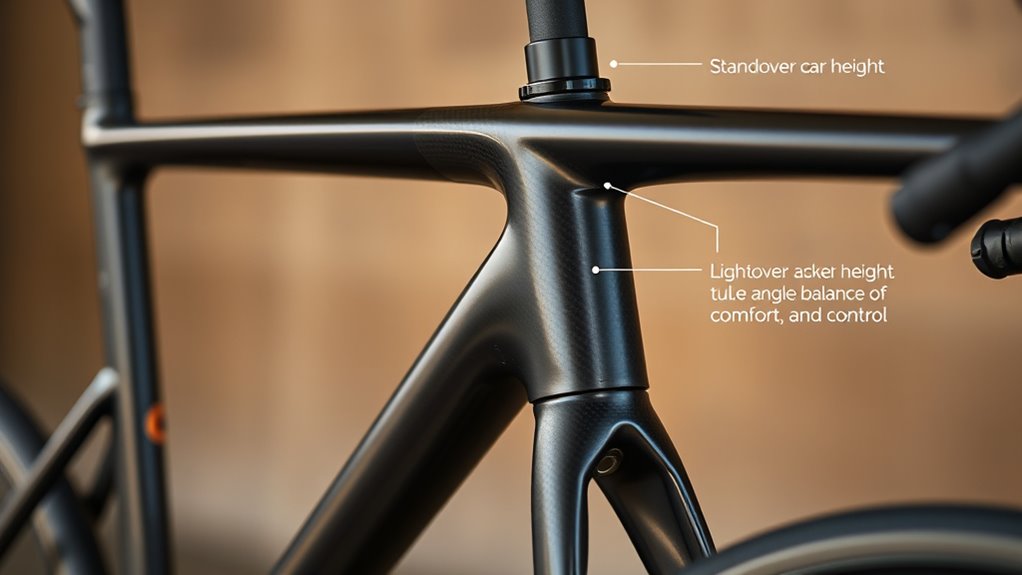
Understanding bike geometry is essential for choosing a bike that fits your riding style and guarantees a comfortable, efficient ride. When you pay attention to frame angles and wheelbase length, you can better predict how a bike will handle and how comfortable you’ll feel during your rides. Frame angles, such as the head tube angle and seat tube angle, influence steering responsiveness and rider positioning. A steeper head tube angle, for example, makes the bike more agile and quick to turn, which is ideal for technical riding or racing. Conversely, a slacker angle provides more stability at high speeds and on descents, making it better suited for mountain biking or long-distance comfort. The seat tube angle affects your pedaling efficiency and comfort, helping you maintain an ideal position on the bike. You want these angles to align with your riding goals, whether that’s speed, stability, or comfort. Additionally, understanding the importance of bike fit ensures that your bike setup maximizes comfort and efficiency, reducing fatigue and the risk of injury.
Wheelbase length is another critical aspect of bike geometry that directly impacts how the bike feels on the road or trail. Essentially, wheelbase is the distance between the front and rear axles. A longer wheelbase offers increased stability, making it easier to maintain control at higher speeds or on rough terrain. If you prefer relaxed, comfortable rides, or plan to tackle long-distance routes, a longer wheelbase can provide the steady handling you need. On the other hand, a shorter wheelbase results in a more nimble, responsive bike that’s better for quick turns and technical maneuvers. As you choose a bike, consider how much stability versus agility you want, and look at the wheelbase length to match your riding style.
In addition to these key measurements, understanding how frame angles and wheelbase length work together helps you find a bike that feels just right. For example, a bike with a slack head tube angle and longer wheelbase might be perfect for downhill mountain biking, while a steeper angle with a shorter wheelbase suits XC racing or urban commuting. When you understand these basics, you can make informed decisions about your bike’s geometry, ensuring it suits your body and riding habits. This not only enhances your overall comfort but also gives you better control, making every ride safer and more enjoyable. By paying close attention to these details, you’re setting yourself up for a smoother, more confident cycling experience tailored to your preferences.
As an affiliate, we earn on qualifying purchases.
Frequently Asked Questions
How Does Rider Weight Affect Bike Geometry Choices?
Your rider weight influences bike geometry choices because heavier riders need a more stable frame fit to handle the extra force and pressure. You might opt for a sturdier frame with a slightly longer wheelbase or more relaxed angles to improve comfort and control. Lighter riders can often choose a more aggressive geometry. Always consider your weight when selecting geometry to guarantee proper support, ride quality, and safety.
Can Bike Geometry Be Adjusted After Purchase?
Yes, you can adjust bike geometry after purchase. You might change your frame sizing by selecting a different size or using spacers to fine-tune fit. Handlebar width can also be adjusted by swapping out handlebars to improve comfort and control. These modifications help you tailor your bike to your body and riding style, ensuring a more comfortable ride without needing a whole new bike.
What Are the Signs of Improper Bike Geometry?
You might notice discomfort or pain if your bike fit isn’t right, which signals improper bike geometry. Common signs include numbness in your hands or feet, sore shoulders, or knee pain. If your frame angles don’t match your riding style or body proportions, these issues can arise. Pay attention to how you feel during rides; proper frame angles and a good bike fit guarantee comfort and control, preventing injuries.
How Does Terrain Influence Bike Geometry Selection?
Think of terrain as your bike’s dance partner, guiding your moves. For rugged trails, you’ll want geometry that offers stability and control, like a longer wheelbase and slack head tube angle. Smooth pavement calls for a more responsive setup, with a shorter reach and steeper angles. Terrain adaptation influences your geometry choices, ensuring you maintain comfort and confidence, whether tackling technical trails or cruising city streets.
Are There Different Geometry Considerations for Women Cyclists?
Yes, women-specific frames and gendered fit adjustments are key when choosing bike geometry. You should look for frames designed with shorter reach and different standover heights to suit female anatomy. These considerations help improve comfort and control, ensuring the bike fits your body better. By selecting women-specific geometry, you’ll experience better handling and reduced fatigue, making your rides more enjoyable and efficient.
bike wheelbase length measurement
As an affiliate, we earn on qualifying purchases.
As an affiliate, we earn on qualifying purchases.
Conclusion
Understanding bike geometry isn’t just about numbers; it’s about feeling connected to your ride. When you grasp how angles and lengths influence comfort and control, everything clicks into place—almost like the bike was made for you. Coincidentally, the more you learn, the more intuitive your adjustments become, leading to a smoother, more confident ride. So, embrace these basics, and let your bike’s geometry guide you to a better cycling experience, effortlessly aligning form and function.
ergonomic bike saddle for comfort
As an affiliate, we earn on qualifying purchases.
As an affiliate, we earn on qualifying purchases.
As an affiliate, we earn on qualifying purchases.
Fall Picks
fall essentials
As an affiliate, we earn on qualifying purchases.