To select the right fenders or mudguards, consider your riding style and weather conditions. Full fenders offer maximum coverage, perfect for heavy rain or muddy trails, while clip-on options are versatile for quick rides or varied terrain. Make certain they fit your tire size and don’t interfere with brakes or suspension. Proper installation and maintenance ensure they keep you clean and protect your bike. Keep exploring to discover more tips for ideal fender selection.
Key Takeaways
- Choose full fenders for maximum coverage in muddy or rainy conditions, and clip-on fenders for quick, adaptable protection.
- Match fender width and length to tire size to ensure effective mud and water shielding.
- Properly install fenders to prevent interference with suspension, brakes, or bike handling.
- Regularly inspect and maintain fenders to avoid cracks, loose fittings, and mud buildup.
- Consider riding habits: lightweight clip-ons suit trail rides, while full fenders protect during casual or commuting rides.
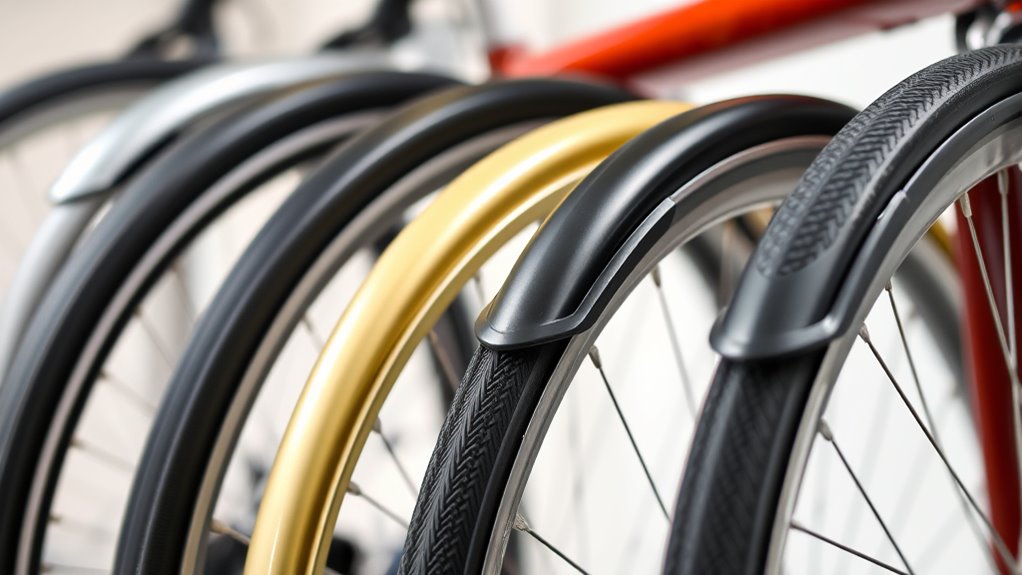
Have you ever wondered how to keep yourself clean and dry while riding through muddy or wet conditions? When you’re into mountain biking, tackling rough trails and unpredictable weather is part of the adventure. But mud, water splashes, and debris can quickly turn a fun ride into a messy ordeal. That’s where fenders or mudguards come into play—they’re essential accessories for staying comfortable and protecting your bike during wet rides. Properly selecting and installing the right fender can make a significant difference in your ride experience, especially when it comes to bike maintenance and keeping your gear in good shape.
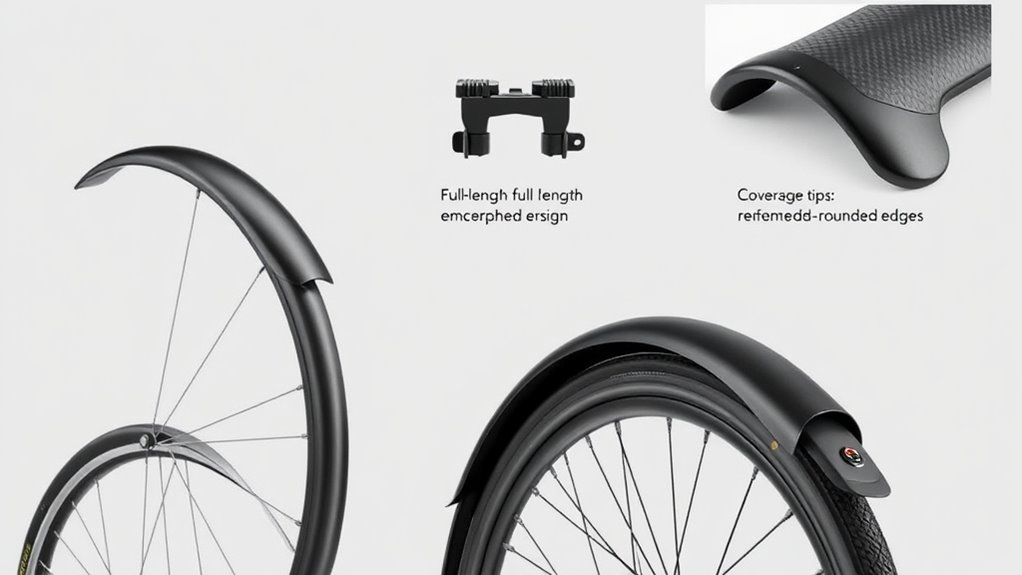
Fenders are designed to shield your body and bike from spray and mud, but with so many options available, it’s important to understand the differences. Full fenders provide maximum coverage, extending from the front fork to behind the rear wheel. They’re ideal if you often ride in heavy rain or on muddy trails because they block most of the debris from hitting you. Clip-on fenders, on the other hand, are a versatile option for riders who want something easy to install and remove. They attach to your bike using clamps or straps, making them perfect for quick rides or when trail conditions vary. If you’re into mountain biking, you may prefer clip-on fenders that can be swiftly added or removed depending on the terrain.
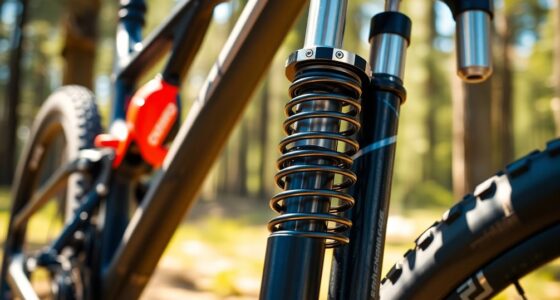
Coverage is a key aspect when selecting fenders. The goal is to prevent as much spray as possible from reaching you and your bike components. For mountain biking, look for fenders with extended coverage that wrap around the tires without interfering with suspension or brake components. Consider the width of your tires too—fatter tires kick up more mud and water, so wider fenders are typically a better match. When it comes to bike maintenance, installing the right fenders helps reduce mud buildup around your drivetrain and brakes, which can extend the longevity of these parts and keep your bike running smoothly.
Choosing the right style and coverage also depends on your riding habits. If you often ride on technical trails, lightweight and durable fenders are preferable—they won’t weigh down your bike or hinder your movement. For casual or commuting mountain biking, more extensive coverage might be worth the extra weight for the added protection. Regularly check your fenders for cracks, loose fittings, or damage, especially after rough rides, to guarantee they stay effective. Proper maintenance of your fenders not only preserves their function but also keeps your bike looking sharp and functioning well in all weather conditions. With the right fenders in place, you’ll spend less time cleaning mud off your gear and more time enjoying the trail.
Frequently Asked Questions
How Do I Choose the Right Fender Size for My Bike?
To select the right fender size, consider your bike’s wheel size and the type of riding you’ll do. Measure the distance from the mounting points to ensure proper coverage. Think about the fender material for durability and weight, and check the mounting options for compatibility with your bike. A well-sized fender offers effective mud and water protection without interfering with your bike’s performance or comfort.
Can Clip-On Mudguards Be Used on All Bike Types?
Yes, clip-on mudguards can be used on most bike types, but you should verify bike frame compatibility first. Some frames, especially those with unique shapes or certain tire sizes, may not support standard clip-on designs. When choosing, consider mudguard material options like plastic or aluminum for durability and weight. Always guarantee the clip-ons securely attach without interfering with brakes or gears, providing effective mud protection for your ride.
Are Full Fenders Suitable for Mountain Biking?
Yes, full fenders can be suitable for mountain biking, but you need to check fender compatibility with your bike first. They offer excellent mud and water protection, especially on rough trails. However, make certain your mountain bike’s tire clearance and frame design can accommodate full fenders without interfering with your wheels or suspension. Proper fit is essential for safety and performance during rugged rides.
How Do I Prevent Mudguards From Rattling or Making Noise?
Don’t let rattles drive you nuts. You can prevent mudguards from rattling or making noise by tightening all mounting points and adding rubber pads or spacers where they contact the frame. Regularly check for loose screws and replace worn hardware. Using zip ties or velcro strips also helps secure loose ends. This simple approach keeps your mudguards stable, ensuring a smooth, quiet ride and effective mud protection.
What Maintenance Is Required for Long-Lasting Mudguards?
To keep your mudguards lasting, regularly inspect their materials for cracks or corrosion, especially after riding in harsh conditions. Clean them using gentle soap and water to remove dirt and debris, avoiding harsh chemicals that could damage plastics or metals. Tighten any loose bolts or clips to prevent rattling. Proper maintenance guarantees your mudguards stay secure, functional, and looking good, no matter how tough your rides get.
Conclusion
Choosing the right fender or mudguard keeps you cleaner and safer on every ride. Whether you opt for full, clip-on, or coverage tips, understanding their benefits helps you make smarter choices. Did you know that properly equipped bikes can reduce mud and spray by up to 80%? That’s a huge difference in staying dry and maintaining visibility. So, invest in the right mudguard — it’s a small upgrade with a big impact on your cycling experience.