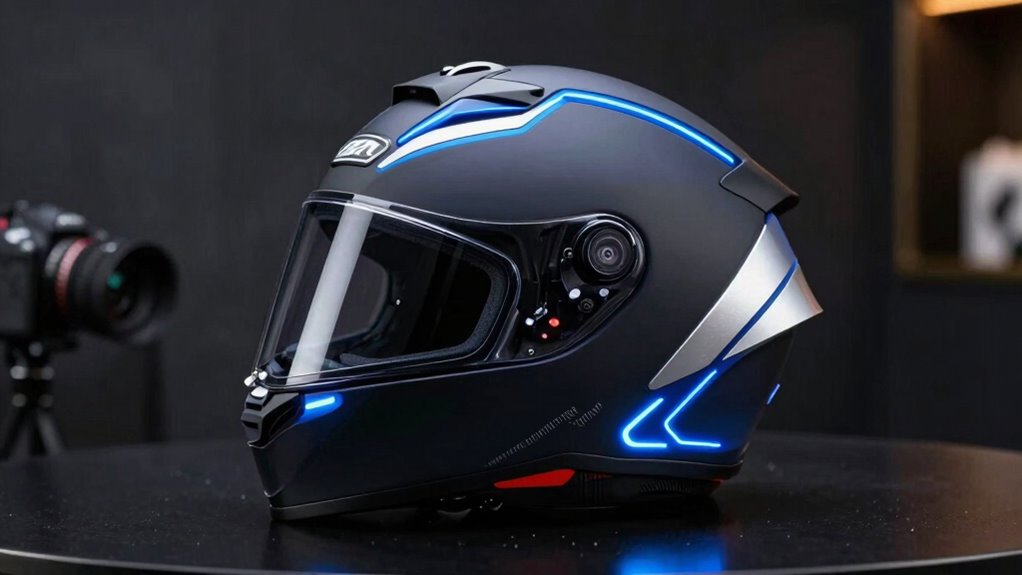

Smart helmets blend advanced tech like sensors, connectivity, and safety features into stylish gear, offering more than just cool gadgets. They help boost safety with impact detection, hazard alerts, and navigation tools, making your ride smarter and more secure. However, they may not match the protection level of traditional helmets and come with costs and tech limitations. Curious about whether your ride could benefit? Keep exploring to discover how these upgrades could fit your safety and style needs.
Key Takeaways
- Smart helmets enhance safety with impact sensors, crash detection, and hazard alerts, offering real safety benefits beyond being just a tech gadget.
- Connectivity features like Bluetooth enable navigation, hands-free calls, and music, increasing convenience and rider awareness.
- Limitations such as battery life, device reliability, and potential comfort issues mean they should complement, not replace, traditional safety gear.
- Compatibility with devices and adherence to safety standards are crucial to ensure smart helmets provide genuine safety improvements.
- The balance between advanced safety features and affordability determines if smart helmets are a worthwhile safety upgrade or just a high-tech toy.
What Are Smart Helmets and How Do They Work?
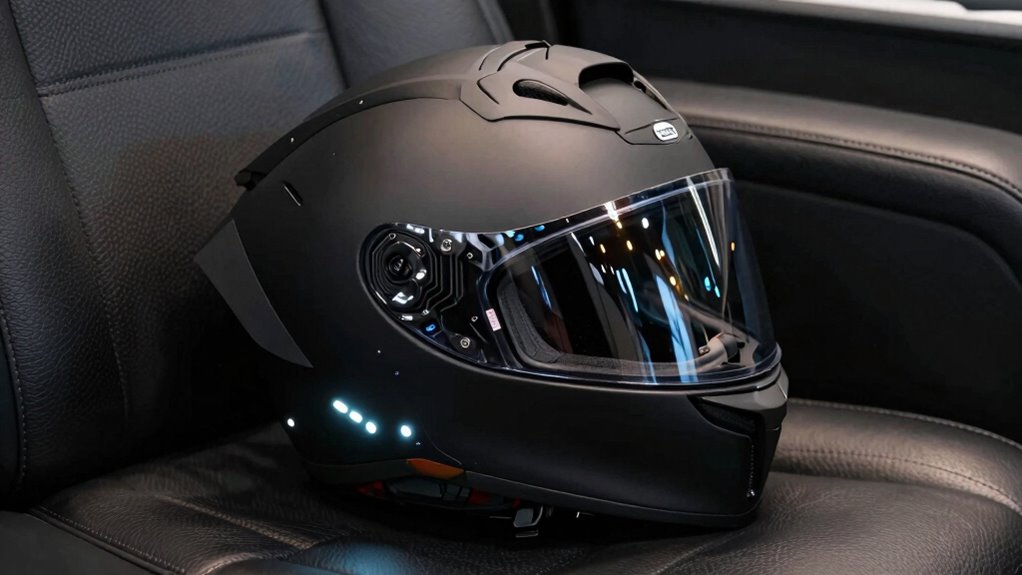
Have you ever wondered how technology is transforming safety gear? Smart helmets are a perfect example, combining advanced features with sleek helmet design to enhance rider safety and comfort. These helmets integrate sensors, Bluetooth connectivity, and sometimes even augmented reality, allowing real-time data access and communication. Unlike traditional helmets, smart helmets focus on rider comfort by offering adjustable padding, better ventilation, and lightweight materials, all while maintaining robust protection. The technology works seamlessly inside the helmet, with sensors detecting impacts or environmental changes and alerting you instantly. Connectivity features enable hands-free calls, navigation, and music control, making your ride safer and more enjoyable. Additionally, the integration of high-tech components ensures that smart helmets provide real-time feedback and enhance safety protocols in various riding conditions. Moreover, the advanced sensor technology actively monitors rider behavior and environmental factors to further improve safety measures. These features exemplify how wearable tech can be integrated into everyday safety equipment to create smarter, more connected gear. Overall, smart helmets blend innovative tech with thoughtful design to elevate both safety and rider experience.
What Features Do Smart Helmets Offer to Riders?
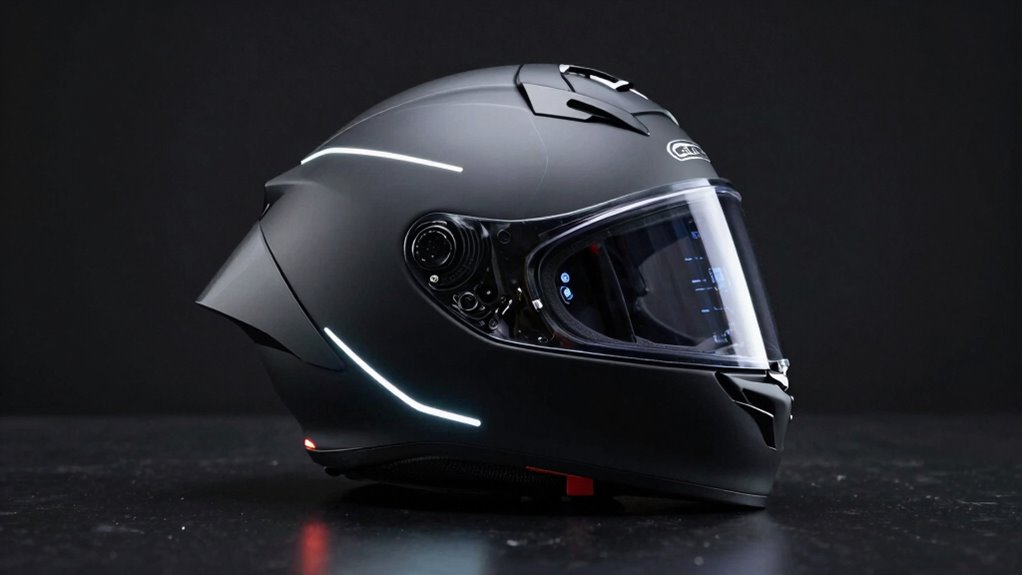
Smart helmets come with integrated safety sensors that monitor your surroundings and alert you to potential hazards. They also offer connectivity features like Bluetooth, so you can stay connected without taking off your helmet. Additionally, real-time location tracking helps you and others stay aware of your position, enhancing safety on every ride. Some smart helmets incorporate home‑care techniques to help keep your gear clean and well-maintained, ensuring optimal performance and longevity. Proper maintenance tips for indoor plants can also be integrated into smart helmet systems to promote overall safety awareness and product longevity, especially by utilizing smart technology to track usage and maintenance schedules. This integration of outdoor safety features can further improve rider confidence and security during all types of rides.
Integrated Safety Sensors
Integrated safety sensors in smart helmets actively monitor your environment and your movements to enhance rider safety. These sensors detect potential collisions, track your head position, and alert you to hazards ahead. They can also monitor the helmet’s ventilation system to prevent overheating and ensure comfort during long rides. The data collected helps you stay aware of your surroundings, providing real-time feedback to avoid accidents. Additionally, European cloud innovation supports the development of these advanced safety features by enabling secure data processing and real-time connectivity. Plus, many smart helmets boast stylish designs that incorporate these advanced features seamlessly, so you won’t sacrifice style for safety. The sensors work silently in the background, giving you peace of mind without cluttering your helmet’s sleek look. Overall, integrated safety sensors make smart helmets a practical upgrade that combines protection, comfort, and modern style.
Connectivity Features
Connectivity features in smart helmets keep you connected and informed while riding. With built-in Bluetooth and wireless tech, you can easily sync your helmet to your smartphone, enabling hands-free calls, music, and voice commands. Some helmets even offer integration with navigation apps, so you get directions without distractions. While these features boost convenience, they also influence helmet design—manufacturers focus on sleek aesthetic design to maintain style without sacrificing functionality. Proper helmet ventilation remains essential for comfort during long rides, and many smart helmets incorporate ventilation systems that work seamlessly with electronic components. Additionally, helmet safety standards ensure that these advanced features do not compromise the protective integrity of the helmet. Incorporating reliable wireless technology helps maintain consistent connectivity and safety during rides, which is crucial for rider confidence. To achieve these benefits without compromising safety, manufacturers often employ innovative materials and engineering that support both electronic integration and durability.
Real-Time Location Tracking
Real-time location tracking has become an essential feature in modern smart helmets, providing riders with up-to-the-minute data on their whereabouts. This technology enhances safety by allowing quick recovery if you get lost or in an emergency. It also boosts rider aesthetics by integrating sleek GPS modules without compromising helmet comfort. You can view your route, share your location, or alert others if needed.
| Feature | Benefit | Impact on Helmet Design |
|---|---|---|
| GPS Module | Precise navigation | Slim, integrated look |
| Location Sharing | Emergency assistance | Maintains helmet aesthetics |
| Route Tracking | Personal ride data | No added bulk |
| Real-Time Updates | Instant info on surroundings | Seamless integration |
Are Smart Helmets Safer Than Traditional Helmets?
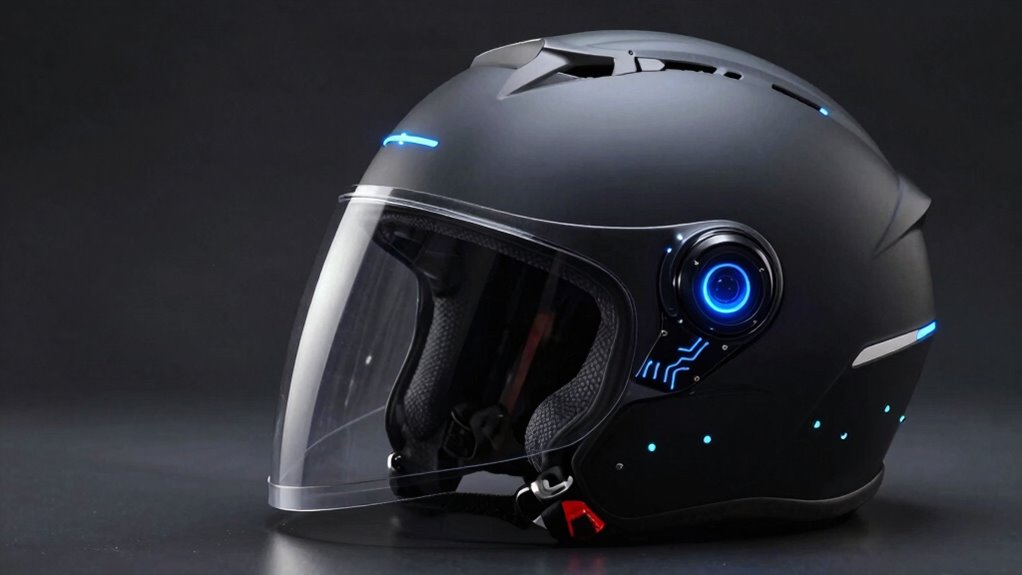
Smart helmets often promise enhanced safety features, but are they genuinely safer than traditional helmets? While they include sensors and alert systems, these additions don’t necessarily mean better protection during an impact. Traditional helmets are tested rigorously to meet safety standards, whereas smart helmets focus on integrating technology without compromising core safety. You might notice that helmet aesthetics and rider comfort vary; some smart helmets add bulk or alter the sleek design, which could affect your confidence and comfort on the road. Ultimately, safety depends on quality construction and proper fit. Smart helmets can offer extra layers of security, like crash alerts or emergency response, but they shouldn’t replace a well-fitted, certified traditional helmet. Safety still hinges on proper use and reliable construction.
What Limitations and Risks Come With Smart Helmets?
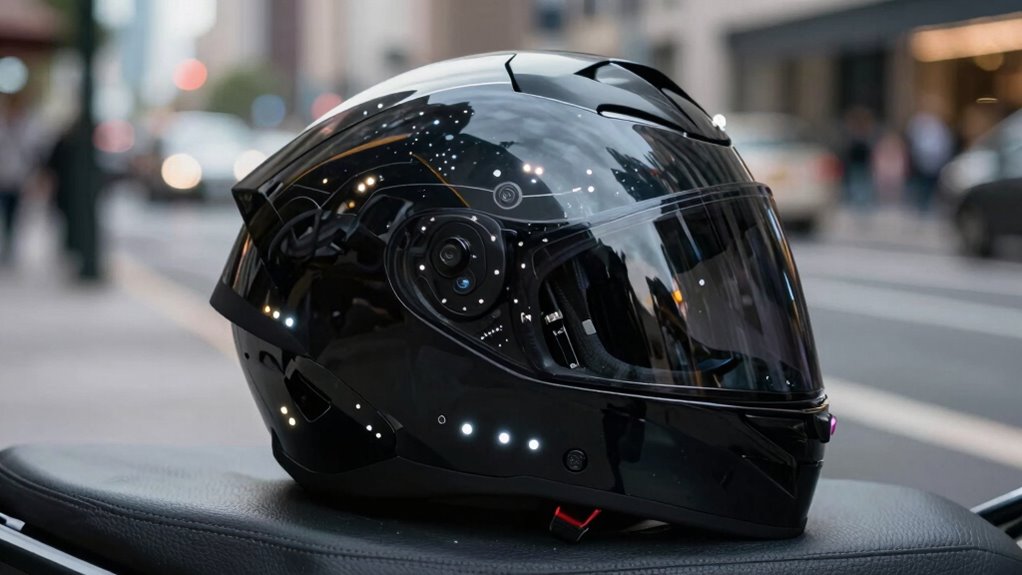
While smart helmets offer innovative features, they also come with notable limitations and risks. Privacy concerns are significant, as these devices collect and transmit data about your location, speed, and habits, raising questions about who accesses this information. Device reliability is another challenge; tech malfunctions or connectivity issues can compromise safety, leaving you vulnerable during critical moments. Additionally, battery life can be limited, risking failure when you need it most. The complexity of smart helmets also increases the chance of technical glitches, which might distract rather than assist. Incorporating retro design elements into smart helmet technology can help balance modern features with aesthetic appeal. Considering Device reliability challenges is crucial to ensure consistent safety. Furthermore, ongoing technology updates are necessary to address security vulnerabilities and improve functionality. Adapting user-friendly interfaces can help reduce user errors and improve overall safety. Finally, integrating electronics into a helmet can make it bulkier and less comfortable. Incorporating reusable options, like eco-friendly materials and designs, can help mitigate some environmental concerns associated with electronic waste. Before adopting a smart helmet, you should weigh these risks against the potential safety benefits.
How Do You Choose the Best Smart Helmet for Your Needs?
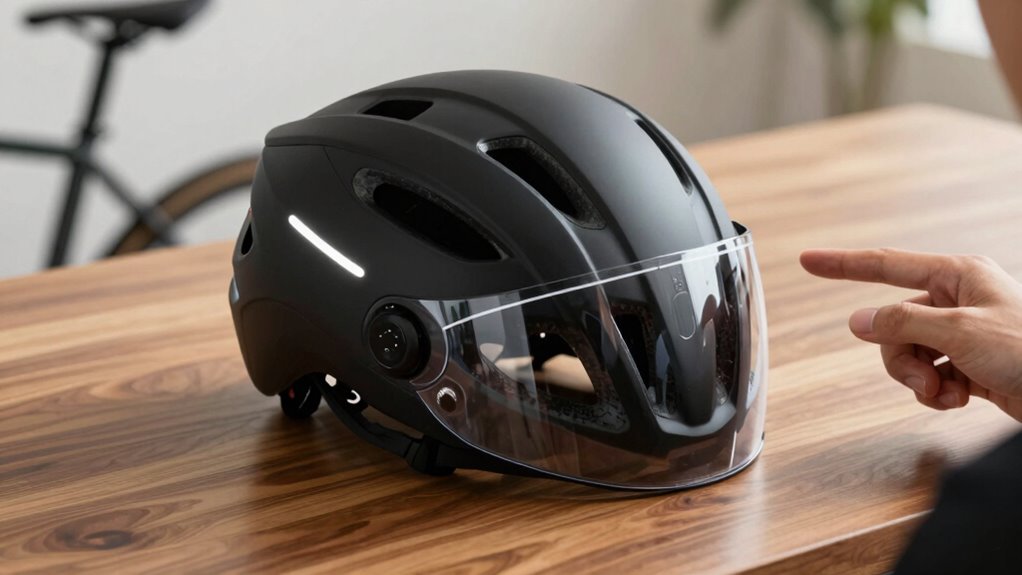
When choosing a smart helmet, start by checking if it’s compatible with your devices, so all features work smoothly. Consider the safety features that matter most to you, like crash detection or visibility enhancements. Additionally, look into safe installation practices to ensure your helmet is properly set up and reliable. Proper installation not only enhances safety but also ensures that all sensors and electronics function correctly over time. Incorporating wearable fitness tech can also help monitor your activity and health metrics during outdoor adventures. Ensuring device compatibility can prevent connectivity issues and maximize the helmet’s capabilities. Finally, set a budget to find options that balance quality and affordability for your needs. Incorporating outdoor safety technology can also enhance your awareness and protection during adventures.
Compatibility With Devices
Choosing a smart helmet that seamlessly integrates with your devices is essential for a smooth experience. Focus on device compatibility to guarantee it works with your smartphone, GPS, or other gadgets. Check if the helmet supports your operating system, whether it’s iOS or Android, to avoid connectivity issues. The user interface should be intuitive, allowing you to control functions easily without distraction. A cluttered or complicated interface can hinder your safety rather than enhance it. Also, consider how the helmet pairs with your devices—Bluetooth, Wi-Fi, or wired connections—and whether updates are straightforward. Compatibility ensures that notifications, music, or navigation features function smoothly, making your ride safer and more enjoyable. Prioritize these aspects to choose a helmet that complements your tech setup effortlessly.
Safety Features Offered
How do you guarantee your smart helmet keeps you safe on every ride? Focus on safety features like impact sensors, crash detection, and emergency alerts. Look for helmets with good helmet ventilation to prevent overheating, especially during long rides. Additionally, consider aesthetic design—your helmet should not only be protective but also match your style. Incorporating advanced safety technology can further enhance your protection during rides. Moreover, verifying compliance with safety standards ensures the helmet meets recognized safety benchmarks, providing added peace of mind. Regularly checking for certifications and testing results can help confirm the helmet’s reliability and safety performance. Staying informed about digital safety tips for wearable tech can also help you use your smart helmet more securely.
Budget Considerations
Are you trying to find a smart helmet that fits your budget without sacrificing vital safety features? Start with a price comparison to identify options within your range. Don’t just focus on the initial cost—consider long-term value and durability. It’s also wise to research each brand’s reputation; trusted brands often offer better quality and customer support, which can save you money in the long run. Cheaper helmets might seem appealing, but they could lack essential safety features or reliable tech. Balance your budget with the helmet’s safety ratings and features. Remember, investing in a reputable brand ensures you get a product that’s safer and more durable, making your purchase both smart and economical.
Is Investing in a Smart Helmet Worth the Cost?
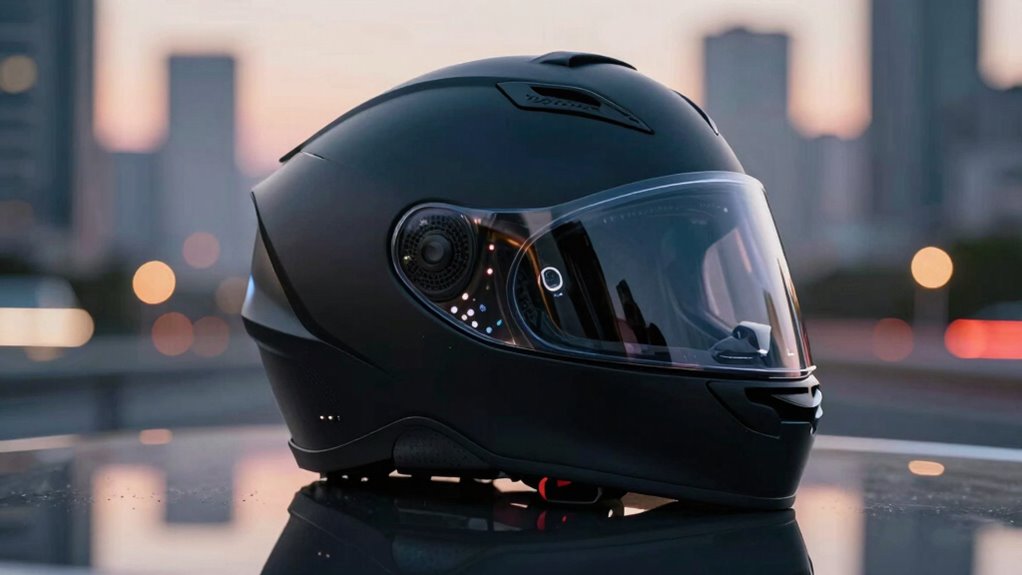
Deciding whether investing in a smart helmet is worth the cost depends on your priorities and how much value you place on safety features. If safety is your top concern, the advanced technology, real-time alerts, and health monitoring can justify the expense. However, consider how smart helmets fit into current fashion trends and helmet aesthetics; some designs may appeal more to style-conscious riders, making the investment feel more worthwhile. If you prioritize looking good on your ride, a sleek smart helmet can enhance your overall look while providing safety benefits. On the other hand, if budget constraints or skepticism about technology’s longevity influence your decision, it might be better to stick with traditional helmets. Ultimately, weigh the safety advantages against the cost and style considerations.
Frequently Asked Questions
Can Smart Helmets Be Integrated With Other Wearable Devices?
Yes, smart helmets can be integrated with other wearable devices. You can enjoy seamless wearable compatibility and device synchronization, which enhances your safety and convenience. By connecting your smart helmet with fitness trackers, smartwatches, or communication gadgets, you ensure real-time data sharing and unified alerts. This integration helps you stay more aware and connected, making your riding experience safer and more efficient without needing multiple separate devices.
How Do Smart Helmets Handle Data Privacy and Security?
Ever wonder if your data stays safe in a smart helmet? They handle data privacy and security by implementing data encryption to protect your information and adhering to strict privacy policies. Manufacturers often include secure data transmission methods, but you should still review the privacy policies to understand what data is collected and how it’s used. Are you comfortable knowing your safety device also keeps your personal data secure?
Are Smart Helmets Suitable for All Types of Riding?
Smart helmets aren’t suitable for all types of riding because helmet comfort varies depending on your activity and helmet design. If you prioritize comfort and a lightweight feel, some smart helmets may feel bulky or heavy, affecting your ride. Additionally, consider the smart helmet cost, as more advanced models tend to be pricier. Choose a helmet that balances smart features with comfort and affordability to make certain it meets your riding needs effectively.
What Maintenance Is Required for Smart Helmets?
Imagine discovering your smart helmet’s hidden potential—you’ll need to keep it in top shape. You should regularly clean the helmet with gentle methods and avoid harsh chemicals. Additionally, stay ahead by performing software updates to guarantee your helmet’s tech stays current and functions properly. Routine maintenance like these keeps your smart helmet reliable, extending its lifespan, and ensuring you’re always safe and connected on every ride.
How Long Is the Battery Life of a Typical Smart Helmet?
Your smart helmet’s battery typically lasts between 8 to 12 hours of active use, depending on features like the display and sensors. Battery longevity depends on your charging cycles—frequent charging can reduce overall lifespan. To maximize performance, avoid overcharging and let the battery drain fully before recharging. Regularly checking battery health guarantees you get the most out of your smart helmet, keeping you safe and connected on every ride.
Conclusion
Ultimately, smart helmets blend bold innovation with basic safety, bringing brilliant benefits to bikers. By balancing tech treasures with true protection, you can confidently choose a helmet that enhances your riding experience. Remember, the right smart helmet isn’t just a gadget — it’s a guardian on every journey. So, make your move, master the mix of modern marvels, and enjoy safer, smarter miles ahead. Stay safe, stay savvy, and embrace the exciting evolution of riding gear.