Having a spare e-bike battery makes sense if you take long trips or rely on your bike daily, as it keeps you riding without interruptions when your main battery runs out. It offers peace of mind, prevents being stranded, and extends your riding capabilities. Proper storage, routine maintenance, and safety checks are essential for keeping your extra batteries in top shape. Want to learn more about maximizing your battery’s lifespan and safety tips? Keep exploring these key practices.

Get your wardrobe favorites delivered free — and shop member deals
- Fast, free delivery on millions of items
- Access to Prime Big Deal Days deals on October 6–7
- Prime Video, Amazon Music and more included
Key Takeaways
- When planning long rides or commutes to avoid running out of power unexpectedly.
- During extended trips where charging stations are limited or unavailable.
- If you want peace of mind and uninterrupted riding during daily or frequent use.
- To replace or upgrade aging batteries without downtime.
- For safety and reliability, ensuring backup in case of battery damage or failure.
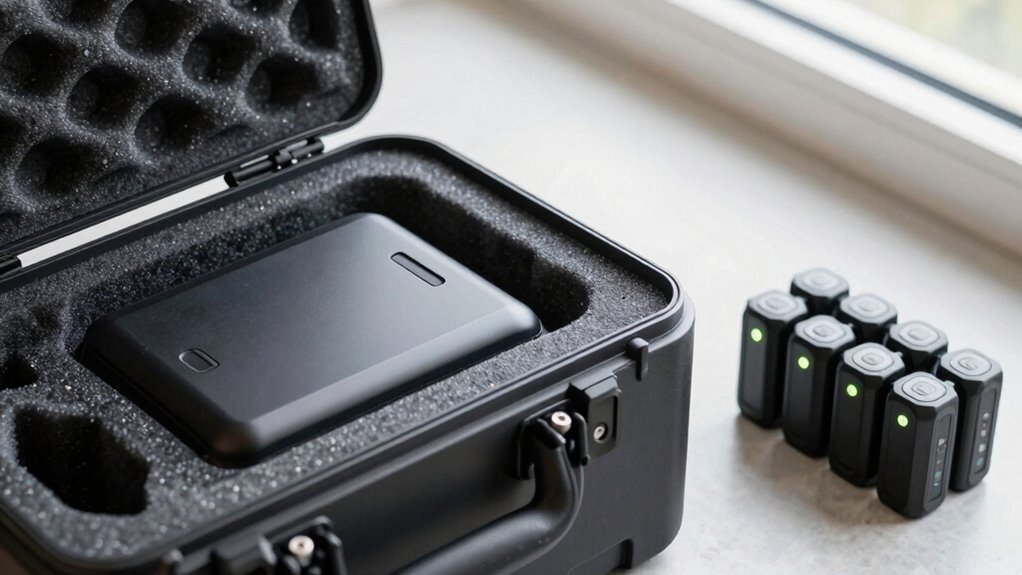
Have you ever been stranded with a dead E-bike battery? It’s frustrating, especially when you’re miles away from home or your destination. That’s where having a spare E-bike battery can make a real difference. Not only does it guarantee you can keep riding without interruption, but it also provides peace of mind during long trips or daily commutes. But before you invest in an extra battery, it’s vital to understand some key points about battery safety and proper charging techniques. These factors are essential to maintaining your batteries’ lifespan and ensuring safe, efficient use.
When you handle spare batteries, always prioritize battery safety. Store them in a cool, dry place, away from direct sunlight or extreme temperatures. Keep the batteries upright, and avoid stacking or placing heavy objects on top of them. Proper storage prevents damage, leaks, or potential fire hazards. When you’re ready to use a spare, inspect it for any signs of damage, such as swelling, corrosion, or leaks. Using compromised batteries can be dangerous and might shorten their lifespan or cause safety issues. Additionally, regularly checking the condition of your batteries can help you identify potential issues early and avoid unexpected problems during rides. Maintaining battery health through careful handling is key to extending the overall lifespan of your batteries.
Charging techniques are equally important when you have a spare E-bike battery. Always use the charger supplied by the manufacturer or one that’s specifically recommended for your battery model. Using incompatible chargers can lead to overcharging, overheating, or even damaging the battery cells. When charging, follow the recommended charging times, and don’t leave a battery unattended for extended periods while it’s charging. Overcharging can weaken the battery over time and diminish its capacity. It’s best to charge your spare battery fully before heading out, so you’re prepared for unexpected situations, but avoid letting it sit fully charged for weeks at a time—periodic partial charging helps maintain battery health. Additionally, understanding the importance of battery lifespan can help you make informed decisions about your charging routines and storage habits. Proper storage and charging habits are crucial for battery safety, as neglecting these can lead to safety hazards or reduced battery performance. Moreover, adhering to best practices can also help prevent the formation of battery memory, which can impact overall performance and longevity.
As an affiliate, we earn on qualifying purchases.
Frequently Asked Questions
How Do I Properly Store Spare E-Bike Batteries Long-Term?
To properly store spare e-bike batteries long-term, keep the battery temperature moderate—ideally around 50-70°F—and avoid extreme heat or cold. Store them in a cool, dry environment away from direct sunlight and humidity. Make sure the batteries are partially charged, around 50-70%, before storing. Check on them periodically, and avoid leaving them fully discharged or fully charged for extended periods, as both can harm the battery’s lifespan.
Are Aftermarket Batteries Safe to Use With My E-Bike?
You might think aftermarket batteries are a gamble, but with proper checks, they’re safe and reliable. Always verify their battery capacity matches your bike’s needs, ensuring peak performance. Prioritize charging safety by using the right chargers and avoiding overcharging, which could turn your ride into a fiery spectacle! When you choose reputable brands and follow safety guidelines, aftermarket batteries can power your adventures without risking a disaster.
What Is the Typical Lifespan of a Spare E-Bike Battery?
A spare e-bike battery typically lasts around 3 to 5 years, depending on its battery capacity and how often you perform charging cycles. With proper care, you can extend its lifespan by avoiding deep discharges and not overcharging. Most batteries endure about 300 to 500 charging cycles before experiencing noticeable capacity loss. So, if you ride regularly, plan for replacements or upgrades within this timeframe to maintain peak performance.
Can I Charge Multiple Batteries Simultaneously?
Yes, you can charge multiple batteries simultaneously if your charging station has multiple ports. Make certain each battery’s capacity matches the charger’s specifications to avoid damage. Using a dedicated charging station with multiple slots allows you to efficiently charge batteries without overloading. Always follow manufacturer guidelines to guarantee safety and longevity, and consider the battery capacity to determine how many you can charge at once without risking overheating or reduced lifespan.
How Do I Recycle or Dispose of Old E-Bike Batteries?
Think of your old e-bike batteries as treasure chests needing careful handling. You should take them to a certified battery recycling center—these are your safe harbor for responsible disposal. Avoid throwing them in regular trash, as hazardous materials can leak and cause harm. Proper disposal methods guarantee batteries are repurposed or safely broken down, protecting both the environment and future rides. Always follow local regulations for eco-friendly battery recycling.
As an affiliate, we earn on qualifying purchases.
Conclusion
Having a spare e-bike battery can be a real game-changer, especially on long rides or when charging options are limited. It’s a smart investment that keeps you riding smoothly without worries. Remember, “A stitch in time saves nine,” so stocking up now can save you from unexpected stops. Stay prepared, and enjoy every adventure with confidence—your e-bike’s power is only as good as your backup plan.
As an affiliate, we earn on qualifying purchases.
As an affiliate, we earn on qualifying purchases.
Fall Picks
fall essentials
As an affiliate, we earn on qualifying purchases.