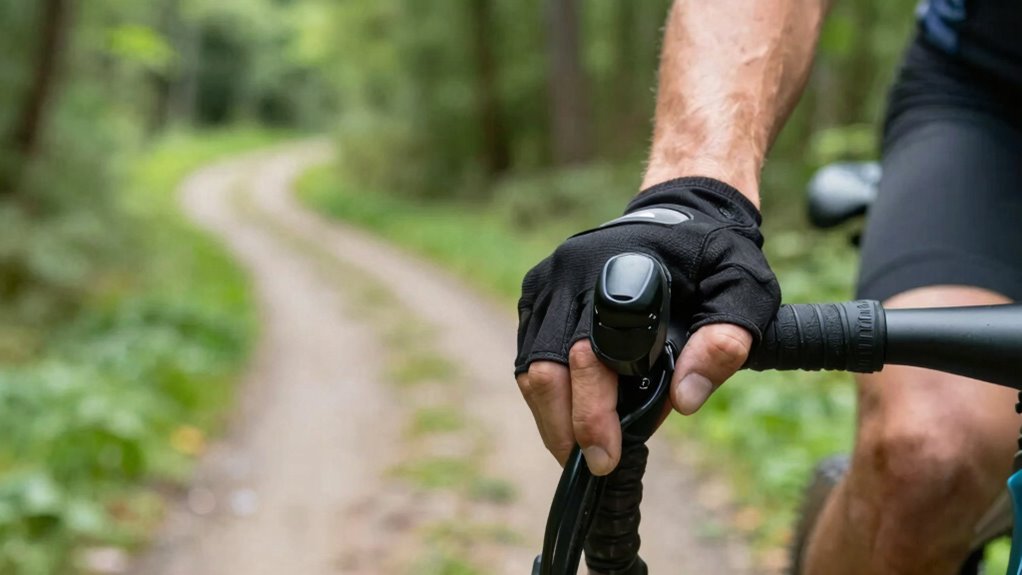

Torque sensors feel so natural on e-bikes because they measure your pedaling effort in real time and adjust motor assistance seamlessly, creating a smooth and responsive ride. Unlike cadence sensors, they detect how hard you pedal and respond instantly, making the support feel intuitive and authentic. This technology helps you feel more connected and in control, encouraging longer, more comfortable rides. If you keep exploring, you’ll discover even more about how these sensors enhance your riding experience.

Get your wardrobe favorites delivered free — and shop member deals
- Fast, free delivery on millions of items
- Access to Prime Big Deal Days deals on October 6–7
- Prime Video, Amazon Music and more included
Key Takeaways
- Torque sensors measure actual pedaling force, providing real-time, proportional motor assistance that mimics natural riding effort.
- They respond immediately to changes in pedaling effort, avoiding lag and creating a seamless, intuitive riding experience.
- By translating effort into smooth motor support, torque sensors enhance ride comfort and make assistance feel more authentic.
- Advanced sensor technology ensures quick, precise adjustments, fostering a strong sense of connection with the bike.
- The natural feel arises from torque-based assistance, which closely replicates traditional biking dynamics.
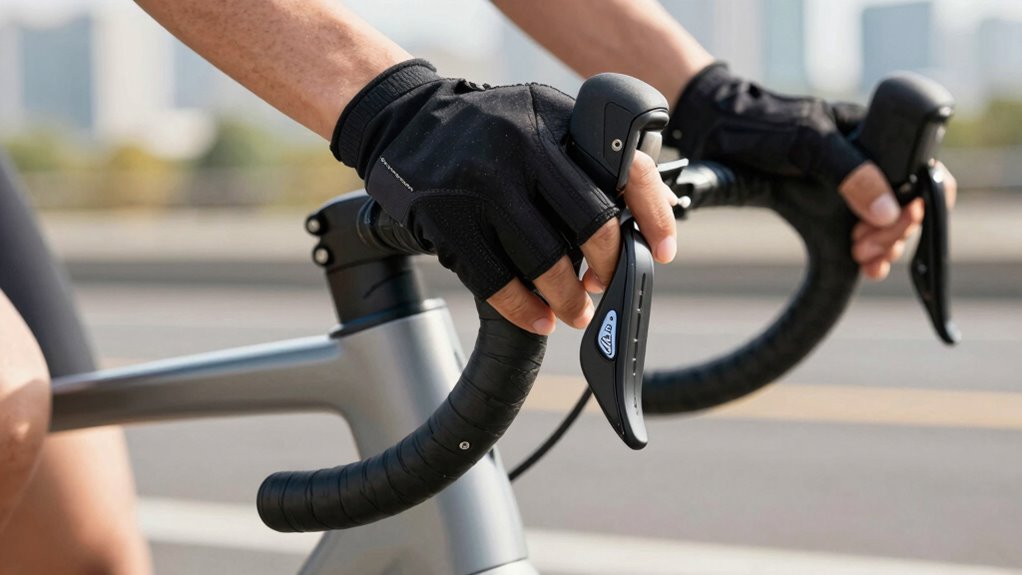
Have you ever wondered how e-bikes automatically adjust their assistance to match your pedaling effort? It’s a fascinating process that makes riding feel seamless and intuitive. At the heart of this experience are torque sensors, which play a vital role in delivering that natural, responsive feel. When you pedal, these sensors detect how hard you’re pushing on the crank, translating that effort into real-time data. This data then guides the motor to provide just the right amount of support, making your ride smooth and effortless. Because of this precise feedback loop, you don’t feel like you’re fighting against the bike; instead, you’re working together with it.
Torque sensors detect your pedaling force, enabling seamless, intuitive motor assistance for a natural riding experience.
One of the reasons torque sensors feel so natural is their ability to improve motor responsiveness. Unlike cadence sensors that activate assistance based on pedal speed alone, torque sensors measure the actual force you apply. This means that if you suddenly push harder, the motor responds immediately, ramping up assistance to match your increased effort. Conversely, when you ease off, the motor quickly reduces power. This real-time adjustment creates a riding experience that closely mirrors the intuitive feel of traditional biking, making you feel more connected to your ride. Because the motor reacts so promptly, you don’t experience lag or abrupt shifts, which can sometimes happen with other sensor types. Additionally, these sensors contribute to a more authentic riding experience by providing a smoother transition between assistance levels. Implementing sensor technology further enhances the overall responsiveness and efficiency of the system, highlighting the importance of torque measurement in e-bike performance.
Furthermore, the use of torque sensors can improve the overall riding experience by making it feel more natural and responsive, which encourages longer and more enjoyable rides.
As an affiliate, we earn on qualifying purchases.
Frequently Asked Questions
How Do Torque Sensors Differ From Cadence Sensors on E-Bikes?
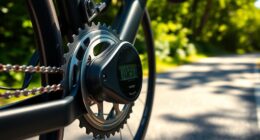
Torque sensors differ from cadence sensors by directly measuring how hard you’re pedaling, providing a more intuitive user experience. Sensor placement in torque sensors is often integrated into the bottom bracket or crank, which detects your pedaling force in real-time. This makes your e-bike respond smoothly and naturally to your effort, whereas cadence sensors only detect pedal speed, resulting in a less seamless and less responsive ride.
Are Torque Sensors More Durable Than Other Sensor Types?
Yes, torque sensors tend to be more durable than other sensor types because they’re built to withstand regular sensor calibration and the stresses of riding. They use strain gauges that resist wear and tear better over time, making them more reliable in the long run. When comparing durability, torque sensors often outperform cadence sensors, especially in rough conditions, ensuring consistent performance and less maintenance for your e-bike.
Can Torque Sensors Be Installed on Any E-Bike?
Torque sensors can’t be installed on any e-bike without considering mounting challenges and sensor compatibility. Some e-bikes may lack the necessary space or specific wiring needed for installation, making it tricky or impossible without modifications. Before attempting to add a torque sensor, check your bike’s compatibility and consult a professional if needed. Proper compatibility ensures smooth integration and peak performance, giving you that natural riding feel.
How Do Torque Sensors Impact Battery Life?
Torque sensors can slightly impact your e-bike’s battery life, but their effect mainly depends on sensor calibration and overall battery efficiency. Well-calibrated sensors optimize power usage by accurately detecting your pedaling force, preventing unnecessary battery drain. When paired with a highly efficient battery system, torque sensors help conserve energy, ensuring longer rides. Proper maintenance and calibration are key to minimizing any potential impact on your e-bike’s battery life.
Do Torque Sensors Require Regular Calibration or Maintenance?
Like tuning a fine instrument, torque sensors generally don’t need frequent calibration or maintenance. Sensor calibration is usually a one-time setup or occasional check, ensuring the sensor’s readings stay accurate. Maintenance requirements are minimal; unless you encounter issues or after a significant impact, you rarely need to service them. Keeping your bike clean and protected helps maintain sensor performance, so you can enjoy a smooth, natural ride without worry.
As an affiliate, we earn on qualifying purchases.
Conclusion
So, next time you marvel at how effortlessly your e-bike responds, remember it’s all thanks to those sneaky torque sensors. They make pedaling feel so natural, you might forget you’re even exerting effort. It’s almost ironic—these tiny devices do all the work behind the scenes, giving you the illusion of pure effortless riding. Truly, they’re the unsung heroes, turning your ride into a seamless, almost magical experience you won’t even notice.
As an affiliate, we earn on qualifying purchases.
electric bike pedal assist sensor
As an affiliate, we earn on qualifying purchases.
As an affiliate, we earn on qualifying purchases.
Fall Picks
fall essentials
As an affiliate, we earn on qualifying purchases.