
TL;DR
Do Ho Suh is showcasing more than 500 works at Seoul’s MMCA in a comprehensive retrospective. The exhibition highlights his exploration of space, memory, and identity. This marks one of the largest presentations of his work in Korea, attracting global attention.
Renowned South Korean artist Do Ho Suh has launched a comprehensive exhibition at Seoul’s National Museum of Modern and Contemporary Art (MMCA), featuring over 500 works spanning his career. The show, which opened on March 15, 2024, is considered one of the largest retrospectives of his work in Korea and underscores his international influence and innovative approach to art.
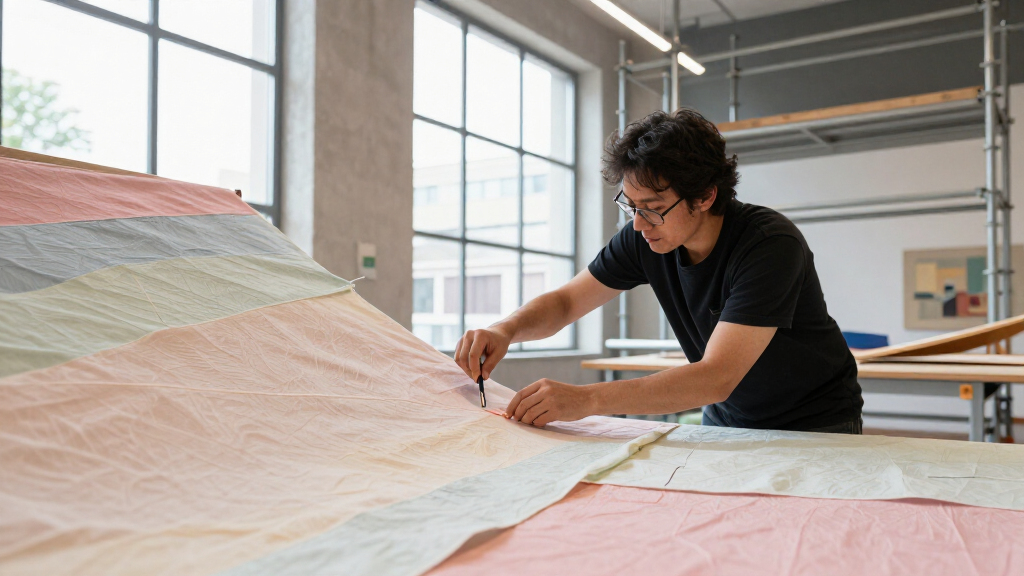
The exhibition, titled “Home Within Home: The Works of Do Ho Suh”, showcases a broad range of his installations, sculptures, drawings, and videos. Curators emphasized that the display aims to explore themes of space, memory, and identity, which have been central to Suh’s practice since the early 1990s. The MMCA confirmed that the collection includes iconic pieces such as “Fallen Star”, a large-scale installation recreating a Korean house in the United States, and “Home Within Home” series, which features fabric sculptures of domestic spaces.
According to the MMCA, the exhibition is designed to immerse visitors in Suh’s conceptual universe, with many works displayed in immersive environments. The museum also highlighted that this is the first time such a large number of Suh’s works have been exhibited together in Korea, providing a rare opportunity for the public and scholars to engage deeply with his evolving artistic language.
Why This Exhibition Is a Landmark for Korean and Global Art
This exhibition is significant because it represents one of the most extensive presentations of Do Ho Suh’s work in his home country, offering Korean audiences a comprehensive view of his artistic development. Internationally, it reinforces Suh’s reputation as a leading figure in contemporary art, known for his innovative use of materials and exploration of personal and collective memory. The show also highlights Korea’s growing prominence in the global art scene, with the MMCA providing a platform for major international artists.
For scholars and critics, the exhibition offers a rare chance to analyze Suh’s complex themes and techniques in a single, large-scale setting. It may also influence future exhibitions and collaborations, elevating Korean contemporary art on the world stage.
As an affiliate, we earn on qualifying purchases.
Background of Do Ho Suh’s Artistic Journey and Recent Milestones
Do Ho Suh has established himself internationally through his exploration of space, architecture, and personal history. Born in South Korea in 1962, Suh studied at Seoul National University and later at the Rhode Island School of Design. His works often involve fabric, allowing him to recreate domestic environments and architectural structures in a delicate, translucent manner. Over the past decade, Suh has gained global recognition, with major exhibitions at institutions like the Tate Modern and the Museum of Modern Art in New York.
In recent years, Suh’s work has become increasingly focused on themes of migration, belonging, and the fluidity of identity. The current exhibition at MMCA marks a milestone as it consolidates his career’s breadth and depth, featuring pieces from the early 1990s to recent projects. It follows a series of international exhibitions and awards, solidifying his position as a pivotal voice in contemporary art.
“This exhibition is a comprehensive journey through Do Ho Suh’s innovative exploration of space and memory, offering visitors an immersive experience unlike any other in Korea.”
— Kim Ji-woo, MMCA Director
As an affiliate, we earn on qualifying purchases.
Unanswered Questions About the Exhibition’s Scope and Impact
It is not yet clear how the exhibition will influence future curatorial practices at the MMCA or how it will be received by international audiences beyond initial visitor responses. Details on the full extent of the works’ arrangement and visitor engagement strategies are still emerging. Additionally, the long-term impact of this retrospective on Suh’s career and its potential for inspiring new projects remains to be seen.
contemporary art exhibition catalog
As an affiliate, we earn on qualifying purchases.
As an affiliate, we earn on qualifying purchases.
Next Steps for Visitors and the Art Community
The exhibition is scheduled to run through June 30, 2024, with special guided tours and educational programs planned throughout its duration. The MMCA also announced forthcoming publications and virtual tours to expand access. For the art community, the show is expected to catalyze further scholarly research and international collaborations involving Suh’s work. Additionally, the museum may host related exhibitions or events that deepen engagement with themes explored in the retrospective.
As an affiliate, we earn on qualifying purchases.
Key Questions
What are some of the most iconic works by Do Ho Suh featured in the exhibition?
Key pieces include “Fallen Star”, a large-scale installation of a Korean house in the U.S., and the “Home Within Home” series, which features fabric sculptures of domestic spaces.
How does this exhibition compare to previous retrospectives of Do Ho Suh’s work?
This is the most comprehensive presentation in Korea, with over 500 works, offering a broader view than previous exhibitions, which focused on specific themes or periods.
Will the exhibition travel outside South Korea after closing at MMCA?
There are no announced plans yet for the exhibition to tour internationally, but Suh’s work has been shown globally in other major museums.
How can visitors experience the immersive aspects of the exhibition?
The museum has designed many works to be experienced in immersive environments, allowing visitors to walk through or interact with Suh’s installations.
Are there any special programs or events associated with the exhibition?
Yes, the MMCA plans guided tours, artist talks, and educational workshops throughout the exhibition’s run to deepen visitor engagement.
Source: rss