
To keep helmet hair sleek and voluminous, prep your hair with leave-in conditioners or gentle styling products, and consider protective styles like braids or buns. Use accessories such as headbands or clips to tame flyaways, and choose helmets with good ventilation and proper fit to reduce frizz and damage. After your ride, quickly refresh with dry shampoo or smoothing serums, and incorporate tips for lasting style—keep going to discover expert tricks for hair that survives every commute.
Key Takeaways
- Opt for protective hairstyles like braids or low buns to reduce frizz and maintain style during your commute.
- Use anti-frizz serums and leave-in conditioners before riding to keep hair smooth and manageable.
- Choose helmets with good ventilation and a snug fit to minimize moisture buildup and hair damage.
- Incorporate silk or satin lining inside helmets to reduce friction and preserve your hairstyle.
- Refresh your hair with dry shampoo or light styling products after riding for a quick, polished look.
Why Helmet Hair Happens and How to Minimize It

Helmet hair occurs because wearing a helmet compresses your hair and traps moisture, causing it to flatten and frizz once you remove the helmet. This pressure can also affect your scalp health by restricting airflow and increasing sweat buildup, which may lead to irritation or dandruff. To minimize helmet hair, pay attention to helmet design; choose one with vents or better airflow to reduce moisture retention. Proper helmet fit is essential—too tight can worsen compression, while too loose might shift and cause uneven pressure. Regularly cleaning your helmet prevents dirt and sweat buildup, supporting scalp health. Ensuring your helmet is well-ventilated and fits correctly helps maintain healthier hair and scalp, reducing the severity of helmet hair and making your post-ride style easier to manage.
Pre-Helmet Hair Prep Tips for a Better Style

Preparing your hair before putting on a helmet can make a significant difference in reducing post-ride frizz and flattening. To start, use moisture control products like leave-in conditioners or serums to keep your hair smooth and hydrated. Incorporate hair accessories, such as headbands or clips, to tame flyaways and secure loose strands. This creates a barrier that minimizes friction and damage during your ride. Using European cloud solutions for your styling products can also help maintain their effectiveness throughout your ride. Additionally, opting for natural ingredients in your hair products can promote healthier hair over time. Selecting products with antioxidant properties can help protect your hair from environmental stressors and damage. A well-prepared routine is especially beneficial for frizz control after helmet removal. Incorporating scalp health into your routine can further enhance hair resilience and appearance. Here’s a simple guide:
| Hair Accessory | Moisture Control Tip |
|---|---|
| Headbands | Apply serum for shine |
| Clips | Use leave-in conditioner |
| Satin scrunchies | Keep hair hydrated |
This prep ensures your style stays fresh and minimizes helmet-induced mess. A little planning makes all the difference!
Hairstyles That Prevent Tangles and Keep You Looking Good
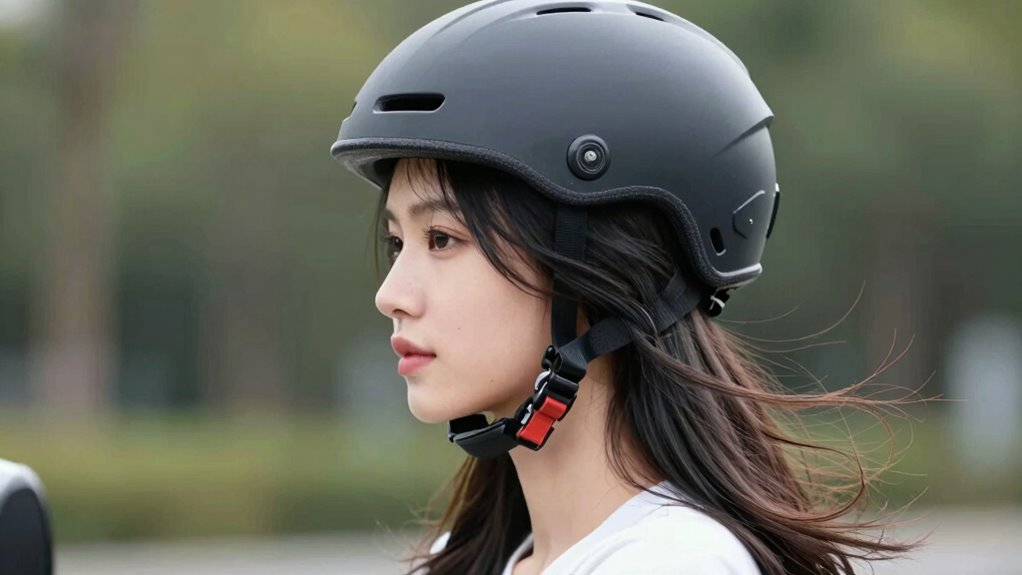
Choosing the right hairstyle can help you avoid tangles and stay polished after your commute. Protective styles like braids or buns keep your hair neat and minimize damage. With a few simple tips, you can look good and reduce the fuss of managing helmet hair. Additionally, incorporating hair protection devices such as gentle scalp massagers or microcurrent tools can support overall hair health while on your styling journey. Using the right hair care tools can further enhance the longevity of your hairstyle and prevent breakage. Understanding hair health and proper care techniques can make a significant difference in maintaining a sleek appearance. Regularly inspecting your body jewelry for signs of irritation or infection can also help keep your scalp and hair healthy.
Protective Hairstyles for Commuters
When you commute regularly, selecting the right protective hairstyle can make a big difference in preventing tangles and maintaining a polished look. Opt for styles that work well under helmet materials and riding gear, such as braids, buns, or twists, which keep hair contained and minimize friction. Using sleek, low-maintenance styles reduces the chance of hair catching on helmet edges or frizzing during your ride. Incorporate hair accessories like silk scrunchies or headbands to further protect your hair and reduce breakage. These styles help distribute the helmet’s pressure evenly, preventing scalp stress and tangling. Choosing protective hairstyles tailored for your gear can also help maintain hair health over time. Additionally, employing proper hair care techniques can improve overall hair resilience against daily wear and tear. Understanding how hair elasticity influences style longevity can help in selecting the most suitable protective styles. Being mindful of auditory processing and avoiding tight styles can prevent damage from repeated compression. Recognizing the role of sound vibrations in hair health may also inspire new protective styling methods. By choosing protective hairstyles tailored for your gear, you’ll stay comfortable, looking sharp, and avoid the hassle of fixing helmet hair after every commute.
Tips to Minimize Tangles
To keep your hairstyle looking neat and reduce the hassle after your commute, focus on ways to prevent tangles before they start. Using gentle detangling techniques, like starting from the ends and working your way up, minimizes breakage and knot formation. Opt for hair smoothing products, such as serums or leave-in conditioners, to create a sleek surface that resists tangling during the ride. Consider braiding your hair loosely or pulling it into a low ponytail to reduce movement and friction inside your helmet. Regularly detangle your hair before putting on your helmet to prevent knots from forming. Maintaining color accuracy and the right contrast ratio in your styling tools can help you achieve a smooth, polished look more easily. These simple steps keep your hair smoother, easier to manage, and tangle-free, ensuring you arrive at your destination looking polished and ready to go.
Quick Fixes and Products to Refresh Your Hair After Wearing a Helmet

After removing your helmet, you might notice your hair looks flat, sweaty, or frizzy. To refresh, start with a quick spritz of dry shampoo or a texturizing spray to add volume and absorb excess oil. Using hair accessories like clips or headbands can instantly tame frizz and create a polished look. If your hair feels sticky or greasy, a light hair washing with a gentle cleansing shampoo can do wonders, especially if you’re short on time. For a quick pick-me-up, a few strokes with a boar bristle brush can smooth out flyaways and redistribute natural oils. Incorporating professional hair color brands into your routine can help maintain color vibrancy and shine even after a long day of commuting. Keep travel-sized products in your bag for on-the-go touch-ups, ensuring your hair looks fresh and styled after every ride. Additionally, choosing proper hair styling tools can help you achieve and maintain your desired look more effectively.
Styling Tricks for Voluminous, Frizz-Free Hair That Lasts All Day
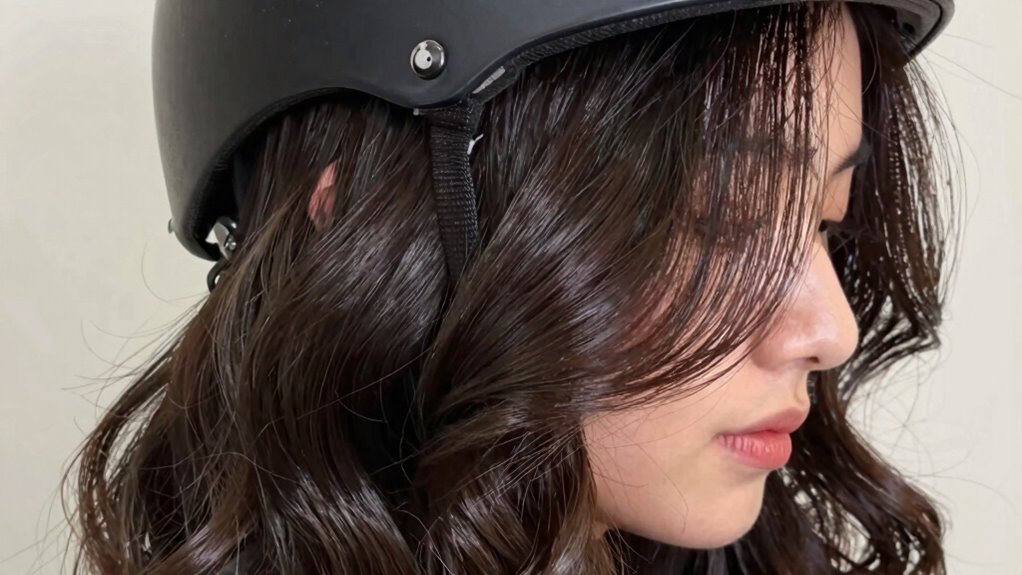
Start your day with a quick pre-commute styling routine to boost volume and tame frizz. After your ride, use simple touch-up tips to refresh your hair without losing your style. These tricks keep your hair looking full and sleek all day long.
Pre-Commute Hair Prep
Getting your hair ready before heading out can make all the difference in achieving a voluminous, frizz-free look that lasts all day. Start by focusing on scalp health—clean, healthy scalp promotes better hair volume and reduces oil buildup that can weigh hair down. Use a gentle, nourishing shampoo and avoid over-washing to maintain natural oils. Follow with a lightweight conditioner that targets hair conditioning without leaving residue. Proper conditioning helps smooth the cuticle, reducing frizz and enhancing shine. Before styling, give your scalp a quick massage to stimulate circulation, boosting hair energy. These steps create a solid foundation, ensuring your hair maintains its volume and stays sleek, even under a helmet. Preparing your hair thoughtfully makes a noticeable difference in your daily helmet-proof look.
Post-Ride Touch-Up Tips
Even with the best pre-ride preparations, your hair can still need a quick refresh to stay voluminous and frizz-free all day. For helmet hair remedies, start by spritzing a lightweight texturizing spray to revive your roots and add lift. Use your fingers to gently tousle and reshape your style, avoiding over-brushing which can flatten volume. If frizz has taken over, apply a small amount of anti-frizz serum or smoothing cream to tame flyaways. For post ride styling, consider pinning back sections or creating loose waves with a curling iron for added texture. Keep a travel-sized dry shampoo handy to absorb excess oil and refresh your look. Incorporating hair care tips can also help maintain your style longer and prevent damage from helmet wear. These quick post-ride touch-up tips will help your hair stay polished, voluminous, and ready to take on the rest of your day.
Choosing Helmet and Accessories That Protect Your Hair

Choosing the right helmet and accessories can make a significant difference in protecting your hair from damage and frizz. Look for helmets with good ventilation, which helps reduce sweat and moisture that can lead to frizz and breakage. Proper helmet padding is also essential; it provides a snug fit that minimizes excessive movement, preventing hair from getting tangled or pulled. Consider using a silk or satin lining inside your helmet, as these materials are gentle on hair and reduce friction. Additionally, choose helmets with adjustable straps to ensure a comfortable fit that doesn’t crush or flatten your hairstyle. By selecting a helmet with ideal ventilation and quality padding, you create a protective environment that preserves your hair’s health and style during your ride. Proper helmet fit and adjustment also play a crucial role in minimizing hair damage and maintaining your style throughout your commute. Ensuring your helmet is properly compliant with safety standards further enhances protection while keeping your hair intact. Paying attention to helmet ventilation can significantly improve airflow and help prevent excessive moisture buildup, which contributes to frizz and damage. Incorporating proper helmet maintenance can also extend the lifespan of your gear and keep it functioning effectively to protect your hair. Regularly inspecting your helmet for wear and tear ensures it continues to provide optimal protection and hair care benefits.
Frequently Asked Questions
How Can I Prevent Helmet Hair From Forming in the First Place?
To prevent helmet hair, start with a good moisturizing routine to keep your hair smooth and hydrated. Use lightweight styling tips like applying a leave-in conditioner or anti-frizz serum before you ride. Opt for hairstyles that minimize hair movement and avoid tight styles that cause tangling. Wearing a silk or satin scarf under your helmet can also protect your hair and reduce frizz, helping your style survive the commute.
Are There Specific Hairstyles Best Suited for Helmet Wearers?
You’ll want to try helmet-friendly braids or low-maintenance styles that turn your commute into a hair-saving adventure. These styles stay put through even the wildest rides, ensuring your hair looks fresh when you arrive. Braids like French or fishtail are perfect—they keep hair contained and minimize damage. Opt for simple buns or sleek ponytails that won’t get squished or frizz out, making your helmet wear effortless and stylish every time.
What Are the Long-Term Effects of Wearing Helmets on Hair Health?
Wearing helmets long-term can impact your hair health by restricting scalp circulation, which may lead to dullness or hair thinning over time. It can also cause hair breakage if your helmet fits too tightly or if you don’t regularly care for your scalp and hair. To minimize these effects, make certain your helmet fits comfortably, take breaks to improve circulation, and use gentle hair products to keep your hair strong and healthy.
Can Certain Fabrics or Helmet Materials Reduce Hair Damage?
In the grand tradition of Victorian innovation, you can reduce hair damage by choosing helmets with advanced fabric innovations. Opt for helmets with smooth, moisture-wicking linings and soft padding, which minimize friction and static. Modern helmet padding made from breathable, gentle fabrics helps protect your hair’s health during commutes. These thoughtful fabric choices keep your hair smoother and healthier, ensuring style stays intact even after a long ride.
How Often Should I Wash My Hair if I Wear a Helmet Daily?
You should wash your hair every 2-3 days if you wear a helmet daily to maintain scalp health and prevent buildup. This frequency helps keep your scalp clean without stripping natural oils. If you notice excess oil or dirt, wash more often. Use a gentle shampoo and avoid over-washing, which can cause dryness. Regular washing balances cleanliness with scalp health, ensuring your hair stays fresh and healthy even with daily helmet use.
Conclusion
Now that you know how to tame helmet hair, isn’t it time to conquer the commute with confidence? With these tips and tricks, you’ll turn a hair mishap into a victory parade. Remember, your hair’s resilience is like a story waiting to be told—so make yours a good one. Don’t let helmet hair steal your shine; instead, use it as a chance to showcase your style and personality. Ride on, beautifully confident!