Wearing a tight helmet traps sweat and moisture against your scalp and hair, causing friction that damages cuticles and leads to breakage. It also disrupts your natural oil balance, fostering bacterial growth and scalp irritation. To help, choose a helmet that fits comfortably, use breathable liners, wash your hair regularly, and avoid aggressive towel-drying. If you want practical tips to prevent damage and boost your hair health, keep exploring for more effective strategies.

Get your wardrobe favorites delivered free — and shop member deals
- Fast, free delivery on millions of items
- Access to Prime Big Deal Days deals on October 6–7
- Prime Video, Amazon Music and more included
Key Takeaways
- Tight helmets increase friction and pressure, causing hair breakage and scalp irritation.
- Moisture retention from sweat promotes bacterial growth, leading to scalp issues and hair damage.
- Mechanical rubbing from helmet straps weakens hair cuticles and causes split ends.
- Using breathable liners and a proper fit reduces friction and moisture buildup.
- Regular washing, gentle care, and scalp recovery practices improve overall helmet hair health.
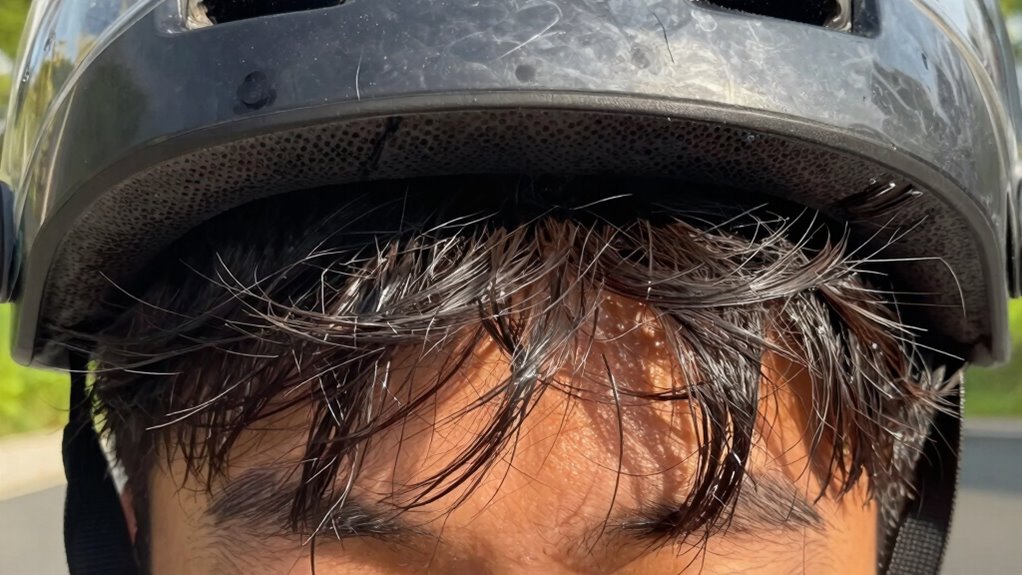
Have you ever taken off your helmet and noticed your hair looks flat, greasy, or just plain messy? It’s a common experience, and it’s often more than just an annoyance. Helmet hair can cause scalp irritation, making your scalp feel itchy or sore, and it can also lead to hair breakage. The constant pressure and friction from wearing a helmet disrupt your scalp’s natural balance, trapping sweat and oils that can clog hair follicles. When your scalp gets irritated, it becomes inflamed and sensitive, which can weaken hair strands and lead to breakage. Over time, this can make your hair thinner and more prone to damage, especially if you wear a helmet regularly.
Helmet hair can cause scalp irritation, hair breakage, and thinning over time.
One of the main reasons helmet hair gets worse is because of sweat and moisture buildup. When you wear a helmet for long periods, sweat gets trapped against your scalp and hair, creating a damp environment that promotes bacterial growth and scalp irritation. This moisture can also weaken hair strands, making them more likely to break when you brush or style your hair afterward. Plus, the friction between your helmet and hair can cause mechanical damage, especially if your hair is already fragile or prone to breakage. Over time, this repetitive rubbing wears down hair cuticles, leading to split ends and increased hair loss. Additionally, moisture buildup can alter the scalp’s natural oil production, further exacerbating issues like greasiness and irritation. Ensuring proper scalp hygiene and moisture management can significantly reduce these problems. Using antibacterial sprays or powders designed for scalp care can also help keep bacteria at bay and maintain a healthier scalp environment.
To help prevent these issues, it’s essential to focus on both your helmet fit and your hair care routine. Make sure your helmet isn’t too tight; a snug but comfortable fit reduces unnecessary friction and pressure, which can exacerbate scalp irritation and hair breakage. Wearing a moisture-wicking or breathable liner inside your helmet can absorb sweat and keep your scalp dry, reducing irritation and bacterial growth. Regularly washing your hair with gentle, nourishing shampoo helps remove excess oils and sweat, preventing buildup that clogs follicles. Additionally, using a conditioner or leave-in treatment can strengthen your hair, making it more resilient against breakage caused by friction. Keeping your hair well-maintained and protected can also minimize damage from helmet wear.
When you remove your helmet, avoid aggressive brushing or towel-drying that can further damage fragile hair. Instead, gently pat your hair dry and consider applying a lightweight serum or oil to add a protective layer. Giving your scalp time to breathe and recover between helmet wears is also essential; try to avoid wearing the helmet for extended periods every day. If your scalp remains irritated or your hair continues to break easily, consulting a dermatologist or hair specialist might be necessary. They can recommend targeted treatments or adjustments to your routine to promote healthier scalp and hair. Remember, small changes in how you wear and care for your hair can make a significant difference in reducing helmet hair issues. Proper hair care routine and mindful helmet use are key to maintaining healthy hair.
As an affiliate, we earn on qualifying purchases.
Frequently Asked Questions
Can Different Helmet Materials Affect Hair Health Differently?
Different helmet materials can indeed affect your hair health differently. For example, helmets made from smooth, breathable materials like foam or padded fabrics tend to minimize hair breakage and reduce scalp irritation. Conversely, helmets with rough or non-breathable materials can cause friction, leading to hair damage and dryness. Choosing helmets with soft, moisture-wicking linings helps protect your hair, keeping it healthier and less prone to breakage during rides.
How Often Should I Wash My Hair if I Wear a Helmet Daily?
If you wear a helmet daily, wash your hair every 2-3 days to maintain hair hydration and prevent scalp irritation. Regular washing helps remove sweat, dirt, and buildup, reducing the risk of clogged follicles. Use a gentle, sulfate-free shampoo, and follow with conditioner to keep your hair hydrated. This routine balances cleanliness with moisture, helping you avoid helmet-induced damage and irritation while keeping your hair healthy and fresh.
Are There Specific Hairstyles That Reduce Helmet Hair Damage?
Yes, certain hairstyles like loose braids or low ponytails can reduce helmet hair damage by minimizing tension. Opting for hat alternatives, such as headbands or silk scarves, also helps prevent hair breakage and frizz. Avoid tight styles that pull on your scalp, and choose gentle, loose options to maintain your hair’s health. These strategies help you enjoy your helmet routine without sacrificing your hairstyle or hair integrity.
Does Using Hair Products Before Wearing a Helmet Help?
Did you know that 60% of riders believe hair products prevent helmet hair, but hair product myths often lead to worse damage? Using hair products before wearing a helmet might seem helpful, but it can actually trap sweat and oil, making helmet hair worse. Instead, focus on helmet hair solutions like lightweight, non-greasy sprays or leaving hair in braids. These methods help reduce friction and keep your hair healthier.
Can I Prevent Helmet Hair Without Sacrificing Helmet Safety?
Yes, you can prevent helmet hair without sacrificing safety. Focus on good helmet ventilation to reduce sweat and moisture buildup, which helps keep hair from sticking and flattening. Also, make sure your hair stays moisturized with lightweight products, avoiding heaviness that can cause hair to clump. Wearing a silk or satin scarf under your helmet can protect your hair while allowing ventilation. These tips help maintain your hairstyle and safety simultaneously.
As an affiliate, we earn on qualifying purchases.
Conclusion
To keep helmet hair at bay, focus on wearing breathable, moisture-wicking fabrics and taking breaks to let your hair breathe. Using lightweight styling products can also prevent buildup. Did you know that over 60% of cyclists experience helmet hair discomfort? By making simple adjustments and choosing the right gear, you can stay comfortable and confident after every ride. Remember, a little effort goes a long way in keeping your hair looking fresh and feeling great.
As an affiliate, we earn on qualifying purchases.
gentle nourishing shampoo for scalp
As an affiliate, we earn on qualifying purchases.
As an affiliate, we earn on qualifying purchases.
Halloween Picks
halloween
As an affiliate, we earn on qualifying purchases.