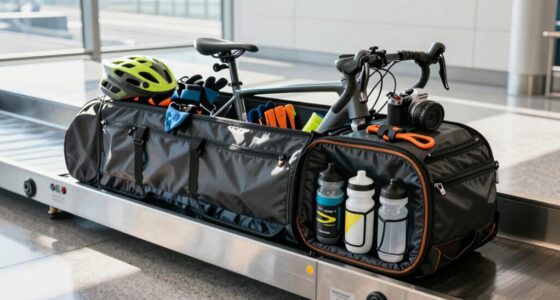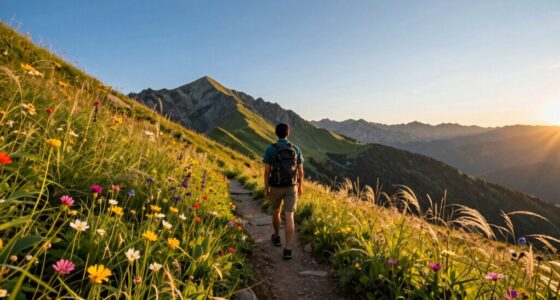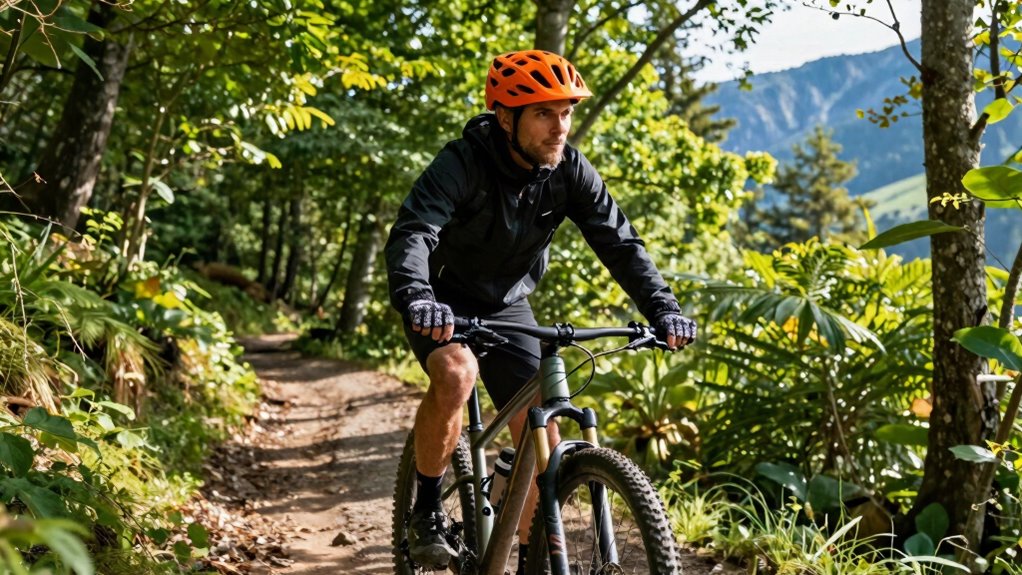
To build confidence riding in new places, start small with easy routes and gradually try more challenging terrains. Use maps or apps to familiarize yourself with the area, check conditions in advance, and visualize your ride to reduce anxiety. Ride with experienced cyclists, practice essential techniques, and wear safety gear to boost your sense of security. Be patient and celebrate each small victory, knowing that persistence will help you feel more comfortable over time. Keep going for even more tips.

Get your wardrobe favorites delivered free — and shop member deals
- Fast, free delivery on millions of items
- Access to Prime Big Deal Days deals on October 6–7
- Prime Video, Amazon Music and more included
Key Takeaways
- Start with familiar, easy routes and gradually tackle more challenging terrains to build comfort and skills.
- Use maps and apps to familiarize yourself with the new area’s terrain, traffic, and hazards beforehand.
- Ride with experienced cyclists or instructors for guidance, tips, and reassurance in unfamiliar environments.
- Ensure proper safety gear and prepare your bike to feel secure and confident during rides.
- Practice patience, celebrate small wins, and maintain a consistent routine to steadily boost confidence.
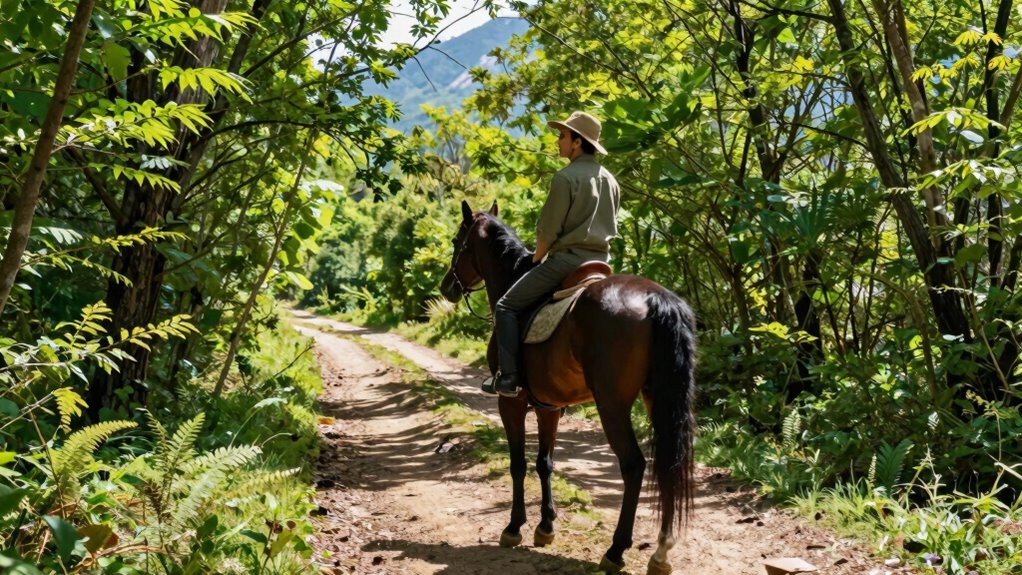
Have you ever hesitated to explore new riding routes because of uncertainty or fear? It’s a common feeling, especially when thinking about tackling mountain trails or steering through busy streets. The idea of stepping into unfamiliar territory can seem intimidating, but building your confidence is entirely possible with some simple strategies. The first step is to start small. Instead of jumping straight into challenging mountain trails or busy streets, begin with easier routes that still push your comfort zone just enough. Practice in local parks or quiet neighborhoods where traffic and terrain are less intense. As you become more comfortable, gradually increase the difficulty level. This approach helps you develop skills and trust in your abilities without feeling overwhelmed.
Next, familiarize yourself with the route before riding it. Use maps or apps to get a sense of the terrain, traffic patterns, and possible hazards. If you’re planning to ride mountain trails, check trail conditions and difficulty ratings so you know what to expect. For busy streets, observe traffic flow and identify safe crossings or bike lanes. Visualizing your ride helps reduce anxiety because you know what to anticipate. It’s also helpful to ride with a more experienced cyclist initially. They can offer tips, reassurance, and guidance, which boosts your confidence and helps you learn effective handling techniques for tricky situations.
Practicing proper riding techniques is vital. Mastering braking, turning, and signaling ensures you feel in control, especially in unpredictable environments. When riding in mountain trails, focus on body positioning and braking to handle uneven terrain. On busy streets, stay alert, keep a safe distance from vehicles, and communicate your intentions clearly through hand signals or eye contact. Wearing appropriate safety gear like a helmet, gloves, and reflective clothing also boosts your confidence because you know you’re protected if something goes wrong. Confidence grows when you feel prepared. Additionally, understanding market insights about cycling gear and safety equipment can help you make informed choices to enhance your confidence further. Remember, investing in the right safety gear can significantly impact how comfortable and secure you feel during your rides.
Finally, keep in mind that gaining confidence takes time and consistent practice. Developing a cycling routine allows you to build skills gradually and reinforce positive experiences. Remember, setbacks are part of the learning process. If you encounter a difficult section or feel unsure, slow down, regroup, and take a moment to breathe. Every rider faces moments of hesitation; what matters is that you keep moving forward. Celebrate small victories, like successfully steering a tricky turn or riding a longer distance, which reinforce your progress. Over time, these experiences build your confidence, making you more enthusiastic to explore mountain trails and brave busy streets. Remember, every ride is a step toward becoming a more confident, capable cyclist.
As an affiliate, we earn on qualifying purchases.
Frequently Asked Questions
What Gear Should I Bring for Riding in Unfamiliar Areas?
You should bring essential riding gear like a well-fitted helmet, gloves, and sturdy riding boots for safety equipment. Pack a lightweight, weather-appropriate jacket and reflective gear for visibility. Carry a basic first aid kit, a map or GPS device, and tools for minor bike repairs. Always wear your safety equipment and check your riding gear before heading out. This preparation keeps you confident and safe in unfamiliar areas.
How Can I Navigate New Routes Safely Without Getting Lost?
To navigate new routes safely, stay alert and plan ahead. Study local customs and signage to understand the area better. Use a GPS or map app to stay on track, but keep an eye out for landmarks. Share your route and emergency contacts with someone you trust. If you get lost, remain calm, consult your GPS, and follow familiar landmarks or routes back to safety.
What Signs or Signals Should I Look for in New Places?
When riding in new places, look for signs like trail markers, directional arrows, and local customs signals, such as flags or symbols indicating safe routes. Pay attention to environmental conditions, like weather changes or terrain markers, which can guide you safely. Recognizing these signals helps you stay on the right path, respects local customs, and adapts to changing environmental conditions, boosting your confidence and ensuring a safer ride.
How Do I Handle Unexpected Obstacles or Hazards?
When facing unexpected obstacles or hazards, stay calm and assess the situation quickly. Use your emergency preparedness by knowing how to respond safely, such as slowing down or changing your route. Cultivate mental resilience by maintaining focus and confidence, trusting your riding skills. Keep a keen eye out for hazards, and don’t hesitate to stop if needed. Staying composed and prepared helps you handle surprises smoothly and safely.
Should I Adjust My Riding Style in Unfamiliar Environments?
Yes, you should adjust your riding technique in unfamiliar environments. Focus on environmental awareness to identify potential hazards early. Slow down and be more cautious, adapting your riding style to suit the terrain and conditions. This proactive approach helps you stay in control, reduces stress, and builds confidence. By being attentive and flexible, you’ll navigate new places more comfortably and develop better riding skills over time.
As an affiliate, we earn on qualifying purchases.
Conclusion
Remember, every new place is like a fresh chapter in your riding adventure. Trust your skills, stay calm, and embrace the unknown with the courage of a pioneer. Just as explorers once faced uncharted territories, you can conquer new trails with confidence. Don’t forget, even the greatest riders had to start somewhere — so saddle up and enjoy the ride, knowing that persistence today will turn unfamiliar paths into familiar roads tomorrow.
As an affiliate, we earn on qualifying purchases.
As an affiliate, we earn on qualifying purchases.
Fall Picks
fall essentials
As an affiliate, we earn on qualifying purchases.