TL;DR

Get your wardrobe favorites delivered free with Prime
- Fast, free delivery on millions of items
- Prime Video, Amazon Music and more included
- Member-only deals all year
Highsnobiety columnist Sable Yong reports that scalp care is gaining visibility through product launches, brand events and head-spa treatments, as beauty marketing increasingly treats the scalp as a focus of wellness. The source cites a $15 billion scalp-care market, but does not establish how that figure was calculated or show that the promoted products reliably regrow hair.
Scalp care is gaining ground in the beauty and wellness market, with products, salon-style head spas and hair-loss treatments increasingly marketed to consumers, according to a report by Highsnobiety columnist Sable Yong. The shift brings a once less-discussed concern into mainstream beauty culture, but the column also highlights unanswered questions about which treatments actually support hair growth.
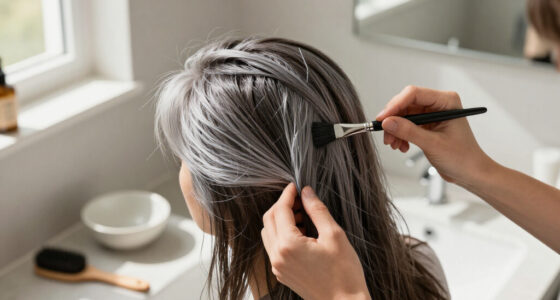
Yong describes attending scalp-care brand events that included scalp analyses, explanations of scalp health and demonstrations of products. She also tried a head spa, a treatment the column says originated in Japan and has spread internationally. The service combines hair washing with an extended scalp, neck and back massage, performed while the client lies at a basin.
The report cites the scalp-care market as being valued at $15 billion, but does not identify the source, date or methodology behind that estimate. It lists a wide range of products and services, from inexpensive scalp massagers to supplements, serums, red-light hats, microneedling rollers and in-clinic platelet-rich plasma injections. Prices cited include $86 for a month of Omi supplements and $120 a month for K18’s Future IQ Biomimetic Hair Longevity Serum.
Those examples illustrate a broad market, not proof of effectiveness. Yong says she has not tried the advanced interventions discussed and notes that friends who have tried them reported varying results. Product statements in the column — including claims about reducing shedding or supporting hair growth — are attributed to the brands or treatment marketing, not presented as independently verified findings.
Beauty’s New Focus on the Scalp
The attention matters because hair loss and changes in hair density can be personal concerns, while commercial messaging now offers an expanding menu of paid solutions. A wellness framing may make scalp health easier to discuss, but it can also make it harder for consumers to distinguish routine care from treatments making stronger medical or performance claims.
The offerings vary considerably in cost and type: a person can encounter a low-cost massage tool alongside supplements, costly topical products and procedures requiring a clinic. Yong’s report does not compare their effectiveness or establish which are appropriate for particular causes of hair loss. Readers should not treat the market’s size or visibility as evidence that a product works.
The column also connects the trend to cultural pressures around aging and appearance. Yong suggests that social media scrutiny and interest in longevity may help explain why consumers are receptive to describing hair and scalp maintenance as part of wellness. That is her interpretation of the trend, rather than a finding supported by consumer data in the report.
Popular right now

KitchenAid Artisan Series 5-Quart Tilt-Head Stand Mixer, Dried Rose (KSM150PS)

Vitamix 5200 Professional-Grade Blender, 64 oz. Container, Black

TCL T7 Series 85-Inch 4K 144Hz QLED Smart Google TV
As an affiliate, we earn on qualifying purchases.
From Hair Loss to Scalp Wellness
Yong opens with a personal account of noticing new hair growth after a period of shedding that followed COVID-19. The hairstylist she consulted was also a trichologist, a specialist in hair and scalp health. The columnist says the stylist identified the shedding as telogen effluvium, a temporary form of hair loss that can follow an illness or other stressor.
In the account, the stylist said shedding can begin roughly two to three months after recovery and continue for six to nine months, with regrowth afterward. Those timeframes are part of Yong’s reported conversation and are not a diagnosis for readers experiencing hair loss. The personal experience helps explain why the market’s promises can appeal to people dealing with uncertainty about changes in their hair.
Yong contrasts the current visibility of scalp care with earlier discomfort around discussing appearance-related concerns. She describes seeing hair-loss advertising on public transit and social media attention around head-spa visits. The report frames these examples as signs of growing visibility, rather than as a measured account of how many people are buying scalp-care products.
“Hair grows about an average of half an inch a month, and there’s about four inches here.”
— The hairstylist and trichologist described by Sable Yong
Evidence Behind Hair Growth Claims
The report does not provide independent clinical evidence comparing the products and procedures it names. It also does not identify the basis for the cited $15 billion market valuation, so its date, scope and calculation cannot be checked from the source material.
It remains unclear which of the featured products or interventions are effective for specific causes of shedding, what risks or limitations they may carry, and how their results compare with medical evaluation. The columnist’s personal experience and the technician’s suggestion are not substitutes for clinical evidence. The column does not establish that scalp massage, supplements or a particular brand’s ingredients can reliably prevent hair loss or regrow hair.
The report also offers no figures showing how quickly the market is growing, how many consumers use these services, or whether the visibility of head spas and hair-loss advertising reflects a broader change in purchasing. The scale of the cultural trend is described through Yong’s observations, not quantified in the article.
Separating Care From Treatment
The column’s immediate takeaway is to be cautious about the large range of products marketed for scalp and hair concerns. Yong recounts asking a scalp-analysis technician about clinically proven ways to promote hair growth and receiving a suggestion to massage the scalp. That exchange is reported as an anecdote, not as a clinical recommendation or a substitute for advice from a qualified health professional.
For readers considering products or procedures, the unanswered questions are practical: what evidence supports the specific claim, what outcome was measured, and whether the treatment is appropriate for the cause of the hair change. The report does not supply answers or name a forthcoming study, regulatory decision or company milestone. Further reporting would be needed to verify market estimates and assess the evidence for individual products.
Key Questions
What is the news in the Highsnobiety report?
Columnist Sable Yong reports that scalp care is becoming more visible in beauty and wellness, through products, brand events, hair-loss advertising and head-spa services. The piece also questions how consumers can sort evidence from marketing.
What is a head spa?
As described in the report, a head spa is an extended hair-washing treatment in which a client lies at a basin while the scalp, neck and back are massaged. Yong says the treatment originated in Japan and has spread to other markets.
Does the report prove that scalp-care products regrow hair?
No. It describes products and their marketing claims but does not provide independent evidence that they reliably regrow hair or prevent shedding. The column also does not compare the treatments’ effectiveness.
What does the report say about hair shedding after COVID-19?
Yong recounts a stylist’s explanation that her short new hairs followed a period of shedding. The stylist identified the pattern as telogen effluvium; the column describes this as temporary, but the account is personal and does not diagnose other readers.
How much is the scalp-care market worth?
The column cites a $15 billion valuation. It does not name the source or explain the estimate’s date, scope or methodology, so the figure’s comparison basis cannot be assessed from the report.
Source: highsnobiety.com