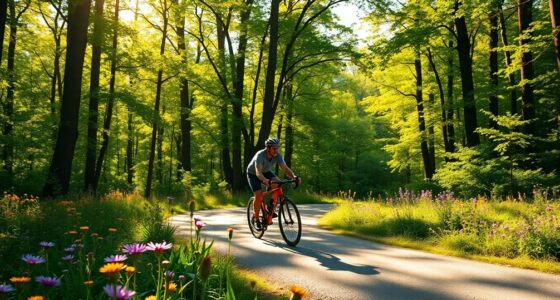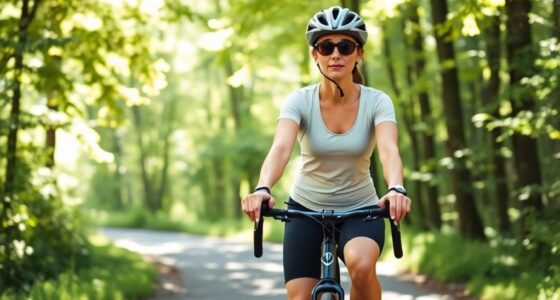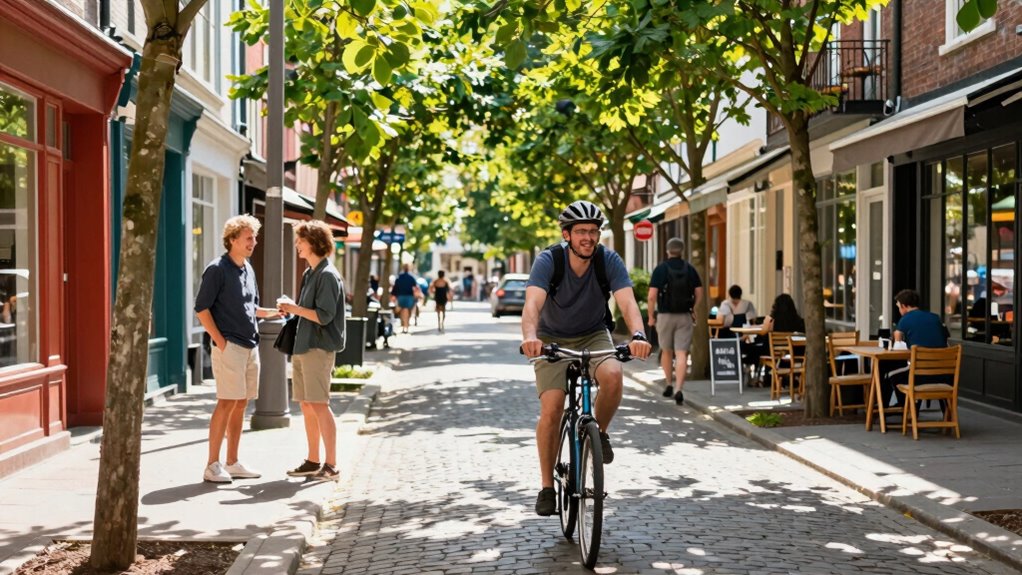

Cycling makes cities feel smaller and friendlier because you get a closer, more personal view of your surroundings. It helps you navigate narrow alleyways and busy streets easily, fostering familiarity. Cycling encourages spontaneous interactions with neighbors and boosts community bonds. It also reduces congestion, making neighborhoods more lively and accessible. By experiencing the city up-close, you’ll start to see it as a welcoming, connected place—there’s much more to discover if you keep exploring.
Key Takeaways
- Cycling offers a closer, more personal view of the surroundings, reducing feelings of city size and complexity.
- It fosters spontaneous social interactions and community engagement among residents.
- Bikes provide easy access to various city areas, enhancing connectivity and inclusivity.
- Increased cycling traffic supports local businesses and vibrant neighborhood life.
- Cycling makes cities feel smaller by promoting familiarity, trust, and a sense of belonging within urban spaces.
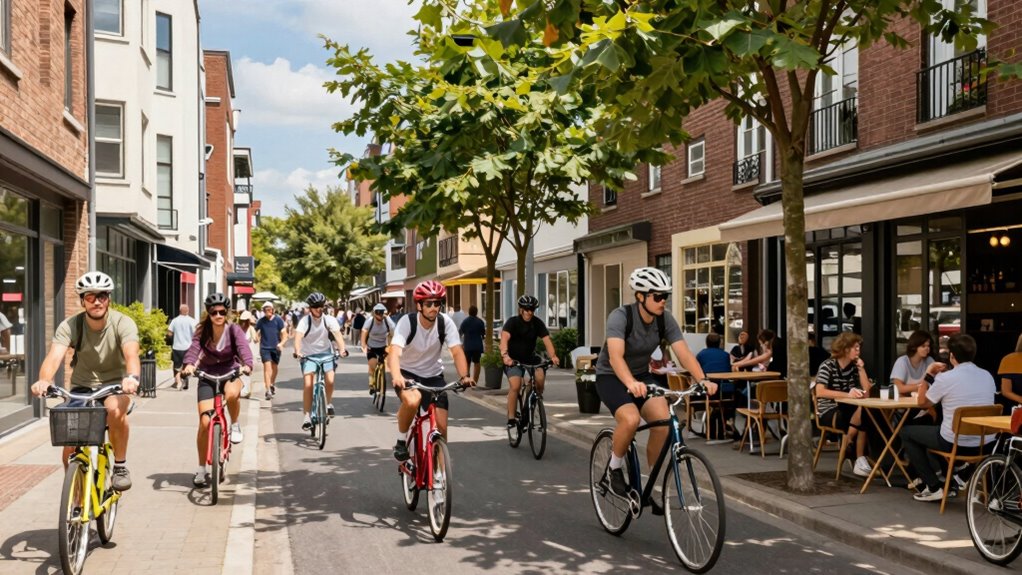
Cycling transforms how you experience a city, making it feel smaller and more welcoming. When you hop on a bike, you cut through the usual hustle and bustle, gaining a closer, more intimate view of your surroundings. Instead of being confined to a car or public transit, you become part of the streetscape, which enhances urban accessibility. You can effortlessly navigate narrow alleyways, quiet neighborhoods, and busy intersections, reaching destinations more directly. This ease of movement means you’re less likely to feel lost or overwhelmed by the city’s size. Instead, you develop a sense of familiarity with your environment, which fosters a feeling of belonging and comfort.
Cycling makes cities feel smaller, more accessible, and fosters a deeper connection with your surroundings and community.
Biking also plays a significant role in strengthening community engagement. When you cycle through neighborhoods, you notice more details and interact more naturally with people around you. Unlike driving, which creates physical and psychological barriers between you and your surroundings, biking encourages spontaneous conversations and connections. You’re more likely to greet neighbors, stop for local events, or participate in community activities. These small interactions build trust and camaraderie, making the city feel warmer and more inclusive. As you become a regular presence on local streets, you contribute to a vibrant, connected community where social ties grow stronger. Additionally, cycling enhances urban mobility, making it easier to access various parts of the city without relying solely on public transportation.
Another benefit is how cycling promotes equitable urban accessibility. Bikes are affordable, versatile, and require less space than cars, making transportation more accessible to a broader range of people. Whether you’re a student, a worker, or a retiree, cycling ensures you can reach essential services, parks, and social venues without the barriers of cost or limited public transit options. This improved access helps bridge gaps among different socioeconomic groups, making the city feel more inclusive and less divided. You’ll notice that neighborhoods become more interconnected, and everyone gets a fairer shot at participating in city life. Supporting urban mobility is essential for fostering a city that feels less vast and more interconnected.
Furthermore, cycling encourages local businesses and community events. When you bike around, you’re more likely to stop at small shops, cafes, and markets, supporting local economies. This increased foot and bike traffic can lead to more lively neighborhoods, where community bonds are reinforced through shared spaces and collective participation. Additionally, cycling can help reduce urban congestion, making neighborhoods more pleasant and accessible for everyone. As you engage more deeply with your environment, you naturally help foster a city that’s friendlier and easier to navigate for everyone. The sense of community created by shared cycling experiences further enhances the feeling of a smaller, more welcoming city.
Ultimately, cycling makes a city feel smaller by bringing you closer to its core, its people, and its heart. It breaks down barriers—physical, social, and economic—creating a more accessible, engaging, and welcoming urban landscape. When you choose to bike, you don’t just move through the city; you become part of its community, helping it feel less vast and more like home.

VIRIBUS Hybrid Bikes, 28 inch Mens Bike with Lightweight Aluminum Frame and Disc Brake, 700C Bikes for Tall Men, 7 Speed Vintage Retro Hybrid Bicycles for City Commuters, Adult Road Bikes White
- Wheel Size: 700C for smooth rides
- Lighting: IPX4 front & rear lights
- Comfort: Cushioned seat for comfort
As an affiliate, we earn on qualifying purchases.
As an affiliate, we earn on qualifying purchases.
Frequently Asked Questions
How Does Cycling Reduce Urban Noise Pollution?
Cycling reduces urban noise pollution because bikes produce considerably less noise than cars. When more people cycle, there’s less demand for motor vehicles, leading to decreased engine and horn sounds. Plus, dedicated cycling paths act as sound barriers, further muffling noise. As a cyclist, you help promote noise reduction in your city, creating a quieter, more peaceful environment for everyone around you.
What Are the Safety Concerns for New Cyclists?
Safety concerns for new cyclists are like shadows in the road—they follow you until you’re prepared. You need to wear protective gear, like helmets and reflective clothing, to stay visible and protected. Also, understanding traffic laws is essential; they’re your map through the chaos. By following these rules and staying alert, you’ll build confidence and reduce risks, turning your cycling journey into a safe, enjoyable adventure.
How Can Cities Encourage More Cycling Adoption?
Cities can encourage more cycling adoption by investing in urban planning that prioritizes bike lanes and safe routes. Promoting bike sharing programs makes cycling accessible to everyone and reduces barriers. You can support these efforts by advocating for infrastructure improvements and participating in local initiatives. When cities create a welcoming environment for cyclists, it becomes easier and safer for you to choose biking over driving, fostering a friendlier, more connected community.
Does Cycling Infrastructure Benefit All Community Members?
Cycling infrastructure benefits all community members by promoting bike lane safety and fostering cycling community engagement. While some might see bike lanes as exclusive, they actually create safer, more accessible streets for everyone—pedestrians, drivers, and cyclists alike. This inclusivity breaks down barriers, encouraging diverse groups to participate in active transportation. Ultimately, well-designed infrastructure unites communities, making cities friendlier and more welcoming spaces for all residents.
How Does Cycling Impact Local Businesses?
Cycling boosts local businesses by increasing foot traffic and encouraging customers to explore neighborhoods. When you use urban bike lanes and participate in bike sharing programs, you make it easier for more people to access shops and cafes without parking worries. This active movement attracts more visitors, supports local economies, and creates a lively community atmosphere, making your city more vibrant and welcoming for everyone.
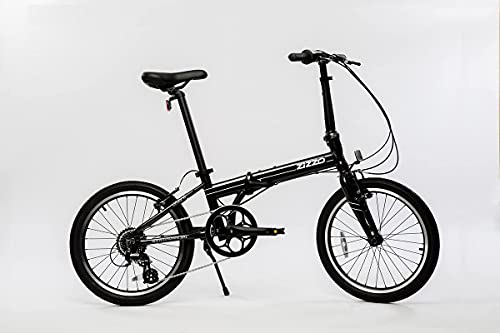
ZiZZO Urbano 26lb Lightest Aluminum Frame Genuine Shimano 8-Speed 20-Inch Folding Bike (Space Gray)
- Lightweight Aluminum Frame: All components made from aluminum alloy
- Shimano 8-Speed Gearing: Genuine Shimano Altus derailleur and shifter
- Adjustable Stem: Fits riders of various heights
As an affiliate, we earn on qualifying purchases.
As an affiliate, we earn on qualifying purchases.
Conclusion
Imagine your city as a vast, open sea. When you cycle, you become a boat, gliding smoothly through the waters, close to the shores and other vessels. Suddenly, the distance shrinks, and every face becomes familiar. Cycling turns the sprawling metropolis into a cozy harbor, where connections are easy to make and community feels near. Embrace this journey, and watch your city transform into a friendly, intimate harbor rather than a distant, intimidating ocean.

Ascher Ultra Bright USB Rechargeable Bike Light Set, Powerful Bicycle Front Headlight and Back Taillight, 4 Light Modes, Easy to Install for Men Women Road Mountain Cycling Black
- Bright LED Headlight and Taillight: Illuminates path and enhances visibility
- 360° Rotatable Front Light: Adjusts beam angle for better coverage
- 45° Adjustable Rear Light: Directs light up or down as needed
As an affiliate, we earn on qualifying purchases.
As an affiliate, we earn on qualifying purchases.
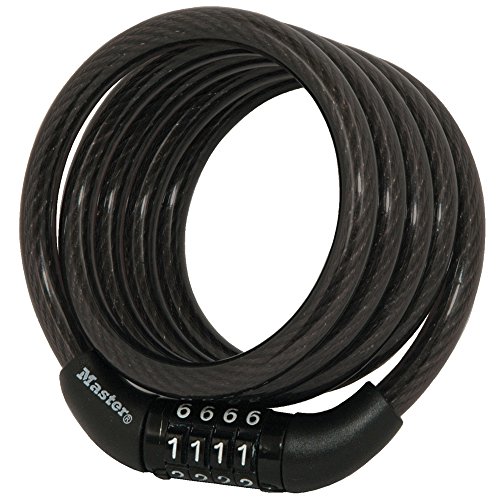
Master Lock Bike Lock Cable with Combination 4ft Black Bicycle Lock with Vinyl Coating 8143D
- Versatile Outdoor Security: Ideal for bicycles and outdoor equipment
- Preset 4-Digit Combination: Provides basic theft deterrent security
- Braided Steel Construction: Flexible and durable for secure locking
As an affiliate, we earn on qualifying purchases.
As an affiliate, we earn on qualifying purchases.