
When choosing tires, focus on the casing’s strength for durability and ride comfort, and consider TPI for flexibility and responsiveness. Puncture layers, like Kevlar or steel, protect against sharp objects without adding too much weight. Remember, a higher TPI usually means more supple tires, which enhance grip but may wear faster. Prioritize features based on your terrain and riding style; keep exploring to discover what truly matters for your ride.
Key Takeaways
- Tire casing design influences durability, flexibility, and ride comfort; balance based on terrain and riding style is essential.
- Higher TPI offers a smoother, more flexible ride, while lower TPI provides increased stiffness and puncture resistance.
- Puncture layers, made from materials like Kevlar or steel, are strategically placed to protect against flats without adding excessive weight.
- Material choice and layer placement in puncture protection impact tire longevity, weight, and performance.
- Selecting the right combination depends on your riding conditions, prioritizing durability, puncture resistance, or ride feel.
What Is Tire Casing and Why It Matters

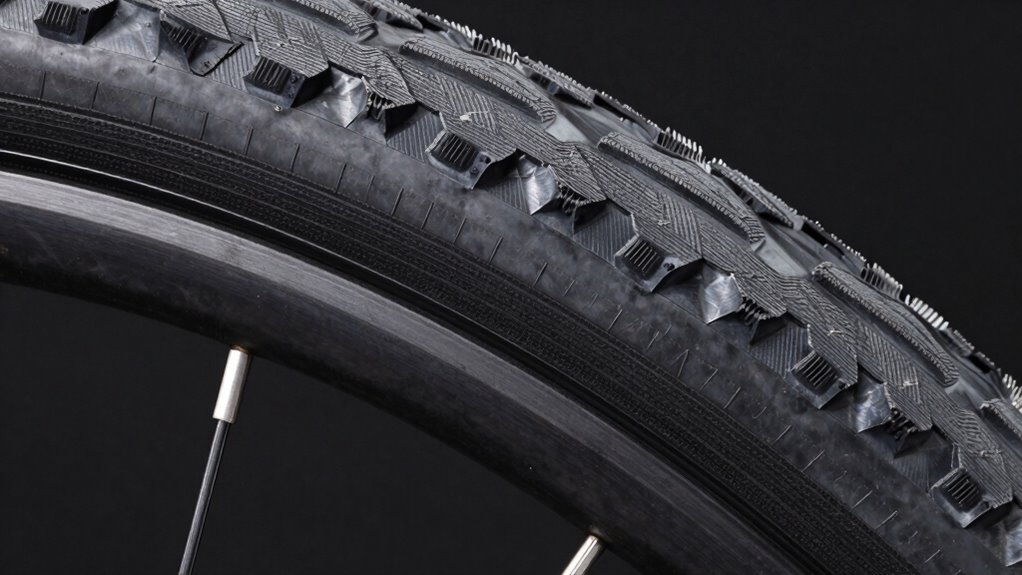
Have you ever wondered what makes a tire durable and safe? It all comes down to the tire casing, which is the foundation of the tire’s structure. Tire casing design involves selecting the right materials and construction methods to guarantee strength, flexibility, and longevity. Manufacturing processes play a vital role in creating a consistent, high-quality casing that withstands road hazards and maintains performance. The casing includes layers of fabric, steel, or other materials that form the core strength of the tire. A well-designed casing helps distribute pressure evenly, resist punctures, and improve ride comfort. When you choose a tire with a robust casing, you’re investing in safety, durability, and better handling—essentials for a smooth, confident ride. Proper casing construction also relies on understanding power tools and equipment to ensure precise assembly and quality control during manufacturing. Additionally, advancements in tire technology continue to enhance casing durability and performance across various driving conditions. For example, innovations like puncture layers provide extra protection against road hazards, further extending tire lifespan. Moreover, modern manufacturing techniques emphasize quality control to ensure each casing meets strict safety and durability standards.
Understanding TPI and Coil Density
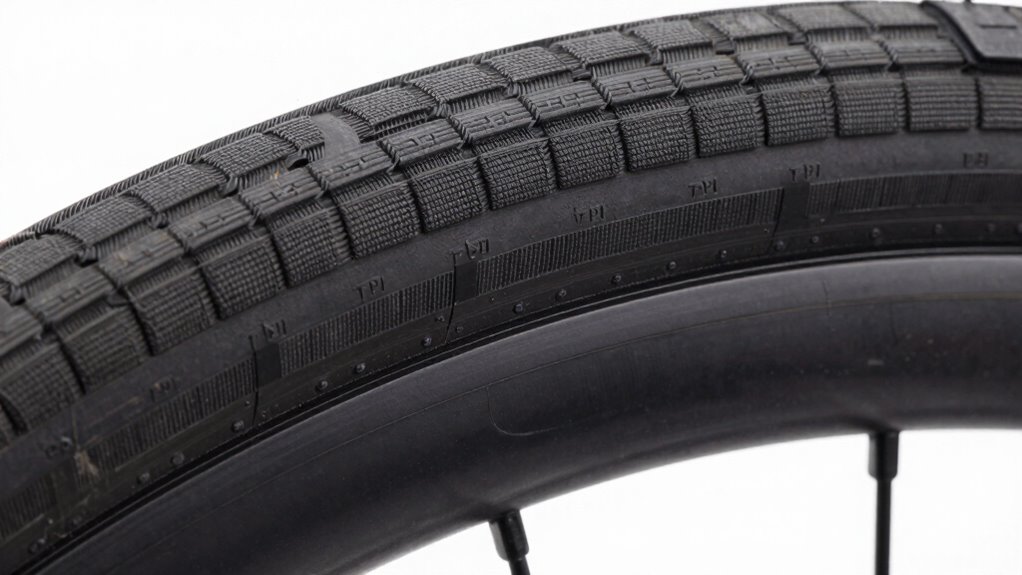
Understanding TPI (threads per inch) and coil density is essential for evaluating tire durability and performance. TPI indicates how tightly the steel or fabric cords are wound within the casing; higher TPI means more threads per inch, resulting in a smoother, more flexible tire that can better handle impacts. Coil density refers to how densely the steel or fiber coils are packed in the casing, influencing strength and puncture resistance. Both TPI and coil density affect the puncture layer composition, determining how well your tire resists cuts and pinholes. A higher TPI usually correlates with a more durable, responsive tire, while coil density impacts overall reinforcement. manufacturing quality plays a significant role in how these factors translate into real-world performance and longevity. Moreover, advanced manufacturing processes can enhance the consistency and performance of these components, ensuring better tire reliability over time.
Puncture Layers: How They Protect Your Tire

Puncture layers use specific reinforcement materials to strengthen your tire against sharp objects. The placement of these layers within the casing is carefully designed to provide ideal protection without adding unnecessary weight. Understanding these materials and strategies helps you choose tires that effectively guard against flats. For instance, some tires incorporate additional add-ins like fruits and spices to enhance durability and performance. Additionally, the type of reinforcement materials used plays a crucial role in how well the tire resists punctures and maintains structural integrity over time. Incorporating tire structure design techniques can also improve your ability to select the most durable options for your needs. Recognizing the importance of reinforcement layers can further optimize your understanding of tire protection.
Reinforcement Materials Used
Reinforcement materials in puncture layers play a crucial role in safeguarding your tire from sharp objects and road hazards. These materials enhance the layer composition, making it more resistant to penetration. Common reinforcement materials include steel, nylon, and Kevlar, each offering different levels of strength and flexibility. Steel provides maximum puncture resistance but adds weight, while nylon balances durability with lighter weight. Kevlar offers high strength-to-weight ratio and flexibility, ideal for performance tires. When choosing tires, consider how reinforcement materials impact puncture protection and overall performance. The right reinforcement material ensures your tire withstands rough conditions without sacrificing ride comfort. Additionally, understanding the regulatory standards for tire safety can help you select products that meet industry requirements. Ultimately, understanding these materials helps you pick a puncture layer that aligns with your riding style and safety needs.
Layer Placement Strategies
The placement of puncture layers within a tire considerably influences how effectively they safeguard against sharp objects and road hazards. Strategically positioning these layers near the sidewall enhances sidewall protection, preventing damage from impacts or debris. Placing puncture layers closer to the bead construction adds extra durability around the most vulnerable areas, reducing the risk of punctures near the rim. This strategic placement ensures the puncture-resistant materials shield critical zones without unnecessary weight or compromise to ride quality. Additionally, understanding layer placement strategies can help optimize tire longevity and safety. Proper layer placement balances protection with performance, making sure your tires withstand harsh conditions and hazards without sacrificing comfort or efficiency. Incorporating knowledge about tire construction can further refine your approach to selecting the right tire for your needs.
How Casing Strength Affects Durability and Ride Comfort
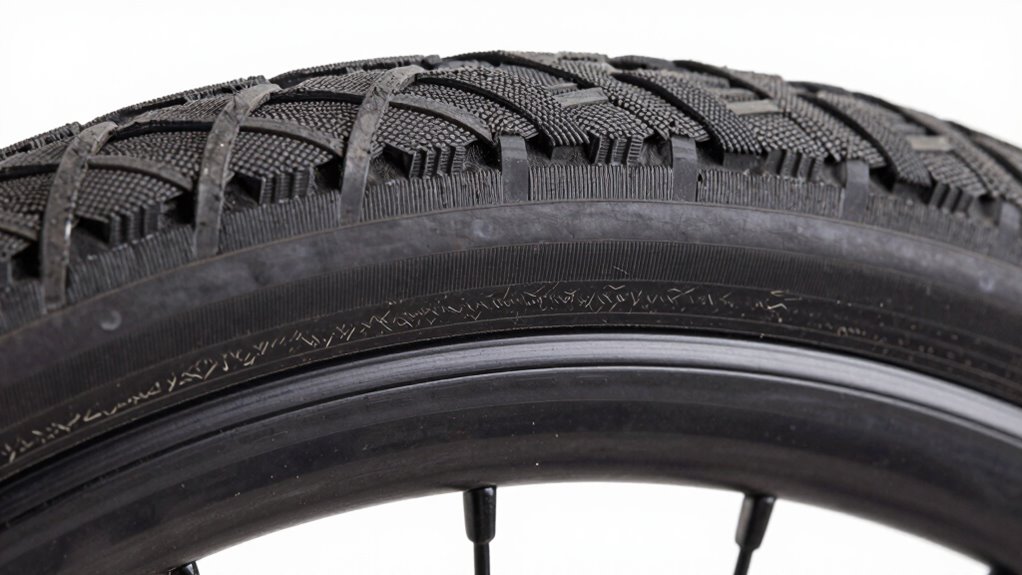
A stronger casing typically enhances a tire’s durability by resisting cuts, punctures, and structural damage. This robust tire casing design means fewer flats and longer lifespan, especially on rough terrain. However, increased strength can also impact riding comfort, making the ride feel stiffer and less responsive. To balance durability and comfort, consider how different casing strengths influence:
- Flexibility and shock absorption during rides
- Overall tire lifespan and resistance to external damage
- The level of ride comfort versus added weight and stiffness
Does TPI Impact Tire Grip and Traction?
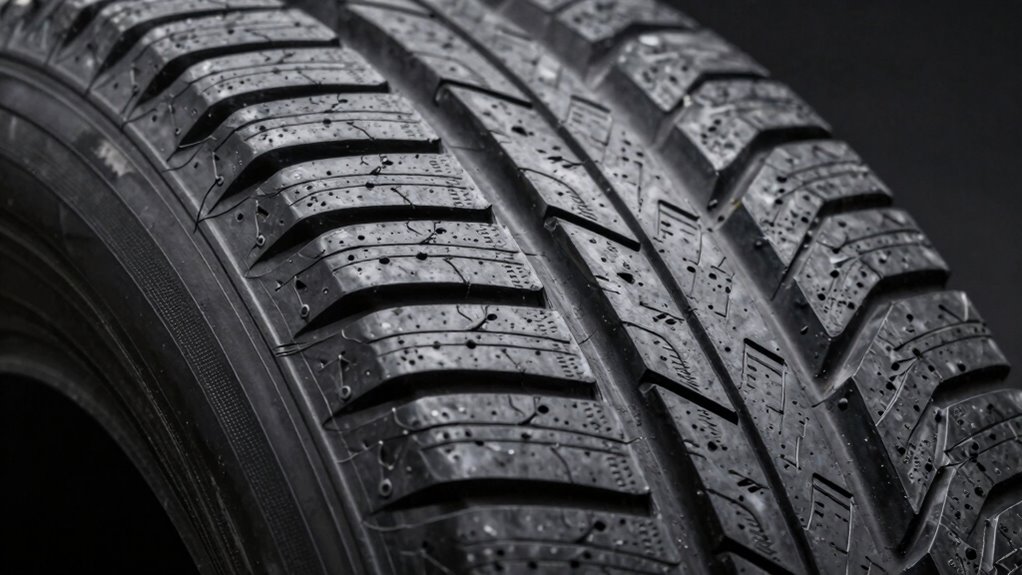
TPI, or threads per inch, plays a significant role in how well a tire grips the terrain. Higher TPI often results in a more flexible casing, which can conform better to uneven surfaces, potentially improving traction. TPI influences tread pattern design too; a more flexible casing allows for more intricate tread patterns that enhance grip. However, casing design considerations also matter—stiffer casings might offer durability but can reduce flexibility, affecting traction negatively. Additionally, casing flexibility is crucial in determining how well a tire adapts to different terrains and conditions, further impacting grip. The history of haute couture demonstrates how craftsmanship and material selection influence the final product, paralleling how tire materials affect performance. While TPI alone doesn’t determine grip quality, it interacts with tread pattern and casing flexibility to impact traction. Ultimately, choosing the right TPI depends on your riding style and terrain, balancing casing flexibility and tread design to optimize grip and control.
Are Puncture Protection Layers Worth the Extra Cost?
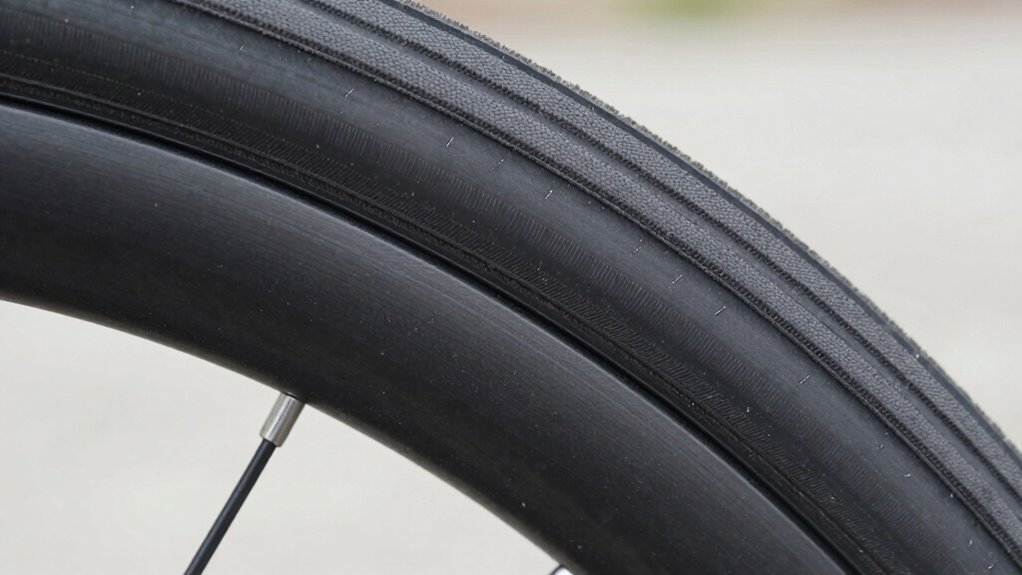
Are puncture protection layers worth the extra cost? It depends on your riding style and terrain. These layers can prevent flats, especially when maintaining ideal tire pressure and choosing a tread pattern suited to your ride. However, they often add weight and reduce rolling efficiency. Consider these factors:
- Increased protection against sharp objects, reducing downtime
- Slightly heavier tires may affect speed and handling
- Tread pattern impacts how protection layers perform, especially on rough surfaces
- Selecting the appropriate tire casing can optimize durability and weight balance
- Proper piercing care and choosing the right materials can also influence the longevity of your protection layers
- The choice of Suprem fabric in tire components can improve overall durability and comfort, making protection layers more effective and sustainable
Additionally, understanding tire construction can help you choose the most suitable setup for your riding needs. If you ride frequently on debris-filled trails or urban environments, the extra cost might be justified. But if you prioritize lightweight performance and smooth pavement, you might prefer tires without puncture layers. Weigh these points carefully to decide if the benefits outweigh the added expense.
Choosing the Best Casing and Puncture Layers for Your Riding Style
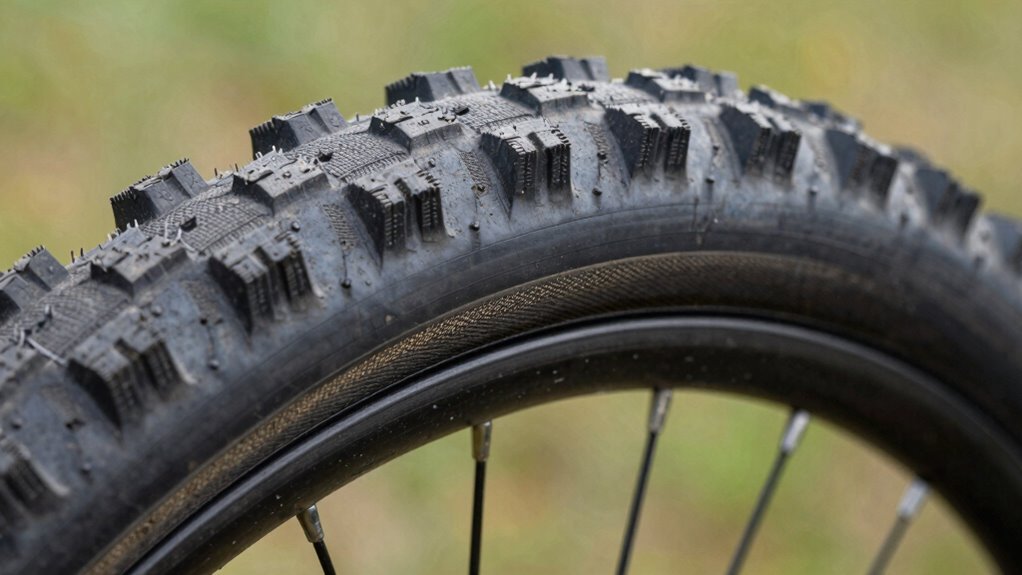
When selecting casing and puncture layers, you need to take into account how durability and flexibility match your riding style. TPI impacts ride quality, so choose according to whether you prioritize comfort or lightweight performance. Additionally, evaluate puncture resistance layers to ensure your tires can handle the terrains you ride most often. Understanding tire construction can help you make more informed decisions about durability and performance features. Recognizing how different layer arrangements affect tire behavior can further optimize your riding experience.
Casing Durability and Flexibility
Choosing the right casing and puncture layers depends heavily on your riding style and terrain. Casing durability and flexibility are key factors in selecting the best tire casing for your needs. A more durable casing resists cuts and punctures but can be stiffer, reducing casing flexibility. Conversely, a flexible casing offers better ride comfort and traction but may wear faster. Consider these points:
- Heavily reinforced casings provide longevity for aggressive riding.
- Lighter casings enhance flexibility for smoother, technical terrain.
- Balancing durability and flexibility depends on your terrain and riding style.
- Understanding tire casing construction can help you make more informed choices tailored to your riding conditions.
Your choice impacts how your tire performs, so prioritize durability for rough trails and flexibility for technical or smooth riding. Finding the right balance ensures your tire withstands the terrain while maintaining ideal ride feel.
TPI and Ride Quality
TPI, or threads per inch, directly influences ride quality by affecting tire flexibility and ride feel. Higher TPI tires are more supple, offering a smoother, more responsive ride—ideal for mountain biking on rocky trails or technical terrain. Lower TPI tires tend to be stiffer, which can improve durability but might compromise comfort. For road racing, where speed and efficiency matter, a moderate TPI strikes a balance between ride feel and puncture protection. When choosing casing for your riding style, consider how much flexibility you need: more TPI for agility and comfort, less for durability and support. Ultimately, TPI impacts how the tire interacts with the terrain, shaping your overall riding experience across different disciplines. Understanding tire construction can help you make more informed choices about which tires suit your riding needs best.
Puncture Resistance Layers
Selecting the right puncture resistance layers is crucial for tailoring your tire’s durability to your riding style. Your choice depends on how much protection you need from flats and the type of terrain you face. Consider the tire casing construction and puncture layer materials; these determine how well your tire resists sharp objects. Higher puncture protection often involves thicker or additional layers, which can add weight but improve durability. Look for tires with reinforced sidewalls if you ride rough terrain or frequently encounter debris. Some options include:
- Kevlar or nylon-based puncture layers for lightweight, flexible protection
- Extra casing layers for increased durability on rugged trails
- Reinforced sidewalls for better resistance against cuts and punctures
Matching the puncture resistance layers to your riding style ensures a balanced mix of protection, weight, and performance.
Common Myths About TPI and Puncture Layers Debunked
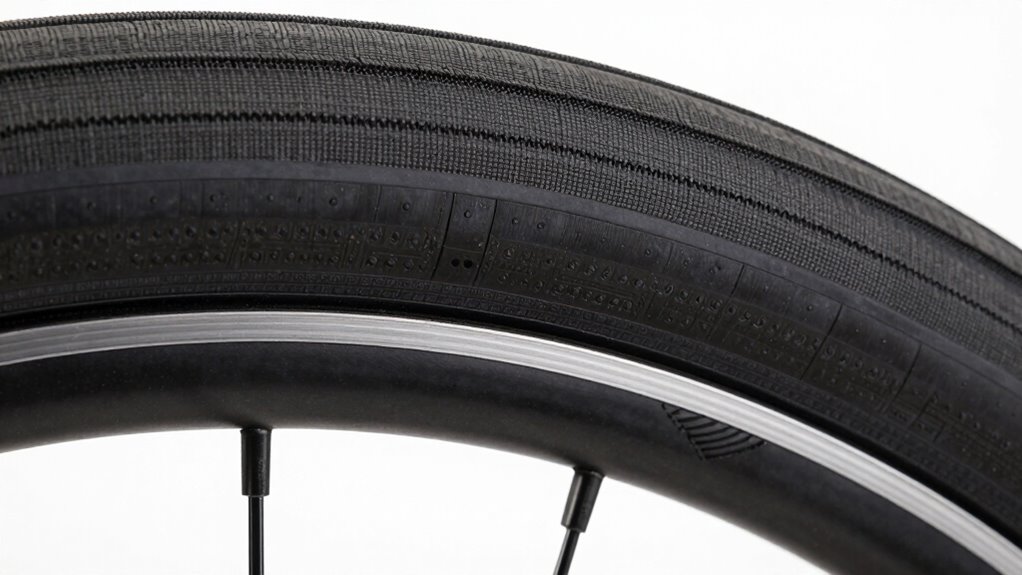
Many common beliefs about TPI and puncture layers are actually myths that can mislead cyclists. One misconception is that higher TPI variations automatically mean a stronger or more durable tire. In reality, TPI primarily affects ride comfort and suppleness, not puncture resistance. Similarly, people often assume that all puncture layer materials provide the same protection. However, different puncture layers—such as nylon, Kevlar, or other composites—offer varying levels of puncture resistance depending on their construction and placement within the tire. Don’t rely solely on TPI numbers or the type of puncture layer material to judge tire performance. Instead, consider the combination of casing design, puncture protection layers, and your riding conditions to make a smarter choice.
When to Prioritize Tire Casing Quality Over Other Features
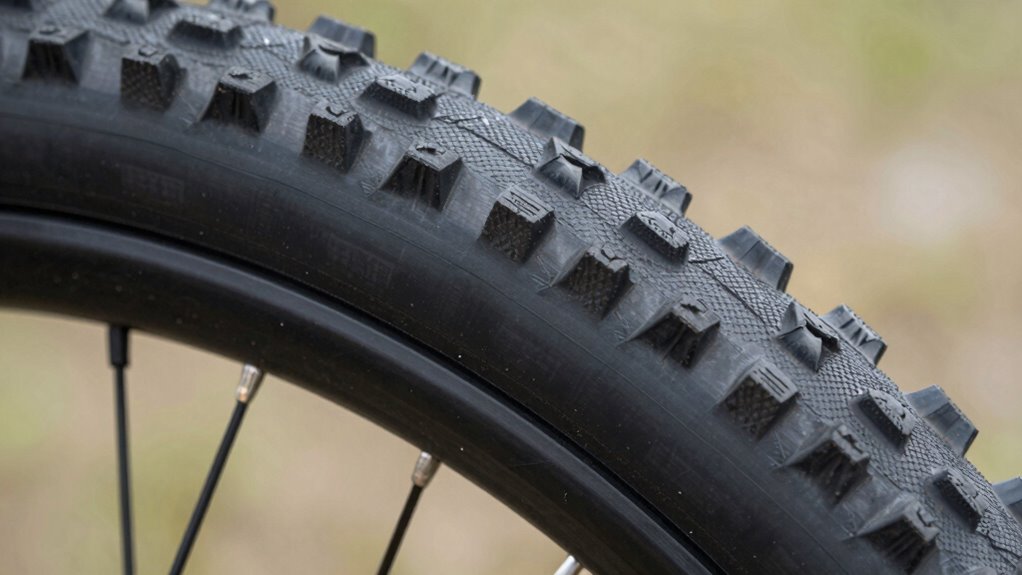
Understanding when to prioritize tire casing quality is vital for optimizing your ride, especially in challenging conditions. If you ride in rough terrain, face frequent punctures, or need durability over aesthetics, focusing on casing quality becomes essential. High-quality casings improve puncture resistance, ride comfort, and longevity, which outweighs superficial factors like tire aesthetics. Additionally, consider the brand reputation; trusted brands often deliver consistent casing durability. Recognizing emerging entertainment trends can help you choose products that incorporate innovative casing technologies. Incorporating advanced casing materials can further enhance your tire’s performance and durability. You should prioritize casing quality when: – Terrain demands maximum puncture resistance – Durability and longevity are your main goals – Brand reputation assures reliable construction In these scenarios, investing in a superior casing ensures safety and performance, regardless of how the tire looks. This focus helps you make smarter choices based on real riding needs rather than superficial features.
Tips for Reading Tire Specs and Making Smarter Choices
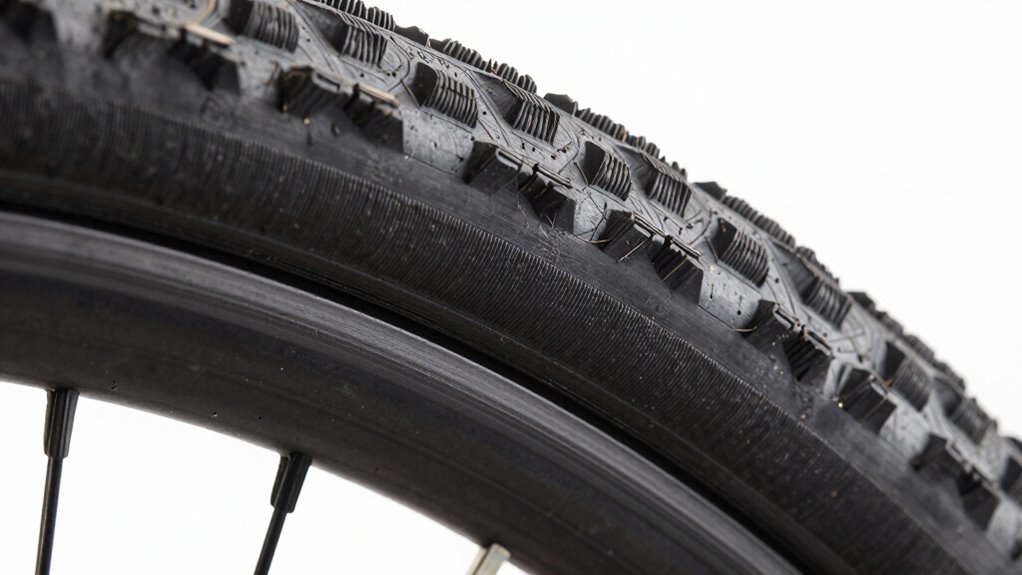
To make smarter tire choices, you need to understand how to read tire markings and specs. Prioritize durability factors like casing quality and puncture layers that match your riding conditions. Knowing what to look for helps you select tires that last longer and provide better protection.
Decipher Tire Markings
Have you ever looked at a tire’s sidewall and wondered what all those numbers and symbols really mean? Deciphering tire markings helps you choose better. The numbers often include size, speed rating, and load capacity. Look for the tire pressure recommendation, which is vital for safety and performance. The tread pattern code indicates how the tire grips the road and affects handling. To make smarter choices:
- Check the tire size for compatibility with your vehicle
- Note the load index to ensure it supports your weight needs
- Understand the speed rating for your typical driving speeds
Knowing these details helps you select tires that match your riding style, improve safety, and optimize your ride quality. Reading tire markings empowers you to make informed decisions and avoid costly mistakes.
Prioritize Durability Factors
When choosing tires, focusing on durability factors guarantees they can withstand daily wear and rough conditions, saving you money and hassle in the long run. Start by examining the tire casing design; a stronger casing resists punctures and maintains shape under stress. Look for tires with reinforced sidewalls and thicker sidewall materials, which enhance longevity. Puncture layer materials also play an essential role—layers made from tougher, cut-resistant compounds offer better protection against road debris. Prioritize tires that specify durable construction features and high-quality puncture-resistant layers. These elements guarantee your tires last longer, perform reliably, and reduce the need for frequent replacements. By making informed choices based on these durability factors, you’ll enjoy safer rides and better value over time.
Understand Puncture Layers
Understanding puncture layers is essential when reading tire specifications because they directly impact your tire’s resistance to sharp objects and debris. To make smarter choices, examine how puncture layers are integrated into the tire’s structure. These layers can include a puncture belt or reinforced sidewalls, which prevent sharp objects from penetrating. When reviewing specs, consider:
- How the puncture layer interacts with tire inflation to maintain ideal pressure
- The role of tread design in shedding debris and reducing puncture risk
- The strength and placement of puncture belts for enhanced durability
A well-designed puncture layer works in tandem with proper tire inflation and tread design, giving you better protection and longer-lasting performance on the road.
Frequently Asked Questions
How Does Tire Casing Affect Overall Tire Weight?
Your tire casing directly impacts the overall weight, affecting tire durability and manufacturing costs. A heavier casing often means increased durability but also adds to the tire’s weight, which can influence ride quality and efficiency. Lighter casings reduce weight and costs but may compromise durability. Choosing the right casing balances these factors, ensuring you get a durable tire without unnecessary weight or expense.
Can Higher TPI Improve Tire Puncture Resistance?
A higher TPI weaves a finer fabric, making your tire’s casing more flexible and durable, like a spider’s web built to withstand strikes. While increased TPI can improve casing durability, it doesn’t directly boost puncture resistance, which mainly depends on puncture layer thickness. Think of it as upgrading the web’s strength, not its thickness—both matter, but different battles in tire protection.
Are Puncture Layers Visible on Tire Sidewalls?
No, puncture layers aren’t usually visible on tire sidewalls. Sidewall puncture protection is built into the tire’s construction, often hidden beneath the rubber. Visual puncture layers, if present, might be seen through the sidewall, but most are internal. You won’t typically see these layers directly, so it’s important to check the tire’s specifications or labels to understand its sidewall puncture protection features.
How Do Different Puncture Layer Materials Influence Ride Quality?
Different puncture layer materials can markedly impact your ride quality. Soft, flexible materials tend to increase tire flexibility, making your ride smoother and more comfortable. However, these materials might also raise noise levels, especially on rough surfaces. Conversely, stiffer puncture layers can reduce noise but may compromise comfort. Choosing the right material depends on whether you prioritize a quieter ride or greater flexibility for a smoother experience.
Is There an Optimal Casing and Puncture Layer Combination for Mountain Biking?
Think of your perfect mountain biking setup as a finely tuned symphony. The ideal casing and puncture layer combo balances tire durability and rider comfort, making each ride smoother and more confident. A thicker puncture layer offers protection on rough trails, while a supple casing enhances ride feel. Aim for a versatile mix that withstands tough terrain yet remains comfortable—your ultimate formula for enjoying every trail with confidence.
Conclusion
Ultimately, choosing the right tire casing, TPI, and puncture layers can turn your ride from a bumpy nightmare into a smooth, unstoppable adventure. Think of it like armor—only the strongest, most resilient armor—protecting you from the fiercest trail monsters and punishing rocks. When you prioritize these features, you’re not just riding; you’re conquering mountains, defying flats, and transforming your bike into an unstoppable beast that dominates every trail with ease.