
To tell if your tires suit your riding, check if their pressure, tread wear, and response match your riding style and terrain. Proper inflation guarantees good handling and safety, while uneven wear indicates mismatched riding habits or tire choices. Notice how your tires grip on your usual surfaces and how they wear over time. If they perform well and feel confident, you’re likely on the right track. Keep exploring these signs to optimize your tire setup and ride experience.

Get your wardrobe favorites delivered free with Prime
- Fast, free delivery on millions of items
- Prime Video, Amazon Music and more included
- Member-only deals all year
Key Takeaways
- Check if tire pressure matches riding conditions and maintains proper handling and comfort.
- Monitor tread wear patterns to identify mismatches with your riding style or terrain.
- Assess tire grip and stability during cornering and braking to ensure suitability for your surfaces.
- Regularly inspect tire condition and longevity to confirm they meet your durability needs.
- Evaluate overall ride response and performance to determine if tires align with your riding goals.
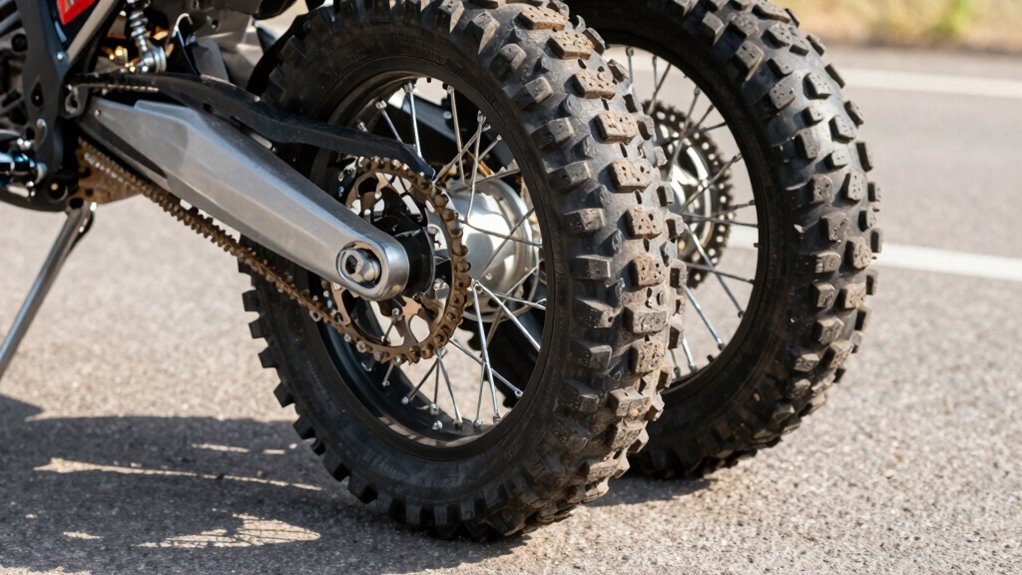
Choosing the right tires is vital for ensuring your bike performs well and keeps you safe on the road or trail. When you’re evaluating whether your tires suit your riding style, start by examining their condition and how they’re performing during your rides. Tire pressure plays a key role here; if your tires aren’t inflated to the right level, you’ll notice it in your handling, comfort, and even how quickly your tires wear out. Underinflated tires tend to feel sluggish, make steering less responsive, and increase the risk of flats, especially on rough terrain. Overinflated tires, on the other hand, can reduce grip and cause a harsher ride, leading to faster tread wear in the center of the tire. Regularly checking and maintaining proper tire pressure based on your riding conditions helps you gauge if your current setup aligns with your needs.
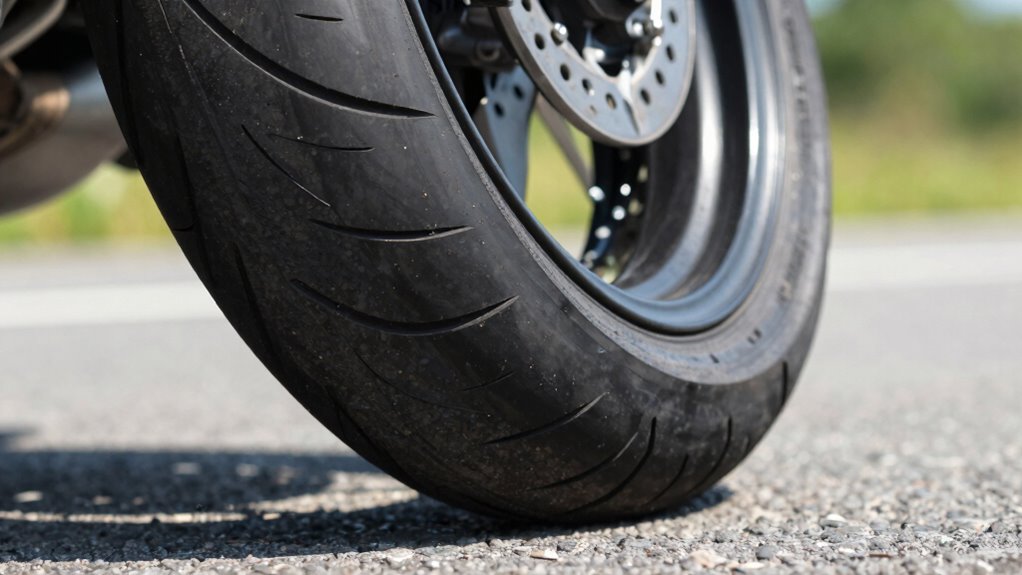
Next, look at the tread wear pattern. Your tires’ tread provides traction, but uneven wear can signal mismatched riding style or improper tire choice. If you see excessive wear on one side or the center, it could mean you’re riding more aggressively than your tires are designed for, or that your tire pressure isn’t optimized. For instance, if the tread is worn down in the middle, your tires might be overinflated, reducing grip and causing faster tread degradation. Conversely, excessive wear on the edges suggests underinflation or cornering at high speeds, which can compromise safety and performance. Pay attention to how your tires wear over time; if the tread isn’t lasting as long as you expected, it’s a clear sign that your tires might not be suited for your riding style. Monitoring tire wear patterns can provide valuable insights into whether your setup matches your riding habits. It’s also important to consider the terrain type you most frequently ride on, as different surfaces demand specific tire characteristics.
Beyond tread wear and tire pressure, consider how your tires respond during rides. Do they grip well on the surfaces you frequent? Do they feel stable when cornering or braking? If you’re slipping more often than you’d like, or if your ride feels rough and unresponsive, your tires might not be appropriate for your conditions. Upgrading to tires with a different tread pattern or compound can improve performance, but only if they match your typical riding terrain and style. Additionally, understanding how your tires relate to the biodiversity of terrain can help you select options that are more sustainable and environmentally friendly. Choosing eco-friendly tires that suit your riding environment can enhance both your experience and your impact on the surroundings.
It’s also helpful to consider the longevity of tires and how different riding styles affect tire lifespan, guiding you toward choices that balance performance and durability. Ultimately, your tires should match your riding demands, whether you’re seeking speed on pavement, traction on technical trails, or durability for long-distance touring. Regularly inspecting tire pressure, monitoring tread wear, and evaluating how your tires perform during each ride will help you determine if they’re the right fit. If they’re not, replacing them with tires suited for your specific riding style will boost your safety, comfort, and overall riding experience.
mountain bike tire pressure gauge
As an affiliate, we earn on qualifying purchases.
As an affiliate, we earn on qualifying purchases.
Frequently Asked Questions
Can Tire Pressure Affect My Riding Experience?
Yes, tire pressure markedly affects your riding experience. When your tire pressure is too low, you might feel a softer ride but risk poor handling and increased flats. Too high, and your ride becomes harsher, reducing riding comfort. Maintaining the recommended tire pressure guarantees ideal contact with the road, providing better control, smoother rides, and an overall more enjoyable experience. Regularly check and adjust your tire pressure for the best riding comfort.
How Often Should I Replace My Bike Tires?
You should replace your bike tires when their tire lifespan is reached or if you notice signs of wear like cracks, cuts, or embedded debris. Regular maintenance tips include checking tire pressure, inspecting tread depth, and ensuring proper alignment. Typically, tires last between 1,000 to 3,000 miles, but this varies with riding conditions. Replace them promptly to maintain safety, performance, and avoid flats.
Do Tire Treads Impact Riding Performance?
Tire treads are like the footsteps of a dancer—crucial for performance. If your tread depth wears thin or rubber composition hardens, your grip and handling suffer. Shallow treads mean less traction on slick surfaces, making your ride feel skittish. Well-maintained treads with ideal rubber composition give you confidence, like a steady partner, ensuring your ride stays smooth, safe, and responsive regardless of the terrain.
Are There Specific Tires for Different Terrains?
Yes, there are specific tires for different terrains. For trail compatibility, choose tires designed for mountain biking or gravel, offering better control and durability. Off-road traction tires feature deeper treads and tougher sidewalls, helping you handle muddy, rocky, or uneven surfaces more effectively. Matching your tires to your terrain guarantees enhanced performance, safety, and comfort, so always select tires tailored to your riding environment for maximum results.
How Do I Choose the Right Tire Size?
To choose the right tire size, start by checking your bike’s manual or sidewall for the recommended measurements. Consider the tire material, like rubber compounds suited for your riding style, and guarantee it matches your terrain needs. Use proper inflation techniques to maintain ideal pressure, which affects performance and comfort. Selecting the correct size, material, and inflation ensures your tires perform well, giving you a safer, smoother ride.
road bike tire tread wear indicator
As an affiliate, we earn on qualifying purchases.
As an affiliate, we earn on qualifying purchases.
Conclusion
Choosing the right tires is like finding the perfect pair of shoes—you need comfort, support, and confidence to keep moving forward. I once switched to tires better suited for my riding style, and suddenly, every ride felt more controlled and enjoyable. Just as a well-fitted shoe transforms your stride, the right tires boost your ride’s performance and safety. Take the time to evaluate your tires—they’re the foundation of every smooth, confident journey.
mountain bike tires for rough terrain
As an affiliate, we earn on qualifying purchases.
As an affiliate, we earn on qualifying purchases.
As an affiliate, we earn on qualifying purchases.
Halloween Picks
halloween
As an affiliate, we earn on qualifying purchases.