If your bike feels twitchy in traffic, it’s often due to improper tire pressure, which makes handling unpredictable, especially at low speeds. Poor rider posture or tension can cause sharp responses to steering, while misaligned wheels add to instability. These factors make every stop-start move challenging and increase the need for constant corrections. Ensuring proper tire pressure, good posture, and bike maintenance can substantially improve stability—keep going to find out more ways to stay safe and steady.
Key Takeaways
- Improper or inconsistent tire pressure causes unpredictable handling and steering sensitivity.
- Poor rider posture and tension lead to quick, unstable reactions to steering inputs.
- Unaligned or misaligned wheels increase twitchiness and reduce bike stability.
- Excessive speed or sudden maneuvers amplify the effects of imbalance and tire issues.
- Inadequate body balance and lack of confidence make quick traffic responses feel unstable.
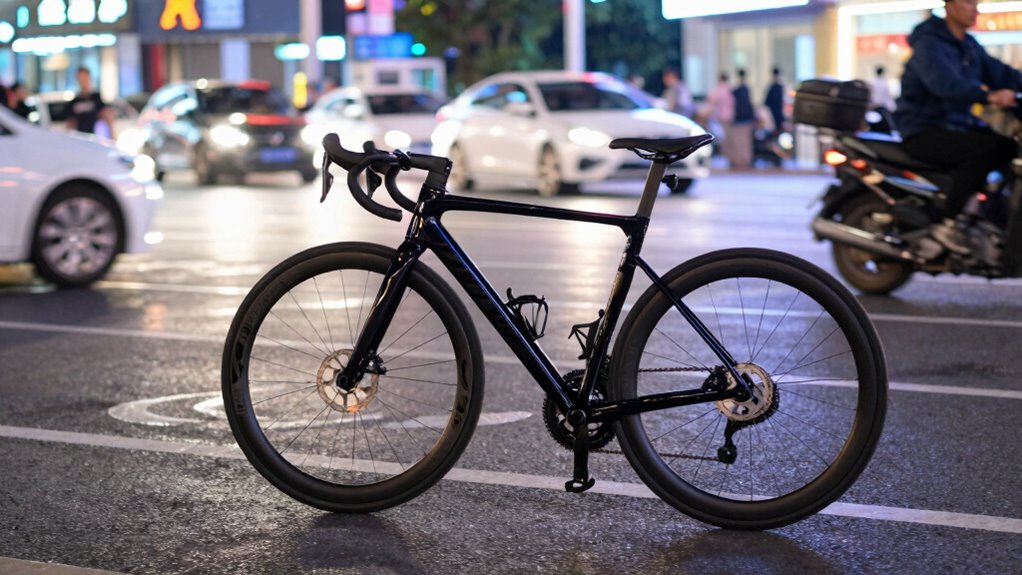
Riding a bike in traffic can sometimes feel unpredictable, and that “twitchy” sensation often comes down to a few key factors. One of the most common reasons is balance issues. When your balance isn’t steady, even small shifts can cause your bike to feel unstable. This might happen if you’re not confident in your riding skills or if you’re steering through busy streets with constant stops and starts. If your body isn’t aligned properly or if you’re tense, your bike responds more sharply to your movements, making it feel like it’s darting unexpectedly. Maintaining good posture and staying relaxed helps you keep better control, but if your bike itself isn’t balanced, these efforts won’t be enough. Additionally, tire pressure plays a critical role in how your bike handles and responds to the road.
Another critical factor is tire pressure. When your tires are underinflated or overinflated, they don’t roll smoothly, which can make your bike feel “twitchy” or unpredictable. Underinflated tires tend to be softer and create more rolling resistance, causing your bike to respond erratically over bumps or uneven pavement. Overinflated tires, on the other hand, become less compliant, reducing traction and making steering feel overly sensitive. Proper tire pressure is essential for stable handling, especially in traffic where quick reactions are often necessary. You should regularly check your tire pressure and adjust it according to your bike manufacturer’s recommendations, considering the rider weight and riding conditions.
Proper tire pressure ensures smooth riding and better control in traffic.
The connection between balance issues and tire pressure is significant. Poorly inflated tires can directly affect your bike’s stability, making it harder to maintain balance, especially at lower speeds or during sudden maneuvers. When your tires aren’t at the right pressure, you may find yourself constantly correcting your steering or feeling like your bike is darting side to side unexpectedly. This sensation can be magnified in traffic, where quick turns and rapid stops are common. Ensuring proper wheel alignment can further improve your bike’s response and reduce twitchiness.

ETENWOLF T300 Digital Tire Pressure Gauge 3-200 PSI, Industrial Tire Gauge Calibrated to ANSI B40.7 Grade 2A(Plus-Minus 0.5%), Replaceable AAA Batteries (Vivid Orange)
PROCESS LEVEL ACCURACY: Each ETENWOLF’s digital tire pressure gauge is calibrated manually to ANSI B40.7 Grade 2A(plus-minus 1…
As an affiliate, we earn on qualifying purchases.
As an affiliate, we earn on qualifying purchases.
Frequently Asked Questions
Can Tire Pressure Affect Bike Stability in Traffic?
Yes, tire pressure can affect your bike’s stability in traffic. If your tires are underinflated, the tire tread doesn’t make proper contact with the road surface, causing less control and feeling twitchy. Overinflated tires can reduce grip, especially on rough or uneven surfaces. Maintaining the correct tire pressure guarantees the tire tread contacts the road surface evenly, giving you better stability and control in traffic conditions.
How Does Rider Weight Influence Bike Twitchiness?
Your rider weight considerably influences bike twitchiness by affecting bike balance. If you’re heavier, you might notice more stability, but your bike could become less responsive, making it feel twitchy in traffic. Conversely, lighter riders may experience more nimbleness but less control. Proper adjustments to suspension and tire pressure can help balance these effects, ensuring smoother handling. Being aware of your weight helps you anticipate how your bike responds in traffic.
Do Handlebar Types Impact Bike Responsiveness?
Handlebar types greatly impact your bike’s responsiveness through handlebar ergonomics and steering precision. Flat bars offer quick steering and a stable feel, making your bike more responsive in traffic. Drop bars provide a more aerodynamic position but can feel twitchier if not set up correctly. Risers give you comfort and control, reducing twitchiness. Your choice influences how smoothly you navigate, how precisely you steer, and ultimately, how confidently you ride in busy traffic.
Does Bike Suspension Affect Twitchiness in City Riding?
Bike suspension markedly influences twitchiness in city riding. If your suspension settings are too soft, rough road surfaces cause your bike to react sharply, making it feel twitchy. Conversely, stiff settings smooth out bumps but can reduce comfort and responsiveness. Adjust your suspension based on the road surface—softer for uneven roads and firmer for smoother pavement—to maintain control and prevent excessive twitchiness in traffic.
Can Riding Posture Alter Bike Stability in Traffic?
Did you know that proper riding posture can improve your stability by up to 30%? Riding posture considerably influences your bike’s stability in traffic because it affects your rider awareness and control. When you sit upright and keep your weight balanced, you respond quicker to traffic changes and navigate safely. Adjusting your posture helps you stay centered, reduce twitchiness, and makes urban riding smoother and safer.

LETUSPORT Bike Spoke Adjustment Wrench Bicycle Rim Truing Tool Set of 2
Material: Stainless Steel, 9H hardness
As an affiliate, we earn on qualifying purchases.
As an affiliate, we earn on qualifying purchases.
Conclusion
Imagine your bike as a wild stallion, ready to dart at the slightest whisper of movement. When it feels “twitchy,” it’s often because of quick, unpredictable responses to traffic, like a flickering flame in the wind. To tame this beast, smooth out your steering, guarantee proper tire pressure, and stay relaxed. Remember, a steady hand turns chaos into calm, transforming your bike from a wild stallion into a trusted partner on the busy streets.

TOPCABIN Bike Grips,Ergonomic Design Bicycle Grips Widen Holding Rubber Bike Handlebar Grips with Aluminum LockGrips for Mountain Road MTB (Comfort Big Area(Black&Grey))
Universal Bike Handlebar Compatible with 22-23mm Outer Diameter. Precisely designed for handlebars with 22-23mm outer diameter, this 130mm…
As an affiliate, we earn on qualifying purchases.
As an affiliate, we earn on qualifying purchases.
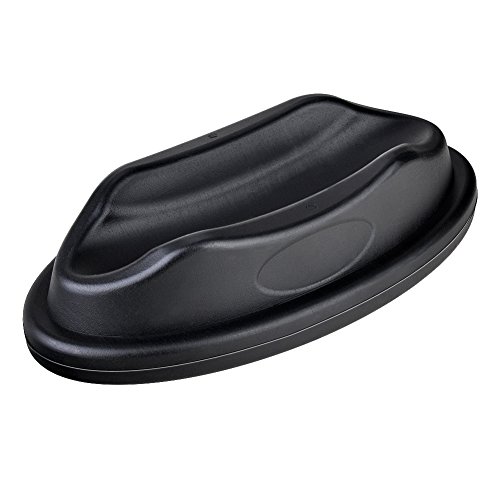
GEEDIAR Bike Front Wheel Riser Block Stabilize Bike Turbo Support for Indoor Bicycle Trainer Training Stationary Bikes
It's a simple molded plastic stand for front wheel when in a static stand for bike workouts
As an affiliate, we earn on qualifying purchases.
As an affiliate, we earn on qualifying purchases.