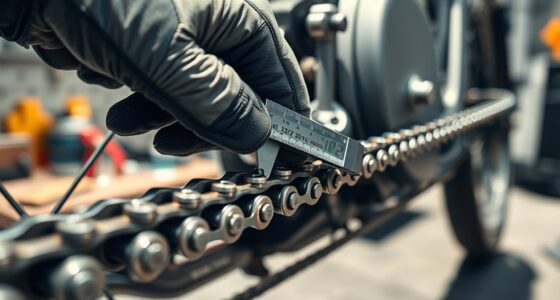
You’ll know it’s time for a full clean when dirt and grime are stubborn, especially in hard-to-reach spots like the chain, cassette, and brake calipers, that won’t come off with a quick wipe. If your bike feels sluggish, gears are shifting poorly, or brakes are less responsive, a deep clean is needed. Heavy mud after muddy trails or a rough ride also signals it’s time for a full refresh. Keep going to learn more.

Get your wardrobe favorites delivered free with Prime
- Fast, free delivery on millions of items
- Prime Video, Amazon Music and more included
- Member-only deals all year
Key Takeaways
- Visible, stubborn grime or mud that can’t be removed with a quick wipe.
- Noticeable decrease in shifting, braking, or overall ride smoothness.
- Chain, gears, or brake components are squeaking or grinding during use.
- Dirt accumulation in hard-to-reach areas like the cassette, chain, or frame crevices.
- Post-ride inspection reveals grime that traps moisture, risking rust or corrosion.
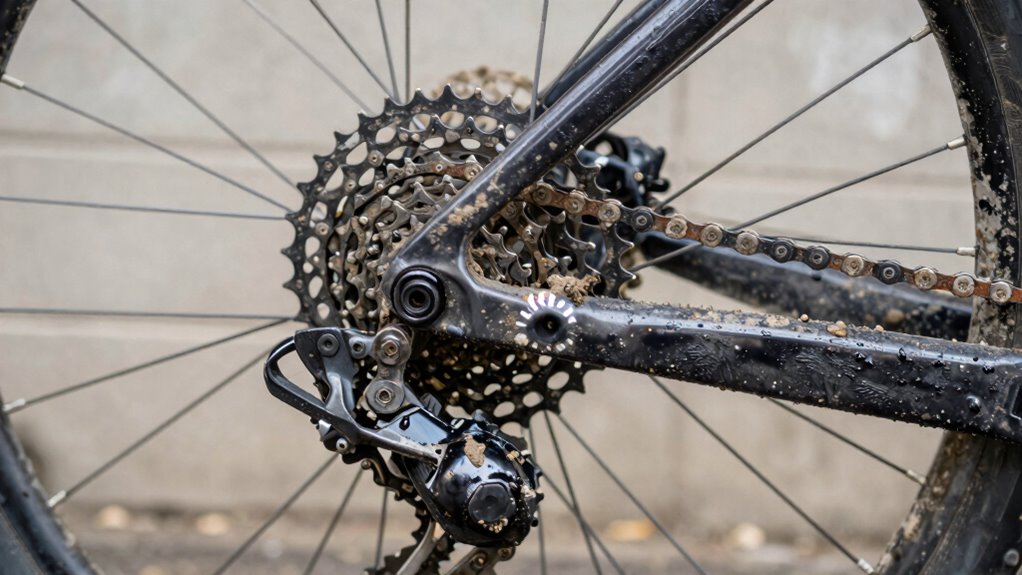
Knowing when your bike needs a full clean instead of just a quick wipe can save you time and keep it running smoothly. While a quick wipe with a cloth is often enough to remove surface dust and dirt, there are clear signs that your bike requires a more thorough cleaning. One of the most obvious indicators is the amount of dirt accumulation, especially in places you might not see at first glance. If you notice stubborn mud caked around the chain, cassette, or brake calipers, it’s time to grab your bike cleaning tools and give your bike a deep clean. Dirt buildup in these areas can affect performance, cause wear, and even damage components if left unaddressed. Additionally, dirt accumulation can trap moisture, leading to rust or corrosion over time, especially if you ride in wet conditions frequently. Regularly inspecting these areas can help you catch buildup early before it causes more serious issues. It’s also important to check your drivetrain for any debris buildup, which can hinder optimal functioning.
Another sign is if your bike feels sluggish or noisy when you ride. Excess dirt and grime can interfere with moving parts, making the gears shift less smoothly or your brakes less responsive. When you notice the chain squeaking or grinding, it’s a clear signal that dirt has taken hold, and a comprehensive cleaning is needed. Additionally, if you see the build-up of grime on the frame, especially near the bottom bracket or head tube, it’s a good idea to do more than just wipe it down. Dirt accumulation here can trap moisture, leading to rust or corrosion over time, especially if you ride in wet conditions frequently. Keeping an eye on these critical areas can prevent unnecessary wear and prolong the lifespan of your bike components. Regularly maintaining your bike can also help you spot issues early and prevent costly repairs down the line.
You should also consider a full clean when your bike has been exposed to muddy trails or rain. During such rides, dirt and mud often find their way into crevices and hard-to-reach areas. A quick wipe won’t remove all this debris, and neglecting it can cause long-term issues. Regularly inspecting your bike after rough rides and using appropriate bike cleaning tools—such as brushes, degreasers, and lubricants—can help you identify when a deep clean is necessary. If you notice that visible grime isn’t coming off with a simple wipe, or if the chain and gears aren’t moving freely despite lubrication, it’s time to step up to a full cleaning process. Proper cleaning also involves effective lubrication, which can be compromised if dirt is left to build up.
By paying attention to these signs, you can ensure your bike remains in top condition and ready for your next ride. Keeping your bike clean and well-maintained not only improves performance but also extends its lifespan, saving you money and hassle in the long run.
Popular right now

Shark HydroVac MessMaster Corded Wet/Dry Vacuum, Mop & Self-Clean (WD161)

Dyson V8 Cyclone Cordless Vacuum

Samsung 85-Inch QN70H Neo QLED 4K Smart TV (2026)
As an affiliate, we earn on qualifying purchases.
Frequently Asked Questions
How Often Should I Perform a Full Bike Clean?
You should perform a full bike clean every few months or after particularly muddy or wet rides. Regular cleaning is essential for bike maintenance, helping prevent rust and wear. Stick to a consistent cleaning schedule, especially if you ride frequently or in harsh conditions. This guarantees your bike stays in top shape, and quick wipes won’t suffice for deep grime or buildup. Prioritize thorough cleaning to extend your bike’s lifespan.
Can I Clean My Bike Too Frequently?
You can’t clean your bike too often—your bike’s survival depends on it! Over-cleaning might seem extreme, but neglecting bike maintenance and cleaning frequency can turn your ride into a rusty relic. Every wipe and scrub keeps your bike in top shape, preventing grime buildup and mechanical issues. So, if you love riding, embrace frequent cleaning; your bike will thank you with smooth, effortless performance every time.
What Tools Are Essential for a Full Bike Cleaning?
For a thorough bike cleaning, you need essential tools like a bucket, bike-specific degreaser, soft brushes, and a chain cleaner. You’ll also want a sponge, rags, and a hose or low-pressure water source. Good cleaning techniques involve removing dirt carefully, degreasing the chain and drivetrain, and rinsing thoroughly. These tools and methods help with bike maintenance, ensuring your bike stays in top shape and runs smoothly after each deep clean.
Does Cleaning Affect My Bike’s Performance?
Cleaning definitely impacts your bike’s performance. Regular bike maintenance, including thorough dirt removal, keeps your bike running smoothly and prolongs its lifespan. When you clean your bike properly, you prevent buildup that can hinder moving parts, like gears and chains. This not only improves efficiency but also reduces wear and tear. So, a full clean is essential when dirt and grime start to affect how your bike rides, ensuring peak performance every time.
When Should I Replace Parts After a Deep Clean?
You should replace parts after a deep clean if you notice bike paint peeling or chipping, which indicates damage, or if the chain lubrication no longer reduces friction. Sometimes, a thorough cleaning reveals rust or wear that calls for replacement. Keep an eye on your bike’s condition, especially after cleaning, so you know when it’s time to swap out worn components for better performance and safety.
Conclusion
Remember, your bike is like a trusted companion, and keeping it clean is how you show it care. When dirt and grime start to hide its true colors, it’s time for a full clean—not just a quick wipe. Think of it as giving your trusty steed a well-deserved spa day, revitalizing its spirit and performance. By paying attention to those signs, you keep your ride shining bright and running smoothly for many adventures ahead.