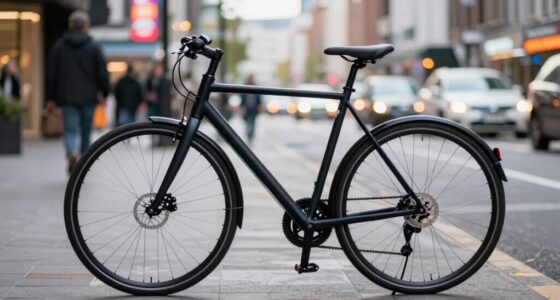
Low-emission zones restrict access for high-polluting vehicles, aiming to improve urban air quality and safety. As a cyclist, you’ll find cities expanding and upgrading bike lanes within these zones, making your rides safer and more comfortable. It’s important to stay informed about zone boundaries and regulations through online maps or apps to avoid fines and plan efficient routes. Continuing your journey will reveal more ways these policies support cleaner, greener, and safer cycling experiences.

Get your wardrobe favorites delivered free — and shop member deals
- Fast, free delivery on millions of items
- Access to Prime Big Deal Days deals on October 6–7
- Prime Video, Amazon Music and more included
Key Takeaways
- Low-emission zones restrict high-polluting vehicles, improving air quality and creating safer, cleaner environments for cyclists.
- Cities often upgrade and expand dedicated bike lanes within these zones to enhance cyclist safety and infrastructure.
- Cyclists should check online maps and app updates to navigate zone boundaries and avoid fines or detours.
- Emission policies encourage the use of electric bikes and cargo bikes, supporting sustainable transportation.
- Staying informed about zone regulations promotes safer, eco-friendly cycling and contributes to urban pollution reduction.

Low‑emission zones are designated areas where governments restrict access for high-polluting vehicles to improve air quality. As a cyclist, understanding how these zones function is vital, especially since they often come with changes to traffic patterns, infrastructure, and regulations. One key aspect to contemplate is bike lane safety. Many cities that implement low‑emission zones also invest in expanding and upgrading bike lanes to encourage cleaner transportation. These dedicated lanes help protect you from busy traffic and reduce the risk of accidents, making your ride safer and more comfortable. However, it’s important to stay alert, as some areas might see increased bike traffic or altered road layouts to accommodate new policies.
Low‑emission zones often improve bike lane safety with expanded, upgraded infrastructure for cleaner, safer cycling.
Emission reduction policies are at the heart of low‑emission zones. These policies aim to lower air pollution by discouraging high-polluting vehicles like older diesel cars and trucks from entering certain areas. As a cyclist, you benefit from these policies because cleaner air improves overall urban health and makes cycling a more attractive and healthier mode of transportation. When low‑emission zones are introduced, you’ll notice signs indicating restrictions and sometimes specific requirements for vehicle emissions. This means more space and less congestion on roads, which can lead to smoother, safer cycling routes. Some cities also encourage the use of electric bikes or cargo bikes, aligning with emission reduction goals and promoting sustainable travel.
It’s vital to stay informed about local emission reduction policies, as they often evolve. Many cities offer online maps or mobile apps that show the boundaries of low‑emission zones and any recent changes. By doing so, you can plan your routes ahead of time, avoiding fines or detours. Additionally, as these policies push for the adoption of low-emission vehicles, city infrastructure may change, including the addition of charging stations or new bike-friendly initiatives. These developments further support safe cycling and eco-friendly transportation.
Ultimately, low‑emission zones are designed to create healthier, more sustainable cities. As a cyclist, you stand to gain from improved bike lane safety and cleaner air, making your rides more enjoyable and less stressful. Staying informed about emission reduction policies ensures you’re always aware of your surroundings and can navigate these zones confidently. Embracing these changes not only benefits your health but also contributes to the broader effort of reducing urban pollution. By understanding and adapting to these policies, you help promote a greener, safer city for everyone.
electric bike with long battery life
As an affiliate, we earn on qualifying purchases.
As an affiliate, we earn on qualifying purchases.
Frequently Asked Questions
Are E-Bikes Affected by Low-Emission Zone Restrictions?
E-bikes are often affected by low-emission zone regulations, depending on local rules. You should check specific E-bike regulations in each zone because some restrict powered bicycles based on their motor power or speed. In many low emission zones, pedal-assist E-bikes that meet certain standards are allowed, but high-powered E-bikes may be prohibited. Always verify the rules beforehand to avoid fines or penalties when entering low emission zones.
How Do Low-Emission Zones Impact Cycling Infrastructure Funding?
Low-emission zones often influence urban planning and transportation policy by prioritizing cycling infrastructure funding. As a cyclist, you’ll notice cities allocate more resources to develop bike lanes and improve safety, making cycling more attractive and accessible. These zones encourage policymakers to integrate sustainable transportation solutions, leading to better infrastructure investments. Your active participation can support these initiatives, helping shape a cleaner, safer urban environment that benefits all cyclists.
Can Cyclists Be Fined for Entering Low-Emission Zones Unlawfully?
Think of entering a low-emission zone without permission like sailing into guarded waters without a pass—you could face serious consequences. Yes, you can be fined for unlawfully entering. Enforcement procedures vary, but generally, authorities monitor these zones with cameras or patrols. If caught, you’ll face legal penalties like fines. Always check local signage and rules to avoid unintentional violations and keep your cycling journey smooth and legal.
Are There Exemptions for Cargo Bikes in Low-Emission Zones?
Cargo bike exemptions often apply within low-emission zones, especially for urban freight delivery. If you’re using a cargo bike for business or essential transport, you might be allowed to enter without penalties. Regulations vary by city, so check specific zone rules. These exemptions aim to support sustainable urban freight solutions, making it easier for you to deliver goods efficiently while complying with low-emission zone policies.
How Will Low-Emission Zones Influence Bike-Sharing Programs?
You’ll notice that low-emission zones encourage bike-sharing programs to expand, aligning with urban planning efforts for cleaner cities. As cities prioritize environmental benefits, these zones make bike-sharing more accessible and practical, reducing traffic and pollution. This shift not only promotes healthier lifestyles but also fosters community connection. By supporting bike-sharing, you contribute directly to creating sustainable, vibrant urban spaces where everyone can breathe easier and enjoy the journey.
As an affiliate, we earn on qualifying purchases.
Conclusion
Now that you know about low-emission zones, it’s clear they’re shaping cleaner, healthier cities. Did you know that in some areas, these zones have reduced traffic-related pollution by up to 30%? As a cyclist, you can play a big role in supporting this change by choosing eco-friendly routes. Stay informed about local zone boundaries and regulations, so you can ride confidently and help make urban environments better for everyone.
As an affiliate, we earn on qualifying purchases.
As an affiliate, we earn on qualifying purchases.
Fall Picks
fall essentials
As an affiliate, we earn on qualifying purchases.