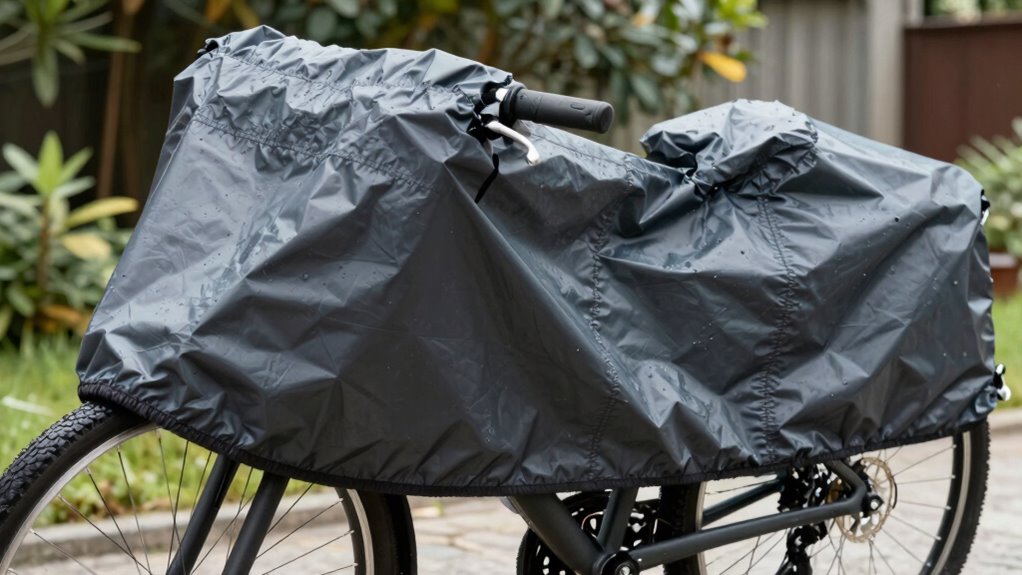

Bike covers for outdoor storage protect your bike from moisture, UV rays, dirt, and fading paint. They reduce rust, corrosion, and wear caused by sunlight and humidity, especially if you choose quality, well-fitted covers. However, they can’t prevent damage from severe weather like strong winds, flying debris, or flooding. In extreme conditions, additional measures are needed. If you want to understand how to maximize your bike’s protection, keep exploring the details.

Get your wardrobe favorites delivered free with Prime
- Fast, free delivery on millions of items
- Prime Video, Amazon Music and more included
- Member-only deals all year
Key Takeaways
- Bike covers effectively protect against moisture, UV damage, and dirt, reducing rust and paint fading during outdoor storage.
- They cannot prevent damage from extreme weather like storms, high winds, flying debris, or flooding.
- Proper fit and high-quality materials are essential for optimal protection and to prevent wear from wind or tearing.
- Covers may still allow scratches or dents if debris strikes the bike, especially during severe weather.
- Combining covers with additional measures like elevating or relocating the bike offers more comprehensive outdoor protection.
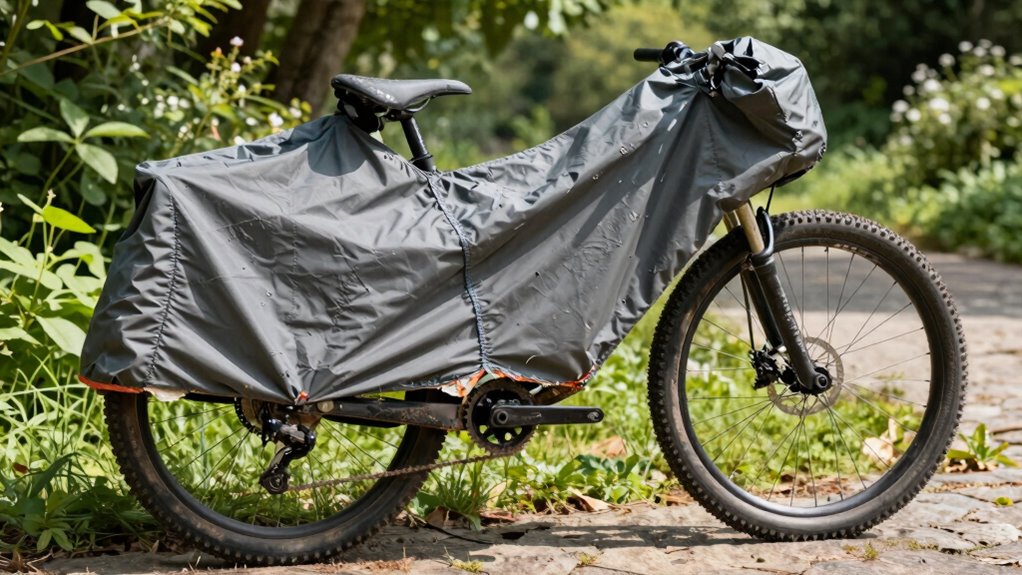
When you invest in a cover with strong weather resistant properties, you reduce the risk of rust, fading paint, and corrosion caused by prolonged exposure to moisture and sunlight. Additionally, choosing a cover with durable materials can significantly extend its lifespan and effectiveness. However, it’s important to recognize what a bike cover can’t do. While it’s excellent for protecting against many outdoor elements, it doesn’t make your bike invincible. For instance, a cover won’t fully prevent damage from extreme winds or flying debris during storms. If a strong gust blows debris against your bike, it might still cause scratches or dents, even if the cover is in place. Also, a cover won’t protect against persistent standing water or flooding if your bike is left in a low-lying area prone to flooding. In such cases, additional measures like elevating your bike or moving it to higher ground are necessary. Proper fit and tension are essential to ensure the cover stays secure and provides optimal protection, especially during windy conditions.
Furthermore, weather resistance is only as good as the quality of the cover, and even high-quality covers may have limitations under severe conditions. Not all covers are created equal. Cheaper options made from thin or low-quality fabrics often lack sufficient weather resistant features, so they may tear or degrade rapidly. These covers might also fail to provide a tight seal, allowing moisture to seep in and cause damage over time. Proper fit is equally important—if the cover is too loose, it can flap in the wind, leading to wear and tear. Conversely, a snug fit helps keep out dirt, dust, and moisture more effectively. It’s also worth noting that UV protection can vary between covers, affecting how well they shield your bike’s paint from sunlight damage over time. Additionally, understanding the limitations of covers can help you plan for more comprehensive outdoor bike protection strategies.
Popular right now

De'Longhi Stilosa Compact Manual Espresso Machine with Milk Frother

Dyson Airwrap i.d. Multi-Styler

Ninja BL660 Professional Blender with 1100-Watt Motor, 72 oz Pitcher, and Two 16 oz Cups
As an affiliate, we earn on qualifying purchases.
Frequently Asked Questions
Do Bike Covers Prevent Theft or Vandalism?
Bike covers primarily provide theft deterrence and vandalism protection by hiding your bike from prying eyes, making it less attractive to thieves. While they don’t prevent determined criminals or outright vandalism, a cover adds a layer of security by discouraging casual theft or minor damage. You should combine a bike cover with additional security measures like locks and surveillance to better protect your bike from theft and vandalism.
Are Bike Covers Suitable for Extreme Weather Conditions?
Bike covers can be suitable for extreme weather conditions if they are made from durable materials with strong UV protection. You should look for covers that resist tearing, fading, and cracking caused by sun, wind, rain, or snow. Make certain the material is thick and waterproof, offering reliable protection. Properly fitting covers also prevent wind damage, keeping your bike safer in harsh weather.
Can Bike Covers Be Used Indoors Safely?
You can definitely use bike covers indoors safely, but it depends on the cover material. If it’s breathable and non-toxic, it won’t cause indoor safety issues or mold buildup. Some covers are designed specifically for indoor use, reducing dust and protecting your bike without restricting airflow. Just make sure to choose a cover that’s appropriate for indoor storage, and you’ll keep your bike protected without risking indoor air quality or safety.
How Long Do Outdoor Bike Covers Typically Last?
Outdoor bike covers typically last between 2 to 5 years, depending on their quality and exposure conditions. If the cover offers UV protection, it resists sun damage, extending its lifespan. Wind resistance also plays a role—covers that withstand strong winds prevent tearing or displacement. Regularly check for wear and tear, and clean your cover to maintain its protective qualities, ensuring your bike stays protected longer.
Are Waterproof Bike Covers Breathable?
Waterproof bike covers are generally not very breathable, which can lead to moisture buildup underneath. This lack of breathability benefits your bike by keeping rain out, but it also risks trapping moisture, which can cause rust and corrosion. To balance protection and ventilation, look for covers with breathable materials or venting features. This way, you reduce moisture buildup risks while still shielding your bike from the elements effectively.
Conclusion
While bike covers can gracefully shield your bicycle from the elements, they aren’t a cure-all for every outdoor concern. They soften the impact of weather and minor debris, but may not fully prevent all potential damage or long-term wear. Think of them as a gentle safeguard—helping to maintain your bike’s charm and function, but still requiring a bit of attentive care. Embrace their benefits, and your bike will thank you for the thoughtful touch.