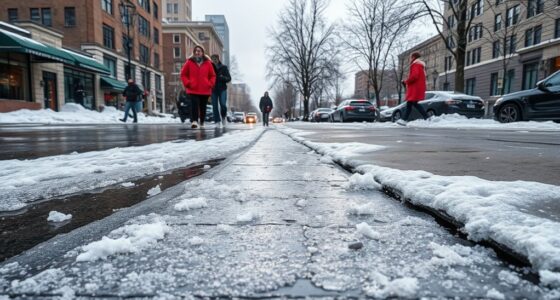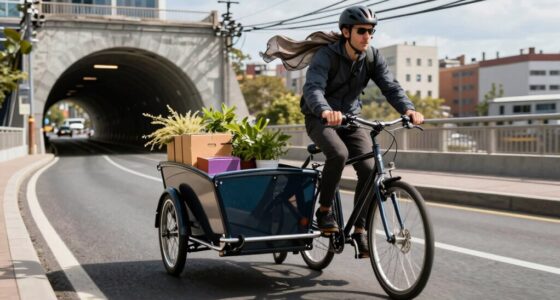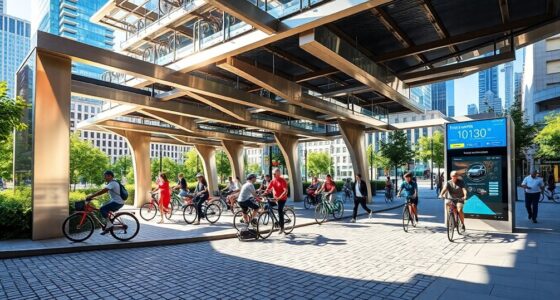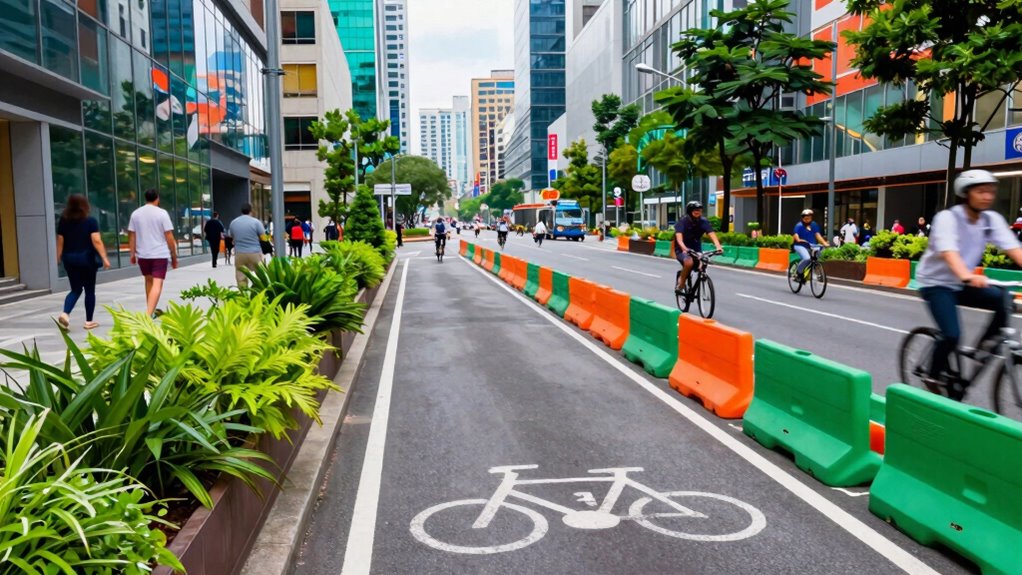

Great protected lanes feel seamless, safe, and well-integrated into your city’s vibe. You’ll notice physical barriers like bollards or parked cars that create clear separation, boosting your confidence. Consistent markings and cohesive colors make the space easy to navigate. If design elements are inconsistent or suddenly end, the lane can feel awkward or unsafe. Curious about how to make protected lanes better and more comfortable? Keep exploring—it’s easier than you think.

Get your wardrobe favorites delivered free — and shop member deals
- Fast, free delivery on millions of items
- Access to Prime Big Deal Days deals on October 6–7
- Prime Video, Amazon Music and more included
Key Takeaways
- Consistent physical barriers and clear markings enhance safety and confidence, making lanes feel well-designed and inviting.
- Abruptly ending or poorly installed barriers can create confusion, making lanes seem awkward or unsafe.
- Seamless integration with existing street design fosters a natural, comfortable experience for cyclists.
- Community input and perceptions influence whether protected lanes are viewed as genuine safety features.
- Aesthetic harmony and thoughtful planning ensure lanes feel like a cohesive part of the urban environment.
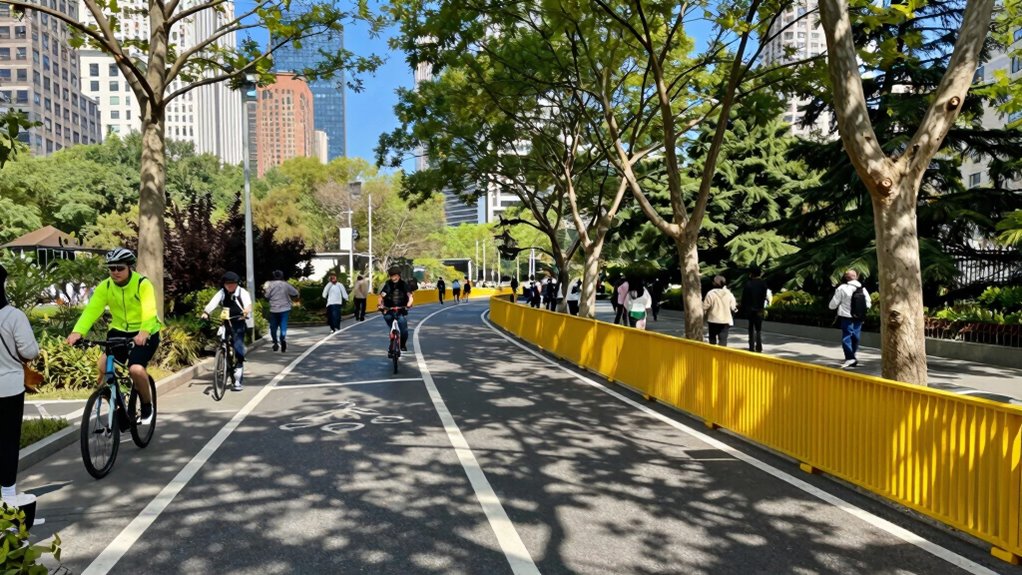
Protected bike lanes have become a hot topic, sparking a range of feelings and reactions from communities. Some see them as a step forward for urban safety, while others find them awkward or unnecessary. To you, the experience of riding in these lanes can feel vastly different depending on how they’re designed and implemented. When a protected lane is well thought out, it creates a safe, comfortable space for cyclists—reducing the risk of accidents and encouraging more people to bike instead of drive. You notice how the physical barrier, whether a curb, bollards, or a parked car buffer, makes you feel more secure, especially in busy city environments. This sense of safety boosts cyclist comfort, making riding less stressful and more inviting. Well-designed protected lanes also use visual cues like clear markings and consistent color schemes to enhance safety and confidence. However, you might also encounter protected lanes that feel a bit weird or out of place. Sometimes, the design elements don’t quite fit the street’s flow, creating confusion or discomfort. For example, if the lane suddenly narrows or the barrier isn’t continuous, you might feel unsure about where to ride or worry about inattention from drivers. These inconsistencies can make you question whether the lane is truly safe or just a token gesture. When barriers are poorly installed or abruptly end without warning, it can feel more like an obstacle than a protective feature. This disjointed design damages the perception of urban safety and can make you more anxious about sharing the road with cars. The effectiveness of protected lanes often depends on their design clarity, which influences how confidently cyclists can navigate urban streets. Clear visual cues and consistent physical separation help reinforce safety and improve user confidence. The visual and physical cues of protected lanes also influence your feelings. When the lane’s colors, markings, and physical separation are clear and consistent, you feel more confident riding through the city. It becomes obvious where you belong, and you’re less likely to feel nervous or out of place. Conversely, if the lane looks like an afterthought—thin paint lines or flimsy barriers—you may perceive it as a weird addition rather than a genuine safety feature. This mismatch between intention and execution can diminish cyclist comfort and even generate frustration among riders. Additionally, public perception of these lanes can impact their success, as community acceptance often influences ongoing support and maintenance. Proper urban planning plays a crucial role in ensuring these lanes are integrated effectively into city streets. When designed with community input, protected lanes are more likely to meet the needs and expectations of riders and residents alike. Ultimately, what makes protected lanes feel great or weird hinges on how well they balance safety and comfort with design clarity. When executed properly, they transform urban streets into safer, more welcoming spaces for cyclists. But when they’re poorly designed or inconsistent, they can seem awkward or ineffective. Your experience riding these lanes depends on this balance—whether they feel like a natural part of the city’s flow or just an awkward feature stuck into an existing street layout. The key is thoughtful, well-planned protected lanes that genuinely prioritize urban safety and cyclist comfort.
As an affiliate, we earn on qualifying purchases.
Frequently Asked Questions
How Do Protected Lanes Impact Local Businesses?
Protected lanes can boost your local business by improving visibility and attracting more customers who feel safer biking or walking nearby. They increase customer accessibility, making it easier for people to visit without worrying about traffic. However, some businesses might initially worry about reduced parking or access. Overall, well-designed protected lanes can enhance foot traffic and make your area more inviting, benefiting your business in the long run.
Are Protected Lanes Effective in Reducing Traffic Congestion?
Protected lanes are quite effective in reducing traffic congestion because they encourage bike integration, offering a safer space for cyclists and easing car traffic. By improving urban aesthetics, these lanes make streets more inviting and functional. When you see well-designed protected lanes, you notice less clutter and smoother flow, which helps everyone get around faster. As a result, protected lanes create a more efficient, attractive, and accessible city environment.
What Materials Are Best for Constructing Protected Lanes?
You should use sustainable materials like recycled plastics, rubber, or eco-friendly concrete for constructing protected lanes. These materials not only reduce environmental impact but also guarantee durability. Modular construction is ideal because it allows quick assembly, easy maintenance, and adaptability to different urban spaces. By combining sustainable materials with modular designs, you create protected lanes that are both environmentally conscious and flexible, enhancing safety and usability for all users.
How Do Protected Lanes Influence Pedestrian Safety?
Protected lanes considerably boost pedestrian safety by clearly separating walkers from cyclists and vehicles, reducing collision risks. They enhance pedestrian visibility, making it easier for drivers and bikers to see and yield to pedestrians. As a result, pedestrians feel safer and more confident crossing streets. By prioritizing visual cues and physical barriers, protected lanes create a safer environment that encourages walking and biking, ultimately lowering accidents and promoting active transportation.
Can Protected Lanes Be Easily Adapted for Future City Changes?
Protected lanes can be easily adapted for future city changes, much like flexible urban planning that evolves with needs. You might recall how a city repurposed an old rail corridor into a vibrant protected bike lane, demonstrating infrastructure flexibility. By designing protected lanes with modular barriers and adaptable layouts, you guarantee they can grow or shift as urban demands change, making your city more resilient and future-ready.
As an affiliate, we earn on qualifying purchases.
Conclusion
Ultimately, protected lanes can transform your daily ride into a safer, more comfortable experience. While some might argue they limit flexibility or slow traffic, the benefits of increased safety and encouragement for cycling outweigh these concerns. Embracing protected lanes isn’t about restricting movement; it’s about creating a space where everyone feels confident and secure. When thoughtfully designed, they foster a community that values sustainable transportation—making your journey not just better, but truly enjoyable.
As an affiliate, we earn on qualifying purchases.
As an affiliate, we earn on qualifying purchases.
Fall Picks
fall essentials
As an affiliate, we earn on qualifying purchases.