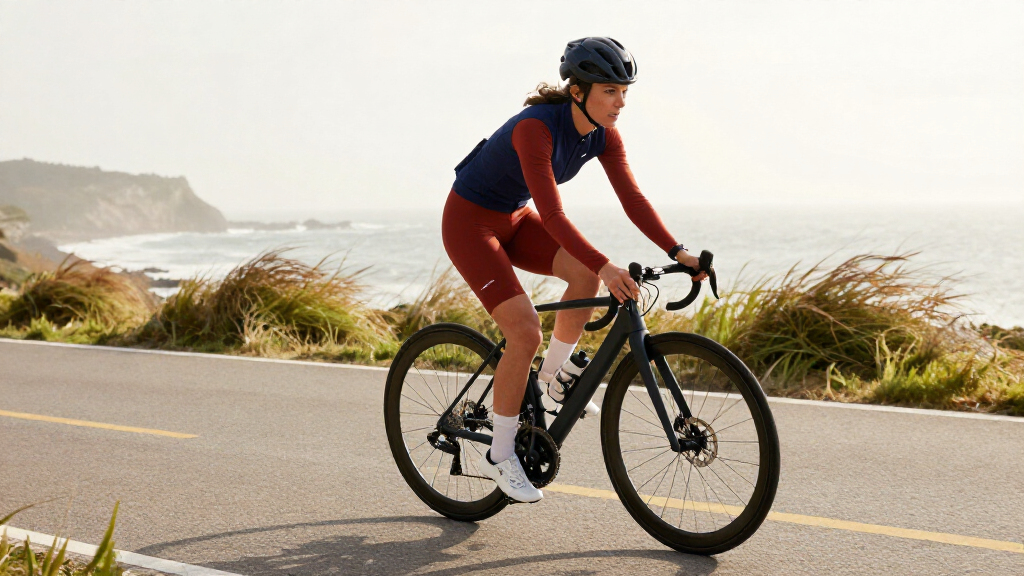

Choosing the best road bicycles requires balancing frame material, gearing, and intended use. The SAVADECK SD8.4 stands out as the top overall pick for riders seeking premium performance with its Shimano 105 Di2 electronic shifting and carbon frame. For those prioritizing value, the Tommaso Monza offers a robust aluminum build with a reliable Shimano Tiagra groupset. Meanwhile, the AVASTA Jupiter 700C serves riders needing versatility with its hybrid geometry and disc brakes. The main tradeoff lies in weight versus durability and cost versus component quality. Continue reading for a detailed breakdown of each model to find your ideal match.

Get your wardrobe favorites delivered free with Prime
- Fast, free delivery on millions of items
- Prime Video, Amazon Music and more included
- Member-only deals all year
Key Takeaways
- Carbon frames dominate the high-performance tier, but aluminum options like the Tommaso Monza provide comparable stiffness for a lower price.
- Electronic shifting (Di2) is no longer exclusive to ultra-premium bikes, appearing on mid-range options like the SAVADECK SD8.4.
- Hybrid geometry bikes, such as the AVASTA Jupiter and Schwinn Volare, offer a more upright riding position that sacrifices speed for comfort and control.
- Disc brakes are now standard on most modern road bikes in this list, offering superior stopping power in wet conditions compared to traditional rim brakes.
- Entry-level models like the HILAND 700C and Ecarpat 700C prioritize affordability but often use heavier components and less refined geometry.
| AVASTA Jupiter 700C Adult Hybrid Bike, 21-Speed, Dual Disc Brakes |  | Best for Mixed-Surface Commuting | Bike type: Hybrid | Frame: Aluminum, 19 in | Wheel size: 700C | VIEW LATEST PRICE | See Our Full Breakdown |
| SAVADECK SR7.0-DI2 Carbon Road Bike with Shimano 105 Di2 |  | Best Premium Carbon Road Bike | Bike type: Road bike | Frame and fork: T1000 carbon fiber | Wheelset: Carbon fiber | VIEW LATEST PRICE | See Our Full Breakdown |
| Schwinn Volare 1300 14-Speed Hybrid Road Bike |  | Best for Fitness Riding on Pavement | Bike type: Hybrid sport bike | Frame and fork: Aluminum frame; rigid alloy fork | Wheel and tire size: 700c wheels; 700c × 28c tires | VIEW LATEST PRICE | See Our Full Breakdown |
| Ecarpat 700C 16-Speed Road Bike with Aluminum Frame and Dual Disc Brakes |  | Best Entry-Level Disc-Brake Road Bike | Bike type: Road bike | Frame: Aluminum, 53 cm (Size M) | Wheel size: 29 inches | VIEW LATEST PRICE | See Our Full Breakdown |
| HILAND 700C 14-Speed Road Bike for Adults |  | Best for Multi-Size Fit Choice | Bike type: Road bike | Frame material: Aluminum | Frame sizes: S (49 cm), M (53 cm), L (57 cm) | VIEW LATEST PRICE | See Our Full Breakdown |
| SAVADECK Windwar 3.0 Carbon Road Bike, Shimano SORA 18-Speed |  | Best Lightweight Carbon Value | Frame and fork: T800 carbon fiber | Drivetrain: Shimano SORA, 2×9 | Brakes: V-brakes | VIEW LATEST PRICE | See Our Full Breakdown |
| Tommaso Monza Aluminum Road Bike with Carbon Fork and Shimano Tiagra 20-Speed Groupset |  | Best for Broad, Practical Gearing | Frame: Aluminum | Fork: Carbon | Groupset: Shimano Tiagra 2×10 | VIEW LATEST PRICE | See Our Full Breakdown |
| SAVADECK SD8.4 Carbon Road Bike with Shimano 105 Di2, 24 Speeds and Disc Brakes |  | Best Premium Electronic-Shifting Pick | Frame and fork: T800 carbon fiber | Wheel material: Carbon fiber | Drivetrain: Shimano 105 Di2 R7170, 2×12 | VIEW LATEST PRICE | See Our Full Breakdown |
| Tommaso Imola Aluminum Road Bike with Shimano Claris 24-Speed Drivetrain |  | Best for Hill-Friendly Entry-Level Gearing | Frame: Aluminum | Drivetrain: Shimano Claris 3×8 | Speeds: 24 | VIEW LATEST PRICE | See Our Full Breakdown |
| Schwinn Phocus 1.6 700c Road Bike |  | Best for a Straightforward Paved-Road Setup | Frame and fork: Aluminum frame; rigid alloy fork | Drivetrain: 14-speed | Shifter: microSHIFT integrated shifter and brake lever | VIEW LATEST PRICE | See Our Full Breakdown |
| OUTROAD 14-Speed 700C Road Bike with Aluminum Frame and Dual Disc/V Brakes |  | Best Budget Entry Point | Frame Material: Aluminum | Speeds: 14 | Wheel Size: 700C (listed as 26 inches in some data) | VIEW LATEST PRICE | See Our Full Breakdown |
| AVASTA Populus 700C Step-Through Road Bike for Women, 7-Speed |  | Best for Urban Comfort | Frame Material: 6061 Aluminum | Frame Style: Step-Through | Speeds: 7 | VIEW LATEST PRICE | See Our Full Breakdown |
| SAVADECK R08 Carbon Disc Road Bike, 18-Speed Shimano SORA |  | Best Mid-Range Performance | Frame Material: TORAY T800 Carbon Fiber | Groupset: Shimano SORA R3000 | Speeds: 18 | VIEW LATEST PRICE | See Our Full Breakdown |
| SAVADECK A7L Carbon Road Bike with Shimano 105 24-Speed Groupset |  | Best Premium Value | Frame Material: T800 Carbon Fiber | Groupset: Shimano 105 R7100 | Speeds: 24 | VIEW LATEST PRICE | See Our Full Breakdown |
| road bicycle | Brakes | Speeds |
|---|---|---|
| AVASTA Jupiter 700C Adult Hybr | Dual disc | — |
| SAVADECK SR7.0-DI2 Carbon Road | Dual disc | — |
| Schwinn Volare 1300 14-Speed H | Alloy caliper | — |
| Ecarpat 700C 16-Speed Road Bik | Front and rear disc | — |
| HILAND 700C 14-Speed Road Bike | Caliper | — |
| SAVADECK Windwar 3.0 Carbon Ro | V-brakes | — |
| Tommaso Monza Aluminum Road Bi | — | 20 |
| SAVADECK SD8.4 Carbon Road Bik | Disc | 24 |
| Tommaso Imola Aluminum Road Bi | — | 24 |
| Schwinn Phocus 1.6 700c Road B | Front and rear caliper brakes | — |
| OUTROAD 14-Speed 700C Road Bik | — | 14 |
| AVASTA Populus 700C Step-Throu | Dual Linear-Pull V-Brakes | 7 |
| SAVADECK R08 Carbon Disc Road | — | 18 |
| SAVADECK A7L Carbon Road Bike | Hydraulic Disc | 24 |
More Details on Our Top Picks
AVASTA Jupiter 700C Adult Hybrid Bike, 21-Speed, Dual Disc Brakes
I’d choose the AVASTA Jupiter when a road-oriented bike also needs to handle occasional unpaved paths and everyday errands. Its 21-speed Shimano EF500 shifting offers a wider range than the Schwinn Volare 1300’s 14 speeds, while dual disc brakes give it a more weather-ready setup than that bike’s caliper brakes. The hybrid format and adjustable saddle and handlebars favor a more adaptable riding position over the Volare’s drop-bar road posture. Mounting points also make it easier to add a rack or mudguards, though those accessories are not included.
The tradeoff is that this is less pavement-focused than a conventional road bike such as the HILAND 700C. Its rigid fork offers little cushioning on rough ground, and the available data gives a 19-inch frame size rather than multiple fit choices. I’d pick it for varied commutes, not for a dedicated fast-road setup.
Pros:- 21-speed Shimano EF500 shifting gives riders more gearing choices than the 14-speed Schwinn Volare 1300.
- Dual disc brakes suit a broader range of everyday conditions than caliper brakes.
- Accessory mounting points support adding a rear rack, mudguards, or a water bottle holder.
- Adjustable saddle and handlebars help tailor the riding position.
Cons:- Rigid suspension provides little cushioning on rough trails or broken pavement.
- Water bottle holder, mudguards, and rear rack are not included.
- The listed 19-inch frame size offers less documented fit choice than the HILAND’s three sizes.
Best for: Commuters who split their rides between paved streets and occasional unpaved paths and want disc brakes plus accessory mounting points.
Not ideal for: Road riders seeking drop handlebars, a clearly listed range of frame sizes, or a bike built specifically for fast paved-road riding.
- Bike type:Hybrid
- Frame:Aluminum, 19 in
- Wheel size:700C
- Gearing:21 speeds; Shimano EF500 Easyfire
- Brakes:Dual disc
- Suspension:Rigid
- Intended terrain:Paved roads and unpaved trails
- Included components:Bell, kickstand, reflectors, tool kit, user manual
- Warranty:2 years
Our verdict“Choose the Jupiter if your commute includes mixed surfaces and utility needs; choose a drop-bar road bike for pavement speed and a more road-focused position.”
SAVADECK SR7.0-DI2 Carbon Road Bike with Shimano 105 Di2
The SAVADECK SR7.0-DI2 is the performance-led choice here: its T1000 carbon frame and carbon wheelset pair with Shimano 105 Di2 electronic shifting and dual disc brakes. At a stated 7.8 kg, it is substantially more focused on low weight than aluminum options such as the HILAND 700C or Ecarpat. The 2×12 drivetrain provides 24 speeds, giving road riders a broad set of ratios for varied paved routes. Internal cable routing also keeps the setup visually clean.
That specification comes with narrower use and setup flexibility. It is specified for paved roads, and the listed size is 52 cm, so buyers should confirm fit before choosing it. It arrives 90% assembled, but the handlebar, seat post, front wheel, and pedals still need installation. Compared with more accessible aluminum bikes, this is the specialist pick for riders who value a light carbon platform and electronic shifting over mixed-terrain versatility.
Pros:- T1000 carbon frame, fork, seat tube, and wheelset keep the build focused on low weight.
- Shimano 105 Di2 electronic shifting offers a premium 2×12 drivetrain.
- Dual disc brakes provide a road-focused braking setup.
- Internal cable routing gives the bike a tidy cockpit and frame appearance.
Cons:- Paved-road specification limits its suitability for rough or unpaved riding.
- Only a 52 cm size is listed, making fit confirmation especially important.
- Several parts, including the front wheel and handlebars, still require installation.
Best for: Pavement-focused riders who want a lightweight carbon road bike, electronic 2×12 shifting, and disc brakes.
Not ideal for: Riders who need multiple documented frame sizes, want a bike for rough or unpaved routes, or prefer minimal assembly.
- Bike type:Road bike
- Frame and fork:T1000 carbon fiber
- Wheelset:Carbon fiber
- Wheel and tire size:700C × 25C
- Gearing:24 speeds (2×12), Shimano 105 Di2 R7170
- Brakes:Dual disc
- Weight:7.8 kg (17.19 lb)
- Frame size:52 cm
- Assembly:90% pre-installed
Our verdict“Pick the SR7.0-DI2 for a light, electronic-shifting carbon road setup, but choose an aluminum alternative if you need broader fit or terrain flexibility.”
Schwinn Volare 1300 14-Speed Hybrid Road Bike
The Schwinn Volare 1300 brings a road-style position to an accessible aluminum hybrid format. Its drop handlebars let riders use a lower, more aerodynamic posture than on the flat-bar AVASTA Jupiter, while 700c × 28c tires suit paved fitness rides. The 14-speed drivetrain is simpler than the Jupiter’s 21-speed setup, but that is a reasonable trade for riders whose routes stay on roads and who do not need as many low gears for varied terrain. Schwinn lists a rider-height range of 5’8″–6’2″, which gives buyers a clearer fit reference than the single stated frame size on the Jupiter.
The limits are equally clear: this bike is intended for pavement, and its alloy caliper brakes are a less weather-ready choice than the dual discs on the Jupiter or Ecarpat. Assembly requires common household tools. I’d favor it for straightforward paved-road fitness riding, not rough routes or riders outside its specified height range.
Pros:- Drop handlebars support a lower, more road-oriented riding position than the AVASTA Jupiter’s hybrid setup.
- 700c × 28c tires are suited to paved-road riding.
- Aluminum frame and alloy fork keep the design focused on a relatively light road feel.
- A limited lifetime warranty is listed.
Cons:- Alloy caliper brakes lack the dual-disc setup found on the Jupiter and Ecarpat.
- Paved-road focus limits its suitability for rough trails.
- The stated rider-height range may exclude buyers outside 5’8″–6’2″.
Best for: Riders 5’8″–6’2″ who want drop handlebars and a fitness-oriented bike for paved roads.
Not ideal for: Riders seeking disc brakes, mixed-surface capability, or a fit outside the listed 5’8″–6’2″ range.
- Bike type:Hybrid sport bike
- Frame and fork:Aluminum frame; rigid alloy fork
- Wheel and tire size:700c wheels; 700c × 28c tires
- Gearing:14 speeds
- Brakes:Alloy caliper
- Handlebar:Drop
- Intended terrain:Paved roads
- Recommended rider height:5’8″–6’2″
- Warranty:Limited lifetime
Our verdict“Choose the Volare 1300 for drop-bar fitness rides on pavement if you fit its stated height range and can accept caliper brakes.”
Ecarpat 700C 16-Speed Road Bike with Aluminum Frame and Dual Disc Brakes
The Ecarpat 700C gives paved-road riders a straightforward aluminum road-bike setup with 16 speeds and front and rear disc brakes. That brake choice separates it from the Schwinn Volare 1300, whose alloy calipers are more basic, while its 16-speed drivetrain sits between the Volare and the AVASTA Jupiter’s 21-speed hybrid gearing. The 700 × 28C tires offer a practical balance for road use rather than a narrow, race-oriented tire choice. Its listed 53 cm frame and 5’6″–6’1″ rider guidance also make its fit range distinct from the Volare’s stated range.
There is little here for rough-surface riding: the rigid frame setup offers no suspension cushioning, and the bike is specified primarily for pavement. The product data also does not identify a shifting system or provide multiple frame sizes. I’d choose it over a caliper-brake road option when disc brakes are the priority, but not when documented fit options or off-road range matter more.
Pros:- Front and rear disc brakes distinguish it from the Schwinn Volare 1300’s caliper brakes.
- 16-speed gearing offers more ratios than the Volare’s 14-speed setup.
- 700 × 28C tires suit everyday paved-road riding.
- Reflectors, manual, and toolkit are included.
Cons:- Rigid setup provides little cushioning on rough roads.
- The bike is intended primarily for paved surfaces.
- Only a 53 cm frame is listed, with no alternative frame sizes in the provided data.
Best for: Pavement commuters and recreational riders who want an aluminum road bike with dual disc brakes and a listed medium-size fit.
Not ideal for: Buyers needing multiple documented sizes, suspension cushioning, or a bike intended for unpaved routes.
- Bike type:Road bike
- Frame:Aluminum, 53 cm (Size M)
- Wheel size:29 inches
- Tire size:700 × 28C
- Gearing:16 speeds
- Brakes:Front and rear disc
- Suspension:Rigid
- Recommended rider height:5’6″–6’1″
- Included components:Reflectors, manual, toolkit
Our verdict“Pick the Ecarpat if you want a simple paved-road bike with disc brakes, but look elsewhere for wider fit choices or rough-road comfort.”
HILAND 700C 14-Speed Road Bike for Adults
The HILAND 700C is the most fit-flexible road option among the aluminum models here, with three frame sizes and rider-height guidance from 5’3″ to 6’4″. That makes it a more practical starting point than the Ecarpat, which lists only a 53 cm frame, or the Schwinn Volare 1300, which specifies a narrower height range. Its 14-speed drivetrain, drop handlebars, and 700C wheels suit paved-road riding, while internal cable routing keeps the frame tidy. Tools and pedals are included, and it arrives 90% pre-assembled.
The compromises are its caliper brakes and rigid setup. Compared with the dual-disc Ecarpat, it gives up the disc-brake configuration; like the Volare, it is intended for pavement rather than rough trails. The provided data does not identify a named drivetrain group, so I would not choose it for a clearly specified component package. For buyers prioritizing size selection and included setup basics, it is the more accommodating pick.
Pros:- Three frame sizes cover a broader stated rider-height range than the Schwinn Volare 1300.
- Drop handlebars and 700C wheels suit paved-road riding.
- Internal cable routing gives the frame a neat appearance.
- Tools and pedals are included, and the bike arrives 90% pre-assembled.
Cons:- Caliper brakes do not match the dual-disc setup on the Ecarpat.
- Rigid suspension offers no cushioning on rough surfaces.
- The provided specifications do not name a drivetrain group.
Best for: Adults seeking an aluminum drop-bar road bike with a size option matched to riders from 5’3″ to 6’4″.
Not ideal for: Riders who prioritize dual disc brakes, suspension comfort, or a named higher-tier drivetrain group.
- Bike type:Road bike
- Frame material:Aluminum
- Frame sizes:S (49 cm), M (53 cm), L (57 cm)
- Fit guidance:S: 5’3″–5’6″; M: 5’6″–6’0″; L: 6’0″–6’4″
- Wheel size:700C (28 inches)
- Gearing:14 speeds
- Brakes:Caliper
- Assembly:90% pre-assembled
- Warranty:1 year
Our verdict“Choose the HILAND if finding a size that matches your height matters more than disc brakes or a clearly specified premium drivetrain.”
SAVADECK Windwar 3.0 Carbon Road Bike, Shimano SORA 18-Speed
The Windwar 3.0 makes sense for a rider who wants a light carbon build without stepping up to the SD8.4’s electronic shifting and carbon wheels. Its T800 frame, fork, and seat tube contribute to a listed weight of 8.9 kg, while the Shimano SORA 2×9 drivetrain gives riders 18 gears for paved-road climbs and faster stretches. Continental Ultra Sport II tires are a practical road-oriented choice, but the 25C width and rigid setup favor smooth pavement over broken surfaces. The main compromise is braking: its V-brakes are simpler than the SD8.4’s disc brakes, and this bike is less suited to wet or demanding braking conditions. It arrives mostly assembled, though several parts still need fitting. I’d choose it for a lighter carbon feel; riders who prioritize electronic shifting and disc brakes should look at the SD8.4 instead.
Pros:- T800 carbon frame, fork, and seat tube keep the listed weight to 8.9 kg.
- Shimano SORA 2×9 gearing covers a useful range for paved-road climbs and flats.
- Continental Ultra Sport II tires are specified for road riding.
- Arrives 90% assembled and includes platform pedals.
Cons:- V-brakes lack the disc-brake setup found on the SAVADECK SD8.4.
- 700x25C tires and rigid suspension are best matched to smooth pavement.
- Handlebar, front wheel, seat post, and pedals still require installation.
Best for: Road riders who want a lightweight carbon frame and a straightforward mechanical drivetrain for mostly smooth paved routes.
Not ideal for: Riders who need disc brakes, wider tires for rough pavement, or a bike ready to ride without completing basic assembly.
- Frame and fork:T800 carbon fiber
- Drivetrain:Shimano SORA, 2×9
- Brakes:V-brakes
- Tire size:700x25C Continental Ultra Sport II
- Wheelset:Oval Concepts 6061 alloy, 40 mm
- Weight:8.9 kg (19.6 lb)
- Frame size:56 cm
- Assembly:90% pre-assembled
Our verdict“Choose the Windwar 3.0 if low listed weight and a carbon frame matter more to you than disc brakes or electronic shifting.”
Tommaso Monza Aluminum Road Bike with Carbon Fork and Shimano Tiagra 20-Speed Groupset
The Monza favors a balanced mechanical setup over the Windwar 3.0’s lighter carbon frame. Its aluminum frame and carbon fork pair with Shimano Tiagra 2×10 gearing, while the 50/34T crankset and 11–32T cassette provide a range that helps on both climbs and faster road sections. That spread is a useful step up in gearing flexibility from the Schwinn Phocus 1.6’s 14-speed drivetrain, though the Monza’s data does not specify tire width, weight, or brakes, making direct comparisons on comfort and stopping harder. Compact geometry and handlebars are intended to support a more comfortable road position, but fit still depends on sizing. The key drawback is the purchase-to-ride process: professional assembly and tuning are required, including for warranty validation. I’d pick it over the Imola for its Tiagra 2×10 system, but not for a quick, out-of-box setup.
Pros:- Shimano Tiagra 2×10 drivetrain offers 20 gears.
- 50/34T crankset and 11–32T cassette provide a broad range for varied road gradients.
- Aluminum frame is paired with a carbon fork.
- Compact geometry and handlebars are designed with comfort in mind.
Cons:- Professional assembly and tuning are required before riding.
- Professional assembly is required to validate the warranty.
- Available product data does not specify weight, tire size, or brake type.
Best for: Road riders who want a dependable 2×10 mechanical drivetrain with gearing suited to mixed climbs and faster paved routes.
Not ideal for: Buyers who need a bike they can assemble at home quickly, or who want listed weight, tire, and brake details before choosing.
- Frame:Aluminum
- Fork:Carbon
- Groupset:Shimano Tiagra 2×10
- Speeds:20
- Crankset:50/34T Tiagra compact
- Cassette:11–32T Tiagra
- Handlebars:Compact
- Warranty:Lifetime frame warranty; two years for Shimano components
Our verdict“Choose the Monza if you want Tiagra gearing and a broad cassette range and can arrange professional assembly before riding.”
SAVADECK SD8.4 Carbon Road Bike with Shimano 105 Di2, 24 Speeds and Disc Brakes
The SD8.4 is the most feature-rich road-focused choice in this group: it combines a T800 carbon frame and carbon wheelset with Shimano 105 Di2 electronic shifting and disc brakes. Compared with the Windwar 3.0, it adds electronic 2×12 shifting and disc braking rather than a mechanical SORA drivetrain and V-brakes, making it the stronger match for riders who want a more advanced control setup. Its listed weight is also 8.9 kg, though the two bikes differ substantially in components and wheel materials. The carbon wheelset and internal cable routing give this model a cleaner, higher-spec build, but the supplied data identifies paved roads as its intended terrain and does not provide tire width or brake-rotor details. It arrives 90% assembled, so some installation remains. This is the pick for buyers prioritizing modern shifting and disc brakes, not those seeking a simple mechanical bike.
Pros:- Shimano 105 Di2 R7170 electronic drivetrain provides 2×12 shifting.
- T800 carbon frame, fork, seat tube, and wheelset form a high-spec carbon build.
- Disc brakes offer a different braking setup from the Windwar 3.0’s V-brakes.
- Internal cable routing gives the bike a clean cockpit and frame appearance.
Cons:- Handlebar, front wheel, seat post, and pedals still require installation.
- Specified for paved roads rather than rough or mixed terrain.
- Product data does not state tire width or disc-brake rotor specifications.
Best for: Experienced road riders seeking electronic Shimano 105 shifting, disc brakes, and a carbon frame-and-wheel build for paved routes.
Not ideal for: Riders who prefer simple mechanical components, want detailed tire and brake specifications before buying, or plan to ride mainly on rough terrain.
- Frame and fork:T800 carbon fiber
- Wheel material:Carbon fiber
- Drivetrain:Shimano 105 Di2 R7170, 2×12
- Speeds:24
- Brakes:Disc
- Wheel size:700C
- Weight:8.9 kg (19.6 lb)
- Frame size:51 cm
- Assembly and warranty:90% pre-assembled; lifetime warranty
Our verdict“Choose the SD8.4 if electronic shifting and a carbon wheelset are priorities and you are comfortable completing its remaining assembly.”
Tommaso Imola Aluminum Road Bike with Shimano Claris 24-Speed Drivetrain
The Imola’s defining advantage is its 3×8 Shimano Claris drivetrain: 24 listed speeds give riders a wide gearing range for hills and flatter, faster routes. That makes it more adaptable on varied gradients than the Schwinn Phocus 1.6’s 14-speed setup, though more gears do not by themselves make it the more refined option. The Monza takes a different approach with Tiagra 2×10 gearing and a carbon fork; the Imola is the more straightforward choice when broad gearing is the priority. Its aluminum frame and Shimano shifters suit a rider building road-bike skills, but the bike arrives untuned and requires professional assembly. Warranty validation is tied to that assembly requirement, so buyers should factor in arranging qualified setup. The product data does not list tire size, weight, or brake type, limiting comparisons on those ride characteristics.
Pros:- Shimano Claris 3×8 drivetrain provides 24 speeds and a broad gearing range.
- Aluminum frame suits a practical, mechanical road-bike build.
- Gearing is described as suitable for hills, long rides, and faster routes.
- Includes a lifetime frame warranty replacement promise and a two-year Shimano components warranty.
Cons:- Professional assembly is required to validate the warranty.
- Bike arrives untuned and needs setup before riding.
- Product information does not specify tire size, weight, or brake type.
Best for: Newer road riders who expect varied hills and want a broad mechanical gear range for training and everyday paved rides.
Not ideal for: Buyers who want a tuned, ride-ready bike at delivery or need confirmed details on tire width, weight, and brake type.
- Frame:Aluminum
- Drivetrain:Shimano Claris 3×8
- Speeds:24
- Intended riding:Hills, long rides, and faster routes
- Assembly:Professional assembly required; arrives untuned
- Frame warranty:Lifetime warranty replacement promise
- Shimano components warranty:Two years
- Origin:Imported
Our verdict“Choose the Imola if varied road gradients make a wide 3×8 gear range more useful to you than the Monza’s higher-tier 2×10 groupset.”
Schwinn Phocus 1.6 700c Road Bike
The Phocus 1.6 takes a simpler route than the carbon SAVADECK models: it uses an aluminum frame, rigid alloy fork, and 14-speed drivetrain for paved-road riding. Its 28c tires are wider than the Windwar 3.0’s 25C tires, which may suit riders who value a less narrow road setup, while the Windwar counters with a carbon frame and more gears. Integrated microSHIFT shifters combine shifting and braking controls at the handlebars, and quick-release wheels and seat make basic removal and adjustment more convenient. The stated rider-height range of 5’6″–6’0″ is a firm limitation for anyone outside it. This model is aimed at intermediate riders rather than a fully specified beginner package, and its road-oriented tires and rigid fork are not intended for rough terrain. It stands out for a clear fit range and practical paved-road components, not premium materials or a wide gear count.
Pros:- Aluminum frame and rigid alloy fork provide a straightforward road-bike build.
- 700c wheels with 28c tires are specified for paved-road riding.
- Integrated microSHIFT shifter and brake levers keep controls together at the handlebars.
- Quick-release wheels and seat simplify removal and adjustment.
Cons:- 14-speed drivetrain has fewer gears than the Tommaso Imola’s 24-speed setup.
- Recommended rider height is limited to 5’6″–6’0″.
- Rigid fork and road tires are intended for pavement rather than rough terrain.
Best for: Intermediate riders between 5’6″ and 6’0″ who want an aluminum drop-bar bike for paved roads and value 28c tires.
Not ideal for: Riders outside the stated height range, those wanting carbon construction or more than 14 speeds, and anyone planning frequent rough-surface riding.
- Frame and fork:Aluminum frame; rigid alloy fork
- Drivetrain:14-speed
- Shifter:microSHIFT integrated shifter and brake lever
- Brakes:Front and rear caliper brakes
- Wheel and tire size:700c wheels; 700c x 28c tires
- Handlebar:Aluminum drop handlebar
- Recommended rider height:5’6″–6’0″
- Warranty:Limited lifetime
Our verdict“Choose the Phocus 1.6 if you fit its stated height range and want a straightforward aluminum road bike with 28c tires for paved routes.”
OUTROAD 14-Speed 700C Road Bike with Aluminum Frame and Dual Disc/V Brakes
This model serves as a practical entry-level option for riders prioritizing low upfront cost over refined performance. Unlike the SAVADECK R08, which offers a carbon frame and higher-end shifting, the OUTROAD relies on a standard aluminum frame and basic mechanical components. The 14-speed drivetrain provides adequate gear range for flat urban commutes but lacks the precision of higher-tier groupsets. Its dual brake setup (listed confusingly as disc/V) suggests a compromise in component consistency, potentially leading to uneven braking feel. While the adjustable geometry supports a relaxed posture, the conflicting wheel size data (700C vs. 26 inches) raises concerns about long-term part availability and fit accuracy. This bike is best viewed as a temporary commuter solution rather than a long-term sporting investment.
Pros:- Low acquisition cost makes it accessible for beginners
- Adjustable seat and handlebar accommodate various rider heights
- Aluminum frame offers a decent strength-to-weight ratio for the price
Cons:- Conflicting wheel size specifications create potential compatibility issues
- Basic drivetrain lacks the smoothness and durability of premium groupsets
- Inconsistent brake listing suggests potential quality control variability
Best for: Casual commuters on a strict budget who ride primarily on smooth, paved paths
Not ideal for: Riders seeking precise shifting or long-distance endurance riding
- Frame Material:Aluminum
- Speeds:14
- Wheel Size:700C (listed as 26 inches in some data)
- Brake Style:Disc and V-brake
- Rider Height Range:5 ft 3 in–6 ft
- Max Weight Capacity:300 lbs
Our verdict“A functional, low-cost commuter bike for beginners, but lacking the refinement and reliability of mid-tier options.”
AVASTA Populus 700C Step-Through Road Bike for Women, 7-Speed
The AVASTA Populus distinguishes itself with a step-through frame design, making it significantly more accessible for riders who struggle with traditional high-top tubes. Compared to the OUTROAD 14-Speed, this bike prioritizes ease of mounting and a more upright, comfortable posture over aggressive speed. The 7-speed drivetrain is simpler and lighter, suitable for city hills but insufficient for serious climbing or high-velocity flats. Its 700x35c tires offer more cushioning than the narrow tires found on performance models like the SAVADECK A7L, absorbing road vibrations effectively. However, the rigid suspension and linear-pull brakes mean it lacks the stopping power and shock absorption of disc-brake competitors. This is a utility-focused machine, not a performance road bike.
Pros:- Step-through frame facilitates easy mounting and dismounting
- Wide 35c tires provide enhanced comfort on uneven pavement
- Lightweight aluminum frame supports up to 300 pounds
Cons:- 7-speed drivetrain limits gear range for varied terrain
- Linear-pull brakes offer less stopping power than disc systems
- Rigid frame transmits more road vibration to the rider
Best for: City riders who value easy mounting and comfort over speed or hill-climbing ability
Not ideal for: Cyclists planning long-distance rides or tackling steep gradients
- Frame Material:6061 Aluminum
- Frame Style:Step-Through
- Speeds:7
- Tire Size:700x35c
- Brakes:Dual Linear-Pull V-Brakes
- Rider Height Range:5’0″–5’9″
Our verdict“An ideal urban commuter for those prioritizing accessibility and comfort over athletic performance.”
SAVADECK R08 Carbon Disc Road Bike, 18-Speed Shimano SORA
This bike hits a sweet spot between affordability and high-end features, offering a TORAY T800 carbon fiber frame at a fraction of the cost of premium brands. Unlike the AVASTA Populus, which focuses on comfort, the R08 is built for speed and efficiency, featuring internally routed cables that reduce drag and enhance aesthetics. The Shimano SORA 18-speed groupset provides reliable shifting for intermediate riders, though it trails the smoother operation of the Shimano 105 found on the SAVADECK A7L. The 9.6 kg weight makes it light enough for climbing, yet the 54 cm frame size restricts its usability to taller riders. It represents a serious step up for those ready to move beyond aluminum entry-level bikes without breaking the bank.
Pros:- Full carbon fiber construction reduces weight and absorbs vibration
- Shimano SORA groupset offers reliable, crisp shifting for its class
- Dual disc brakes provide consistent stopping power in wet conditions
Cons:- Limited to a single frame size, excluding shorter riders
- SORA components are a tier below the 105 groupset in refinement
- Rigid design requires precise tire pressure management for comfort
Best for: Intermediate cyclists seeking carbon performance and disc brakes without premium pricing
Not ideal for: Riders under 5’7″ due to the single 54 cm frame size limitation
- Frame Material:TORAY T800 Carbon Fiber
- Groupset:Shimano SORA R3000
- Speeds:18
- Weight:9.6 kg (21.1 lb)
- Frame Size:54 cm
- Cable Routing:Fully Internal
Our verdict“A compelling carbon road bike for taller intermediate riders seeking value and modern disc brake technology.”
SAVADECK A7L Carbon Road Bike with Shimano 105 24-Speed Groupset
The SAVADECK A7L stands out as the performance leader in this group, featuring a Shimano 105 R7100 groupset that delivers professional-grade shifting and braking. Compared to the SAVADECK R08, the A7L’s hydraulic disc brakes offer superior modulation and power, while the 24-speed configuration provides finer gear increments for maintaining optimal cadence. At 8.9 kg, it is lighter than the R08, enhancing acceleration and climbing efficiency. The carbon fiber wheels further reduce rotational mass, making the bike feel more responsive than the aluminum or basic carbon wheelsets on competitors like the OUTROAD. However, the 51 cm frame size caters to a specific height range, and the need for final assembly requires mechanical confidence or a shop visit.
Pros:- Shimano 105 groupset provides elite-level shifting and durability
- Hydraulic disc brakes ensure powerful, consistent stopping in all weather
- Carbon fiber frame and wheels minimize weight for better acceleration
Cons:- Single 51 cm frame size limits fit for many adult riders
- Requires significant final assembly including handlebars and wheels
- Aggressive geometry may be uncomfortable for casual upright riding
Best for: Serious recreational riders who want high-end components and lightweight performance
Not ideal for: Complete beginners who may find the aggressive geometry and assembly requirements daunting
- Frame Material:T800 Carbon Fiber
- Groupset:Shimano 105 R7100
- Speeds:24
- Brakes:Hydraulic Disc
- Weight:8.9 kg (19.6 lb)
- Frame Size:51 cm
- Assembly Level:85% Pre-assembled
Our verdict“The top choice for riders seeking near-professional performance and lightweight carbon construction at a mid-market price.”
How We Picked
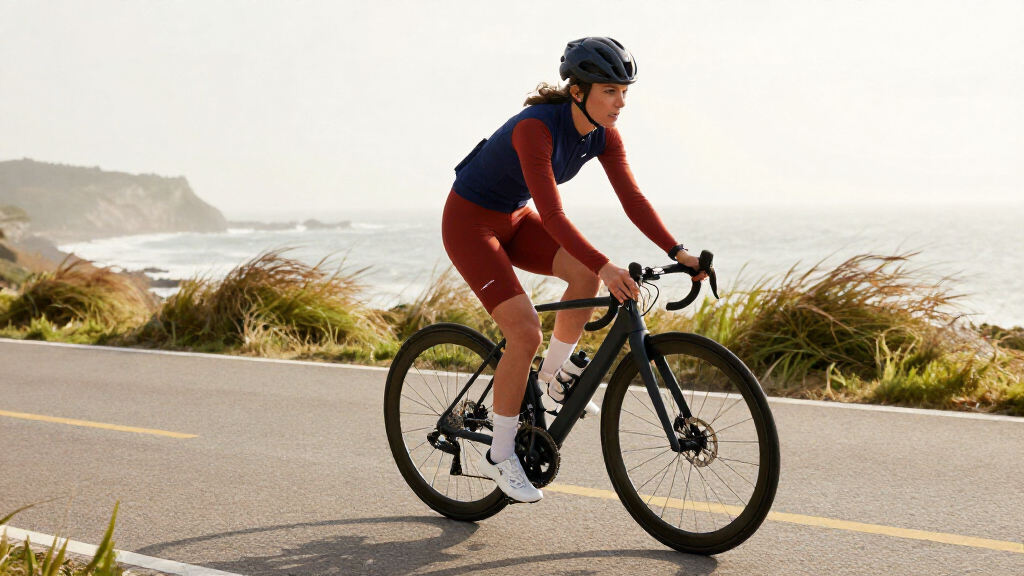
I evaluated these fourteen bicycles based on three core criteria: component quality, frame material, and versatility. Component quality focuses on the reliability and weight of the drivetrain and brakes, with Shimano groupsets serving as the primary benchmark for consistency. Frame material was assessed for its impact on weight and ride compliance, distinguishing between full carbon, aluminum with carbon forks, and standard aluminum builds. Versatility was measured by how well each bike handles different terrains and riding styles, from aggressive racing to casual commuting.
The ranking logic prioritizes performance-per-dollar. Bikes with high-end groupsets like Shimano 105 Di2 are placed higher if the frame geometry supports serious riding. Mid-range options are ranked by their ability to deliver reliable shifting and braking without excessive weight penalties. Entry-level bikes are sorted by their usability and durability, ensuring that budget-conscious buyers still get a safe and functional machine. This approach ensures that every recommendation serves a specific rider profile, whether you are a competitive racer or a weekend commuter.
Factors to Consider When Choosing Best Road Bicycles
Selecting a road bicycle involves more than just picking the fastest frame. You must align the bike’s characteristics with your riding goals, physical comfort, and maintenance preferences. Here are the key factors to weigh before making a purchase.Frame Material and Weight
Frame material dictates the bike’s weight, stiffness, and ride quality. Carbon fiber frames, found on the SAVADECK SR7.0-DI2 and A7L, offer the best strength-to-weight ratio and absorb road vibrations effectively. Aluminum frames, like those on the Tommaso Imola and HILAND, are lighter than steel but can feel harsher on rough pavement. A common mistake is assuming carbon is always better; if you ride in harsh weather or need durability over speed, a well-built aluminum frame with a carbon fork offers a practical compromise. Consider your typical riding surface and distance when deciding if the weight savings justify the higher cost of carbon.
Drivetrain and Shifting Technology
The groupset determines how smoothly and reliably your bike shifts gears. Mechanical groupsets like Shimano Claris and Sora are durable and easy to repair, making them ideal for beginners and commuters. Electronic shifting systems, such as Shimano 105 Di2 on the SAVADECK SD8.4, offer precise, consistent shifts with less physical effort but require battery charging and specialized maintenance. Beginners often underestimate the learning curve of electronic shifting, while experienced riders may find mechanical shifting sufficient for their needs. Evaluate how much you value shift precision versus maintenance simplicity when choosing your drivetrain tier.
Braking Systems: Disc vs. Rim
Most modern road bikes in this roundup feature disc brakes, which provide consistent stopping power regardless of weather conditions. Models like the Ecarpat 700C and OUTROAD use dual disc brakes for enhanced safety in rain or mud. Traditional rim brakes are lighter and easier to adjust but lose effectiveness when rims are wet or dirty. Riders in wet climates or those who ride year-round benefit significantly from disc brakes, despite the slight weight increase and higher maintenance complexity. If you live in a dry region and prioritize weight, rim brakes remain a viable, low-maintenance option.
Geometry and Riding Position
Geometry affects comfort and speed. Endurance geometry, found on bikes like the Tommaso Monza, offers a more upright position that reduces strain on the back and neck. Race geometry, seen on aggressive carbon models, places the rider in a lower, more aerodynamic position that demands greater flexibility and core strength. The AVASTA Populus uses step-through geometry for accessibility, which is excellent for casual riders but less efficient for long distances. Choose geometry based on your flexibility and how much time you spend in the saddle. A comfortable bike encourages more riding, which is often more valuable than marginal speed gains.
Versatility and Tire Clearance
Tire clearance determines what terrain you can handle. Wider tires (28c to 32c) provide better comfort and traction on rough roads, while narrower tires (23c to 25c) reduce rolling resistance on smooth pavement. Bikes with hybrid characteristics, like the Schwinn Volare 1300, often accommodate wider tires for mixed-use riding. A common oversight is buying a race-focused bike with narrow clearance and then struggling to fit comfortable tires for local road conditions. If you encounter potholes or gravel, prioritize a bike that supports wider tires to enhance comfort and control without needing a separate bike.
Frequently Asked Questions
Is electronic shifting worth the extra cost for a beginner?
For most beginners, electronic shifting is not necessary. Mechanical groupsets like Shimano Claris or Sora are robust, affordable, and easier to repair if you drop the bike or encounter a broken derailleur hanger. Electronic systems like Di2 offer precision but add weight, complexity, and cost. Unless you are competing in races where split-second shifting matters, or you have the budget for premium features without compromise, mechanical shifting provides a better value proposition for learning and daily riding.Can I use a road bike for commuting in the city?
Yes, but you should choose a model with endurance geometry or hybrid features. Bikes like the AVASTA Jupiter or Schwinn Volare offer a more upright position, which provides better visibility in traffic and comfort over short distances. Pure race bikes with aggressive geometry can be uncomfortable and less stable at low speeds. Ensure your chosen bike has mounts for racks or fenders if you plan to carry bags or ride in wet weather, as many high-performance carbon frames lack these attachment points.How often do I need to service a disc brake road bike?
Disc brakes require less frequent adjustment than rim brakes but need periodic inspection. You should check pad thickness and rotor alignment every few months or after long descents. Unlike rim brakes, disc brakes do not wear down your wheel rims, extending wheel life. However, hydraulic disc systems, common on higher-end models like the SAVADECK SD8.4, may need fluid changes every one to two years. Mechanical disc brakes are easier to maintain but may require more frequent cable adjustments to maintain optimal lever feel.What is the difference between endurance and race geometry?
Endurance geometry features a shorter reach and taller head tube, resulting in a more upright riding position that reduces strain on the back, shoulders, and neck. Race geometry has a longer reach and lower stack height, placing the rider in a more aerodynamic, aggressive stance that demands greater flexibility. For long-distance riding or if you have limited flexibility, endurance bikes like the Tommaso Monza are more sustainable. Race geometry is best suited for competitive riders or those with prior cycling experience who prioritize speed over comfort.Should I buy a carbon or aluminum frame?
Carbon frames offer better vibration damping and lighter weight, which enhances comfort and climbing efficiency. Aluminum frames are stiffer, heavier, and more affordable, making them durable choices for rough roads or budget-conscious buyers. If you ride on smooth pavement and value comfort, carbon is preferable. If you ride on rough urban streets or are new to cycling and want a durable, low-maintenance option, aluminum is a practical choice. Many bikes in this list, like the Tommaso Monza, combine an aluminum frame with a carbon fork to balance cost and comfort.Conclusion
Choosing the best road bicycles depends on your specific riding goals and budget. For those seeking the highest performance with modern technology, the SAVADECK SD8.4 and SAVADECK SR7.0-DI2 lead the pack with their carbon frames and electronic shifting. If you want the best value for performance-oriented riding, the Tommaso Monza provides an excellent balance of quality components and durable aluminum construction. Beginners or casual riders will find the Schwinn Volare 1300 and AVASTA Jupiter to be user-friendly options with comfortable geometry. For riders needing accessibility, the AVASTA Populus step-through design offers a unique solution. Assess your priorities—whether they are speed, comfort, or value—and select the model that aligns with your lifestyle to maximize enjoyment on the road.