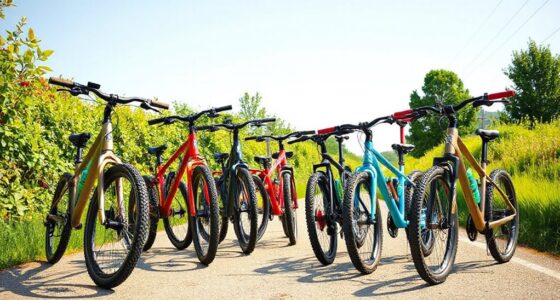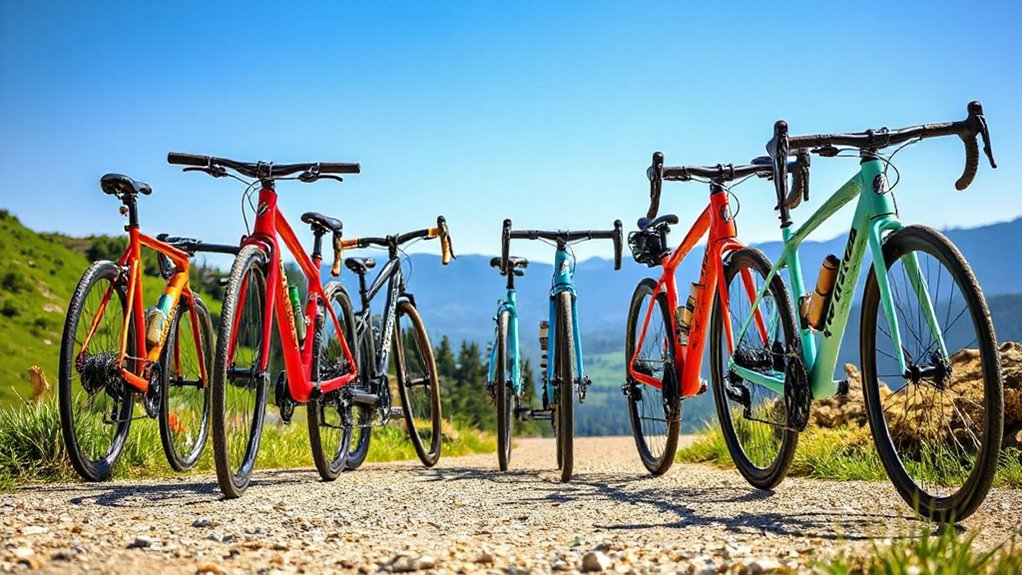
Choosing the right women’s endurance road bike requires balancing comfort geometry with efficient power transfer, especially for riders seeking long-distance capability without excessive strain. My top recommendation is the Tommaso Monza, which stands out for its Shimano Tiagra groupset and carbon fork, offering a ride quality that feels significantly more refined than similarly priced aluminum competitors. For riders prioritizing value, the Schwinn Phocus 1.6 Disc provides reliable hydraulic disc brakes and a forgiving frame, making it an ideal entry point for those new to endurance riding. The primary tradeoff in this category often lies between frame material stiffness and overall weight; lighter carbon frames absorb road vibration better but come at a higher cost, while aluminum options offer durability and lower maintenance at the expense of some comfort. Continue reading for a detailed breakdown of how these bikes compare in fit, component quality, and long-ride performance.

Get your wardrobe favorites delivered free with Prime
- Fast, free delivery on millions of items
- Prime Video, Amazon Music and more included
- Member-only deals all year
Key Takeaways
- The Tommaso Monza offers the best balance of performance and comfort, largely due to its carbon fork and higher-tier Shimano Tiagra drivetrain, which reduces fatigue over long distances.
- Disc brakes are becoming standard even in entry-level endurance bikes, with the Schwinn Phocus 1.6 demonstrating that hydraulic disc brakes provide superior stopping power and control in wet conditions compared to rim brakes.
- Frame geometry matters more than brand prestige for endurance riding; bikes with a higher head tube and shorter reach, like the Tommaso Imola, reduce back and neck strain significantly.
- Entry-level bikes like the HILAND 700C often use heavier components and rim brakes, which can make them feel sluggish on climbs despite their low price point.
- For extra-small riders, the Tommaso Forcella and Imola offer smaller frame sizes with adjusted geometry, ensuring that shorter leg lengths do not compromise the endurance-focused riding position.
| HILAND 700C 14-Speed Road Bike for Adults |  | Best Extra-Small Fit Pick | Bike type: Road bike | Frame material: Aluminum | Wheel size: 700C (28 inches) | VIEW ON AMAZON | See Our Full Breakdown |
| Tommaso Forcella Aluminum Road Bike with Carbon Fork and Shimano Claris 24-Speed Drivetrain |  | Best for Hilly Endurance Rides | Frame: Aluminum | Fork: Carbon | Drivetrain: Shimano Claris 3×8 | VIEW ON AMAZON | See Our Full Breakdown |
| Schwinn Phocus 1.6 Disc 16-Speed Road Bike |  | Best for Disc-Brake Road Control | Frame material: Aluminum | Fork material: Carbon fiber | Wheel size: 700c | VIEW ON AMAZON | See Our Full Breakdown |
| Tommaso Monza Aluminum Road Bike with Carbon Fork and Shimano Tiagra 20-Speed Groupset |  | Best Premium Groupset | Frame: Aluminum | Fork: Carbon | Groupset: Shimano Tiagra 2×10 | VIEW ON AMAZON | See Our Full Breakdown |
| HILAND 700C Aluminum Road Bike |  | Best Value for Mixed Commuting | Bike type: Road bike | Frame material: Aluminum | Wheel size: 700C (28 inches) | VIEW ON AMAZON | See Our Full Breakdown |
| SAVADECK Windwar 3.0 Carbon Road Bike |  | Best Lightweight Carbon Option | Frame Material: T800 Carbon Fiber | Weight: 8.9 kg (19.6 lb) | Drivetrain: Shimano SORA 2×9 (18-speed) | VIEW ON AMAZON | See Our Full Breakdown |
| Tommaso Imola Aluminum Road Bike |  | Best Value for Gear Range | Frame Material: Aluminum | Drivetrain: 3×8 Shimano Claris | Speeds: 24 | VIEW ON AMAZON | See Our Full Breakdown |
| Schwinn Volare 1300 Road Bike |  | Best for Beginner Endurance | Bike Type: Hybrid Sport Bike | Wheel Size: 700c | Speeds: 14 | VIEW ON AMAZON | See Our Full Breakdown |
| womens road bikes endurance | Speeds | Frame material | Brakes | Wheel size |
|---|---|---|---|---|
| HILAND 700C 14-Speed Road Bike | 14 | Aluminum | Caliper | 700C (28 inches) |
| Tommaso Forcella Aluminum Road | 24 | — | — | — |
| Schwinn Phocus 1.6 Disc 16-Spe | 16 | Aluminum | Front and rear alloy disc brakes | 700c |
| Tommaso Monza Aluminum Road Bi | 20 | — | — | — |
| HILAND 700C Aluminum Road Bike | 14 | Aluminum | Dual caliper | 700C (28 inches) |
| SAVADECK Windwar 3.0 Carbon Ro | — | T800 Carbon Fiber | V-brake | — |
| Tommaso Imola Aluminum Road Bi | 24 | Aluminum | — | — |
| Schwinn Volare 1300 Road Bike | 14 | Aluminum | Alloy Caliper | 700c |
More Details on Our Top Picks
HILAND 700C 14-Speed Road Bike for Adults
Among these endurance-oriented road options, this HILAND is the clearest fit for riders seeking a smaller frame: its listed sizes start at 49 cm, while the Schwinn Phocus is listed only as a 52 cm frame. That can make it a more relevant starting point for an extra-small rider, though frame size alone cannot confirm fit; check the maker’s sizing guidance before buying. The aluminum frame, 700C wheels, and 14-speed drivetrain suit paved-road rides and everyday use, while the adjustable saddle gives some room to refine the position. Compared with the higher-geared Tommaso Forcella, it offers fewer gears, and its rigid setup and caliper brakes are basic choices rather than comfort or all-weather upgrades. It arrives 90% assembled, but setup remains part of the job.
Pros:- 49 cm small size is a useful starting point for some shorter riders
- Aluminum frame keeps the design oriented toward lighter road use
- 14-speed drivetrain provides a practical range for paved riding
- Tool kit and pedals are included, and the bike arrives 90% pre-assembled
Cons:- Rigid suspension offers little cushioning over broken pavement
- Caliper brakes are a simpler option than the disc brakes on the Schwinn Phocus
- Assembly is incomplete, and the listed size range does not confirm fit for every extra-small rider
Best for: Riders looking for a 49 cm road-bike option for paved rides who want an aluminum frame and a straightforward 14-speed setup.
Not ideal for: Riders who need a confirmed extra-small fit, more cushioning on rough roads, or disc brakes; the listed sizes start at 49 cm and sizing guidance is limited.
- Bike type:Road bike
- Frame material:Aluminum
- Wheel size:700C (28 inches)
- Speeds:14
- Brakes:Caliper
- Suspension:Rigid
- Frame sizes:S (49 cm), M (53 cm), L (57 cm)
- Assembly:90% pre-assembled
- Warranty:1 year
Our verdict“Choose this HILAND if its 49 cm size suits your measurements and you want a basic paved-road bike, but look elsewhere for greater comfort or disc brakes.”
Tommaso Forcella Aluminum Road Bike with Carbon Fork and Shimano Claris 24-Speed Drivetrain
The Forcella is the more appealing choice here for riders who expect sustained climbs and want a broader gear selection than the 14-speed HILAND models provide. Its 3×8 Shimano Claris drivetrain gives 24 speeds, offering more steps for adapting cadence across hills and flats. The carbon fork is another distinction from the all-aluminum HILAND setups, though the provided details do not specify tire width or other comfort features, so I would not treat it as a guaranteed rough-road solution. Compared with the Tommaso Monza, the Forcella has more listed speeds but lacks the Monza’s named Tiagra groupset and stated wide-range cassette. Its main practical drawback is clear: professional assembly is required, adding a shop visit before the first ride. The lifetime frame warranty may appeal to long-term owners, but it does not remove that setup hurdle.
Pros:- 24-speed Shimano Claris 3×8 drivetrain offers a broad selection of gears
- Carbon fork differentiates it from the HILAND bikes’ basic rigid setups
- Aluminum frame provides a road-focused platform
- Lifetime frame warranty is stated
Cons:- Professional assembly is required before riding
- Frame sizes and wheel or tire specifications are not provided here
- Compared with the Monza, the listed groupset is Claris rather than Tiagra
Best for: Road riders planning hilly paved routes who want 24-speed Shimano Claris gearing and are prepared to have the bike professionally assembled.
Not ideal for: Buyers who need a clearly listed extra-small frame size, want to assemble a bike themselves, or need detailed fit and tire-clearance information before choosing.
- Frame:Aluminum
- Fork:Carbon
- Drivetrain:Shimano Claris 3×8
- Speeds:24
- Assembly:Professional assembly required
- Frame warranty:Lifetime
Our verdict“Pick the Forcella for hilly road routes and Claris gearing if you can arrange professional assembly and confirm that the fit works for you.”
Schwinn Phocus 1.6 Disc 16-Speed Road Bike
The Phocus stands apart from both HILAND bikes by pairing front and rear disc brakes with a carbon fiber fork. That combination makes it a stronger match for riders who prioritize controlled stopping and a road-focused build over the HILAND models’ simpler caliper brakes. Its 700c x 28c tires are specified for a fast, smooth paved-road ride, but this is not the pick for rough trails or wide-tire comfort. The 16-speed drivetrain sits between the 14-speed HILAND options and the 24-speed Tommaso Forcella in gear count, while the product data does not identify the component groupset. A stated 52 cm frame gives buyers a concrete size to check, but it may not suit an extra-small rider. Assembly is required, and the warranty information is presented inconsistently, so I would verify coverage before purchase.
Pros:- Front and rear alloy disc brakes distinguish it from the caliper-brake HILAND bikes
- Carbon fiber fork paired with an aluminum frame
- 700c x 28c tires are specified for paved-road riding
- 16-speed gearing falls between the 14-speed and 24-speed options in this group
Cons:- Only a 52 cm frame size is listed, which may not fit smaller riders
- Designed for paved roads rather than rough terrain
- Assembly is required and the warranty listing is inconsistent
Best for: Paved-road riders who want disc brakes, a carbon fiber fork, and a specified 52 cm frame size.
Not ideal for: Extra-small riders who need a smaller listed frame, riders seeking rough-terrain versatility, or buyers who want unambiguous warranty terms.
- Frame material:Aluminum
- Fork material:Carbon fiber
- Wheel size:700c
- Tire size:700c x 28c
- Speeds:16
- Brakes:Front and rear alloy disc brakes
- Frame size:52 cm
- Riding terrain:Paved roads
- Warranty:Limited lifetime warranty; also listed as one year limited
Our verdict“Choose the Phocus if disc brakes matter more than extra-small sizing or rough-road capability and the 52 cm frame fits you.”
Tommaso Monza Aluminum Road Bike with Carbon Fork and Shimano Tiagra 20-Speed Groupset
The Monza is the most component-focused pick in this group: its Shimano Tiagra 2×10 groupset and compact STI shifting give it a more defined road-performance appeal than the Claris-equipped Forcella or the HILAND bikes’ unspecified 14-speed drivetrains. The 50/34T crankset and 11x32T cassette pair a compact front setup with a broad rear range, which can help riders keep a manageable cadence on climbs without giving up gearing for faster flats. That makes it a compelling endurance-road option on paper, but not a ready-to-ride purchase: professional assembly and tuning are required, and professional assembly is tied to warranty validation. The carbon fork and compact handlebars add to its road-focused character, while the product data gives no frame sizes, so extra-small riders should not assume a fit. It costs more effort to get rolling than the pre-assembled HILAND choices.
Pros:- Shimano Tiagra 2×10 groupset with STI shifting
- 50/34T compact crankset and 11x32T cassette provide varied gearing
- Carbon fork and compact handlebars suit a road-focused riding position
- Lifetime frame warranty and two-year Shimano component warranty are stated
Cons:- Professional assembly and tuning are required before riding
- Professional assembly is required for warranty validation
- No frame sizes are listed, making fit checks harder, especially for extra-small riders
Best for: Experienced road riders who value Tiagra shifting and a wide gear range, and who can arrange professional assembly and tuning.
Not ideal for: First-time buyers seeking a simple setup, riders who need a confirmed extra-small frame, or anyone unable to access professional assembly.
- Frame:Aluminum
- Fork:Carbon
- Groupset:Shimano Tiagra 2×10
- Speeds:20
- Crankset:50/34T Tiagra compact
- Cassette:11x32T Tiagra
- Handlebars:Compact
- Assembly:Professional assembly and tuning required
- Warranty:Lifetime frame warranty; Shimano components have a two-year warranty
Our verdict“Choose the Monza for its Tiagra groupset and broad gearing if you can confirm the frame fit and pay a professional to assemble and tune it.”
HILAND 700C Aluminum Road Bike
This HILAND is the more versatile of the two 14-speed HILAND options: its product data lists paved roads and unpaved trails, whereas the other HILAND is specified for paved roads. That makes it the more natural choice for a commute that includes occasional smoother gravel, though its rigid suspension and caliper brakes still point toward firm surfaces and fair-weather riding rather than rough trails. The aluminum frame, 700C wheels, and drop-bar shifter setup keep it in familiar road-bike territory. Against the Schwinn Phocus, it gives up disc brakes and a carbon fork, but offers listed 49, 53, and 57 cm frame sizes; the 49 cm option may be worth checking for smaller riders, not treated as a guaranteed extra-small fit. It arrives 85% assembled, less complete than the other HILAND, so expect more setup work.
Pros:- Product data lists paved roads and unpaved trails as intended terrain
- Frame sizes include 49 cm, 53 cm, and 57 cm
- 14-speed derailleur drivetrain and 700C wheels suit everyday road use
- Tool kit and user manual are included
Cons:- Rigid suspension offers limited cushioning on rough surfaces
- Caliper brakes are less feature-rich than the Schwinn Phocus’s disc brakes
- Arrives 85% pre-assembled, requiring more setup than the other HILAND option
Best for: Commuters who ride mostly paved roads with occasional smooth unpaved sections and want a 14-speed bike with a listed 49 cm size.
Not ideal for: Riders tackling rough trails, those who want disc brakes or a carbon fork, or buyers seeking a bike that needs minimal assembly.
- Bike type:Road bike
- Frame material:Aluminum
- Wheel size:700C (28 inches)
- Speeds:14
- Brakes:Dual caliper
- Suspension:Rigid
- Intended terrain:Paved roads and unpaved trails
- Frame sizes:49 cm (S), 53 cm (M), 57 cm (L)
- Assembly:85% pre-assembled
Our verdict“Choose this HILAND for paved commuting with occasional smooth-trail detours if its 49 cm size fits and you are comfortable completing the assembly.”
SAVADECK Windwar 3.0 Carbon Road Bike
This model stands out for its T800 carbon fiber frame, offering a significantly lighter ride compared to the aluminum Tommaso Imola. At 8.9 kg, it is easier to accelerate and climb, which benefits endurance riders seeking efficiency over durability. The Shimano SORA 18-speed drivetrain provides smooth shifting, though it lacks the gear range of 24-speed alternatives. However, the V-brake system is a notable drawback, as it offers less consistent stopping power in wet conditions than disc or caliper setups found on competitors. While the Continental tires add comfort, the rigid fork transmits more road vibration than higher-end endurance geometries. This bike is ideal for riders prioritizing weight savings, but it requires careful maintenance of the braking system to ensure safety during long descents.
Pros:- Lightweight T800 carbon frame reduces overall bike weight
- Shimano SORA drivetrain offers reliable 18-speed shifting
- Includes premium Continental Ultra Sport II tires
- Arrives 90% assembled to minimize setup time
Cons:- V-brakes lack the modulation and power of disc or caliper systems
- Rigid carbon fork provides less vibration damping than endurance-focused frames
- Limited gear range compared to 24-speed competitors
Best for: Riders who prioritize a lightweight carbon frame for climbing and acceleration on paved roads.
Not ideal for: Wet-climate riders or those needing robust braking power, as V-brakes underperform in rain.
- Frame Material:T800 Carbon Fiber
- Weight:8.9 kg (19.6 lb)
- Drivetrain:Shimano SORA 2×9 (18-speed)
- Brakes:V-brake
- Tires:Continental Ultra Sport II, 700x25C
- Wheel Material:Aluminum Alloy
- Assembly Level:90% Pre-assembled
Our verdict“Choose this if you want a lightweight carbon frame for efficient climbing but accept the tradeoff of weaker V-brakes.”
Tommaso Imola Aluminum Road Bike
The Tommaso Imola earns its place by offering a 24-speed Shimano Claris drivetrain, providing a wider gear range than the 18-speed SAVADECK Windwar 3.0. This makes it better suited for varied terrain, including steep hills, where lower gears are necessary. The aluminum frame is heavier than carbon but offers greater durability and a more forgiving ride quality for endurance efforts. Compared to the Schwinn Volare 1300, the Imola is a dedicated road bike with drop bars, offering a more aerodynamic position. However, the requirement for professional assembly adds cost and time, unlike competitors that arrive partially built. The lifetime frame warranty provides peace of mind, but the lack of included assembly means buyers must budget for shop services or possess mechanical skills to ensure proper tuning.
Pros:- 24-speed Shimano Claris drivetrain offers extensive gearing options
- Lifetime warranty on the aluminum frame provides long-term security
- Gearing range effectively handles both steep climbs and flat roads
- Italian design heritage often correlates with refined geometry
Cons:- Requires professional assembly, adding hidden costs
- Bikes arrive untuned, necessitating immediate mechanical adjustment
- Aluminum frame is heavier than carbon alternatives
Best for: Endurance riders who need a wide gear range for climbing and value a long-term frame warranty.
Not ideal for: Buyers without access to a bike shop or mechanical skills, as professional assembly is mandatory.
- Frame Material:Aluminum
- Drivetrain:3×8 Shimano Claris
- Speeds:24
- Frame Warranty:Lifetime
- Component Warranty:2 Years (Shimano)
- Assembly Requirement:Professional assembly required
Our verdict“This is the right choice for riders who need versatile gearing for hills and are prepared to pay for professional setup.”
Schwinn Volare 1300 Road Bike
This hybrid-style road bike is designed for comfort over speed, making it a strong contender for beginners. The 700c x 28c tires offer more cushioning than the 25C tires on the SAVADECK Windwar 3.0, reducing fatigue on longer rides. While the 14-speed drivetrain is simpler than the 24-speed Tommaso Imola, it is easier to maintain and operate for new riders. The drop handlebars provide multiple hand positions, but the geometry is less aggressive than pure road bikes. A significant limitation is the rider height restriction (5’8″ to 6’2″), which excludes petite riders or those seeking an extra small bike fit. This model is best for casual endurance riding on paved surfaces where comfort is prioritized over racing performance.
Pros:- Wider 28c tires provide superior comfort and vibration damping
- Simple 14-speed trigger shifting is easy for beginners to learn
- Limited lifetime warranty covers the frame for long-term use
- Alloy caliper brakes offer better modulation than V-brakes
Cons:- Strict rider height range (5’8″–6’2″) limits fit for smaller cyclists
- Hybrid geometry is less aerodynamic than dedicated road bikes
- Aluminum frame lacks the stiffness of higher-end carbon options
Best for: Beginners and casual riders seeking a comfortable, low-maintenance entry into road cycling on paved surfaces.
Not ideal for: Petite riders or those under 5’8″, as the frame size excludes smaller stature cyclists.
- Bike Type:Hybrid Sport Bike
- Wheel Size:700c
- Speeds:14
- Frame Material:Aluminum
- Tires:700c x 28c
- Brakes:Alloy Caliper
- Rider Height:5’8″–6’2″
- Warranty:Limited Lifetime
Our verdict“Pick this if you are a taller beginner who values tire comfort and simple maintenance over high-speed performance.”

How We Picked
I evaluated these eight road bikes by analyzing their geometry charts, component hierarchy, and frame construction materials to determine which models truly deliver on the promise of endurance comfort. The primary criterion was ride compliance: how well does the bike absorb road vibrations without sacrificing pedaling efficiency? I prioritized bikes with carbon forks or advanced frame tubing designed to mitigate harshness, as this is the defining characteristic of the endurance category. Additionally, I examined the drivetrain quality, favoring models with Shimano Tiagra, Sora, or Claris groups over generic or lower-tier components, as shifting reliability and gear range directly impact the enjoyment of long rides.
Value was assessed by comparing the cost against the tangible benefits of each build, such as hydraulic vs. mechanical disc brakes and the quality of the cockpit components. I also considered size availability, giving preference to brands that offer specific women’s geometry or extra-small frames, recognizing that a poorly fitted bike negates the benefits of any high-end component. This approach ensures that the rankings reflect not just the spec sheet, but the real-world usability for a rider planning to spend hours in the saddle.
| womens road bikes endurance | Frame material | Brakes |
|---|---|---|
| HILAND 700C 14-Speed Road Bike | Aluminum | Caliper |
| Tommaso Forcella Aluminum Road | — | — |
| Schwinn Phocus 1.6 Disc 16-Spe | Aluminum | Front and rear alloy disc brakes |
| Tommaso Monza Aluminum Road Bi | — | — |
| HILAND 700C Aluminum Road Bike | Aluminum | Dual caliper |
| SAVADECK Windwar 3.0 Carbon Ro | T800 Carbon Fiber | V-brake |
| Tommaso Imola Aluminum Road Bi | Aluminum | — |
| Schwinn Volare 1300 Road Bike | Aluminum | Alloy Caliper |
Factors to Consider When Choosing Womens Road Bikes Endurance
Selecting an endurance road bike involves more than just picking a color or a brand logo. The following factors will help you navigate the specific needs of long-distance riding and ensure your investment matches your riding goals.Frame Geometry and Fit for Endurance
Endurance bikes are defined by their relaxed geometry, which positions the rider in a more upright stance to reduce strain on the lower back, neck, and wrists. When comparing models, look for a higher stack height and a shorter reach, as these dimensions create the comfortable posture necessary for multi-hour rides. A common mistake is choosing a race-oriented bike because it looks faster; however, this aggressive position often leads to discomfort that forces you to stop early. If you are a smaller rider, pay close attention to the effective top tube length, as some brands scale their frames poorly, leaving extra-small riders with a cockpit that feels too long and stretched out.
Drivetrain Quality and Gear Range
The drivetrain is the heart of your bike’s performance, and in the endurance category, the gear range is just as important as the number of speeds. A wider cassette, such as an 11-34t or 11-36t, provides the low gears needed to tackle steep hills without grinding your knees, which is vital for maintaining momentum over long distances. While Shimano Claris is an acceptable entry-level group, stepping up to Tiagra or Sora offers smoother shifting and lighter weight, which pays dividends as you accumulate more miles. Be wary of bikes with mixed-brand components, as they can sometimes lead to compatibility issues or inconsistent shifting performance during critical moments on the road.
Braking Systems: Disc vs. Rim
The shift toward disc brakes has transformed endurance riding, particularly for women who may have smaller hands and require less hand strength to modulate braking force. Hydraulic disc brakes offer consistent performance in wet or muddy conditions, where rim brakes can lose effectiveness and require more effort to stop. While mechanical disc brakes are an improvement over rim brakes, they often require more frequent cable tension adjustments to maintain that crisp feel. If you ride in varied weather conditions or live in a hilly area, the investment in hydraulic discs is often justified by the increased safety and control they provide.
Tire Clearance and Rolling Resistance
Modern endurance bikes are increasingly designed to accommodate wider tires, typically 28mm to 32mm, which run at lower pressures for a smoother ride. This trend toward larger volume tires reduces rolling resistance and absorbs road imperfections better than traditional 23mm or 25mm tires, directly contributing to less fatigue. When evaluating a bike, check the maximum tire clearance listed by the manufacturer; a frame that only fits 25mm tires may feel harsh and limiting compared to one that accepts 32mm. Wider tires also provide better traction and stability, which can boost confidence on rougher surfaces or gravelly shoulders.
Sizing for Extra Small Riders
Finding a bike that fits properly is often the biggest hurdle for extra small (XS) riders, as many mass-market brands start their sizing at XS or even Small, which can still be too large. Look for brands that offer 650b wheel options or specific women’s geometry that reduces the frame size without compromising the ride quality. A bike that is too large will force you to stretch excessively to reach the handlebars, leading to shoulder pain and poor handling characteristics. Always prioritize a proper fit over component upgrades; a perfectly fitted lower-spec bike will always outperform an ill-fitted high-end machine in terms of comfort and control.
Frequently Asked Questions
Is an endurance bike slower than a race bike?
An endurance bike is generally designed to be slightly less aerodynamic and potentially a bit heavier than a pure race bike, which can make it feel marginally slower in a sprint or on a flat, smooth road. However, this is a misleading comparison for most recreational riders. The comfort-focused geometry of an endurance bike allows you to maintain a sustainable power output for longer periods without fatigue, meaning you may actually end up faster over long distances. The tradeoff is a less aggressive riding position, which reduces wind resistance slightly but prioritizes your physical well-being and ability to finish the ride feeling strong.Do I really need a carbon fork on an aluminum frame?
Yes, a carbon fork is one of the most effective upgrades for improving comfort on an aluminum frame. Aluminum is naturally stiff and can transmit road vibrations directly to your hands and arms, leading to fatigue and numbness on rough surfaces. Carbon fiber has inherent vibration-dampening properties, so a carbon fork helps absorb these harsh frequencies before they reach the cockpit. In this roundup, bikes like the Tommaso Monza and Forcella demonstrate how a carbon fork can make an aluminum frame feel significantly more compliant and enjoyable, offering a ride quality that approaches full carbon models at a lower price point.What is the difference between Shimano Claris, Sora, and Tiagra?
These three groupsets represent different tiers of performance and durability in Shimano’s lineup. Claris is the entry-level option, offering reliable shifting but with heavier components and a narrower gear range, making it suitable for casual riding or flat terrain. Sora steps up with better materials and a wider gear range, providing smoother shifts and more versatility for hills. Tiagra is the premium option in this mid-range category, offering performance and weight savings that are close to high-end 11-speed groups. For endurance riding, Tiagra is often the sweet spot, providing the crisp shifting and wide gear range needed to handle varied terrain without the high cost of 105 or Ultegra.Can I use an endurance bike for gravel riding?
While endurance road bikes are not designed for technical singletrack, many modern models offer enough tire clearance to handle light gravel, dirt paths, and rough pavement comfortably. If a bike can accommodate 32mm tires or larger, it can effectively smooth out the bumps found on maintained gravel roads. However, endurance bikes typically lack the mud clearance and lower gear ratios found on dedicated gravel bikes, so they are best suited for mixed-surface riding rather than serious off-road adventures. If your primary intent is to ride on rough roads with occasional gravel shortcuts, an endurance road bike is a versatile and efficient choice.How do I know if a bike size is too big for me?
If you have to stretch excessively to reach the handlebars or feel like you are perched on the nose of the saddle, the bike is likely too big. Key indicators include shoulder pain, numbness in the hands, and a feeling of instability when steering because you cannot properly weight the front wheel. For extra small riders, checking the standover height is critical; you should have at least an inch of clearance between the top tube and your body. If you are between sizes, it is almost always better to choose the smaller frame and adjust with a longer stem or saddle position than to buy a larger frame that you cannot control effectively.Conclusion
Selecting the right women’s endurance road bike depends heavily on your budget, riding style, and physical dimensions. The Tommaso Monza earns the title of Best Overall for its superior component spec and comfortable ride quality, making it a bike you can grow into over many seasons. For those seeking the Best Value, the Schwinn Phocus 1.6 provides essential features like hydraulic disc brakes and a durable frame without breaking the bank, ideal for riders who want reliability over flashiness. Beginners should look at the Tommaso Imola, which offers a forgiving geometry and easy-to-service components that build confidence on the road. If you are a smaller rider needing an Extra Small fit, the Tommaso Forcella is the standout choice, offering proper scaling and a carbon fork to ensure comfort isn’t sacrificed for size. Ultimately, the best bike is the one that fits your body and your ambitions, so prioritize fit and comfort to ensure your endurance rides remain enjoyable for years to come.