Keeping your tires properly inflated is key to a smooth ride, safety, and saving fuel. Check your tire pressure at least once a month and before long trips, preferably when tires are cold. Use a reliable gauge and follow your vehicle manufacturer’s recommended PSI, not just the maximum on the sidewall. Regularly inspecting and maintaining correct pressure reduces uneven wear and prevents blowouts. Stay tuned to learn easy steps for checking and adjusting your tire pressure effectively.
Key Takeaways
- Check tire pressure monthly with a reliable gauge, preferably when tires are cold for accurate readings.
- Follow the vehicle manufacturer’s recommended PSI, not the maximum sidewall pressure.
- Properly inflate tires to maintain safety, fuel efficiency, and even tread wear.
- Inspect tires regularly for damage, uneven wear, or signs of misalignment to ensure smooth driving.
- Adjust tire pressure as needed for load changes or temperature fluctuations to prevent blowouts and enhance performance.
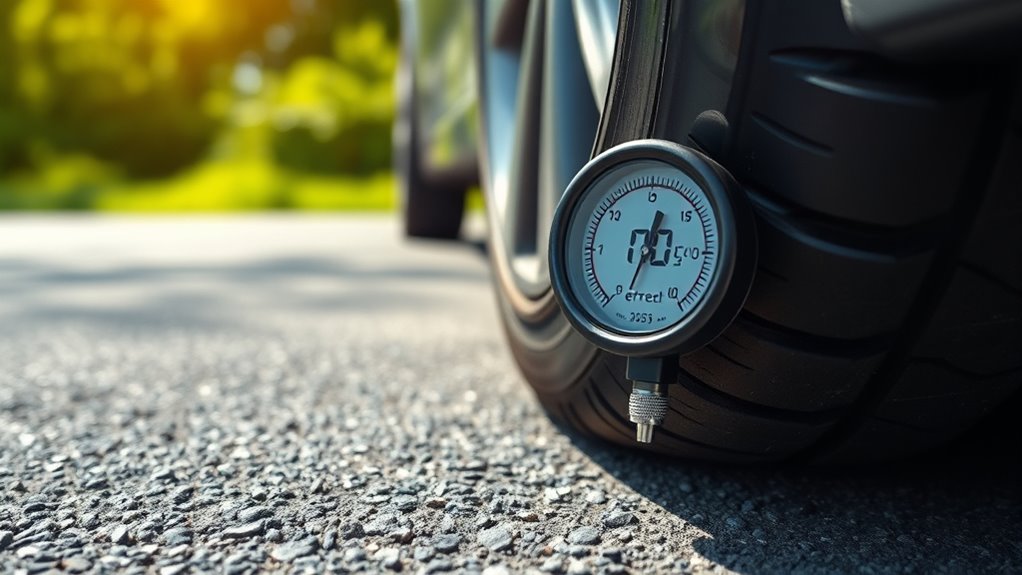
Maintaining proper tire pressure is essential for safe and efficient driving. When your tires are inflated correctly, you experience better handling, improved fuel economy, and reduced risk of accidents. Conversely, underinflated or overinflated tires can compromise safety, cause uneven tire wear, and decrease your vehicle’s performance. That’s why checking your tire pressure regularly should be a top priority. It’s a simple task that yields significant benefits, especially when you understand what the right pressure is and how to sustain it.
Proper tire pressure ensures safety, better handling, and fuel efficiency—check and maintain it regularly for optimal driving.
To start, you need to know the recommended tire pressure for your vehicle. This information is usually found on a sticker inside the driver’s door or in your owner’s manual. The numbers indicate the ideal pounds per square inch (psi) your tires should be inflated to. Keep in mind that these figures are specific to the vehicle, not just the tires alone, because different vehicles have varying load capacities and handling requirements. Always adhere to the manufacturer’s recommendations rather than the maximum psi printed on the tire sidewall, which is often higher than what’s appropriate for everyday driving.
Next, make it a habit to check your tire pressure at least once a month and before long trips. Use a reliable tire pressure gauge for accuracy. To get the best reading, check the pressure when your tires are cold—meaning the car has been stationary for at least three hours or has been driven less than a mile. Hot tires expand and can give a falsely high reading, leading you to believe they’re properly inflated when they’re not. When checking, remove the valve cap, press the gauge onto the valve stem firmly, and note the reading. If it’s below the recommended level, add air until you reach the proper psi. If it’s above, carefully release some air until you hit the target. Proper pressure levels contribute significantly to overall vehicle safety and performance.
Maintaining the right tire pressure isn’t just about convenience; it’s about safety. Properly inflated tires offer better grip on the road, especially in adverse conditions like rain or snow. They also help prevent blowouts and uneven tread wear, which can lead to costly repairs or accidents. Remember, your tires will naturally lose pressure over time—about 1 psi per month—so regular checks are necessary. You should also inspect your tires for visible damage, such as cuts or punctures, and look for uneven wear patterns that could indicate alignment issues. Tire maintenance is an ongoing process that ensures your vehicle remains in optimal condition. By staying vigilant and maintaining consistent tire pressure, you ensure a smoother ride, better fuel efficiency, and safer travels. Additionally, understanding tire pressure maintenance can help extend the lifespan of your tires and improve overall vehicle performance. Proper inflation also reduces tire stress, which minimizes the risk of sudden tire failure during driving.

ETENWOLF T300 Digital Tire Pressure Gauge 3-200 PSI, Industrial Tire Gauge Calibrated to ANSI B40.7 Grade 2A(Plus-Minus 0.5%), Replaceable AAA Batteries (Vivid Orange)
PROCESS LEVEL ACCURACY: Each ETENWOLF’s digital tire pressure gauge is calibrated manually to ANSI B40.7 Grade 2A(plus-minus 1…
As an affiliate, we earn on qualifying purchases.
As an affiliate, we earn on qualifying purchases.
Frequently Asked Questions
How Often Should I Check My Tire Pressure?
You should check your tire pressure at least once a month to guarantee safe driving and ideal fuel efficiency. Also, check it before long trips or when there’s a significant change in temperature, as cold weather can lower pressure. Regularly inspecting your tires helps catch leaks or damage early, saving you money and preventing accidents. Don’t forget to use a reliable gauge and follow your vehicle’s recommended pressure levels for the best results.
Can Over-Inflating Damage My Tires?
Oh, surely over-inflating your tires will give you that “rocket ship” ride, right? Sadly, no. Over-inflation can cause your tires to become stiff and less capable of absorbing shocks, leading to uneven wear and increased risk of blowouts. It’s like trying to walk on stilts—your ride becomes bumpy, uncomfortable, and less safe. Keep your tires at the recommended pressure to avoid these pitfalls and enjoy a smoother, safer drive.
What Tools Are Best for Measuring Tire Pressure?
When it comes to measuring tire pressure, you want reliable tools to guarantee accuracy. A digital tire gauge is ideal because it provides precise readings quickly and is easy to use. If you prefer a budget-friendly option, a manual analog gauge works well too. Always keep your gauge clean and stored properly, and check your tire pressure regularly to maintain ideal inflation and extend tire life.
How Does Temperature Affect Tire Pressure?
Did you know that a 10-degree drop in temperature can reduce your tire pressure by about 1 psi? Temperature directly affects tire pressure because air expands when it’s warm and contracts when it’s cold. So, if you don’t adjust for seasonal changes, your tires might be underinflated in winter and overinflated in summer, impacting your ride and safety. Always check and adjust your tire pressure as temperatures fluctuate.
Is It Necessary to Check Spare Tire Pressure?
You should check your spare tire pressure regularly, just like your main tires. It’s easy to forget, but a properly inflated spare guarantees you’re prepared in emergencies. If the spare is underinflated, it may not perform well when needed. Make it part of your routine to inspect and maintain your spare’s pressure, especially before long trips. This way, you’re always ready to hit the road safely.

AstroAI AIRUN H Tire Inflator Portable Air Compressor Air Pump for Car Tires-Car Accessories, 9.8Ft Cord-12V DC-Powered Auto Pump with Digital Pressure Gauge, LED Light for Bicycle, Balloons, Yellow
Please Note: This product must be powered by a 12V DC Cigarette Lighter to function properly, and ensure…
As an affiliate, we earn on qualifying purchases.
As an affiliate, we earn on qualifying purchases.
Conclusion
Maintaining proper tire pressure isn’t just about safety—it’s about enjoying a smoother, more efficient ride. Regularly checking your tires can save you money and prevent unexpected breakdowns. So, why settle for rough rides and wasted fuel when a simple check can make all the difference? Keep those tires inflated to the right level, and you’ll notice the difference every time you hit the road. Isn’t your journey worth the extra care?

OlarHike Tire Inflator Portable Air Compressor, 150PSI Dual Power – 6000mAh & 12V DC, Cordless Air Pump for Car Tires, Bikes, Motorcycle, Balls with LED & Digital Pressure Gauge, Gift for Mom
[Fast & Efficient Inflation] The OlarHike tire inflator features a high-performance motor that delivers rapid airflow—inflate a standard…
As an affiliate, we earn on qualifying purchases.
As an affiliate, we earn on qualifying purchases.
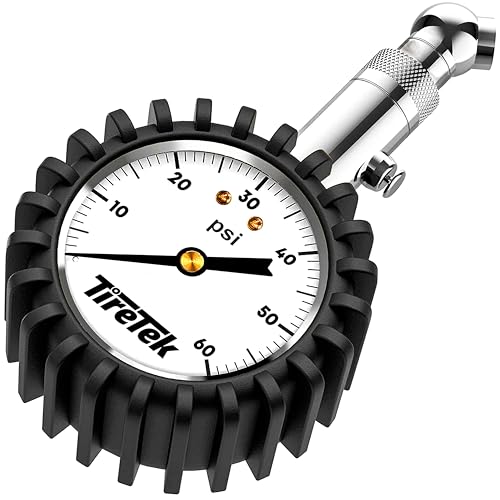
Tire Pressure Gauge for Cars (ANSI Certified) Premium Air Pressure Gauge for Tires – Easy to Read Glow in The Dark Automobile Analog Circular Dial
Professional Tire Pressure Gauge for Cars – This heavy duty mechanical tire pressure gauge is calibrated to ANSI…
As an affiliate, we earn on qualifying purchases.
As an affiliate, we earn on qualifying purchases.