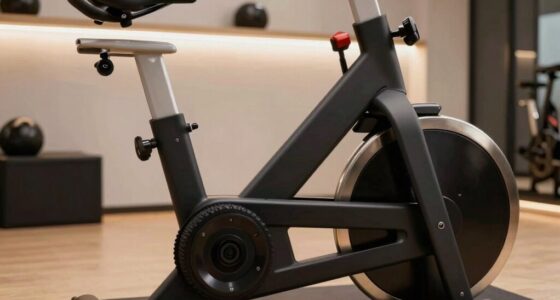
A good commuter saddle fits your body well, aligning your hips, pelvis, and spine for comfort during daily rides. It should have durable, weather-resistant materials that can handle regular use, along with a shape and padding that support your sit bones without adding bulk. Proper ventilation and thoughtful design features help prevent overheating and pressure points, making your rides smoother and more comfortable. Keep exploring to discover even more tips that can help you choose the perfect saddle for your needs.

Get your wardrobe favorites delivered free — and shop member deals
- Fast, free delivery on millions of items
- Access to Prime Big Deal Days deals on October 6–7
- Prime Video, Amazon Music and more included
Key Takeaways
- Proper bike fit ensures comfort and reduces strain during daily commutes.
- Saddle width and shape should match sit bone width for even weight distribution.
- Durable, weather-resistant materials maintain performance and longevity in daily riding conditions.
- Adequate padding provides support without sacrificing responsiveness or causing discomfort.
- Ventilation and ergonomic design prevent overheating and enhance overall riding comfort.

Have you ever wondered what makes a commuter saddle truly good? The answer starts with understanding the importance of a proper bike fit. When your saddle fits well, it aligns your hips, pelvis, and spine, reducing discomfort during those daily rides. If the saddle is too high or too low, you’ll likely experience unnecessary strain on your knees, hips, or back. A good commuter saddle should complement your body size and riding position, ensuring you’re comfortable over short trips and longer commutes alike. Take the time to get your bike fit right—adjust the saddle height, tilt, and fore-aft position—so your sit bones rest naturally on the saddle without excessive pressure. This proper fit not only boosts comfort but also improves efficiency, helping you pedal with less effort. Additionally, choosing a saddle with the right shape and width ensures proper weight distribution and reduces discomfort during extended rides. Saddle materials play a significant role in how a commuter saddle performs and feels. The outer cover needs to be durable enough to withstand daily use, resist moisture, and be easy to clean. Common materials like synthetic fabrics or leather each have their pros and cons. Synthetic covers tend to be lightweight, affordable, and weather-resistant, making them ideal for daily commuting. Leather, on the other hand, molds to your body over time and offers a premium feel, but it requires more maintenance and may not be as resistant to rain or sweat. The padding inside the saddle also varies: some riders prefer minimal padding for a more direct connection to the bike, while others opt for extra cushioning to absorb road vibrations. Foam or gel inserts can provide comfort without adding unnecessary bulk, but overly soft saddles might lack support and cause discomfort after extended rides. Beyond materials, the shape and width of the saddle are crucial. A saddle that’s too narrow can cause chafing, while one that’s too wide might put pressure on sensitive areas. Look for a saddle that’s tailored to the width of your sit bones; many bike shops offer fitting services or you can measure your sit bones at home. Proper saddle design can further enhance comfort by reducing pressure points and improving blood flow. Innovations in ergonomic saddle design have significantly contributed to rider comfort and health. The overall design, including cutouts or relief channels, can also help reduce pressure and improve blood flow. Proper ventilation features are especially important to prevent excessive sweat and overheating during long rides, contributing to overall comfort and durability. Ultimately, what makes a good commuter saddle isn’t just about the material or fit alone but how well the saddle integrates with your body and riding style. When you choose wisely, your daily commute becomes more comfortable, less stressful, and more enjoyable.
As an affiliate, we earn on qualifying purchases.
Frequently Asked Questions
How Often Should I Replace My Commuter Saddle?
You should replace your commuter saddle when it shows significant wear, discomfort, or if the saddle height and position no longer feel right. Regularly check for tears or cracks, and make sure the saddle still supports your riding posture. If you notice persistent discomfort even after adjusting the saddle height or position, it’s time for a new one. Keeping your saddle in good condition helps you ride comfortably and prevents injuries.
Can a Saddle Improve Cycling Comfort on Long Commutes?
Absolutely, a good saddle can turn your long commutes from torture to a breeze! With the right bike ergonomics and ample saddle padding, you’ll feel like you’re gliding on clouds instead of battling saddle soreness. Upgrading your saddle reduces pressure points and keeps you comfortable mile after mile. Invest in one designed for your body — it’s like giving your ride a luxurious upgrade that makes every pedal stroke easier and more enjoyable.
Are There Specific Materials Best for Rainy Weather?
For rainy weather, you want rain-resistant materials like waterproof leather or synthetic fabrics, which keep you dry and comfortable. Consider a waterproof saddle cover to provide extra protection during heavy downpours, ensuring your saddle stays dry even when you’re caught in unexpected rain. These rain-resistant materials and waterproof covers help maintain comfort and prevent damage, making your commute smoother and more reliable regardless of the weather.
How Do I Know if a Saddle Fits My Body?
Imagine your body as the perfect puzzle piece—you’ll know your saddle fits when your bike posture feels natural, not strained. Adjust your saddle height so your leg nearly straight at the bottom of each pedal stroke. If you feel comfortable, balanced, and can ride without discomfort or pinching, then your saddle is the right size. Remember, a well-fitting saddle supports your ride, making every commute feel smoother and more enjoyable.
Do Custom Saddles Offer Significant Benefits?
Yes, custom saddles offer significant benefits because they provide a custom fit that matches your unique body shape and riding style. With tailored saddle padding, you’ll experience enhanced comfort and reduced pressure points during your commute. Investing in a custom saddle guarantees better support, minimizes discomfort, and can even improve your riding efficiency. Overall, it’s a worthwhile upgrade if you’re seeking maximum comfort and performance on your daily rides.
weather-resistant bike saddle cover
As an affiliate, we earn on qualifying purchases.
As an affiliate, we earn on qualifying purchases.
Conclusion
Choosing the right commuter saddle transforms your daily ride from a mundane chore into a smooth glide through city streets. When you pick a saddle that fits well, offers comfort, and suits your riding style, you’ll feel like you’re gliding on air rather than battling a mountain of discomfort. Remember, a good saddle isn’t just a seat; it’s your trusty steed’s throne, turning every commute into a journey of joy. Ride smart, ride happy!
As an affiliate, we earn on qualifying purchases.
sit bone measurement tool for bike saddle
As an affiliate, we earn on qualifying purchases.
As an affiliate, we earn on qualifying purchases.
Fall Picks
fall essentials
As an affiliate, we earn on qualifying purchases.