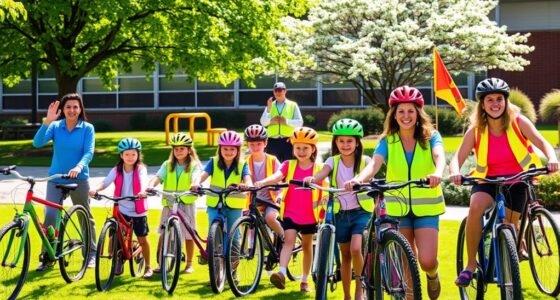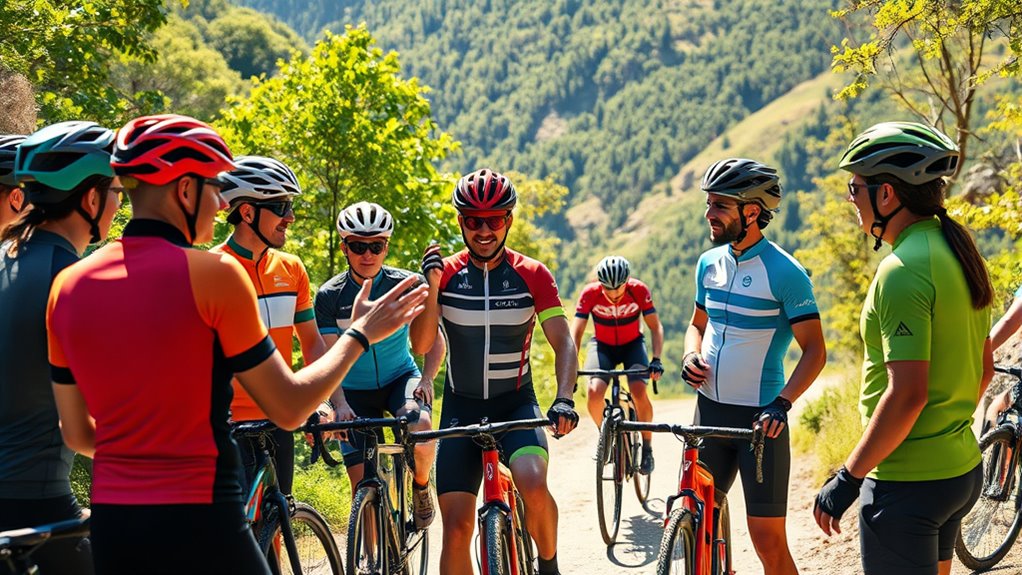

To resolve conflicts on group rides, foster open and respectful dialogue by encouraging riders to calmly express concerns and listen actively. Set clear expectations beforehand, use concise instructions, and maintain a friendly tone to prevent misunderstandings. If disagreements arise, stay calm, avoid taking sides, and address issues promptly with solutions or compromises. Building a positive environment through boundaries and trust helps maintain harmony—continue exploring strategies to keep your group ride smooth.

Get your wardrobe favorites delivered free with Prime
- Fast, free delivery on millions of items
- Prime Video, Amazon Music and more included
- Member-only deals all year
Key Takeaways
- Encourage open, respectful communication and active listening to address concerns calmly.
- Set clear expectations about riding pace, spacing, and signals before the ride begins.
- Stay calm and neutral during disagreements; focus on solutions rather than assigning blame.
- Mediate conflicts by asking questions to uncover underlying issues and proposing fair compromises.
- Reinforce group safety guidelines and respectful behavior to foster a positive riding environment.

Group rides can be a fun way to enjoy cycling with others, but conflicts sometimes arise that can disrupt the experience. As a leader, your ability to manage these conflicts hinges on effective communication strategies and conflict resolution skills. When disagreements happen, addressing them quickly and thoughtfully helps maintain the group’s cohesion and keeps everyone safe. The first step is to foster open and respectful dialogue. Encourage riders to express their concerns calmly and listen actively to understand different perspectives. When someone voices a frustration or discomfort, acknowledge their feelings without dismissing them. This shows you value their experience and are committed to resolving issues collaboratively.
Using clear, concise instructions can prevent many conflicts before they escalate. For instance, setting expectations about riding pace, spacing, and signaling at the start of the ride helps establish a shared understanding. If a disagreement arises mid-ride, remain calm and neutral. Avoid taking sides, and instead, focus on finding a solution that works for everyone. Sometimes, simply redirecting the conversation or suggesting a brief pause allows tension to simmer down. Remember, your tone and body language influence how conflicts unfold; stay approachable and non-confrontational to encourage open communication.
When conflicts do escalate, applying conflict resolution techniques becomes essential. One effective method is to identify the core issue without assigning blame. Ask questions like, “What’s really bothering you?” or “How can we make this ride more enjoyable for everyone?” This approach helps uncover underlying concerns that may not be immediately apparent. If needed, mediate between riders by proposing compromises or adjustments—perhaps modifying the pace or designating a faster and a slower group. By demonstrating fairness and understanding, you set a tone that promotes cooperation rather than division. Additionally, understanding the importance of Vetted – Floating on Water can remind leaders to stay adaptable and calm in unpredictable situations.
It’s also crucial to set boundaries and remind riders of group ride etiquette. Clear guidelines about safety and respectful behavior empower everyone to act responsibly. When conflicts are resolved constructively, it strengthens group dynamics and enhances the riding experience. As a leader, your proactive use of communication strategies and conflict resolution techniques creates a positive environment where riders feel heard, valued, and motivated. Ultimately, handling conflicts effectively ensures that group rides remain enjoyable, safe, and inclusive for all participants.
cycling communication hand signals
As an affiliate, we earn on qualifying purchases.
As an affiliate, we earn on qualifying purchases.
Frequently Asked Questions
How Can I Prevent Conflicts Before They Start?
To prevent conflicts before they start, you should establish clear communication strategies and set group norms upfront. Encourage open dialogue so everyone feels heard, and clarify expectations early on. By fostering a respectful environment and emphasizing teamwork, you help members understand their roles and responsibilities. Regular check-ins and reminders about group norms also keep everyone aligned, reducing misunderstandings and promoting a smooth, enjoyable ride for all.
What Are Effective Ways to De-Escalate Tension During Disputes?
When tension rises like a storm cloud, use your communication skills to calm the skies. Speak softly, listen actively, and acknowledge emotions with empathy. Show emotional intelligence by understanding each rider’s perspective, diffusing anger like a gentle breeze. Keep your tone steady and focus on common goals, turning a brewing storm into a shared rainbow of cooperation. Your calm demeanor can transform conflict into connection.
How Should I Handle Disagreements About Route Choices?
When disagreements about route choices arise, focus on route compromise by suggesting alternative paths that incorporate everyone’s preferences. Encourage opinion balancing by giving each rider a chance to share their thoughts calmly. You can say, “Let’s find a route that respects both options.” This approach fosters collaboration, shows respect for differing opinions, and keeps the group unified, making the ride more enjoyable for everyone.
What Conflict Resolution Techniques Work Best for Diverse Groups?
You should prioritize cultural sensitivity and strong communication skills. Actively listen to everyone’s perspectives, showing respect for different backgrounds. Use open-ended questions to clarify misunderstandings and encourage dialogue. Address conflicts calmly and fairly, avoiding assumptions. By fostering an inclusive environment and demonstrating empathy, you help diverse groups find common ground, reducing tension and promoting harmony during rides. This approach guarantees everyone feels valued and heard.
How Can I Rebuild Trust After a Conflict Has Occurred?
To rebuild trust after a conflict, focus on trust rebuilding by openly addressing the issue and showing genuine empathy. Use apology strategies that acknowledge your part and express remorse sincerely. Keep communication transparent, listen actively, and follow through on promises. This approach demonstrates your commitment to repairing the relationship, helping to restore trust and foster a positive environment for future group rides.
As an affiliate, we earn on qualifying purchases.
Conclusion
Remember, every group ride has its gentle ripples and quiet currents. When conflicts arise, see them as subtle signals guiding you toward smoother waters. Your calm presence and understanding can turn turbulent moments into opportunities for growth and connection. Embrace these chances to strengthen the bond within your group. Sometimes, the quietest resolutions hold the most enduring lessons, leading everyone to enjoy the ride a little more and find harmony in the journey ahead.
bike ride conflict resolution kit
As an affiliate, we earn on qualifying purchases.
As an affiliate, we earn on qualifying purchases.
cycling group ride etiquette signs
As an affiliate, we earn on qualifying purchases.
As an affiliate, we earn on qualifying purchases.
Halloween Picks
halloween
As an affiliate, we earn on qualifying purchases.