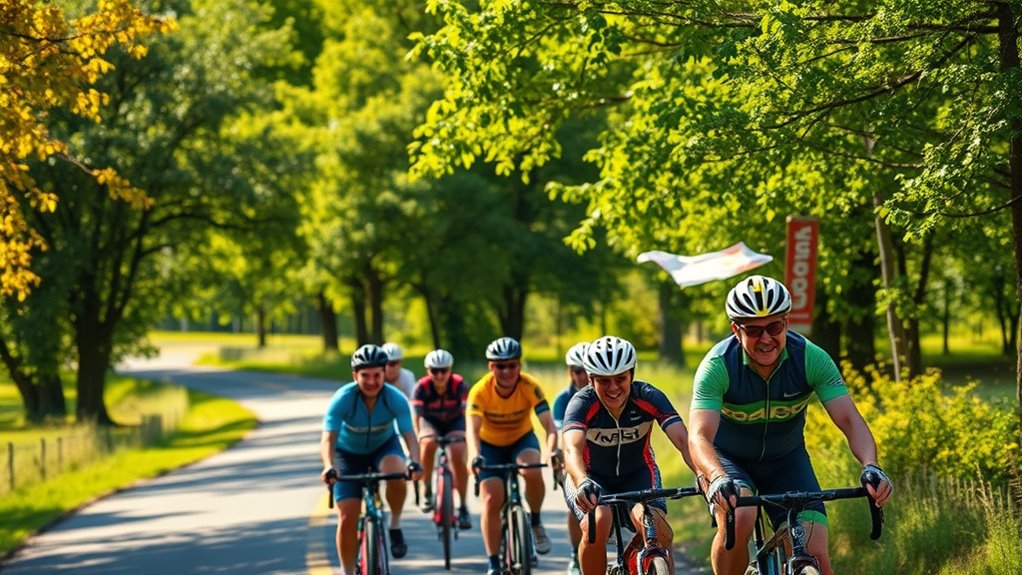
To plan a fundraising ride from scratch, start by choosing a safe, scenic route that suits all skill levels and avoids busy roads. Secure necessary permits, and gather support with safety gear, support stations, and emergency plans. Promote participation and set fundraising goals through effective communication. Organize logistics like timing, transportation options, and volunteers. Focus on safety and engagement throughout, and explore detailed strategies to make your event successful as you keep exploring the process.

Get your wardrobe favorites delivered free with Prime
- Fast, free delivery on millions of items
- Prime Video, Amazon Music and more included
- Member-only deals all year
Key Takeaways
- Define a clear fundraising goal, target audience, and choose an engaging route suited for all skill levels.
- Develop a detailed route map, scout locations, and incorporate scenic or meaningful stops to enhance participant experience.
- Secure necessary permits, coordinate safety measures, and plan support stations with water, snacks, and first aid.
- Promote the event through marketing channels, provide participants with route details, safety info, and registration instructions.
- Prepare contingency plans for emergencies, organize support staff, and ensure proper communication and transportation options.
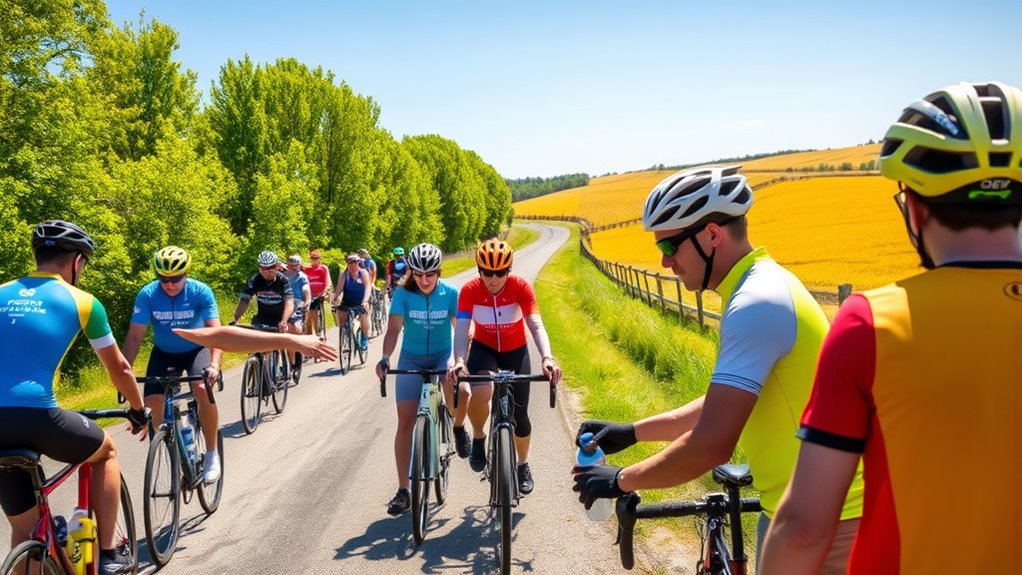
Are you ready to organize a successful fundraising ride? The first step is to plan thoroughly, guaranteeing you cover all essential aspects that will keep participants safe and engaged. A crucial part of this process is focusing on bike safety and route mapping. These elements not only protect everyone involved but also help create a smooth and enjoyable experience that encourages donations and participation.
Start by considering bike safety. Before anything else, remind your participants to wear helmets, obey traffic laws, and use reflective gear, especially if the ride extends into low-light hours. Conduct a safety briefing before the ride begins, highlighting key rules and emphasizing the importance of staying alert. Make sure your route is suitable for all skill levels, avoiding high-traffic roads or hazardous intersections. It’s wise to have a mechanic or bike-savvy volunteer check the bikes beforehand, ensuring everything is in good working order. Proper bike safety measures prevent accidents and foster confidence among riders, which is vital for a successful event.
Next, focus on route mapping. Carefully plan your route to balance challenge with safety. Use mapping tools or navigation apps to chart a course that is scenic yet manageable, ideally with minimal traffic and ample rest stops. When planning, consider the total distance and how long it will take participants to complete it, factoring in breaks and refreshments. Check the route in advance, identifying potential hazards like sharp turns, potholes, or construction zones. If possible, scout the route with a small team beforehand to confirm safety and practicality. Once finalized, share detailed maps with participants well ahead of the event. Clear communication about the route helps everyone prepare mentally and physically, reducing confusion and delays during the ride.
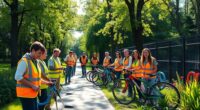
In addition, establish support stations along the route—water, snacks, first aid, and mechanical help if needed—to ensure rider well-being. Make sure these stations are accessible and well-marked. Having a backup plan for emergencies, such as a detour or medical situation, is essential. Also, consider transportation options for participants who might not finish or need assistance. Incorporating self watering plant pots concepts such as accessible water sources can enhance the efficiency of support stations, ensuring consistent hydration and care for the riders.
As an affiliate, we earn on qualifying purchases.
Frequently Asked Questions
How Do I Choose the Best Date for My Ride?
You should pick a date when you can guarantee good weather, avoiding rainy or extremely hot days to promote bike maintenance and rider safety. Check your local calendar for community events to avoid conflicts. Consider weekends or holidays when more people can join. Planning ahead helps with route planning, so choose a date that allows ample time for promotion, preparation, and securing necessary permits.
What Permits or Insurance Are Required for the Event?
You need liability insurance and permit requirements to guarantee your event runs smoothly. Liability insurance protects you from potential claims, covering injuries or damages, while permit requirements vary by location and may include road closures or special event permits. Check with local authorities and coordinate with insurance providers early. This proactive approach helps prevent legal issues, secures necessary approvals, and guarantees your fundraising ride is safe, compliant, and successful.
How Can I Attract Sponsors and Donors Effectively?
You can attract sponsors and donors effectively by leveraging social media outreach to showcase your event’s impact and engage your community. Reach out to potential corporate partnerships, offering visibility and branding opportunities in return for their support. Share compelling stories, updates, and visuals to build excitement. Personalize your pitches, highlighting mutual benefits, and maintain consistent communication. This approach boosts visibility, creates trust, and encourages ongoing sponsorship and donations.
What Safety Measures Should I Implement for Participants?
Imagine your riders as fearless knights, helmets like armor guarding their heads, yet you still need to guarantee safety. Implement helmet safety checks and encourage proper fitting. Set up hydration stations along the route, so everyone stays refreshed and alert, preventing mishaps. Clear route markings, emergency contacts, and medical support are essential. By doing so, you create a safe environment where participants can focus on the ride and not on potential hazards.
How Do I Handle Unexpected Weather or Emergencies?
You should establish clear weather contingencies and emergency preparedness plans before the ride. Monitor weather forecasts regularly and have a backup route or schedule in case of severe weather. Prepare a first aid kit, communicate emergency procedures to volunteers, and make certain all participants know how to seek help. Assign staff or volunteers to monitor weather conditions constantly, and have a plan to stop or postpone the ride if necessary to keep everyone safe.
As an affiliate, we earn on qualifying purchases.
Conclusion
Now that you’ve mapped out your route and gathered your team, you’re ready to turn the wheels of change. Each pedal stroke echoes your purpose, a steady beat in the symphony of giving. As you ride toward your goal, remember that every mile is a message—hope in motion, a journey fueled by passion. So, gear up, embrace the road ahead, and let your ride become a powerful wave of generosity that carries your cause to new heights.
As an affiliate, we earn on qualifying purchases.
As an affiliate, we earn on qualifying purchases.
Columbus Day / Indigenous Peoples' Day Picks
long weekend sales
As an affiliate, we earn on qualifying purchases.