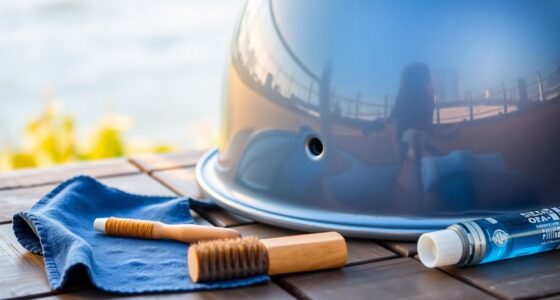
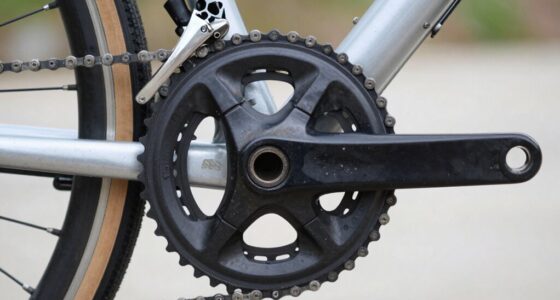
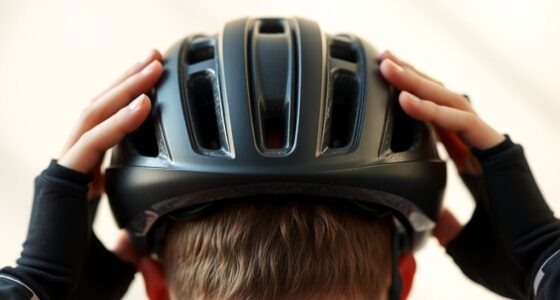
To learn basic bike care without becoming a mechanic, start by mastering simple tasks like checking tire pressure, inspecting brakes, and lubricating the chain. Regular cleaning and quick inspections help you spot issues early. Watching online tutorials, reading bike maintenance guides, or joining local cycling groups can boost your confidence. Building these skills step-by-step makes bike care manageable and safe, and you’ll discover how to keep your ride smooth and reliable as you go.
Open a free Amazon Business account
Business pricing, bulk buying and tax-exempt orders.
As an affiliate, we earn on qualifying purchases.
Key Takeaways
- Start with simple maintenance tasks like tire inflation, chain lubrication, and brake checks using online tutorials or bike care guides.
- Use basic tools and learn their proper use through instructional videos or beginner-friendly workshops.
- Regularly inspect your bike for wear and tear to develop an intuitive understanding of common issues.
- Practice troubleshooting common problems such as flat tires or squeaky brakes with step-by-step guides.
- Join online communities or local cycling groups for tips, advice, and shared experiences to build confidence in bike care.
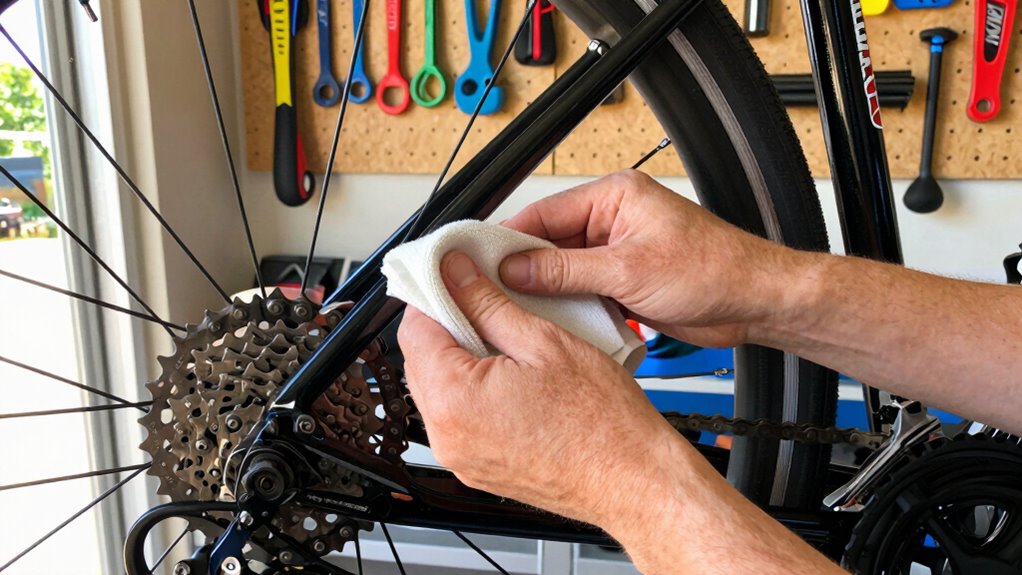
Learning basic bike maintenance is essential for keeping your bike in top shape and ensuring safe, smooth rides. When you understand how to perform simple upkeep, you’ll have more confidence on the road and can avoid common issues that might cause accidents or breakdowns. Part of this knowledge involves understanding bike safety, which isn’t just about wearing a helmet but also about knowing your bike’s condition. Before every ride, do a quick check to make sure your tires are properly inflated, your brakes are responsive, and your chain is clean and lubricated. These small steps can greatly improve your riding techniques and reduce the risk of accidents.
Getting familiar with riding techniques goes hand-in-hand with bike safety. Proper positioning on your bike, such as keeping your hands on the brakes and staying alert, helps you react quickly to obstacles or hazards. As you learn to care for your bike, you’ll better understand how each component affects your riding. For example, a well-lubricated chain not only prolongs its lifespan but also makes pedaling smoother, giving you more control and confidence during your rides. Regularly inspecting your tires for wear and tear ensures you won’t unexpectedly go flat, which can be dangerous if you’re in traffic or on a busy trail. Developing a routine for bike maintenance tasks helps you spot issues early and prevent more serious problems from developing. Incorporating bike component knowledge into your routine can further enhance your ability to identify and address issues early.
Proper bike positioning and maintenance boost safety, control, and confidence on every ride.
You don’t need to become a mechanic to handle basic bike maintenance. Simple tasks like cleaning your bike frame, checking tire pressure, and adjusting your brakes are straightforward once you know what to look for. Learning these skills helps you catch minor problems before they turn into costly repairs or safety issues. When you understand how to keep your bike in good condition, you’ll naturally develop better riding techniques because you’ll feel more secure and in control. For example, if you notice your brakes aren’t stopping as well as they should, you can adjust or replace the pads, improving your safety.
Additionally, knowing how to troubleshoot common problems, such as a slipping chain or squeaky brakes, makes you more independent. It also helps you build a habit of regular maintenance, which keeps your bike reliable and safe. Developing an understanding of bicycle components can further enhance your ability to identify and address issues early. As you gain experience, you’ll develop a routine that fits your riding style and schedule, making bike care a seamless part of your cycling. Ultimately, understanding the basics of bike care empowers you to ride more confidently, safely, and with better technique. You’ll enjoy your rides more, knowing your bike is in excellent condition and that you’re doing your part to stay safe on every journey.
As an affiliate, we earn on qualifying purchases.
Frequently Asked Questions
Do I Need Special Tools for Basic Bike Maintenance?
You don’t need special tools for basic bike maintenance. A few essentials like a bike brush for cleaning, chain lubricant, and a tire pump are enough. Regular bike cleaning keeps your bike looking new, while chain lubrication prevents rust and guarantees smooth rides. With these simple tools, you can handle routine tasks like cleaning, lubricating, and adjusting your bike, making maintenance easy and affordable without becoming a mechanic.
How Often Should I Check My Bike’s Tire Pressure?
You should check your bike’s tire pressure at least once a week to guarantee a smooth ride and prevent flats. During your routine bike cleaning, take a moment to inspect the tires. While doing so, check the chain and lubricate it if needed. Proper tire pressure and chain lubrication keep your bike functioning well, extending its lifespan and making every ride safer and more enjoyable.
Can I Fix a Flat Tire Myself Easily?
Yes, fixing a flat tire is straightforward, like patching a small hole in your armor. First, find a safe spot and remove the wheel, then deflate the tire completely. Use tire levers to pry the tire off, locate the puncture, and patch or replace the inner tube. Afterward, reassemble the tire, inflate it, and make certain your bike’s ready for safe riding. Proper bike storage helps prevent flats and keeps your ride safe.
What Are Signs My Bike Needs Professional Servicing?
You’ll want professional servicing if your bike shows signs like persistent squeaks during Bike cleaning or if the Chain lubrication doesn’t improve shifting. Also, watch for uneven tire wear, brake issues, or a loose headset. If you notice these problems, it’s best to visit a mechanic. Regular maintenance, including cleaning and chain lubrication, helps prevent bigger issues and keeps your bike running smoothly.
Is It Safe to Do All Repairs at Home?
It’s generally safe to do basic bike repairs at home if you follow DIY safety and home repair tips. Start with simple tasks like fixing a flat or adjusting brakes, but avoid complex repairs if you’re unsure. Always wear gloves and eye protection, work in a well-ventilated area, and use the right tools. When in doubt, consult online tutorials or seek professional help to prevent accidents or damage.
As an affiliate, we earn on qualifying purchases.
Conclusion
Taking the time to learn basic bike care gently guides you toward a smoother ride, even if you’re not a seasoned mechanic. With patience, you’ll find that small adjustments can keep your bike humming along happily, avoiding unnecessary complications. Think of it as nurturing a friendship—tender care and attention lead to a more enjoyable, trouble-free journey. Embrace the process, and you’ll discover that most issues are just opportunities for a subtle, satisfying touch of expertise.
As an affiliate, we earn on qualifying purchases.
As an affiliate, we earn on qualifying purchases.
NFL season / tailgating Picks
team gear
As an affiliate, we earn on qualifying purchases.