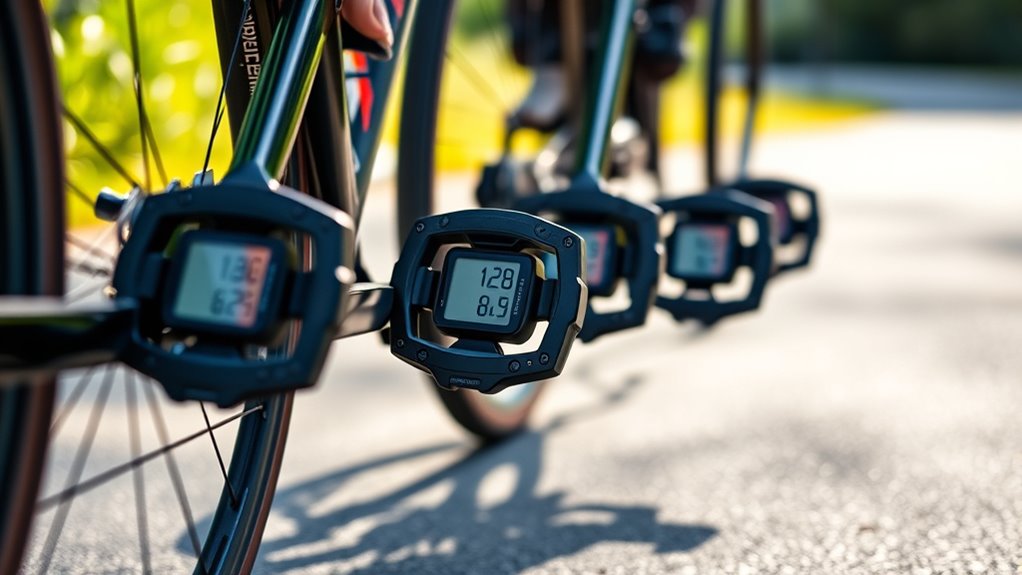

Power meter pedals for cycling are essential tools for riders seeking precise performance data and training insights. The Favero Assioma Uno stands out as the best overall choice thanks to its accuracy, reliability, and ease of use. For those prioritizing dual-sided data, the Favero Assioma Duo offers comprehensive metrics, while the Garmin Rally XC110 provides excellent compatibility with Shimano SPD systems. Readers should weigh factors like compatibility, accuracy, and budget, as each product balances these differently. Continue reading for a detailed comparison to help you find the perfect power meter pedal for your riding style and needs.

Get your wardrobe favorites delivered free — and shop member deals
- Fast, free delivery on millions of items
- Access to Prime Big Deal Days deals on October 6–7
- Prime Video, Amazon Music and more included
Key Takeaways
- Dual-sensing pedals generally provide more comprehensive data but come at a higher price and complexity.
- Compatibility with your existing pedal system is crucial; some options are limited to specific cleat types like SPD or SPD-SL.
- Accuracy levels are similar across high-quality models, but battery life and ease of calibration vary significantly.
- Premium models often include additional features like Bluetooth and ANT+ connectivity, making integration with training apps seamless.
- Budget-friendly pedals can still offer reliable performance but might lack some advanced features and durability found in top-tier options.
| Favero Assioma Uno Power Meter Pedal |  | Best for Budget-Conscious Cyclists Seeking Reliable Power Data | Battery Life: 50 hours | Connectivity: Bluetooth, ANT+ | Available Versions: Single (UNO), Dual (DUO) | VIEW ON AMAZON | See Our Full Breakdown |
| Favero Assioma PRO MX-1 Single Sided Power Meter Pedals |  | Best for Riders Focused on Accurate, Durable Power Data from One Side | Power Measurement: Single-sided | Compatibility: Standard pedal systems | Performance: Durable and accurate | VIEW ON AMAZON | See Our Full Breakdown |
| Favero Assioma Duo Power Meter Pedal |  | Best for Accurate Dual-Sided Power and Advanced Data | Accuracy: +/- 1% | Battery Life: Up to 50 hours | Connectivity: Bluetooth, ANT+ | VIEW ON AMAZON | See Our Full Breakdown |
| Favero Assioma Duo Dual-Sensing Cycling Power Meter Pedals |  | Best for Rugged, Reliable Power Data in All Conditions | Waterproof: Yes | Battery Life: 50+ hours | Connectivity: Bluetooth & ANT+ | VIEW ON AMAZON | See Our Full Breakdown |
| Garmin Rally XC110 Single-Sensing Power Meter, Shimano SPD |  | Best for Off-Road Cyclists Using Shimano SPD Cleats | Compatibility: Shimano SPD | Power Measurement: Single-sensing | Battery Life: Up to 90 hours | VIEW ON AMAZON | See Our Full Breakdown |
| Favero Assioma PRO MX-2 Dual Sided Power Meter Pedals |  | Best Overall for Precision and Advanced Training | Brand: Favero | Unit Count: 1 | Number of Packs: 1 | VIEW ON AMAZON | See Our Full Breakdown |
| Magene P715 Power Meter Pedals – ±1% Precision, 120h Battery Life, Seamless Bike Compatibility, ANT+ & Bluetooth |  | Best for Versatile, Long-Distance Training | Accuracy: ±1% | Battery Life: 120 hours | Weight: 157g per pedal | VIEW ON AMAZON | See Our Full Breakdown |
| Favero Assioma PRO MX-1 Single-Sensing Side Pedal-Based Cycling Power Meter |  | Best for Versatility in MTB and Gravel Cycling | Compatibility: MTB, Gravel, SPD cleats | Power Measurement: Single-sensing side pedal | Connectivity: Bluetooth, ANT+ | VIEW ON AMAZON | See Our Full Breakdown |
| Favero Assioma UNO Single-Sensing Pedal-Based Road Cycling Power Meter |  | Best Lightweight and Waterproof for Road Cyclists | Sensor Type: Single-sensing pedal-based | Compatibility: Look Keo cleats, Favero | Look Keo compatible | Temperature Range: -10°C to 60°C | VIEW ON AMAZON | See Our Full Breakdown |
| Magene P715 Dual-Sensing Side Power Meter Cycling Pedals |  | Best for Accurate Dual-Sided Power Measurement on KEO Systems | Accuracy: ±1% | Compatibility: KEO | Battery Life: 120 hours | VIEW ON AMAZON | See Our Full Breakdown |
| Magene P715 Dual-Sensing Side Power Meter Cycling Pedals, Silver, ±1% Accuracy, SPD-SL Compatible, 120h Battery Life, Bluetooth & ANT+ |  | Best Overall for Precise Dual-Sensing Power Measurement | Accuracy: ±1% | Compatibility: SPD-SL | Battery Life: 120 hours | VIEW ON AMAZON | See Our Full Breakdown |
| Favero Assioma PRO MX-2 Dual-Sensing Pedal-Based Cycling Power Meter |  | Best for Versatility Across MTB and Gravel Bikes | Compatibility: MTB, Gravel, SPD, Shimano SM-SH51 | Sensor Type: Dual-sensing (power and gyroscope) | Material: Aluminum 6061-T6 | VIEW ON AMAZON | See Our Full Breakdown |
| Magene P715 Power Meter Pedals |  | Best for Road and Triathlon Riders Seeking Simplicity and Precision | Power Accuracy: ±1% | Battery Life: 120 hours | Weight: 157g per pedal | VIEW ON AMAZON | See Our Full Breakdown |
| Favero Assioma PRO RS-2 Dual-Sensing Pedal-Based Road Cycling Power Meter |  | Best Modular Design for Easy Switching Between Bikes | Compatibility: SPD-SL, Shimano SM-SH10/11/12 | Battery Life: 160 hours | Temperature Range: -10°C to 55°C | VIEW ON AMAZON | See Our Full Breakdown |
| Garmin Rally™ RS210 Dual-Sensing Power Meter for Shimano SPD-SL | | Best for Shimano SPD-SL Road Cyclists Focused on Training Metrics | Compatibility: Shimano SPD-SL | Sensing: Dual sensing (power, cycling dynamics) | Material: Carbon | VIEW ON AMAZON | See Our Full Breakdown |
| power meter pedals for cycling | Battery Life | Compatibility | Connectivity |
|---|---|---|---|
| Favero Assioma Uno Power Meter | 50 hours | Standard pedal systems | Bluetooth, ANT+ |
| Favero Assioma PRO MX-1 Single | Not specified | Standard pedal systems | Compatible with cycling computers |
| Favero Assioma Duo Power Meter | Up to 50 hours | Smartphones, cycling computers | Bluetooth, ANT+ |
| Favero Assioma Duo Dual-Sensin | 50+ hours | Bike computer or smartphone | Bluetooth & ANT+ |
| Garmin Rally XC110 Single-Sens | Up to 90 hours | Shimano SPD | — |
| Favero Assioma PRO MX-2 Dual S | — | — | — |
| Magene P715 Power Meter Pedals | 120 hours | Seamless bike compatibility, supports Bluetooth & ANT+ | — |
| Favero Assioma PRO MX-1 Single | 160+ hours | MTB, Gravel, SPD cleats | Bluetooth, ANT+ |
| Favero Assioma UNO Single-Sens | 50 hours | Look Keo cleats, Favero | Look Keo compatible | Bluetooth, ANT+ |
| Magene P715 Dual-Sensing Side | 120 hours | KEO | Bluetooth & ANT+ |
| Magene P715 Dual-Sensing Side | 120 hours | SPD-SL | Bluetooth & ANT+ |
| Favero Assioma PRO MX-2 Dual-S | At least 160 hours | MTB, Gravel, SPD, Shimano SM-SH51 | — |
| Magene P715 Power Meter Pedals | 120 hours | Road bike, Time trial | Bluetooth & ANT+ |
| Favero Assioma PRO RS-2 Dual-S | 160 hours | SPD-SL, Shimano SM-SH10/11/12 | — |
| Garmin Rally™ RS210 Dual-Sensi | Up to 90 hours | Shimano SPD-SL | — |
More Details on Our Top Picks
Favero Assioma Uno Power Meter Pedal
The Favero Assioma Uno stands out as the most accessible entry point into power meter pedals, offering impressive battery life of 50 hours and broad device compatibility. Compared with the Duo or Pro models, the Uno’s single-sided measurement reduces complexity and cost, making it ideal for cyclists who prioritize straightforward data over total accuracy. However, this simplification means you won’t get a complete picture of pedal balance, which some advanced riders might desire. Its ease of installation and long battery life make it perfect for those new to power meters or riders on a tight budget, but it’s less suited for those wanting dual-sided insights or advanced training features. Overall, this pick makes the most sense for cyclists who want reliable, simple power data without extra frills.
Pros:- Long battery life of 50 hours ensures extended use without frequent charging
- Easy to install and operate, suitable for riders new to power meters
- Compatible with both Android and iOS devices for flexible connectivity
Cons:- Limited to single-sided measurement, which may not satisfy performance-focused riders
- Requires regular charging for long-distance or frequent rides
Best for: Beginners or recreational cyclists seeking a straightforward, affordable power meter pedal
Not ideal for: Advanced riders or competitive cyclists needing detailed pedal analytics or dual-sided measurement
- Battery Life:50 hours
- Connectivity:Bluetooth, ANT+
- Available Versions:Single (UNO), Dual (DUO)
- Measurement Type:Single-sided
- Compatibility:Standard pedal systems
- Charging:Rechargeable
Our verdict“A strong choice for cyclists entering the power meter world who want dependable data at an accessible price.”
Favero Assioma PRO MX-1 Single Sided Power Meter Pedals
The Favero Assioma PRO MX-1 offers precise single-sided power measurement, making it suitable for riders who want reliable data without the complexity or cost of dual-sided systems. Compared to the Duo, which provides bilateral data, the MX-1 emphasizes durability and simplicity, fitting well into standard pedal setups. Its robust design ensures durability across various riding conditions, but the limitation to one side might overlook pedal balance insights some athletes seek. Easy installation and broad device compatibility make it a solid choice for riders who prefer straightforward, consistent power data, especially if they are willing to accept the tradeoff of only measuring one leg. This pedal works well for those focused on improving overall power output rather than pedal technique details.
Pros:- Provides accurate and consistent power data on one side
- Durable construction suited for various riding environments
- Easy to install and compatible with most cycling computers
Cons:- Only measures power on one side, missing pedal balance info
- Potentially higher cost compared to basic non-power pedals
Best for: Cyclists wanting dependable single-sided power measurement for training or performance tracking
Not ideal for: Riders seeking detailed bilateral data or advanced pedaling analytics
- Power Measurement:Single-sided
- Compatibility:Standard pedal systems
- Performance:Durable and accurate
- Battery Life:Not specified
- Connectivity:Compatible with cycling computers
- Installation:Easy
Our verdict“Ideal for riders who prioritize reliable, single-sided power data over detailed pedal symmetry analysis.”
Favero Assioma Duo Power Meter Pedal
The Favero Assioma Duo offers highly accurate, dual-sided watt measurement with +/- 1% precision, making it suitable for serious cyclists focused on detailed pedaling analysis. Compared with the Uno or MX-1, the Duo’s bilateral data provides a fuller picture of each leg’s contribution, which can inform more nuanced training. Its rechargeable batteries last up to 50 hours, and the inclusion of Bluetooth and ANT+ ensures broad device compatibility. The setup is straightforward, but the higher price and added complexity might be overkill for casual riders. This model is best for those who want comprehensive power data to refine their technique or optimize performance, accepting the tradeoff of a slightly higher cost and more involved setup.
Pros:- Highly accurate power measurement with +/- 1% precision
- Provides bilateral data to analyze pedal balance
- Rechargeable with up to 50 hours of battery life
Cons:- More expensive than single-sided options
- Requires proper setup for maximum accuracy
Best for: Competitive cyclists or serious trainers seeking detailed, bilateral power data
Not ideal for: Casual riders or those on a tight budget who only need basic power metrics
- Accuracy:+/- 1%
- Battery Life:Up to 50 hours
- Connectivity:Bluetooth, ANT+
- Measurement Type:Dual-sided
- Rechargeable:Yes
- Compatibility:Smartphones, cycling computers
Our verdict“Best suited for athletes who want detailed, balanced power insights to fine-tune their pedaling technique.”
Favero Assioma Duo Dual-Sensing Cycling Power Meter Pedals
The Favero Assioma Duo Dual-Sensing pedals emphasize durability and high accuracy, with waterproofing and a lightweight design that appeals to off-road and gravel riders. Compared with the Shimano-specific Garmin Rally XC110, the Duo’s universal compatibility and waterproof features make it more versatile for varied riding environments. The detection of pedal stroke velocity enhances measurement precision, and the long battery life of over 50 hours ensures extended rides. However, this model comes at a higher price point and may require a compatible bike computer or smartphone for full functionality. It’s ideal for cyclists who need reliable power metrics in tough conditions and appreciate portability, but less so for those solely on road or seeking a budget option.
Pros:- High accuracy with ±1% measurement
- Lightweight and waterproof design for outdoor durability
- Easy to transfer between bikes with rechargeable batteries
Cons:- Requires compatible devices for full functionality
- Higher cost compared to basic models
Best for: Off-road, gravel, or adventure riders needing durable, waterproof power pedals
Not ideal for: Pure road cyclists or riders on a strict budget who don’t need waterproof features
- Waterproof:Yes
- Battery Life:50+ hours
- Connectivity:Bluetooth & ANT+
- Accuracy:±1%
- Weight:Lightweight
- Compatibility:Bike computer or smartphone
Our verdict“Perfect for riders demanding rugged, waterproof power measurement in challenging outdoor conditions.”
Garmin Rally XC110 Single-Sensing Power Meter, Shimano SPD
The Garmin Rally XC110 is tailored for off-road cyclists who use Shimano SPD cleats, combining high accuracy with long battery life of up to 90 hours. Compared to the Favero Duo, the Garmin unit is designed specifically for mountain biking and gravel riding, with quick 15-minute charging for extended rides. Its smart calibration and compatibility with Garmin devices make it a reliable choice for Garmin loyalists. However, its focus on off-road use means it might not be the best fit for road cyclists, and full functionality depends on pairing with compatible Garmin computers or smartwatches. This pedal is ideal for mountain bikers wanting precise power metrics without the bulk of dual sensors, but less so for road riders or those outside Garmin’s ecosystem.
Pros:- High accuracy with +/- 1% measurement
- Removable sensor for easy transfer between bikes
- Exceptional battery life of up to 90 hours with quick charging
Cons:- Primarily designed for off-road use, less suited for road cycling
- Requires Garmin device for full functionality
Best for: Off-road cyclists using Shimano SPD cleats who want long-lasting, accurate power data
Not ideal for: Road cyclists or riders not using Garmin devices, as full features depend on Garmin compatibility
- Compatibility:Shimano SPD
- Power Measurement:Single-sensing
- Battery Life:Up to 90 hours
- Charging:15 min for 12 hours
- Calibration:Smart calibration
- Material:All-metal pedal bodies
Our verdict“An excellent choice for mountain bikers and gravel riders seeking durable, high-accuracy power measurement compatible with Garmin systems.”
Favero Assioma PRO MX-2 Dual Sided Power Meter Pedals
The Favero Assioma PRO MX-2 pedals stand out for their ability to deliver independent left/right power data, making them ideal for cyclists aiming for highly detailed performance analysis. Compared to the single-sensing Favero Assioma UNO, the MX-2 provides more granular data, which can be crucial for optimizing pedal biomechanics and training strategies. The pedals are lightweight, durable, and seamlessly connect via Bluetooth and ANT+, offering a reliable setup for serious athletes. The tradeoff is the higher price point, which might deter casual riders who don’t need dual-sided measurements. If you’re focused on precise data for training refinement, this pick makes the most sense.
Pros:- Provides precise independent left/right power data
- Highly accurate and consistent readings
- Durable and lightweight construction
- Seamless Bluetooth and ANT+ connectivity
Cons:- Requires compatible cycling devices for full functionality
- Premium price may be costly for some users
Best for: Advanced cyclists and athletes who want detailed, independent left/right power analysis for performance improvements
Not ideal for: Casual riders or beginners who don’t require dual-sided measurement and are sensitive to higher costs
- Brand:Favero
- Unit Count:1
- Number of Packs:1
- Model Number:773-10-02
- UPC:705632189139
- Item Type:Power Meter Pedals
- Warranty:Limited Warranty
- Age Range:Adult
Our verdict“This pedal set is best suited for committed cyclists seeking detailed power metrics and willing to invest in top-tier accuracy.”
Magene P715 Power Meter Pedals – ±1% Precision, 120h Battery Life, Seamless Bike Compatibility, ANT+ & Bluetooth
The Magene P715 pedals offer exceptional precision with ±1% accuracy and a substantial 120-hour battery life, making them ideal for riders who prioritize long rides and consistent data collection. Compared with the Favero Assioma UNO, the P715’s longer battery life provides fewer interruptions during extended training sessions, though it might lack some advanced features found in higher-end dual-sensing pedals. Installation is straightforward, supporting seamless switching between bikes with minimal fuss. The pedals support both Bluetooth and ANT+ protocols, ensuring broad device compatibility. A potential tradeoff is the lighter weight, which could impact durability under heavy use, and the lack of detailed app features, which might limit customization. Still, for riders seeking reliable, long-lasting power measurement, this model fits well.
Pros:- High-precision ±1% power measurement
- Long battery life of 120 hours
- Supports Bluetooth and ANT+ connectivity
- Easy installation and bike switching
Cons:- Relatively lightweight pedals may be less durable for intense use
- Limited details on app or software features
Best for: Cyclists who do long-distance rides and need dependable, long-lasting power data with easy setup
Not ideal for: Heavy-duty riders or those seeking advanced software features, as durability and software options may be limited
- Accuracy:±1%
- Battery Life:120 hours
- Weight:157g per pedal
- Compatibility:Seamless bike compatibility, supports Bluetooth & ANT+
- Waterproof:IPX7
- Installation:1 minute
- Included Components:2 pedals, 2 crank washers, charging cable, quick start guide
- Warranty:2 years
Our verdict“This model is best for cyclists prioritizing long battery life and versatile compatibility for extended training rides.”
Favero Assioma PRO MX-1 Single-Sensing Side Pedal-Based Cycling Power Meter
The Favero Assioma PRO MX-1 is designed to accommodate a range of cycling terrains, including mountain biking and gravel riding, thanks to its single-sensing side measurement and durable aluminum body. Compared to dual-sensing pedals like the MX-2, the MX-1 offers a simpler setup, and its high accuracy with automatic temperature compensation ensures reliable data across varied conditions. However, measuring only on one side means less comprehensive data than the MX-2, which could be a drawback for those wanting full bilateral analysis. The pedals are easy to transfer between bikes and support Bluetooth and ANT+, making them suitable for riders who need flexibility. The main tradeoff is the higher cost for a pedal that measures only one side, which might not satisfy those seeking detailed bilateral insights.
Pros:- Easy to install and transfer between bikes
- High accuracy with automatic temperature compensation
- Durable, resistant aluminum construction
- Long battery life of over 160 hours
Cons:- Only measures power on the left pedal
- Requires compatible bike computer or smartphone for data
Best for: Cyclists who ride MTB or gravel bikes and want a durable, accurate power meter that’s easy to transfer
Not ideal for: Riders seeking bilateral power data or those on a tight budget, due to higher cost and single-sensing limitation
- Compatibility:MTB, Gravel, SPD cleats
- Power Measurement:Single-sensing side pedal
- Connectivity:Bluetooth, ANT+
- Battery Life:160+ hours
- Material:Aluminum 6061-T6
- Charging:Magnetic USB Type-C
- Included:Pedals, SPD cleats, charging cable, tools
Our verdict“This pedal is well-suited for MTB and gravel riders who value durability and simple installation over bilateral data depth.”
Favero Assioma UNO Single-Sensing Pedal-Based Road Cycling Power Meter
The Favero Assioma UNO emphasizes lightweight design and waterproofing, making it ideal for road cyclists who value ease of transfer and resilience. It offers high accuracy with automatic temperature compensation and supports Bluetooth and ANT+ for broad compatibility. Compared to dual-sensing pedals like the MX-2, the UNO is simpler and lighter, but it only measures on one side, which means less detailed data for those seeking full bilateral analysis. Its rechargeable battery lasts up to 50 hours, suitable for typical training sessions. The main tradeoff is the single-sensing limitation, which might not satisfy competitive cyclists looking for comprehensive data. Nonetheless, if a lightweight, waterproof pedal with good accuracy is your priority, this model fits well.
Pros:- Easy to install and transfer between bikes
- High accuracy with automatic temperature compensation
- Lightweight and waterproof design
- Rechargeable with up to 50 hours of use
Cons:- Requires compatible cleats for installation
- Single-sensing may limit data depth
Best for: Road cyclists seeking a lightweight, waterproof power meter that’s easy to transfer and install
Not ideal for: Riders wanting bilateral data or those needing the longest battery life available
- Sensor Type:Single-sensing pedal-based
- Compatibility:Look Keo cleats, Favero | Look Keo compatible
- Temperature Range:-10°C to 60°C
- Battery Life:50 hours
- Rechargeable:Yes
- Waterproof:Yes
- Connectivity:Bluetooth, ANT+
Our verdict“This pedal suits road cyclists who prioritize lightweight, waterproof design with reliable accuracy, without needing bilateral measurement.”
Magene P715 Dual-Sensing Side Power Meter Cycling Pedals
The Magene P715 pedals deliver precise dual-sided power measurement with ±1% accuracy, making them ideal for riders who want detailed bilateral data without the complexity or cost of top-tier models like the Favero Assioma PRO MX-2. Their quick installation and support for Bluetooth and ANT+ protocols ensure seamless setup and data tracking across a variety of devices. Compared to the MX-1 single-sensing pedals, the P715 offers a more comprehensive picture of your power distribution, which can be a game-changer for technical training. However, they are limited to KEO-compatible systems, and the price may be a barrier for budget-conscious riders. The main advantage is the combination of accuracy, dual-sided measurement, and ease of use.
Pros:- Accurate dual-sided power measurement
- Easy to install in 1 minute
- Long battery life of 120 hours
- Supports Bluetooth & ANT+ connectivity
Cons:- Limited to KEO compatible systems
- Price not specified, potentially costly for some
Best for: Cyclists using KEO cleat systems who want accurate, dual-sided power data for detailed analysis
Not ideal for: Riders on non-KEO systems or those seeking a more budget-friendly option, as compatibility and cost may be issues
- Accuracy:±1%
- Compatibility:KEO
- Battery Life:120 hours
- Connectivity:Bluetooth & ANT+
- Included Components:Pedal Power Meter x2, Crank Washer x2, Magnetic Charging Cable, Quick Start Guide
Our verdict“This pedal set is best for KEO system users who need precise bilateral power data and quick setup for detailed training insights.”
Magene P715 Dual-Sensing Side Power Meter Cycling Pedals, Silver, ±1% Accuracy, SPD-SL Compatible, 120h Battery Life, Bluetooth & ANT+
The Magene P715 pedals stand out for their highly accurate dual-sensing system, which provides independent data for left and right legs. Compared with the Favero Assioma PRO MX-2, they offer similar precision but are more straightforward to install and less expensive, making them a strong choice for serious cyclists who want reliable metrics without paying a premium. The long 120-hour battery life ensures fewer interruptions during extended rides, and the quick setup with Bluetooth and ANT+ supports seamless data tracking. However, these pedals are limited to SPD-SL systems, so riders with other cleat standards will need to look elsewhere. They excel in delivering detailed power data for those prioritizing accuracy and ease of use, but they may not suit cyclists seeking a more universal or multi-purpose pedal setup.
Pros:- Highly accurate dual-sensing power measurement with ±1% precision
- Easy and quick installation, reducing setup time
- Long-lasting 120-hour battery for extended rides
- Seamless connectivity via Bluetooth and ANT+
Cons:- Limited to SPD-SL compatible bikes and cleats
- Requires specific pedal system, reducing versatility for different bikes
Best for: Cyclists seeking a reliable, dual-sensing power pedal compatible with SPD-SL systems, focused on accuracy and long battery life
Not ideal for: Riders using MTB or gravel bikes with different cleat standards, or those wanting a more versatile system across multiple bike types
- Accuracy:±1%
- Compatibility:SPD-SL
- Battery Life:120 hours
- Connectivity:Bluetooth & ANT+
- Installation:1 minute
Our verdict“This pedal makes the most sense for dedicated road cyclists valuing precise dual-leg power data with straightforward setup.”
Favero Assioma PRO MX-2 Dual-Sensing Pedal-Based Cycling Power Meter
The Favero Assioma PRO MX-2 delivers exceptional accuracy and durability, making it ideal for riders who venture off-road or switch between gravel and MTB bikes. Unlike the Garmin Rally RS210, which is optimized for Shimano SPD-SL road use, the MX-2’s compatibility extends to MTB and gravel shoes with SPD and Shimano SM-SH51 cleats, offering flexible deployment across terrains. Its robust aluminum construction and automatic temperature compensation ensure reliable performance in tough conditions. The rechargeable battery lasts at least 160 hours, minimizing downtime, but the installation process can be complex for beginners, and the higher price may deter casual cyclists. This pedal targets experienced riders needing a durable, precise power meter that adapts to multiple bike types, sacrificing some simplicity for versatility.
Pros:- Highly accurate with ±1% precision
- Compatible with MTB and gravel bikes, versatile for different terrains
- Long-lasting rechargeable battery of at least 160 hours
- Robust construction resistant to shocks and terrain
Cons:- Installation can be complex for those unfamiliar with pedal systems
- Higher price point may be a barrier for casual cyclists
Best for: Advanced cyclists needing a durable, accurate pedal system for MTB or gravel riding with easy transfer between bikes
Not ideal for: Casual riders or road-specific cyclists who prefer plug-and-play simplicity without off-road durability requirements
- Compatibility:MTB, Gravel, SPD, Shimano SM-SH51
- Sensor Type:Dual-sensing (power and gyroscope)
- Material:Aluminum 6061-T6
- Battery Life:At least 160 hours
- Charging:Magnetic USB Type-C
Our verdict“This pedal is best suited for serious off-road riders who need a tough, precise power meter that adapts to multiple bike types.”
Magene P715 Power Meter Pedals
The Magene P715 Power Meter Pedals are a solid choice for road and triathlon cyclists who want straightforward, high-precision power data. Their ±1% accuracy rivals more expensive pedals like the Favero Assioma Uno, but they come with a more streamlined setup process and support both Bluetooth and ANT+. While installation is quick—taking about a minute—initial calibration is necessary for optimal performance. The pedals’ waterproof IPX7 rating adds durability in all weather conditions. Their main tradeoff is compatibility; they are ideal for road, time trial, and triathlon bikes but won’t suit MTB or gravel setups. For riders focused on road racing or triathlon who prioritize ease of use and consistent data, these pedals deliver excellent value.
Pros:- High-precision ±1% power measurement
- Long battery life of 120 hours
- Supports Bluetooth and ANT+ for seamless data transfer
- Easy and quick installation
Cons:- Requires calibration before use, adding setup step
- Limited to compatible road bike setups
Best for: Road cyclists and triathletes wanting a reliable, easy-to-install power meter with long battery life
Not ideal for: MTB or gravel riders seeking pedals compatible with wider cleat systems or more rugged terrain durability
- Power Accuracy:±1%
- Battery Life:120 hours
- Weight:157g per pedal
- Compatibility:Road bike, Time trial
- Waterproof:IPX7
- Connectivity:Bluetooth & ANT+
Our verdict“Ideal for serious road and triathlon riders needing accurate power data with minimal fuss during setup.”
Favero Assioma PRO RS-2 Dual-Sensing Pedal-Based Road Cycling Power Meter
The Favero Assioma PRO RS-2 offers a flexible, modular solution for cyclists who switch between road and MTB or gravel bikes. Its innovative design allows easy removal and transfer, a feature that sets it apart from fixed-setup pedals like the Magene P715. With ±1% accuracy and automatic temperature compensation, it ensures precise watt measurements across diverse conditions. The long 160-hour battery life and magnetic USB-C charging provide convenience, but the complexity of installation and the premium price make it less suited for casual users. This pedal targets serious cyclists seeking a high-end, adaptable power meter that can be used on multiple bikes with minimal fuss, though it may be too complex for beginners.
Pros:- High accuracy with ±1% measurement
- Modular design allows easy swapping between bikes
- Long battery life of up to 160 hours
- Automatic temperature compensation ensures consistent data
Cons:- Complex installation process for newcomers
- Premium price point may be prohibitive for casual users
Best for: Experienced cyclists who want a high-accuracy, modular power meter for multiple bikes, including road and MTB setups
Not ideal for: Beginners or casual riders who prefer simple, plug-and-play pedals without the need for frequent removal
- Compatibility:SPD-SL, Shimano SM-SH10/11/12
- Battery Life:160 hours
- Temperature Range:-10°C to 55°C
- Accuracy:±1%
- Rechargeable:Yes
Our verdict“Best suited for dedicated cyclists needing a reliable, adaptable power meter across multiple bike types and setups.”
Garmin Rally™ RS210 Dual-Sensing Power Meter for Shimano SPD-SL
The Garmin Rally RS210 delivers comprehensive cycling metrics with dual-sensing technology, making it ideal for Shimano SPD-SL riders who want detailed data for training. Its lightweight carbon body ensures minimal weight addition, and the quick 15-minute charge provides a significant boost for long rides. Compared to the Favero Assioma Uno, it offers more advanced cycling dynamics like left/right balance and pedal smoothness, but the calibration process can be complex for newcomers. Its long 90-hour battery life is respectable, yet it lags slightly behind the 160-hour offerings from some competitors. This pedal appeals to serious Garmin users and those seeking extensive cycling metrics, though its premium price and calibration complexity make it less suitable for casual cyclists.
Pros:- Highly accurate with +/- 1% precision
- Long battery life up to 90 hours with quick-charge capability
- Dual sensing provides comprehensive cycling metrics
- Lightweight carbon construction
Cons:- Requires Shimano SPD-SL cleats and compatible shoes
- Calibration process can be challenging for beginners
- Premium price may be a barrier for some riders
Best for: Serious Garmin users and road cyclists seeking detailed training metrics with Shimano SPD-SL compatibility
Not ideal for: Casual riders or those using non-Shimano pedal systems who prefer straightforward setup and lower cost
- Compatibility:Shimano SPD-SL
- Sensing:Dual sensing (power, cycling dynamics)
- Material:Carbon
- Battery Life:Up to 90 hours
- Charging:Quick charge in 15 minutes
Our verdict“Ideal for Garmin enthusiasts and cyclists focusing on detailed data for training and performance improvements.”

How We Picked
The products were selected based on their accuracy, build quality, ease of installation, and compatibility with various bikes and cleat systems. Priority was given to models that provide consistent power data, long battery life, and seamless connectivity options, such as Bluetooth and ANT+. We also considered user feedback on durability and calibration ease. The ranking reflects a balance between performance, versatility, and value, aiming to help riders of different skill levels and budgets find a suitable power meter pedal.| power meter pedals for cycling | Connectivity |
|---|---|
| Favero Assioma Uno Power Meter | Bluetooth, ANT+ |
| Favero Assioma PRO MX-1 Single | Compatible with cycling computers |
| Favero Assioma Duo Power Meter | Bluetooth, ANT+ |
| Favero Assioma Duo Dual-Sensin | Bluetooth & ANT+ |
| Garmin Rally XC110 Single-Sens | — |
| Favero Assioma PRO MX-2 Dual S | — |
| Magene P715 Power Meter Pedals | — |
| Favero Assioma PRO MX-1 Single | Bluetooth, ANT+ |
| Favero Assioma UNO Single-Sens | Bluetooth, ANT+ |
| Magene P715 Dual-Sensing Side | Bluetooth & ANT+ |
| Magene P715 Dual-Sensing Side | Bluetooth & ANT+ |
| Favero Assioma PRO MX-2 Dual-S | — |
| Magene P715 Power Meter Pedals | Bluetooth & ANT+ |
| Favero Assioma PRO RS-2 Dual-S | — |
| Garmin Rally™ RS210 Dual-Sensi | — |
Factors to Consider When Choosing Power Meter Pedals For Cycling
Choosing the right power meter pedal involves evaluating several key factors that directly impact your training and riding experience. Beyond basic features, understanding compatibility with your bike, the type of sensing (single or dual), and connectivity options can significantly influence your satisfaction and results. Making an informed decision helps avoid costly mistakes and ensures the pedal integrates smoothly into your existing setup. Here are the main considerations to keep in mind.Compatibility and Cleat System
Ensuring your power meter pedal is compatible with your bike and cleat system is fundamental. Pedals come in different standards, primarily SPD, SPD-SL, or Look Keo. Choosing a model aligned with your existing cleats or willing to switch can save installation hassle. It’s also important to verify if the pedal system fits your bike’s crank arm interface, especially for newer or less common models. Compatibility issues can lead to costly replacements or adjustments later, so double-check before purchasing.
Single vs. Dual-Sensing Power Meters
Single-sensing pedals measure power from one leg, which can suffice for most training but may hide imbalances. Dual-sensing pedals provide data for both legs independently, offering more precise insights into your pedaling mechanics. The tradeoff is often increased cost and slightly more complex calibration. Riders focused on optimizing performance or addressing asymmetries should prefer dual-sensing options, while casual riders might find single-sensing pedals adequate.
Accuracy and Calibration
High accuracy is a hallmark of quality power meters, with most top models offering ±1% precision. Regular calibration ensures data reliability, which is vital for serious training. Some pedals include automatic or quick calibration features, reducing hassle. Cheaper models may require more frequent manual calibration or have slightly less consistent readings. Consider how much maintenance you’re willing to perform versus how critical precise data is for your training goals.
Connectivity and App Integration
Most modern power meter pedals support Bluetooth and ANT+ for seamless pairing with cycling computers, smartphones, and training apps. Reliable connectivity facilitates real-time data monitoring and post-ride analysis. Check if the pedal’s app ecosystem is user-friendly and whether it offers firmware updates. Compatibility with your existing devices can enhance your training experience, but some models may have limitations or require additional accessories.
Battery Life and Maintenance
Battery longevity varies significantly, from around 50 hours to over 120 hours of use per charge. Longer battery life reduces the frequency of replacement or charging, especially during multi-day events or intense training blocks. Some pedals feature rechargeable batteries, while others use replaceable coin cells. Consider your riding routine—if you frequently ride long distances, prioritize models with extended battery life to minimize interruptions. Also, check how straightforward it is to replace or recharge the batteries.
Price and Value
Higher-priced pedals often include advanced features, better build quality, and more precise sensors, but may not be necessary for casual riders. Conversely, budget options can provide reliable data but might lack some durability or advanced connectivity. Weigh your training needs against your budget to find the best balance. Investing in a slightly more expensive model can pay off through improved accuracy and longevity if you’re committed to serious training.
Frequently Asked Questions
Can I use power meter pedals with any cycling computer?
Most power meter pedals support common connectivity protocols like Bluetooth and ANT+, making them compatible with a wide range of cycling computers and smartphones. However, it’s wise to verify that your device supports these protocols. Some models also offer specific app integrations, which can enhance data analysis. Compatibility is generally straightforward, but double-checking before purchase avoids potential setup issues.
How often do I need to calibrate my power meter pedals?
Calibration frequency depends on the model and your riding conditions. Many pedals require calibration before each ride or after long periods of inactivity to ensure data accuracy. Some newer models include automatic calibration features that simplify this process. Regular calibration is essential for maintaining reliable measurements, especially if you notice inconsistent data or performance fluctuations.
Are dual-sensing pedals worth the extra cost?
Dual-sensing pedals provide separate data for each leg, offering a more detailed picture of your pedaling mechanics. If you’re focused on correcting imbalances, improving efficiency, or participating in structured training, the extra investment can be justified. For casual riders or those not interested in detailed metrics, single-sensing pedals often suffice and offer a more budget-friendly option.
How durable are power meter pedals for everyday riding?
High-quality power meter pedals are built with durable materials designed to withstand regular cycling conditions. However, their longevity depends on factors like riding environment, maintenance, and proper installation. Pedals exposed to harsh weather or rough terrain may require more frequent checks and maintenance. Investing in reputable brands and following manufacturer care instructions can extend the lifespan of your pedals.
Is it worth upgrading to dual-sided power meters if I already have single-sided ones?
Upgrading to dual-sided power meters offers a complete view of your pedaling performance, which can help identify asymmetries and optimize training. If you’re serious about performance improvement or competing, this upgrade can provide valuable insights. However, it comes with higher cost and calibration considerations. For recreational riders, a high-quality single-sided meter may still meet their needs effectively.
Conclusion
For most dedicated cyclists, the Favero Assioma Uno offers an excellent balance of accuracy, ease of use, and affordability, making it the best overall choice. Those seeking comprehensive data and willing to invest more should consider the Favero Assioma Duo or the Favero Assioma PRO MX-2. Beginners or casual riders might prefer simpler, less expensive options like Magene P715 models, which still deliver reliable performance. Athletes focused on detailed analysis and advanced connectivity will find the Garmin Rally XC110 or Favero Assioma PRO RS-2 compelling. Ultimately, your choice depends on your budget, technical needs, and training goals.
As an affiliate, we earn on qualifying purchases.Evergreen bestsellers Picks
bestsellers